Key Takeaways
- Declining libido often has several overlapping causes, including hormones, medications, depression, stress, poor sleep, chronic illness, and relationship factors, so a single quick fix rarely works.
- Primary care is a reasonable first step: a clinician reviews your history, medications, mood, sleep, and stress, then orders only targeted tests rather than a universal panel.
- Do not stop a prescribed antidepressant or blood-pressure medication on your own; speak with the prescriber, who may adjust the dose or suggest an alternative.
- Low libido does not always mean low testosterone, and testosterone therapy should only be considered after a clinical assessment confirms a relevant deficiency, with ongoing supervision.
- Consider a visit if low desire has lasted several weeks or months without a clear reason, causes distress or relationship strain, or occurs alongside fatigue, low mood, or weight changes.
A drop in sexual desire can feel confusing and frustrating. It can strain relationships, lower confidence, and leave you wondering whether something is wrong. The good news is that a change in desire is a common concern, and it often has identifiable causes. For many adults, declining libido treatment in Tampa starts with a simple, confidential conversation with a primary care clinician.
Libido varies from person to person, and it naturally shifts across life stages. A change becomes worth discussing when it lasts, causes distress, or affects your well-being. Low desire is a symptom, not a diagnosis. It can reflect hormones, medications, stress, sleep, mood, pain, chronic illness, or relationship factors, and often a mix of several.
This guide explains what may be behind a lower sex drive, what a medical evaluation looks like, and what treatment options exist. It is written for busy adults who want clear, practical answers before booking a visit.
What Declining Libido Really Means
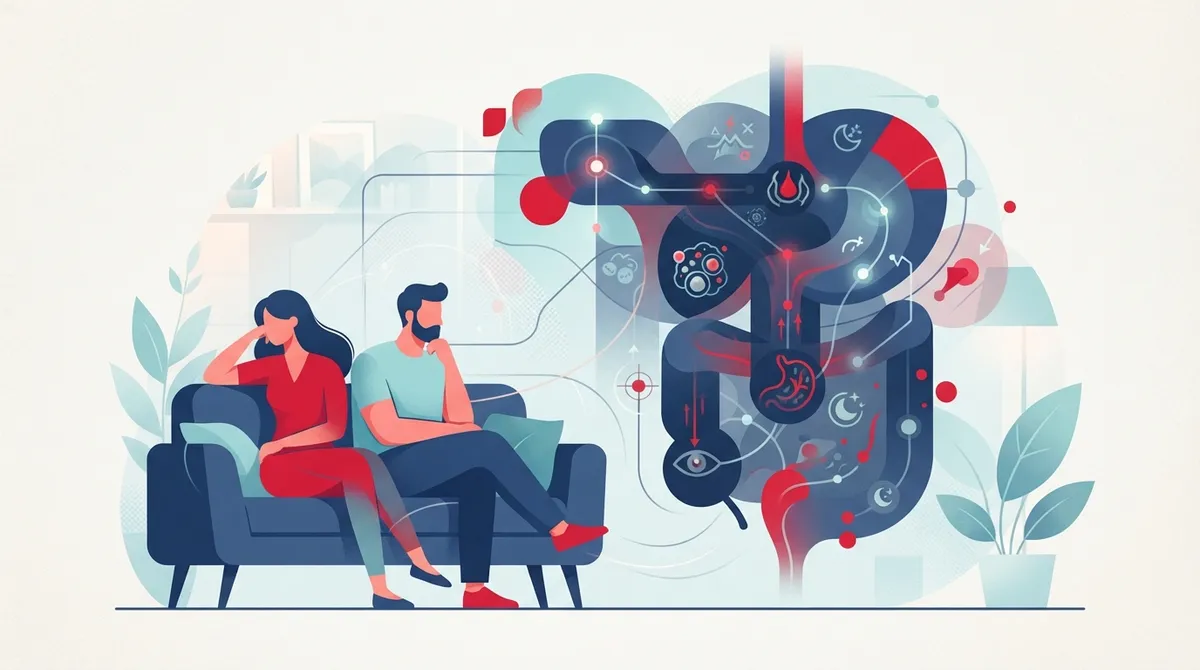
Sexual desire is the interest in sexual activity. When that interest fades for a sustained period and bothers you, clinicians take it seriously. There is no single "normal" level of desire, so the goal is not to match a number. The goal is to understand what changed for you and why.
Research shows the issue is widespread. The European Association of Urology reports that low sexual desire in men has a global prevalence of roughly 3% to 28%, with estimates varying by population and definition. A 2023 study found at least one sexual-function impairment in 30.1% of a community sample and 48.5% of a clinical sample. Those figures cover sexual problems broadly, not low libido alone, but they show how common these concerns are.
Many people wait years before bringing it up. Yet a primary care visit is a reasonable first step, because the causes often overlap with general health.
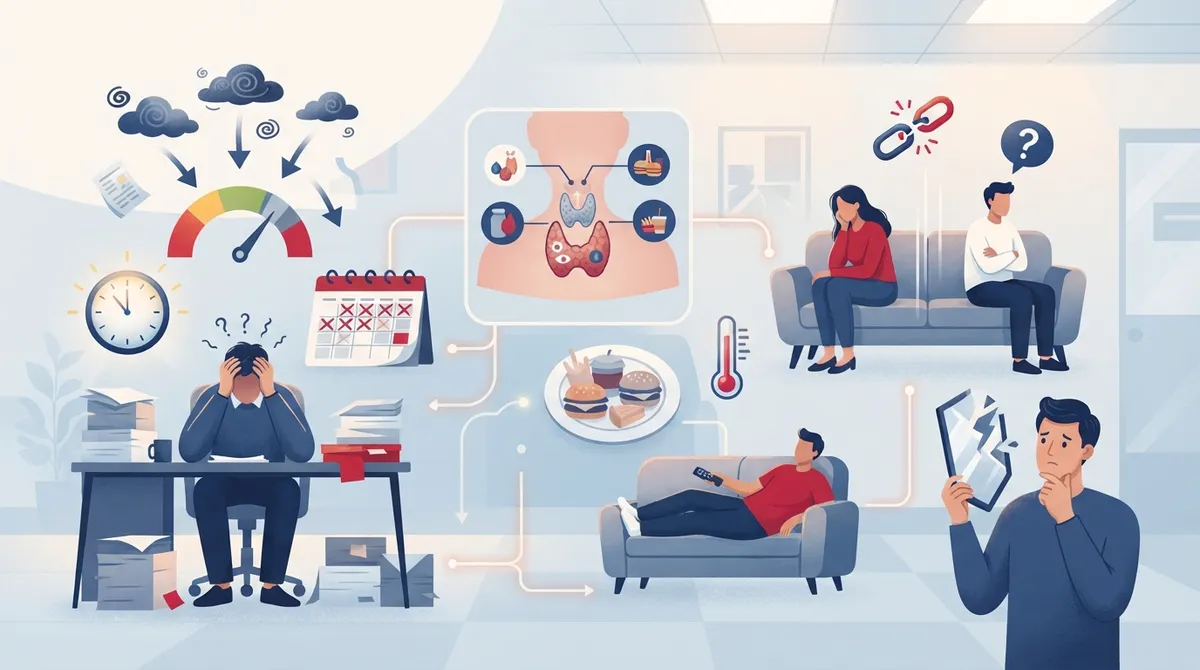
Common Causes of a Lower Sex Drive
Desire is shaped by the body, the mind, and your daily life. A clinician will look at all three. The most common contributors include the following.
- Hormonal changes: Shifts in testosterone, estrogen, or thyroid hormones can affect desire.
- Mood and mental health: Depression and anxiety are strongly linked to reduced interest in sex.
- Chronic stress and burnout: Long work hours and family demands can drain energy and desire.
- Sleep problems: Poor or interrupted sleep lowers energy and can affect hormones.
- Chronic health conditions: Diabetes, heart disease, obesity, and pain conditions can reduce desire.
- Medications: Some antidepressants and certain blood-pressure medicines may lower libido.
- Sexual-function difficulties: Pain during sex or erectile problems can reduce interest over time.
- Relationship factors: Unresolved conflict, poor communication, or emotional distance matter.
Because several causes can exist at once, a single quick fix rarely works. That is why an individualized review matters.
Sleep and Energy Matter More Than Most People Think
If you feel constantly tired, desire is often one of the first things to fade. Loud snoring, restless nights, or daytime fatigue can point to a sleep disorder. If this sounds familiar, our guide on how to know when to see a doctor for poor sleep can help you decide when to get checked.
Medications Can Play a Hidden Role
Some prescribed medicines can lower desire as a side effect. Antidepressants and certain blood-pressure drugs are among the classes that may do this. Do not stop a prescribed medication on your own. Talk with the prescriber first, because there may be alternatives or dose adjustments that protect both your health and your sex life.
When to See a Doctor About Low Libido
You do not need to wait for a crisis. Consider scheduling a visit if any of these apply:
- Your desire has dropped for several weeks or months with no clear reason.
- The change is causing distress for you or strain in your relationship.
- You notice other symptoms such as fatigue, low mood, weight changes, or hot flashes.
- You started a new medication around the time the change began.
- You have a chronic condition such as diabetes or high blood pressure.
For a deeper look at warning signs, read when should I see a doctor for low libido. You can also explore whether low sex drive is a medical issue if you are unsure your concern qualifies.
What a Primary Care Evaluation Looks Like in Tampa
Primary care is a practical starting point because your clinician already looks at the whole picture. At InCare, with locations in Tampa and Riverview, the goal is a confidential, judgment-free conversation followed by targeted next steps. You can see what patients say in reviews when you visit our InCare location on Google.
A typical evaluation follows a clear path.
- Detailed history: Your clinician asks when the change began, how it has progressed, and whether it affects all situations or only some.
- Medication and supplement review: Prescriptions, over-the-counter products, and supplements are checked for effects on desire.
- Mood, stress, and sleep screening: Questions about anxiety, depression, burnout, and sleep quality help identify non-hormonal causes.
- Focused physical exam: This is guided by your symptoms and history.
- Targeted testing: Labs are ordered only when the history points to a reason, not as a universal panel.
- Treatment or referral: You leave with a plan, or a referral to the right specialist if needed.
Why Testing Should Be Targeted
Not every person with low desire needs the same tests. Depending on your symptoms, a clinician may consider testosterone, thyroid function, blood sugar, or other labs. A single hormone result should never be the whole story. Results are interpreted alongside your symptoms, medications, and overall health. A blanket approach can lead to unnecessary treatment or missed causes.
Treatment Options Based on the Cause
Effective declining libido treatment in Tampa depends on what is driving the change. There is no one-size-fits-all remedy. The table below shows common causes alongside the types of care that may be considered.
|
Possible Cause |
Typical Approach |
|---|---|
|
Medication side effect |
Review with the prescriber; explore alternatives or dose changes |
|
Depression or anxiety |
Mental-health care, counseling, or treatment of the underlying condition |
|
Poor sleep or sleep apnea |
Sleep evaluation and treatment, plus sleep habit changes |
|
Chronic stress or burnout |
Stress management, lifestyle changes, counseling |
|
Diabetes or metabolic conditions |
Better control of the condition, weight management |
|
Confirmed hormone deficiency |
Clinician-supervised hormone treatment with follow-up |
|
Relationship or sexual-function concerns |
Couples counseling, sex therapy, or specialist referral |
Lifestyle and Whole-Body Support
Small, steady changes often make a real difference. Regular movement, better sleep, balanced nutrition, and stress reduction support both hormones and energy. For some people, weight and metabolic health are part of the picture. Our overview of how a primary care doctor aids weight loss explains how this support works.
Counseling and Sex Therapy
When stress, mood, or relationship dynamics play a role, counseling can help. Sex therapy gives couples and individuals tools to rebuild closeness and communication. Your clinician can recommend options and coordinate referrals when mental-health or relationship support is the right next step.
Specialist Referrals When Needed
Some situations call for added expertise. Depending on your symptoms, a clinician may refer you to gynecology, urology, endocrinology, or mental-health care. A primary care team keeps the plan coordinated so nothing falls through the cracks.
Hormones and Testosterone: What You Should Know
Many people assume low libido always means low testosterone. That is not accurate. Low desire has many causes, and testosterone treatment will not fix those that are unrelated to hormones.
Testosterone therapy is not a general-purpose libido treatment. It should be considered only after a proper clinical assessment confirms a relevant deficiency. It also requires clinician oversight and regular follow-up. If you are curious about how supervised care works, see who provides medically supervised TRT in Tampa Bay. You can also compare approaches in testosterone therapy vs. root-cause care.
Options for Some Women
For some premenopausal women diagnosed with acquired, generalized hypoactive sexual desire disorder, prescription medicines such as flibanserin and bremelanotide exist. Eligibility, side effects, and current FDA labeling must be reviewed with a qualified clinician. These medicines are not right for everyone with low desire. If you are exploring options, our guide on libido treatment for women in Riverview offers more detail.
Why Safe, Supervised Care Matters
Online ads and supplement stores promise quick fixes for desire. Many are unproven, and some carry real risks. Starting hormones or experimental products without testing and oversight can mask a more serious problem or create new ones.
Supervised care protects you. A clinician checks your baseline health, monitors your response, and adjusts the plan as needed. This is especially important for anyone with heart disease, diabetes, or other chronic conditions. To avoid common pitfalls, review these libido treatment mistakes Tampa patients should avoid.
How Primary Care Fits Your Busy Life
Many adults in Tampa juggle careers, children, and packed schedules. Healthcare needs to fit into that reality. InCare combines primary care, urgent care, and wellness services in one place, with virtual visits available for convenient follow-ups. Metabolic testing, body composition analysis, and DNA gene testing can add useful context for people who want a proactive, data-informed approach to their health.
Having one team manage your overall health makes it easier to connect the dots. Sleep, weight, mood, hormones, and chronic conditions all influence desire. A coordinated plan addresses them together instead of in isolation. If you are choosing a clinic, our guide to the best primary care doctor in Tampa can help you compare what matters.
Preparing for Your Visit
A little preparation makes the appointment more useful. Consider writing down the following before you go:
- When you first noticed the change and how it has progressed
- A full list of medications and supplements you take
- Your sleep patterns, stress level, and mood
- Any other symptoms, such as fatigue, pain, or weight changes
- Questions you want answered during the visit
Being open helps your clinician find the cause faster. Remember that these conversations are routine and confidential.
Taking the Next Step
Declining libido is a common, treatable concern. The right approach starts with understanding the cause, not guessing at a cure. A primary care evaluation can sort out whether hormones, medications, stress, sleep, mood, or relationship factors are involved, and then build a plan that fits you.
You can follow InCare for health updates on Instagram, Facebook, and TikTok. When you are ready to talk with someone, book your confidential visit with InCare today, or contact our team with questions. Our Tampa and Riverview clinicians are ready to listen and help you feel like yourself again.
FAQs
Q: What kind of doctor should I see for low libido in Tampa?
A: A primary care clinician is a reasonable first stop. They review your history, medications, mood, sleep, and stress, perform a focused exam, and order targeted tests. If needed, they refer you to gynecology, urology, endocrinology, or mental-health care.
Q: Can antidepressants or blood-pressure medicines lower libido?
A: Yes, some antidepressants and certain blood-pressure medicines may reduce sexual desire. Do not stop a prescribed medication on your own. Speak with the prescriber, who may adjust the dose or suggest an alternative.
Q: Does low testosterone always cause a low sex drive?
A: No. Low desire has many possible causes, including stress, mood, sleep problems, and medications. Testosterone treatment should be considered only after a clinical assessment confirms a relevant deficiency, and it requires clinician oversight and follow-up.
Q: What tests might a doctor order for declining libido?
A: Testing is guided by your history and exam rather than a universal panel. Depending on your symptoms, a clinician may consider testosterone, thyroid, blood sugar, or other labs to look for an underlying cause.
Q: Can stress, poor sleep, or relationship concerns affect sexual desire?
A: Yes. Chronic stress, depression, anxiety, poor sleep, and relationship strain are all common contributors to low libido. Addressing them through lifestyle changes, counseling, or medical care often improves desire.