Key Takeaways
- Hormone imbalance is only one possible cause of low libido; medicines, sleep, stress, mood, chronic illness, and relationships often matter just as much.
- Low desire is a medical concern mainly when it causes personal distress, which is the key factor clinicians use to decide whether treatment is needed.
- No single hormone blood test diagnoses low libido in women, so testing should be guided by your symptoms and history rather than ordered automatically.
- Low-dose vaginal estrogen can relieve dryness and painful sex after menopause, but estrogen therapy generally does not improve desire on its own.
- Thyroid disorders and high prolactin are checkable with simple blood tests and can be treated, potentially improving energy, mood, and desire.
- Review every prescription, birth control, antidepressant, and supplement with your clinician, since some medicines can lower libido and should never be stopped without medical advice.
Many women notice a drop in sexual desire at some point in life. Some wonder if a hormone problem is to blame. They search for answers, and the internet often gives them confusing or oversimplified advice.
So, can women have low libido from hormone imbalance? Yes, hormonal changes can play a role. But the full picture is more complex. Desire is shaped by hormones, health conditions, medicines, sleep, stress, mood, and relationships. A hormone shift is only one possible piece.
This guide explains how hormones may affect desire, which conditions are worth checking, and what a careful medical evaluation looks like in 2026. It also covers what treatments can and cannot do. Whether you are a busy parent, a professional focused on proactive health, or a young adult who wants to understand your body, the goal is the same: clear, accurate answers you can take to a clinician.
Can Women Have Low Libido From Hormone Imbalance? The Short Answer
Yes. Hormonal changes can contribute to low sexual desire in women. However, libido is influenced by many factors, and a hormone imbalance is only one possible cause.
This matters because many people assume low desire equals a hormone problem. Research does not support that shortcut. Lab results alone rarely explain the cause. A clinician needs to look at your symptoms, health history, medicines, and daily life together.
Hypoactive sexual desire disorder (HSDD) is the clinical term used when low desire causes real personal distress. In an American Academy of Family Physicians summary of ACOG guidance, prevalence was estimated at roughly 5.4% to 13.6%. Estimates vary by population and diagnostic criteria. The key word is distress. Low desire is only a medical concern when it bothers you.
How Hormones Can Affect Female Sexual Desire
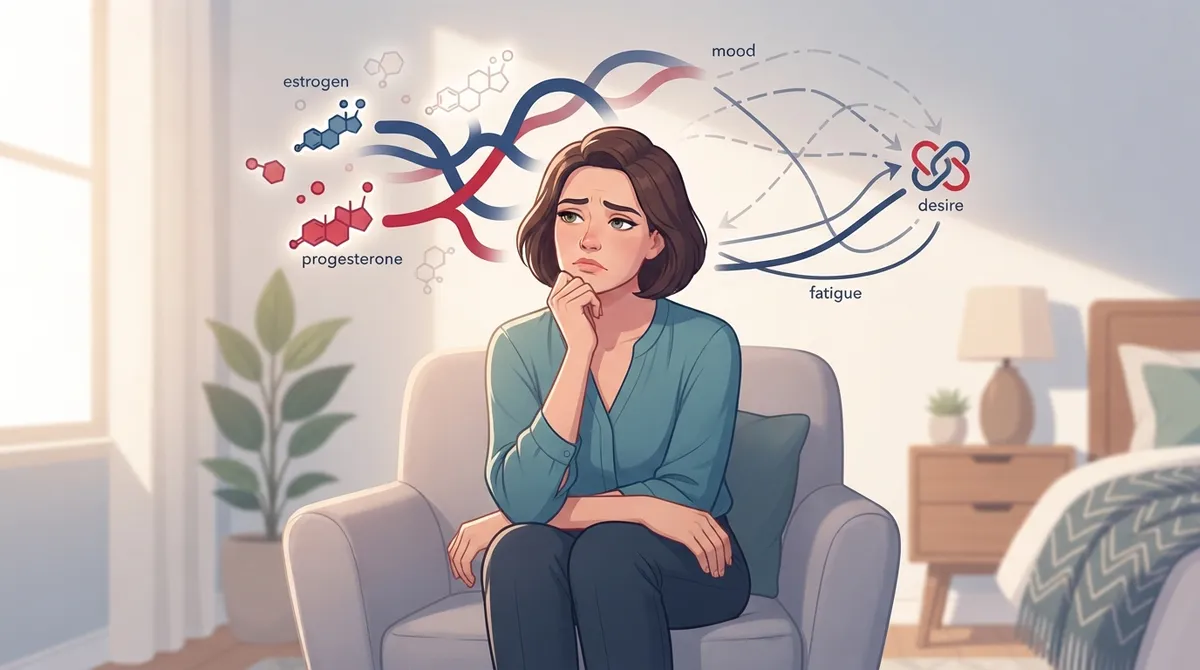
Several hormones and endocrine conditions may influence desire. Here is what the evidence supports.
Estrogen and Menopause
Estrogen levels fall around menopause. That drop can cause vaginal dryness, thinning of vaginal tissue, and pain during sex. Doctors call this cluster of symptoms genitourinary syndrome of menopause (GSM).
These symptoms may lower desire indirectly. When sex hurts, wanting it becomes harder. Treating the dryness and pain can improve comfort and often improves the whole experience.
It is important to be precise here. The Menopause Society's 2022 hormone therapy position statement notes that systemic hormone therapy generally does not improve sexual interest, arousal, or orgasm on its own, apart from its effect on GSM symptoms. In other words, estrogen helps when dryness and pain are the problem. It is not a guaranteed fix for low desire.
Testosterone
Women produce testosterone too, though in much smaller amounts than men. It is often discussed in connection with libido. Still, there is no single testosterone blood level that diagnoses low desire in women. A test result alone cannot establish the cause.
For that reason, testing is chosen based on your clinical picture, not ordered automatically. If you are curious about how hormone testing and treatment are handled in men and women under medical supervision, our guide on who provides medically supervised TRT in Tampa Bay explains why oversight matters.
Thyroid Disorders
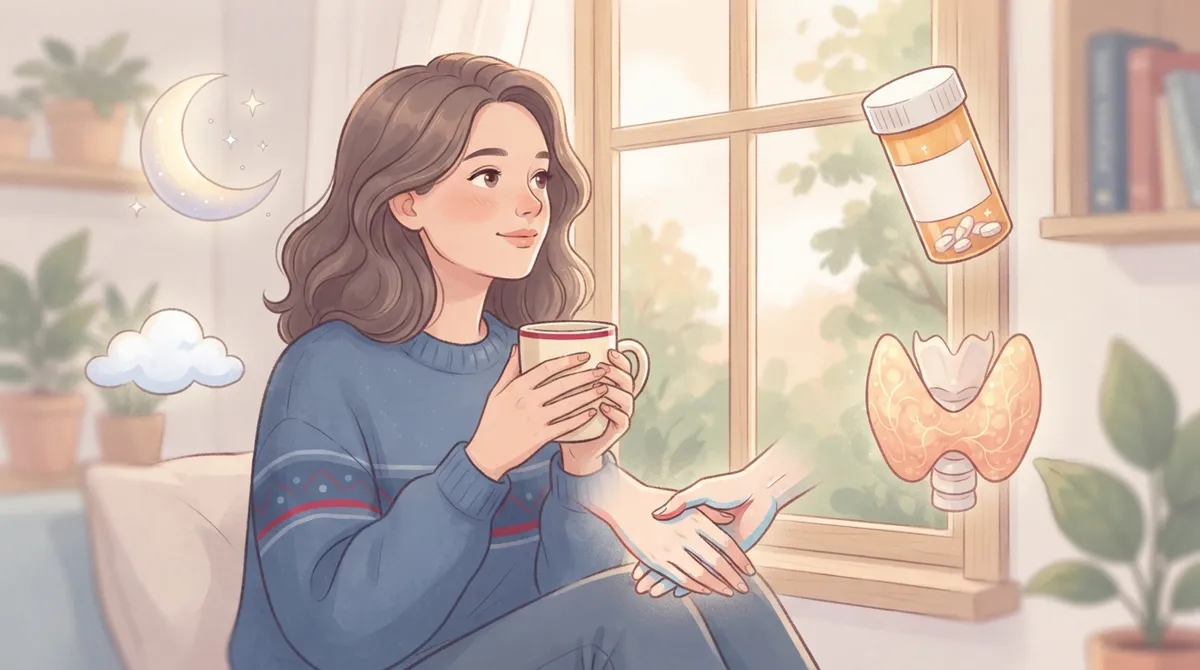
The thyroid controls metabolism, energy, and mood. An underactive or overactive thyroid may reduce sexual desire. Fatigue, weight changes, and mood shifts often come along with it. A simple blood test can check thyroid function, so this is a common early step.
Elevated Prolactin and Other Endocrine Conditions
Prolactin is a hormone involved in milk production. When levels run high, it can suppress other reproductive hormones and lower desire. Other endocrine conditions may also play a part. A clinician should assess your symptoms and history rather than assume a hormone problem from low libido alone.
Postpartum and Breastfeeding Changes
Hormone levels shift sharply after childbirth and during breastfeeding. Sleep loss and the demands of caring for a baby add to the effect. Many new mothers notice lower desire for months. This is common and often improves with time, rest, and support.
Hormone-Related Causes at a Glance
|
Possible Factor |
How It May Affect Desire |
Typical First Step |
|---|---|---|
|
Menopause (low estrogen) |
Dryness and painful sex reduce desire indirectly |
Symptom review; treat GSM if present |
|
Thyroid disorder |
Fatigue, mood changes, slowed metabolism |
Thyroid blood testing |
|
High prolactin |
Suppresses reproductive hormones |
Targeted lab testing |
|
Postpartum or breastfeeding |
Hormone shifts plus sleep loss |
Time, support, and clinical check-in |
|
Medication effects |
Some medicines lower desire |
Full medication review |
Non-Hormonal Factors That Often Matter More Than You Think
Hormones rarely act alone. Many other factors can lower desire, and they are easy to overlook.
- Medicines: Birth control, antidepressants, and other prescription or over-the-counter products can reduce libido in some women.
- Sleep problems: Poor sleep drains energy and mood. If this sounds familiar, read how to know when to see a doctor for poor sleep.
- Stress and mood: Anxiety and depression are strongly linked with lower desire.
- Chronic illness: Diabetes, heart disease, and pain conditions can all affect intimacy.
- Relationship factors: Communication, trust, and emotional closeness shape desire in real ways.
- Body image and weight: How you feel in your body can influence how you feel about intimacy.
This is why a hormone test alone seldom solves the problem. A full evaluation looks at the whole person. For a broader look at causes beyond hormones, see our article on whether low sex drive is a medical issue.
What a Primary Care Evaluation Looks Like
A good primary care visit for low libido is calm, private, and thorough. You should never feel rushed or judged. Here is what typically happens.
- Timeline: Your clinician asks when the change began and whether it came on suddenly or slowly.
- Distress level: They ask whether the change bothers you. Distress guides whether treatment is needed.
- Life stage: Menopause status, pregnancy, and postpartum timing are reviewed.
- Physical symptoms: Pain, dryness, and other discomfort during sex are discussed.
- Mood and relationships: Stress, anxiety, depression, and relationship health are explored.
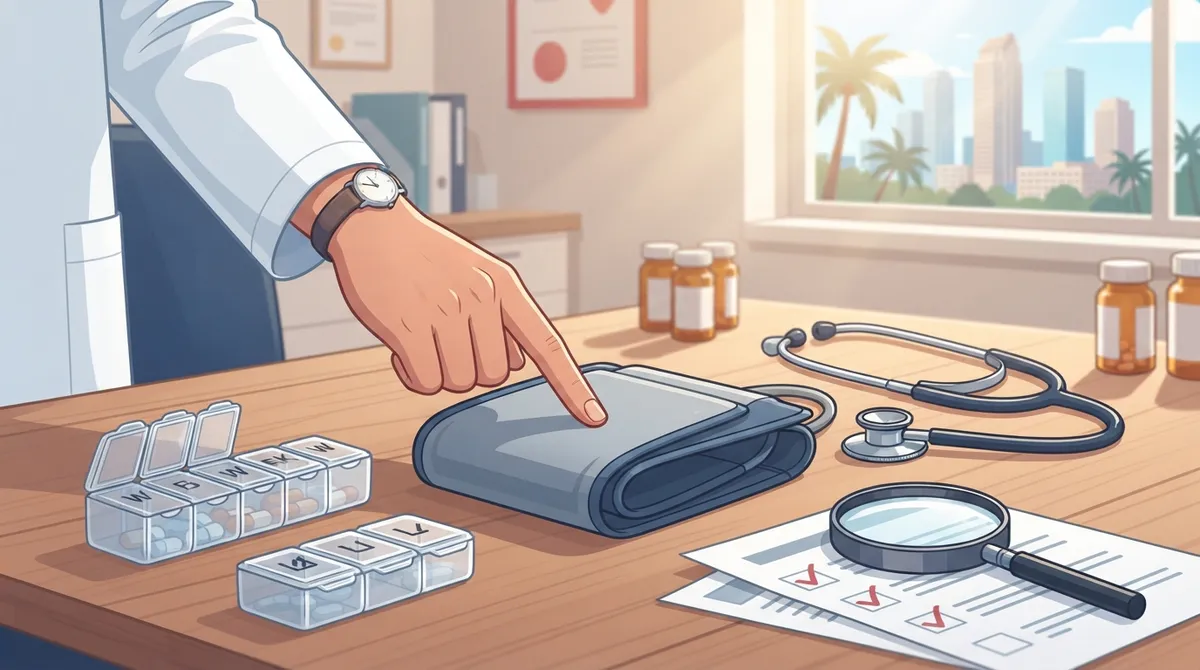
- Medicines and health history: Every prescription, supplement, and over-the-counter product is reviewed, along with chronic conditions.
- Exam and targeted labs: When appropriate, an exam and specific blood tests are ordered.
Tests are chosen to fit your situation. They are not a standard checklist for everyone. If you are unsure when to book, our guide on when to see a doctor for low libido lists the key signs.
Treatment Options: What Works and What Does Not
Treatment depends entirely on the cause. There is no single fix.
Low-Dose Vaginal Estrogen for GSM
When dryness or painful sex is the issue, low-dose vaginal estrogen is a preferred hormonal option. It treats the underlying vaginal symptoms directly. It does not treat low desire that comes from unrelated causes. Decisions should be individualized with your clinician.
Testosterone Therapy: A Careful, Limited Role
For some postmenopausal women with distressing low desire, a short, carefully monitored trial of transdermal testosterone may be considered after counseling. ACOG Practice Bulletin 213 (2019) describes a 3 to 6 month trial, with discontinuation by 6 months if there is no response. Testosterone levels are monitored at baseline, 3 to 6 weeks after starting, and every 6 months if treatment continues.
Some important cautions apply:
- Testosterone is not FDA-approved for this use in the United States.
- Long-term safety is uncertain.
- Testosterone pellets and unregulated compounded products raise additional concerns.
For these reasons, any testosterone use in women should be supervised by a qualified clinician who monitors you closely.
Treating Underlying Conditions
If a thyroid problem, high prolactin, or another medical issue is found, treating it can improve energy, mood, and desire. Adjusting a medicine that lowers libido may also help. Some women benefit from better sleep, stress management, counseling, or sex therapy alongside medical care.
Lifestyle and Whole-Body Support
Healthy weight, regular movement, good sleep, and balanced nutrition all support sexual well-being. For women working on weight, primary care guidance can fit into a larger wellness plan. You can also explore how a primary care doctor aids weight loss in practical ways.
Why a Primary Care Clinic Is a Smart Starting Point
Many women are unsure who to see first. A primary care clinician is often the best place to begin. They look at your whole health, not just one symptom. They can review medicines, order labs, rule out medical causes, and refer you to a specialist if needed.
This approach is especially helpful for women who do not have an established primary care relationship and want care beyond reproductive health. At InCare, our team in Tampa and Riverview combines medical expertise with advanced technology to deliver personalized, prevention-focused care. We take time to listen, review your full history, and build a plan that fits your goals. If you are comparing options, see how to choose the best primary care doctor in Tampa.
Patients often tell us they appreciate the friendly staff and unhurried visits. You can see what others say by reading InCare reviews on Google. You can also follow our updates on Instagram, Facebook, and TikTok.
Practical Tips Before Your Appointment
A little preparation makes your visit more productive. Consider these steps:
- Write down when you first noticed the change in desire.
- List every medicine and supplement you take, including doses.
- Note any pain, dryness, or discomfort during sex.
- Track your sleep, stress, and mood for a week or two.
- Jot down questions so you do not forget them in the moment.
Be honest and specific. Clinicians hear these concerns every day. Sharing details helps them find the true cause faster.
The Bottom Line
So, can women have low libido from hormone imbalance? Yes, but it is rarely the whole story. Estrogen loss at menopause, thyroid disorders, and high prolactin can all play a role. Yet medicines, sleep, stress, mood, chronic illness, and relationships often matter just as much.
The best path is a careful evaluation, not a guess. No single test diagnoses the cause, and no single hormone treatment works for everyone. Vaginal estrogen can relieve dryness and pain. Short-term, monitored testosterone may help a select group of postmenopausal women. Treating the root cause is what leads to lasting improvement.
If low desire is affecting your quality of life, you do not have to figure it out alone. Book your visit with InCare to start a private, judgment-free conversation with a clinician who will look at your whole health. You can also contact our team with questions before you schedule.
FAQs
Q: Can low estrogen cause low libido in women?
A: Yes, indirectly. Lower estrogen around menopause can cause vaginal dryness and pain with sex, which may reduce desire. Treating these symptoms with low-dose vaginal estrogen can improve comfort, though estrogen therapy does not reliably raise desire on its own.
Q: What tests do doctors use to investigate low libido in women?
A: Doctors begin with a detailed history covering symptoms, medicines, mood, sleep, and life stage. They may order targeted labs, such as thyroid or prolactin tests, based on your situation. No single hormone test diagnoses low desire, and a testosterone result alone cannot explain the cause.
Q: Can testosterone therapy help low libido in postmenopausal women, and is it safe?
A: For selected postmenopausal women with distressing low desire, a short, monitored trial of transdermal testosterone may be considered after counseling. It is not FDA-approved for this use in the United States, and long-term safety is uncertain. It should only be used under close clinical supervision.
Q: Can birth control, antidepressants, or other medicines reduce libido?
A: Yes. Some prescription and over-the-counter medicines can lower sexual desire in certain women. Never stop a medicine on your own; ask your clinician to review your list and discuss safer options.
Q: When should I see a primary care clinician about low sexual desire?
A: Schedule a visit if the change is lasting, causes you distress, or comes with pain, mood changes, fatigue, or other new symptoms. A primary care clinician can review your full health picture and order appropriate testing.