
Key Takeaways
- Dual agonist weight loss in Tampa usually refers to tirzepatide, a prescription once-weekly injection that activates both GIP and GLP-1 receptors, and it requires medical screening and follow-up.
- Zepbound is approved for chronic weight management while Mounjaro is approved for type 2 diabetes; both contain tirzepatide, so check the brand and diagnosis when dealing with insurance.
- Dosing starts at 2.5 mg weekly for 4 weeks as initiation only, then increases in 2.5 mg steps at least 4 weeks apart, with a maximum of 15 mg weekly.
- Most side effects are digestive (nausea, diarrhea, vomiting, constipation) and tend to occur during dose increases, but pancreatitis, gallbladder disease, and kidney injury require prompt medical care.
If you have searched for dual agonist weight loss in Tampa, you are likely weighing a medical option that has changed how clinicians treat obesity. The term usually points to tirzepatide, a once-weekly injection that works on two hormone pathways at once. It is not a quick fix or a trend. It is a prescription medicine that requires screening, careful dosing, and follow-up.
The need is real. In 2024, 35.8% of Florida adults were classified as overweight, according to Florida BRFSS data from the Florida Department of Health. That figure measures overweight, not obesity, but it shows how many neighbors may benefit from medical guidance.
Below are ten facts to help you decide whether this therapy fits your health goals. You will learn how it works, who may qualify, what side effects to expect, and how to choose a trustworthy provider in the Tampa Bay area. At InCare, we believe the best results come from medicine, data, and ongoing support working together.

1. What "Dual Agonist" Actually Means
A dual agonist is a medicine that activates two receptors at the same time. In weight management, the term most often refers to tirzepatide. It activates both the GIP (glucose-dependent insulinotropic polypeptide) receptor and the GLP-1 (glucagon-like peptide-1) receptor.
Both hormones help regulate appetite, blood sugar, and how the body handles food. Activating both pathways may reduce hunger and improve fullness after meals. For a deeper look at the biology, read our guide on how tirzepatide works inside your body.
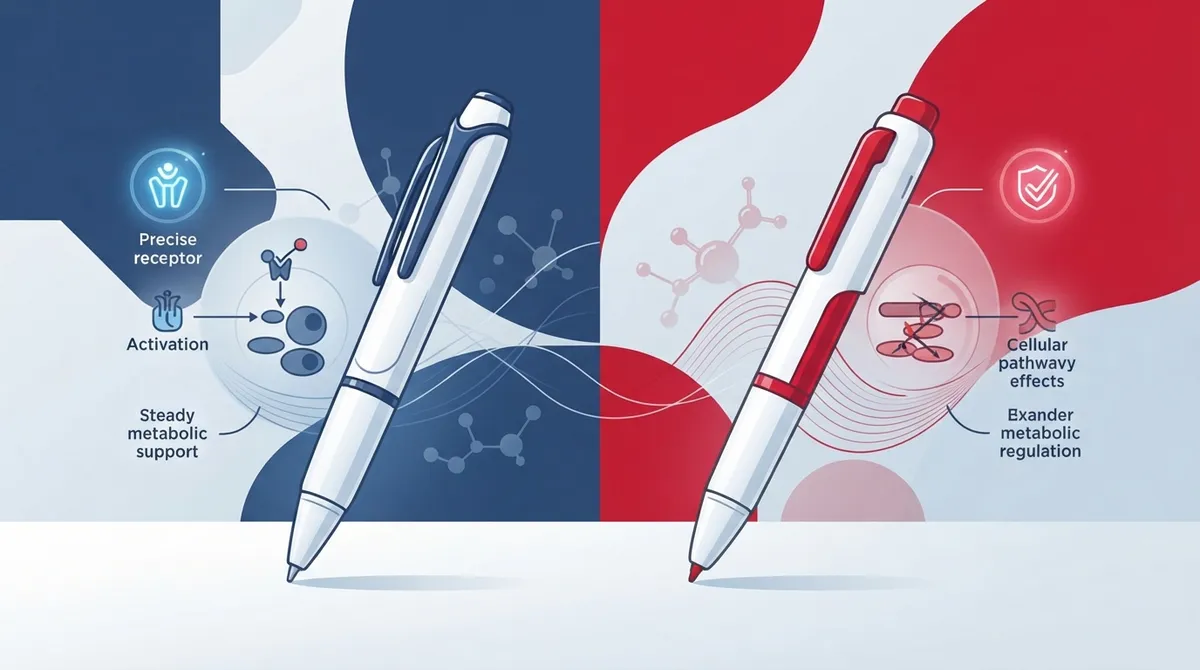
2. Zepbound and Mounjaro Are Not the Same Label
Tirzepatide is sold under two brand names. Zepbound is approved for chronic weight management. Mounjaro is approved for type 2 diabetes. The active ingredient is the same, but the approved use is different.
This matters when you talk with a provider or check insurance. Coverage and prescribing rules depend on the brand and the diagnosis. Our article explaining whether Zepbound is the same as Mounjaro covers the details.
3. Who May Qualify for Treatment
The FDA label for Zepbound describes use alongside a reduced-calorie eating plan and increased physical activity. It is intended for:
- Adults with obesity
- Adults who are overweight and have at least one weight-related condition
Eligibility is a clinical decision. A single BMI number does not tell the full story. A primary care provider should review your medical history, current medicines, family history, and goals before recommending treatment.
4. Dosing Starts Low and Moves Slowly
Tirzepatide is given as a once-weekly injection under the skin. The FDA label outlines a gradual schedule. The table below summarizes the labeled approach. Your clinician sets your actual plan.
|
Phase |
Dose |
Purpose |
|---|---|---|
|
Weeks 1-4 |
2.5 mg weekly |
Treatment initiation only, not maintenance |
|
After week 4 |
Increase in 2.5 mg steps, at least 4 weeks apart |
Adjust as tolerated |
|
Maintenance |
5 mg, 10 mg, or 15 mg weekly |
Ongoing weight management |
|
Maximum |
15 mg weekly |
Upper limit per label |
Slow titration helps the body adjust and may lower the risk of stomach side effects. Never change your dose on your own. To plan your first months, see our tirzepatide weight loss timeline by week.
5. Common Side Effects Are Mostly Digestive
The most frequent side effects involve the stomach and bowels. They tend to appear during dose increases. Common examples include:
- Nausea
- Diarrhea
- Vomiting
- Constipation
- Abdominal discomfort
Most people can manage these with eating smaller meals, staying hydrated, and adjusting the dose with their clinician. Call your provider if symptoms are severe or do not improve. Our guide on tirzepatide vomiting and relief tips offers practical steps.
6. Serious Risks Deserve Real Attention
The label also lists more serious warnings. These include severe gastrointestinal reactions, acute kidney injury linked to dehydration, gallbladder disease, and pancreatitis. Warning signs such as intense stomach pain, persistent vomiting, or signs of dehydration need prompt medical care.
There is also a boxed warning about thyroid C-cell tumors seen in rats. The relevance to humans is unknown. Because of this, tirzepatide is not for people with a personal or family history of medullary thyroid carcinoma or multiple endocrine neoplasia syndrome type 2. It is also contraindicated for anyone with a serious allergy to tirzepatide. Learn more in our article on the tirzepatide thyroid cancer warning.
7. Pregnancy and Medication Review Matter
The FDA label advises against use during pregnancy for weight reduction. If you are pregnant, planning pregnancy, or breastfeeding, tell your provider before starting. Also share every prescription, supplement, and over-the-counter product you take. A full medication review helps prevent interactions and unexpected effects.
8. Medicine Works Best With Lifestyle Support
Tirzepatide is labeled as an add-on to nutrition and activity changes, not a replacement. People who do best usually pair treatment with:
- A realistic, balanced eating plan
- Regular movement that fits their schedule
- Protein and strength-focused habits to protect muscle
- Regular check-ins to track progress and side effects
This is where primary care adds value. A doctor who knows your full health picture can connect weight goals with blood pressure, blood sugar, sleep, and heart health. Our article on how a primary care doctor aids weight loss explains this in more detail.
9. Cost and Coverage Need Direct Confirmation
Insurance coverage for weight-loss medication varies by plan, employer, and diagnosis. Prices can also change. The best approach is to ask your insurer directly and request a written breakdown from any clinic. Ask about the medication itself, visit fees, lab work, and follow-up costs.
Planning ahead prevents surprises. See our guide to budgeting for tirzepatide costs and our overview of tirzepatide insurance coverage in Florida.
10. How to Choose a Tampa Provider Wisely
Not every clinic offers the same level of care, and a marketing page is not proof of quality. Before you commit, ask these questions:
- Who prescribes and monitors my treatment, and what are their credentials?
- Is the product the exact FDA-approved medication, and where is it dispensed from?
- What labs and screenings happen before I start?
- How often will I be seen during dose increases?
- What is the total cost, and what does insurance cover?
- What is the plan if I stop the medication?
Be cautious of any program that skips a medical history or promises guaranteed results. Our guide to mistakes to avoid at a weight loss center can help you spot red flags.
How InCare Approaches Weight Loss in Tampa and Riverview
InCare is a personalized primary care and wellness clinic with locations in Tampa and Riverview. Our team combines medical expertise with advanced technology, including body composition analysis and metabolic breath analysis, to build a plan around your body rather than a generic template. Because weight, metabolism, and chronic conditions are connected, care under one roof makes follow-up simpler.
Patients are often surprised by how much a thorough starting assessment changes the plan. If you want to understand the broader process, read about how medically supervised weight loss works. You can also explore why medical weight loss clinics often work better.
You can follow our updates on Instagram, Facebook, and TikTok. To see what patients say about their visits, read InCare reviews on Google.
Final Thoughts: Start With a Conversation, Not a Prescription
Dual agonist therapy can be a powerful tool for the right person. It also carries real risks, costs, and responsibilities. The safest path begins with a full medical review, honest goals, and a provider who will stay with you through each dose change.
If you are ready to explore whether medically supervised weight loss fits your life, book your visit with InCare today. Prefer to ask a question first? Contact our team and we will help you take the next step.
FAQs
Q: What is a dual agonist weight loss medication?
A: A dual agonist medication activates two hormone receptors at once. In weight management, this usually means tirzepatide, which targets the GIP and GLP-1 receptors to help regulate appetite and blood sugar. It is a prescription medicine used with a reduced-calorie eating plan and increased physical activity.
Q: Is tirzepatide FDA-approved for weight loss?
A: Yes. Tirzepatide sold as Zepbound is FDA-approved for chronic weight management in eligible adults. Mounjaro contains the same ingredient but is approved for type 2 diabetes, so the brand and the approved use are not interchangeable.
Q: What are the most common side effects of tirzepatide?
A: The most common side effects are digestive, including nausea, diarrhea, vomiting, constipation, and abdominal discomfort. They are most likely during dose increases. Serious warnings include pancreatitis, gallbladder disease, and kidney injury linked to dehydration, so report severe symptoms to your provider right away.
Q: How do I find a safe tirzepatide weight loss program in Tampa?
A: Look for a licensed clinician who reviews your full medical history, orders appropriate labs, and schedules regular follow-up during dose changes. Confirm the exact FDA-approved product, its dispensing source, and the total cost before you begin. Avoid programs that promise guaranteed results.
Q: Does insurance cover Zepbound for weight loss in Florida?
A: Coverage depends on your specific plan, employer, and diagnosis, so it varies widely. Contact your insurer directly and ask for details in writing. A clinic can also help you understand likely out-of-pocket costs before treatment starts.