Key Takeaways
- Ask whether cannabis is appropriate for your specific diagnosis and what evidence supports it, since the FDA has not approved cannabis itself to treat any disease or condition.
- Ask about alternatives first: conventional, lifestyle, or medication options with stronger evidence, and what happens if you choose not to use cannabis.
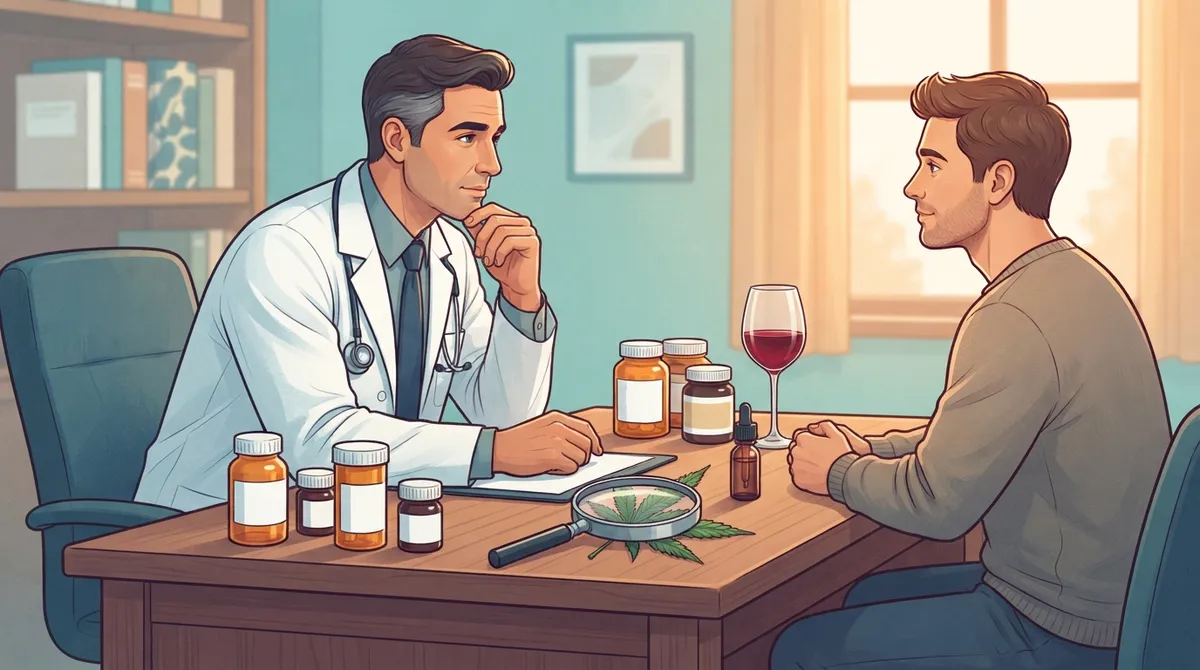
- Bring a complete medication list, including supplements and alcohol, and ask how cannabis, especially CBD, could interact with your current treatments.
- Get specifics on product type, THC and CBD levels, starting dose, and how to adjust it, rather than accepting vague advice like 'just try it.'
- Don't assume legal access means safety: no federal quality standards govern state-dispensary cannabis products, so ask how to read labels and lab reports.
- Confirm local eligibility, registration steps, possession and driving rules, and any pregnancy, age, or workplace considerations before you leave the visit.
A medical cannabis visit can feel unfamiliar. Many patients walk in unsure what to say, what to ask, or what to expect. That uncertainty leads to missed details, weak treatment plans, and avoidable risks. Knowing what questions to ask a medical cannabis doctor turns a rushed appointment into a clear, safe, and useful conversation.
This matters even more in 2026. The FDA states that it has not approved cannabis itself to treat any disease or condition. Products sold through state programs are not part of the prescription-drug approval system. That means your doctor's guidance carries real weight.
Whether you are a busy parent, a tech-savvy professional, or someone who wants proactive, whole-body care, the right questions protect your health. This guide walks through nine common mistakes patients make and the exact questions that prevent them. If you are still preparing for your visit, start with our guide on what to bring to a medical cannabis visit.

Why the Right Questions Matter in a Cannabis Visit
A medical cannabis appointment should be a shared, individualized discussion. It is not a quick approval. Your doctor should weigh your diagnosis, your goals, your medicines, and your risks before recommending anything.
The best visits happen inside a primary care relationship. A clinician who knows your full health history can spot interactions and gaps that a stand-alone visit may miss. That is one reason many patients prefer to start with a trusted primary care doctor in Tampa.
Here is what a strong cannabis consultation should cover:
- Whether cannabis fits your specific condition and goals
- What evidence supports it, and what alternatives exist
- Which product, strength, and dose are appropriate
- How you will be monitored and when you will follow up
- What the local rules require of you
Mistake 1: Not Asking Whether Cannabis Fits Your Condition
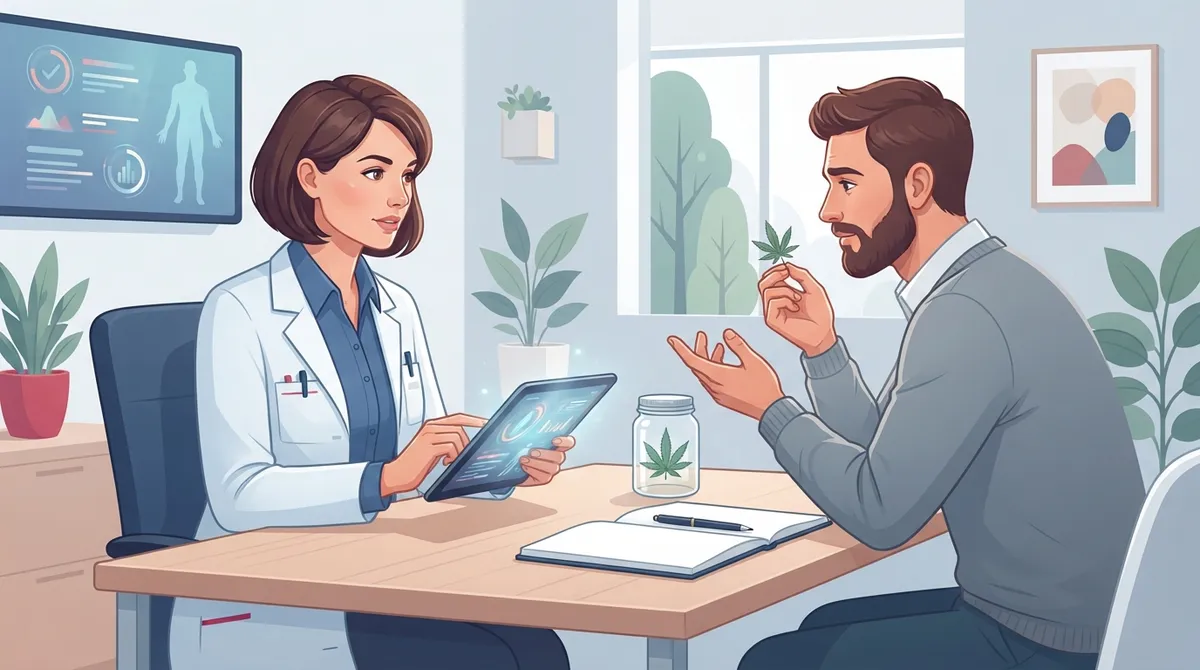
Many patients assume cannabis is right for them before the doctor says a word. That is a mistake. Evidence and approved uses vary widely by condition and by product.
The FDA has approved one cannabis-derived drug, Epidiolex. It treats seizures tied to Lennox-Gastaut syndrome, Dravet syndrome, and tuberous sclerosis complex. The agency has also approved three cannabis-related prescription drugs: Marinol, Syndros, and Cesamet. Outside of these, evidence can be limited.
Questions to ask
- Is medical cannabis appropriate for my specific diagnosis and goals?
- What evidence supports its use for my condition?
- What realistic benefits should I expect?
- How will we measure whether it is helping?
A good doctor answers honestly, even when the evidence is modest. Be cautious of any clinic that promises guaranteed results.
Mistake 2: Skipping the Alternatives Conversation
Cannabis should not be the only option on the table. Your doctor should explain conventional and non-cannabis treatments too. Comparing options helps you decide with confidence.
Questions to ask
- What conventional treatments could I try first or alongside cannabis?
- Are there lifestyle, therapy, or medication options with stronger evidence?
- What happens if I choose not to use cannabis?
This is where a whole-body approach shines. A clinic that offers primary care, weight management, sleep support, and chronic disease care can treat the root cause, not just the symptom. For example, if poor rest is driving your request, you may benefit from learning when to see a doctor for poor sleep.
Mistake 3: Forgetting to Share Your Full Medication List
This is one of the most dangerous oversights. Cannabis, especially CBD, can change how some medicines work. Interactions may increase side effects or reduce how well a treatment works.
Bring a complete list. Include prescriptions, over-the-counter medicines, supplements, alcohol, and any other substances. Do not leave anything out because it seems minor.
Questions to ask
- Could cannabis interact with my prescriptions, over-the-counter medicines, or supplements?
- Do any of my current medicines need closer monitoring?
- Should I adjust the timing of my other medicines?
Strong medication oversight also supports your overall care plan. Our article on prescription management tips for better health explains how to keep everything organized.
Mistake 4: Ignoring Side Effects and Warning Signs
Every treatment carries tradeoffs. Cannabis can cause impairment, anxiety, or sedation. Smoking adds its own risks. These risks differ by product, dose, route, and patient.
The CDC also notes that using alcohol and cannabis together is likely to cause greater impairment than using either alone. That matters for driving, work, and daily safety.
Questions to ask
- What are the most common side effects I might notice?
- Which warning signs mean I should stop and call you?
- Do my personal risk factors raise any concerns?
- Is there a safer route of use for me than smoking?
Mistake 5: Leaving Without a Clear Product and Dose Plan
Vague advice like "just try it" is a red flag. You need specifics. The FDA says unreviewed cannabis and CBD products have not been evaluated through its drug-approval process for effectiveness, appropriate dosage, interactions, or safety.
Because of that gap, your clinician may recommend starting low and adjusting slowly. This cautious approach reduces the chance of unwanted effects.
Questions to ask
- Which exact product type do you recommend?
- What THC and CBD content is right for me?
- Which route of use makes the most sense?
- What dose should I start with, and how should I adjust it?
The table below shows what a complete product discussion should include.
|
Topic |
What to Confirm |
Why It Matters |
|---|---|---|
|
Product type |
Form and delivery method |
Affects onset time and risk |
|
THC and CBD levels |
Exact ratio and strength |
Changes effects and side effects |
|
Starting dose |
A cautious, specific amount |
Reduces the chance of overuse |
|
Adjustment plan |
How and when to change dose |
Prevents guesswork at home |
|
Labeling and quality |
How to read and assess labels |
No federal quality standards exist |
Mistake 6: Trusting Legal Access as Proof of Safety
Legal access does not mean a product is FDA-approved or proven effective. The CDC reports that no federal standards have been implemented for the quality and safety of cannabis products sold through state medical-cannabis dispensaries.
Questions to ask
- Is this product FDA-approved, or is it a state-regulated product?
- How can I judge product quality and labeling?
- What should I look for on a lab report or label?
When you pick a clinic, look for professionalism and clear standards. Our guide to the signs of a reputable medical marijuana clinic in Tampa can help you compare your options.
Mistake 7: Overlooking Special Circumstances
Your age, history, and daily activities all change the risk picture. Do not assume the standard advice applies to you. Speak up about your situation.
Questions to ask
- Should cannabis be avoided or used with extra precautions if I am pregnant or breastfeeding?
- Does my age change the safety picture?
- How does a history of substance-use or mental-health concerns affect this plan?
- What should I know about driving or safety-sensitive work?
Busy parents and working professionals should pay close attention here. Workplace rules and driving laws can affect your job and your family.
Mistake 8: Skipping the Monitoring and Follow-Up Plan
A cannabis recommendation is not a one-time event. Monitoring matters most during dose changes and when other medicines or health conditions change. Without follow-up, small problems can grow.
Questions to ask
- What outcomes should I track between visits?
- When will we reassess how this is working?
- How do I report an adverse effect?
- When should I stop or change treatment?
- How will you coordinate with the rest of my care team?
Coordination is where an integrated clinic stands out. When one team handles your primary care, labs, and wellness plan, nothing falls through the cracks. See how better coordination of care improves outcomes.
Mistake 9: Not Confirming Legal Rules and Doctor Qualifications
Medical cannabis laws and procedures vary by location. In Florida, you need to confirm eligibility, certification steps, purchase rules, and workplace limits. Do not assume anything.
Questions to ask
- Am I eligible under current local rules?
- What are your qualifications and certifications?
- What registration or certification steps do I need to complete?
- What are the possession, purchase, and driving restrictions?
- What does renewal involve?
If you live in the Tampa Bay area, learn how to get Florida medical marijuana certification in Tampa before your visit so you arrive prepared.
Your Quick Question Checklist
Print or save this list before your appointment. Each question ties back to one of the mistakes above.
- Is cannabis appropriate for my diagnosis, and what is the evidence?
- What alternatives should I consider?
- Will it interact with my medicines or supplements?
- What side effects and warning signs should I know?
- Which product, THC and CBD strength, and dose do you recommend?
- Is the product FDA-approved, and how do I judge quality?
- Does my age, pregnancy status, or history change the plan?
- How will we monitor progress and follow up?
- What are the local legal and driving rules?
Where InCare Fits In
InCare is a personalized healthcare clinic that combines modern technology with medical expertise. With locations in Tampa and Riverview, the care team looks at your whole health, from primary care and urgent care to weight loss, DNA gene testing, and IV hydration. That broader view helps when you are weighing cannabis alongside your other treatments. You can see what our InCare patients say on Google to learn more about the patient experience, and you can follow our updates on Instagram, Facebook, and TikTok.
Conclusion: Walk In Prepared, Walk Out Confident
The questions you ask shape the care you receive. Avoiding these nine mistakes helps you get a safer plan, clearer expectations, and better follow-up. Remember that cannabis is not FDA-approved to treat disease, product quality varies, and your doctor should guide every step.
Ready to talk through your options with a team that looks at your whole health? Book your appointment with InCare today, or contact our team with questions. We will help you build a plan that fits your goals and keeps you safe.
FAQs
Q: What are the most important questions to ask a medical cannabis doctor?
A: Start by asking whether cannabis suits your diagnosis, what evidence supports it, and what alternatives exist. Then ask about drug interactions, the exact product and dose, side effects, and the follow-up plan. Finally, confirm the local legal rules that apply to you.
Q: Is medical cannabis FDA-approved?
A: The FDA has not approved cannabis itself to treat any disease or condition. It has approved one cannabis-derived drug, Epidiolex, and three cannabis-related prescription drugs: Marinol, Syndros, and Cesamet. Products sold through state medical programs have not gone through the FDA drug-approval process.
Q: Can cannabis interact with my other medicines?
A: Yes. Cannabis, especially CBD, can change how some medicines work, which may increase side effects or reduce effectiveness. Bring a complete list of prescriptions, over-the-counter products, supplements, and alcohol use so your doctor can review possible interactions.
Q: How often should I follow up with my cannabis doctor?
A: Follow-up timing depends on your condition, product, and dose changes. Monitoring is especially important when you adjust your dose or when your other medicines or health conditions change. Agree on a schedule and on what to track before you leave the first visit.