Key Takeaways
- There is no established, evidence-based protocol for stacking GLP-1 medicines like semaglutide or tirzepatide with other peptides, so "stack" is a marketing term, not a proven treatment.
- The FDA states compounded drugs are not FDA-approved and are not reviewed for safety, effectiveness, or quality before marketing, and it has reported dosing errors with compounded injectable semaglutide, some requiring hospitalization.
- Disclose every prescription, supplement, and peptide you use to your clinician, and ask for a monitoring schedule and emergency plan before starting any GLP-1 therapy.
- Ask any Tampa clinic for the prescriber's credentials, the pharmacy source, whether the product is FDA-approved or compounded, and the full monthly cost in writing.
Search for a GLP-1 peptide stack in Tampa and you will find plenty of bold promises. Faster weight loss. Better energy. Easy results from a few injections. What you will not find is a clear medical definition, because "stacking" is a marketing phrase, not a standard treatment protocol.
That gap creates risk. Patients can end up combining an approved GLP-1 medicine with unapproved peptides, compounded products, or supplements without a clear plan. Nobody may be watching for side effects or drug interactions. Weight loss is a medical goal, and it deserves a medical process.
This guide covers 13 common mistakes Tampa-area patients make when exploring GLP-1 peptide stacks. It explains what the term can mean, what the FDA says about compounded products, and how to build a safer plan with a licensed clinician. If you are a busy parent, a wellness-minded professional, or someone new to primary care, these points will help you ask better questions before you start.

What Does "GLP-1 Peptide Stack" Actually Mean?
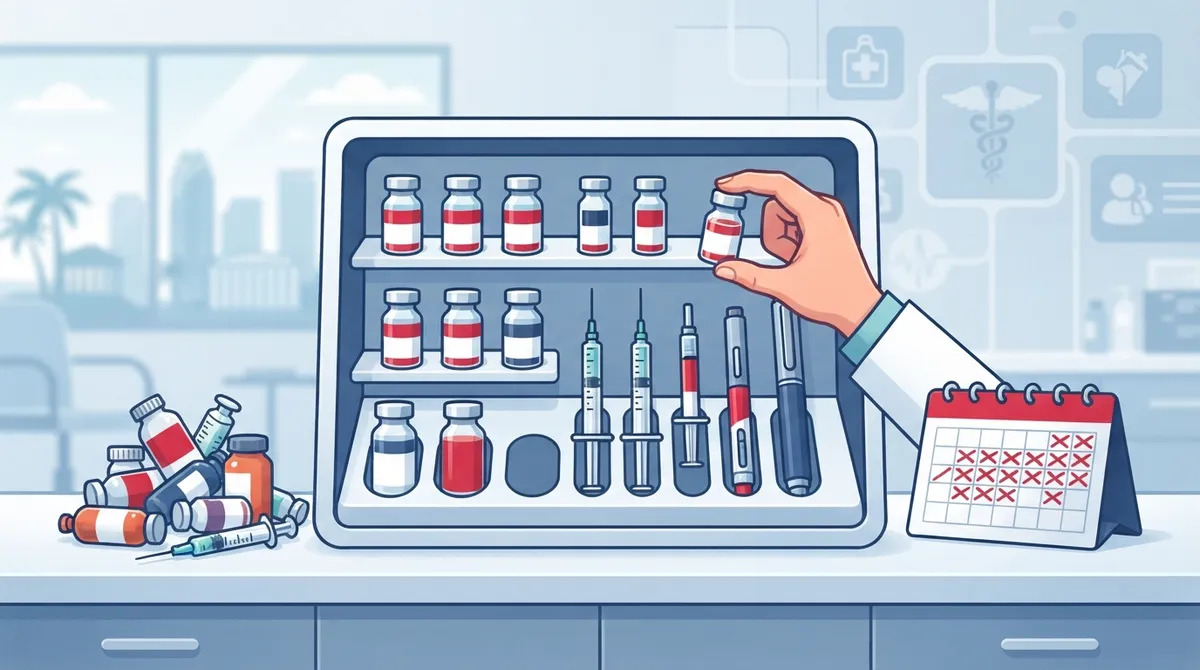
A GLP-1 peptide stack is not an official medical term. Clinics and online sellers use it in different ways. It may describe a GLP-1 medicine used alongside other medications or supplements. It may also mean combining several injectable peptides at once.
GLP-1 medicines include semaglutide and tirzepatide. FDA-approved versions carry specific indications and prescribing information. For a plain-language overview, see What Is GLP-1? How It Works and Who It Helps in 2026.
There is no established, evidence-based protocol for stacking GLP-1 medicines with other peptides to boost weight loss. That single fact should shape every decision you make.
13 Mistakes to Avoid With a GLP-1 Peptide Stack
1. Treating "Stack" as a Medical Term
Many patients assume a stack is a proven, tested combination. It is not. Ask any provider to explain exactly what is in the stack, why each item is included, and what evidence supports it. If the answer is vague, treat that as a warning sign.
2. Skipping a Full Medical Evaluation
Eligibility for GLP-1 therapy depends on your health history, current medicines, and risk factors. A licensed clinician should review these before prescribing anything. A quick online form is not a substitute for an exam.
A primary care visit is the right starting point. It can include labs, vitals, and a review of your full history. Learn more in 14 Ways a Primary Care Doctor Aids Weight Loss (2026).
3. Assuming Compounded Means Approved
The FDA states that compounded drugs are not FDA-approved. The agency does not review them for safety, effectiveness, or quality before they reach the market. A product that looks and sounds like an approved medicine may not be held to the same standards.
4. Ignoring Dosing Error Risks
The FDA has reported dosing errors with compounded injectable semaglutide. Some cases required medical attention, and some led to hospitalization. Units, concentrations, and syringe markings can confuse patients, especially when products arrive without clear instruction.
5. Overlooking Salt Forms
The FDA warns that salt forms, such as semaglutide sodium or semaglutide acetate, are not the same as the active ingredient in approved products. If a label lists a salt form, ask your pharmacist what it means for safety and quality.
6. Combining Products Without Disclosing Everything
Tell your clinician about every prescription, supplement, and peptide you use. Hidden products make it impossible to spot interactions. This includes items bought online or from friends.
For a closer look at this exact risk, read 7 Mistakes When You Combine Peptides With GLP-1 Drugs.
7. Adding Unapproved Peptides for Extra Results
Some stacks add peptides that have not completed rigorous human trials. Combining them with a GLP-1 medicine creates uncertain interactions and side effects. Without human data, no one can predict the outcome. For background on this category, see Which Named Peptides Are Available in Tampa Clinics?
8. Brushing Off Common Side Effects
GLP-1 medicines commonly cause nausea, vomiting, diarrhea, constipation, and abdominal discomfort. Mild symptoms often ease as the body adjusts. Persistent or severe symptoms need medical evaluation.
Dehydration is a particular concern when vomiting or diarrhea is substantial. Do not wait it out. Call your clinic if you cannot keep fluids down.
9. Skipping Follow-Up Visits
Good GLP-1 care includes monitoring. A clinician checks how well the medicine works, how well you tolerate it, and whether the dose needs to change. Without follow-up, small problems can grow. See How to Know When Weight Loss Medication Is Working for what to track.
10. Relying on Medication Alone
Medication works best alongside nutrition and activity support. A plan that leaves out food, movement, sleep, and protein intake is incomplete. Ask what lifestyle support comes with the prescription.
11. Not Planning for Life After the Medicine
Weight can return after stopping a GLP-1 drug. Talk about maintenance before you begin, not after. Why Does Weight Return After Stopping Tirzepatide? explains what to expect.
12. Judging a Clinic by Marketing Alone
Slick ads and low prices do not tell you about safety. Verify clinician credentials, the pharmacy source, and what happens if you have an emergency. Do not assume a clinic offers a given service just because a search result implies it. Confirm directly.
13. Ignoring Cost Transparency
Ask for the full monthly cost, including visits, labs, and any add-ons. Hidden fees are common with stacked products. A clear budget protects you from surprise bills. See How to Budget for Tirzepatide Costs in 2026.
FDA-Approved vs. Compounded GLP-1 Products
The table below summarizes the key differences patients should understand before choosing a product.
|
Factor |
FDA-Approved Product |
Compounded or Unapproved Product |
|---|---|---|
|
FDA review for safety and quality |
Yes, before marketing |
No pre-market review |
|
Prescribing information |
Standardized and published |
Varies by pharmacy |
|
Dosing consistency |
Fixed pens and labeled doses |
Reported dosing errors with injectables |
|
Active ingredient |
Specific approved form |
May use salt forms that differ |
|
Legal status |
Approved for stated uses |
Product- and patient-specific; check current FDA guidance |
The FDA reports that semaglutide injection shortages resolved in February 2025 and tirzepatide shortages resolved in December 2024. That change affects when compounding is allowed. Check current FDA guidance and speak with a pharmacist or clinician rather than assuming compounded copies are broadly permitted.
What the Safety Data Shows
As of May 31, 2026, FDA information reports 990 adverse-event reports associated with compounded semaglutide and more than 730 associated with compounded tirzepatide. These are reports, not confirmed rates of harm, and the FDA notes that reporting may be incomplete. Still, they underline why oversight matters.
The takeaway is simple. Quality control and clear dosing instructions are not minor details with injectable medicines. They are central to safety.
How to Build a Safer Plan in Tampa
A responsible approach is straightforward. Follow these steps in order.
- Book a primary care visit. Start with a full history, exam, and labs.
- Ask about FDA-approved options first. Discuss whether semaglutide or tirzepatide fits your health profile.
- Share every product you use. Include supplements, peptides, and over-the-counter items.
- Set a monitoring schedule. Agree on follow-up visits and warning signs that need a call.
- Add nutrition and activity support. Build habits that last beyond the medication.
- Review costs in writing. Know what you will pay each month.
If you are comparing medicines, 6 Facts on Tirzepatide vs Semaglutide Weight Loss offers a helpful side-by-side. Patients also benefit from reading about how medically supervised weight loss works.
Questions to Ask Any Tampa Clinic
- Who is the licensed prescriber, and what are their credentials?
- Is this product FDA-approved or compounded?
- Which pharmacy supplies it, and is it licensed?
- What happens if I have severe vomiting or an emergency after hours?
- How often will you monitor my progress and labs?
- What is the total monthly cost?
Clear answers signal a clinic that takes safety seriously. Evasive answers do not. You can also review 15 Questions to Ask a Peptide Therapy Clinic in Tampa before any appointment.
Why Primary Care Is the Right Foundation
Weight management touches blood sugar, blood pressure, sleep, mood, and medication safety. A primary care team sees the whole picture. That matters when a GLP-1 medicine could interact with other prescriptions or when a symptom needs fast attention.
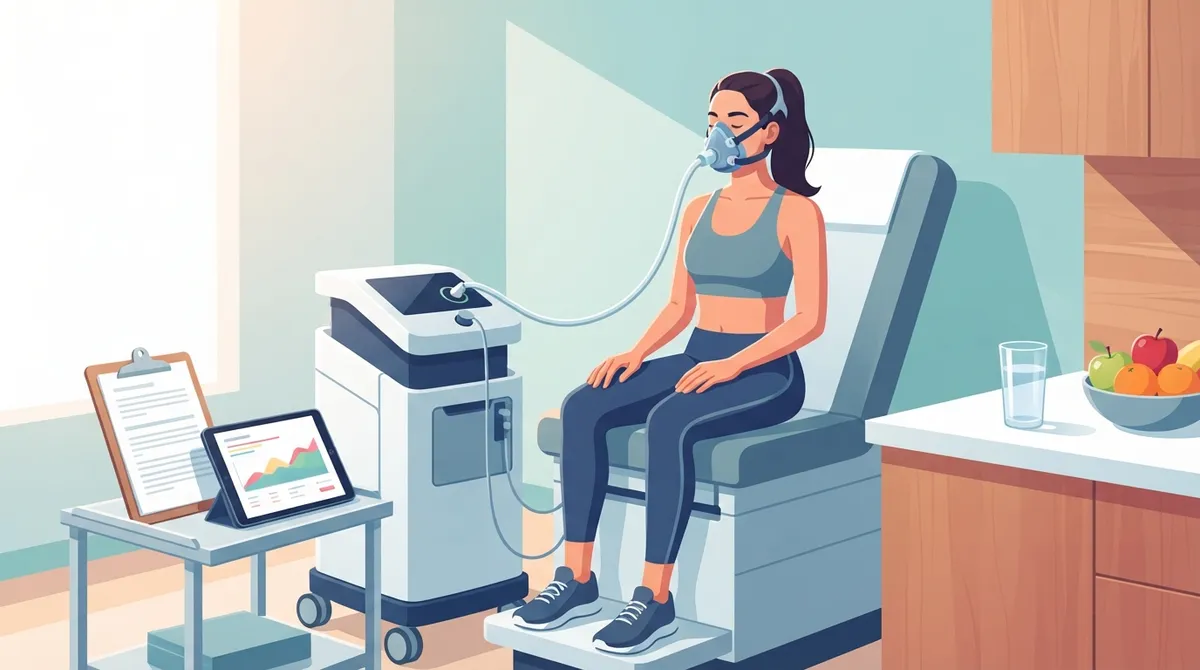
InCare combines primary care with advanced wellness tools, including metabolic breath analysis, body composition analysis, and in-house lab support. Patients across Tampa and Riverview use these services to build plans based on real data rather than guesswork. You can see what other patients say by reading InCare reviews on Google.
InCare also shares health education and clinic updates on Instagram and Facebook, and short wellness clips on TikTok.
Conclusion: Choose Evidence Over Hype
A GLP-1 peptide stack sounds powerful, but the label hides real uncertainty. Stacking has no standard protocol, compounded products carry documented risks, and combining unapproved peptides with GLP-1 medicines adds unknowns. The safest path starts with a licensed clinician, FDA-approved options when appropriate, careful monitoring, and lifestyle support.
If you want a personalized plan built around your health, not a trend, the InCare team is ready to help. Book Now to schedule a visit, or contact our team with questions before you decide.
FAQs
Q: What does "GLP-1 peptide stack" mean?
A: It is a marketing and search phrase, not a standardized medical treatment. It may refer to a GLP-1 medicine used with other medications or supplements, or to combining several injectable peptides. A licensed clinician should define exactly what any plan includes.
Q: Is it safe to combine semaglutide or tirzepatide with other peptides?
A: There is no established evidence-based protocol for stacking GLP-1 medicines with other peptides. Combining them, especially with unapproved products, can create uncertain interactions and side effects. Always disclose every medicine, supplement, and peptide to your clinician.
Q: Are compounded semaglutide or tirzepatide products FDA-approved?
A: No. The FDA states that compounded drugs are not FDA-approved and are not reviewed for safety, effectiveness, or quality before marketing. The FDA has also reported dosing errors with compounded injectable semaglutide, some requiring hospitalization.
Q: What side effects should I watch for with a GLP-1 medicine?
A: Common effects include nausea, vomiting, diarrhea, constipation, and abdominal discomfort. Persistent or severe symptoms warrant medical evaluation, and substantial vomiting or diarrhea can lead to dehydration. Contact your clinician promptly if you cannot keep fluids down.
Q: How can I evaluate a Tampa clinic offering GLP-1 weight management?
A: Verify the prescriber's credentials, the pharmacy source, and whether the product is FDA-approved or compounded. Ask about monitoring, emergency follow-up, lifestyle support, and total monthly cost. Confirm services directly rather than relying on advertising.