Key Takeaways
- Appetite suppression typically occurs within 1-2 weeks for GLP-1 medications, but visible weight loss takes longer—usually 4-8 weeks, with most significant changes happening in the first 3-6 months.
- The 12-week mark on full therapeutic dose is a critical checkpoint; if you haven't lost at least 5% of starting body weight by then, your provider will likely recommend dose adjustments or trying a different medication.
- Weight loss medication requires gradual dose titration over 8-16 weeks to minimize side effects and allow your body to safely adjust, so expecting rapid results in the first two weeks is unrealistic.
- Individual results vary significantly based on starting dose, medication adherence, diet quality, activity level, sleep, stress, and genetic factors—working with a provider to monitor these variables is essential.
- Track progress beyond the scale using body composition scans, waist circumference measurements, and metabolic markers rather than relying solely on daily weigh-ins for a more accurate picture of fat loss.
- Combining weight loss medication with nutrition guidance, regular physical activity, consistent follow-up appointments, and lifestyle adjustments produces better long-term outcomes than medication alone.
Starting a weight loss medication comes with a lot of hope and a lot of questions. The biggest one is usually: how long until I see results? If you have started semaglutide, tirzepatide, or another prescription option, you may be checking the scale daily and wondering if the numbers should be moving faster. Understanding the real timeline can help you set fair expectations and avoid giving up too soon.
Weight loss medication does not work overnight. It follows a gradual process that involves dose adjustments, appetite changes, and steady physical shifts over weeks and months. At InCare, patients in Tampa and Riverview work closely with medical providers to track progress and adjust treatment plans as needed through our weight loss programs. This guide breaks down exactly what to expect at each stage, so you know when to celebrate progress and when to check in with your provider.

How Weight Loss Medication Works in the Body
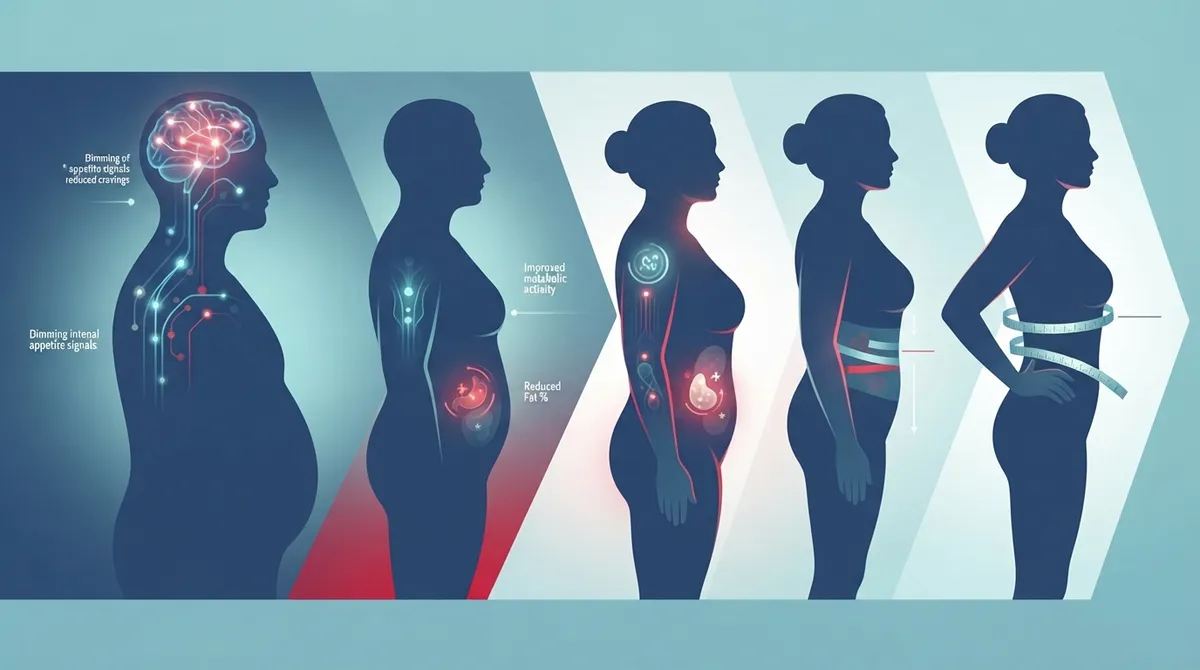
Most modern weight loss medications, including GLP-1 and GIP receptor agonists, work by targeting appetite signals in the brain. These drugs slow digestion and help you feel full sooner and longer. This is why many patients notice reduced hunger before they notice any change on the scale.
The process typically unfolds in stages:
- Starting at a low dose to allow the body to adjust and limit side effects.
- Gradually increasing the dose over several weeks under medical supervision.
- Reaching a full therapeutic dose, usually around 8 to 16 weeks after starting.
- Continuing treatment for months while monitoring weight, labs, and side effects.
This slow titration is intentional. It reduces nausea and other side effects while allowing the body to respond safely.

How Long Does Weight Loss Medication Take to Work?
The honest answer is that it depends on the medication, the dose, and the individual. However, research and clinical experience give us useful timelines to expect.
Appetite Changes Come First
For GLP-1 based medications, appetite suppression often begins within the first few days to two weeks of starting treatment. Many patients report feeling less interested in food or satisfied after smaller portions before they see any real change in body weight.
Visible Weight Loss Takes Longer
Scale changes usually lag behind appetite changes. Most patients start noticing measurable weight loss within four to eight weeks, according to Mayo Clinic sources. The most significant changes tend to happen during the first three to six months of treatment.
The 12-Week Checkpoint
Many primary care providers use the 12-week mark on a full therapeutic dose as a key checkpoint. According to the National Institute of Diabetes and Digestive and Kidney Diseases, if a patient has not lost at least 5% of their starting body weight by this point, providers often reconsider the treatment plan. This benchmark helps determine whether a medication is a good long-term fit.
Typical Weight Loss Timeline by Medication
Below is a general overview of what patients might expect. Individual results vary based on dose, diet, activity level, and metabolic factors.
Medication TypeAppetite Changes BeginNoticeable Weight LossPeak ResultsGLP-1 agonists (e.g., semaglutide)1–2 weeks4–8 weeks4–5 monthsGLP-1/GIP dual agonists (e.g., tirzepatide)1–2 weeks4–6 weeks6–12 monthsOral appetite suppressantsDays to 2 weeks4–12 weeks3–6 months
These ranges align with data from Cleveland Clinic, which reports that most adults lose about 3% to 12% of starting body weight after one year on medication, with many reaching around 5% loss within three to six months. Clinical trial data on tirzepatide from the SURMOUNT-1 study showed up to 22.5% average body weight reduction at 72 weeks, showing how results can grow significantly with continued treatment.
Factors That Affect How Fast Weight Loss Medication Works
No two patients respond exactly the same way. Several factors influence how quickly results appear:
- Starting dose and how quickly it is increased during titration
- Consistency with medication schedule and adherence to dosing instructions
- Diet quality and portion control alongside medication use
- Physical activity levels and overall exercise habits
- Underlying health conditions such as thyroid issues or insulin resistance
- Sleep quality and stress levels, which affect hormone regulation
- Genetic factors that influence metabolism and appetite regulation
Providers at InCare often recommend DNA gene testing to better understand how your body may respond to certain treatments. Combining this insight with body composition analysis gives a clearer picture of true fat loss versus water weight changes.
Steps to Track Your Progress Effectively
Instead of relying only on the bathroom scale, consider these steps to measure real progress:
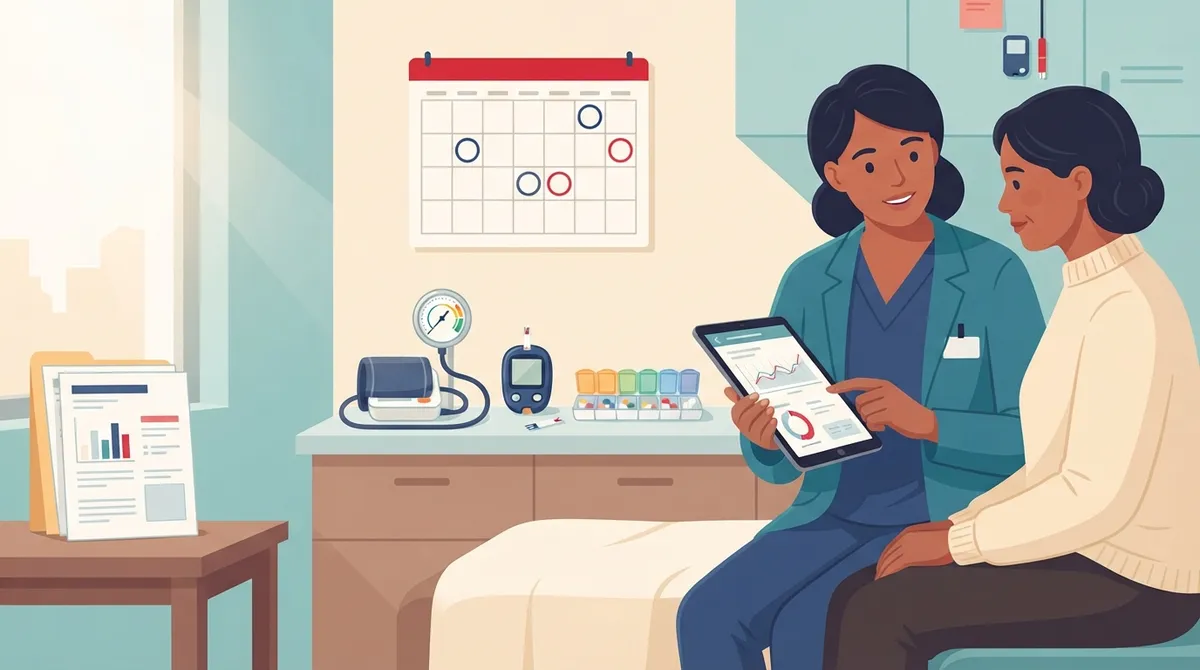
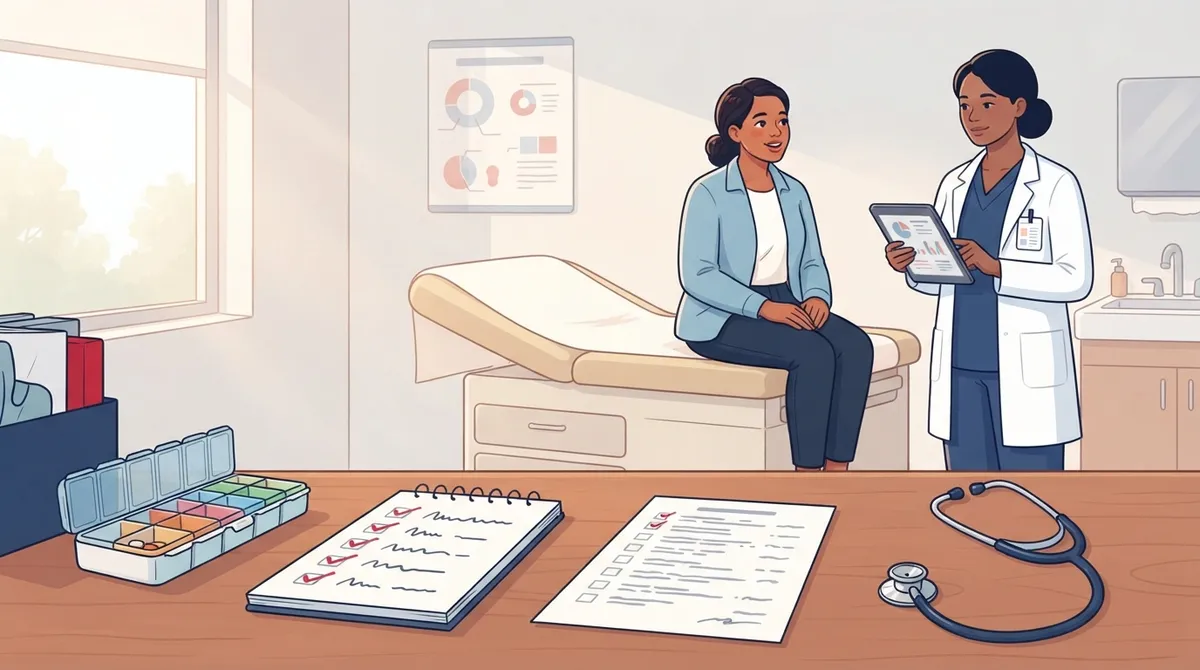
- Schedule regular follow-up visits with your provider to review weight trends.
- Use body composition scans to track fat loss versus muscle retention.
- Keep a simple log of appetite changes, energy levels, and side effects.
- Measure waist circumference monthly, since this can shift before total weight does.
- Discuss lab work with your provider to monitor metabolic markers over time.
- Adjust nutrition and activity levels based on provider recommendations.
This structured approach helps you and your provider make informed decisions about dose adjustments or program changes. Our metabolic breath analysis service is another tool many InCare patients use to understand how their body burns energy during treatment.
What to Do If Weight Loss Medication Is Not Working After 12 Weeks
If you have reached the 12-week mark without meaningful progress, do not panic. There are several possible next steps your provider may suggest:
- Reviewing whether the current dose needs to be increased
- Checking for underlying conditions that may be slowing progress
- Adjusting diet and activity recommendations to better support the medication
- Considering a different medication class that may suit your biology better
- Adding complementary services such as IV hydration or metabolic testing to support results
According to NIDDK guidance, providers typically consider stopping a medication if a patient has not lost at least 5% of starting weight by the 12-week full-dose mark. This is not a failure on the patient's part. It simply means the treatment plan may need adjusting.
Why a Primary Care Approach Matters for Weight Loss Medication
Weight loss medication works best as part of a broader care plan, not as a standalone fix. Combining medication with nutrition guidance, activity planning, and regular monitoring leads to better long-term outcomes. This is why many patients prefer working with a full-service primary care and wellness clinic rather than a stand-alone weight loss provider.
At InCare, treatment plans are built around each patient's full health picture. Our providers, including Dr. Pramjeet Ahluwalia and Dr. Naveen Paddu, take time to understand medical history, lifestyle habits, and goals before recommending a weight loss strategy. This comprehensive approach reflects the kind of primary care that supports long-term success, not just short-term results.
Supporting Your Weight Loss Journey Beyond Medication
Medication is one piece of the puzzle. Many InCare patients pair their treatment with additional wellness services to feel their best throughout the process. Some popular add-ons include:
- IV hydration and vitamin drips to combat fatigue and support energy levels
- Regular cancer screenings as part of a preventive wellness routine
- Hair restoration consultations, since rapid weight changes can sometimes affect hair health
- Ongoing body composition tracking to monitor muscle-to-fat ratio changes
These services work together to support whole-body wellness rather than treating weight loss as an isolated goal. You can also connect with our team on Facebook, Instagram, and Tik Tok for tips, patient stories, and updates on new wellness offerings.
Common Mistakes That Slow Down Results
Many patients unintentionally slow their own progress. Here are common pitfalls to avoid:
- Skipping doses or adjusting the schedule without medical guidance
- Expecting rapid results within the first two weeks of treatment
- Ignoring nutrition changes and relying solely on medication
- Not attending follow-up appointments to track progress
- Discontinuing treatment too early without discussing options with a provider
Avoiding these mistakes can help you stay on track and get the most out of your treatment plan. Our team frequently reviews these details with patients during check-ins, which is one reason many Tampa and Riverview residents trust InCare for ongoing weight management support.
Choosing the Right Clinic for Weight Loss Medication Management
Not all weight loss programs are created equal. When choosing where to receive treatment, consider the following:
- Access to board-certified providers who specialize in weight management
- Availability of advanced diagnostic tools like body composition scans and metabolic testing
- A comprehensive approach that includes primary care, not just prescriptions
- Convenient locations and flexible scheduling, including virtual visit options
InCare's Tampa and Riverview locations offer exactly this kind of integrated care. Patients can review real experiences and see what others are saying by visiting our InCare location profile online, or by checking out how our community rates us — Visit us on Google — InCare to read patient reviews and ratings firsthand.
Conclusion
Weight loss medication can be a powerful tool, but results take time to build. Appetite changes often appear within days to weeks, while measurable weight loss usually develops over several months. The 12-week mark serves as a helpful checkpoint, and most significant progress unfolds within the first three to six months of treatment. Staying consistent, tracking results with your provider, and pairing medication with healthy lifestyle habits will give you the best chance at long-term success.
If you are ready to start your weight loss journey with expert guidance and personalized support, our team is here to help. Book Your Appointment Today or reach out to our team to learn more about our weight loss programs in Tampa and Riverview.
FAQs
Q: How long does it take for weight loss medication to start working?
A: Many patients notice reduced appetite within the first one to two weeks of starting a GLP-1 based medication. Visible weight loss typically follows within four to eight weeks, with the most significant changes occurring over the first three to six months of treatment.
Q: How much weight should I lose after 3 months on weight loss medication?
A: A common clinical benchmark is losing at least 5% of starting body weight by the 12-week mark on a full therapeutic dose. If this goal is not met, your provider may recommend adjusting the dose or exploring other treatment options.
Q: What if weight loss medication is not working after 12 weeks?
A: If you have not lost at least 5% of your starting weight after 12 weeks on the full dose, your provider will likely reassess your treatment plan. This may involve dose adjustments, additional testing, or switching to a different medication.
Q: How long does semaglutide take to work for weight loss?
A: Semaglutide often reduces appetite within the first few weeks, with noticeable weight loss typically appearing within one to two months. Most patients see continued progress through four to five months of consistent use.
Q: What factors affect how fast weight loss medication works?
A: Results depend on dosing schedule, adherence to treatment, diet quality, activity levels, and individual metabolic factors. Working closely with a primary care provider helps optimize these variables for better outcomes.