Key Takeaways
- Keratosis pilaris affects 40-70% of people and is not caused by poor hygiene or lack of care; it results from keratin buildup blocking hair follicles, making management through daily habits more effective than seeking a cure.
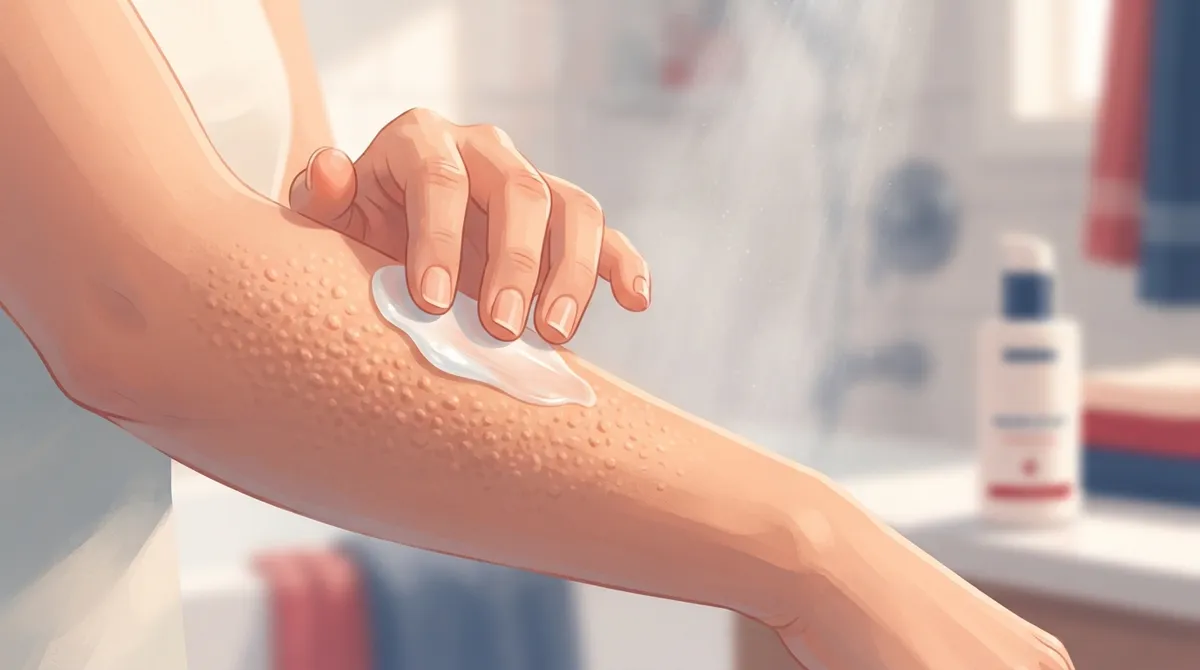
- Salicylic acid 6% lotion and urea 20% cream are clinically proven treatments that improve skin texture; apply moisturizer within minutes of showering and avoid hot water to lock in hydration and reduce flare-ups.
- Symptoms often improve by age 16 in about 35% of patients, worsen in 22%, and remain unchanged in 43%; seasonal patterns show 80% of patients experience worsening in winter due to dry air and improvement in summer humidity.
- Diagnosis requires only a visual exam and symptom history from a primary care provider; seek professional evaluation if you notice persistent redness, infection signs, scarring, or no improvement after 4-6 weeks of consistent treatment.
- A hereditary component affects about 39% of patients with family histories; upper arms are affected in 92% of cases, followed by legs (59%) and face (41%), with symptoms typically starting in childhood or teenage years.
- Avoid picking, scratching, hot showers, harsh scrubbing, and product switching; instead, use a gentle routine twice daily with mild soap, keratolytic cream, and fragrance-free moisturizer for consistent long-term results over quick fixes.
If you have searched for "KP-10 chronic skin issues," you may have found rough, bumpy patches on your arms or thighs that never seem to go away. This kind of search often points to keratosis pilaris, sometimes shortened to "KP." It is one of the most common skin conditions primary care providers see, yet many people never get a clear answer about what it is or how to manage it. This guide breaks down what KP really means, what causes it, and how a primary care approach can help you manage it long term.
At InCare, our providers in Tampa and Riverview see patients every week with chronic bumpy skin who just want straight answers. This article gives you the facts, backed by dermatology research, so you can make informed choices about your skin health.
What Does KP-10 Actually Mean?
It is important to clarify something upfront: "KP-10" is not a standard medical diagnosis. It does not appear as an official term in dermatology textbooks or primary care coding systems. In the context of chronic skin issues, most people using this phrase are really asking about keratosis pilaris, commonly abbreviated as "KP."
The "10" may come from a product name, a search keyword variation, or confusion with another code entirely. If you saw this term somewhere specific, such as a supplement label or online forum, it is worth clarifying with your provider what exactly is being referenced. When in doubt, describing your actual symptoms to a doctor is far more useful than searching a vague term.
Keratosis Pilaris: The Likely Match
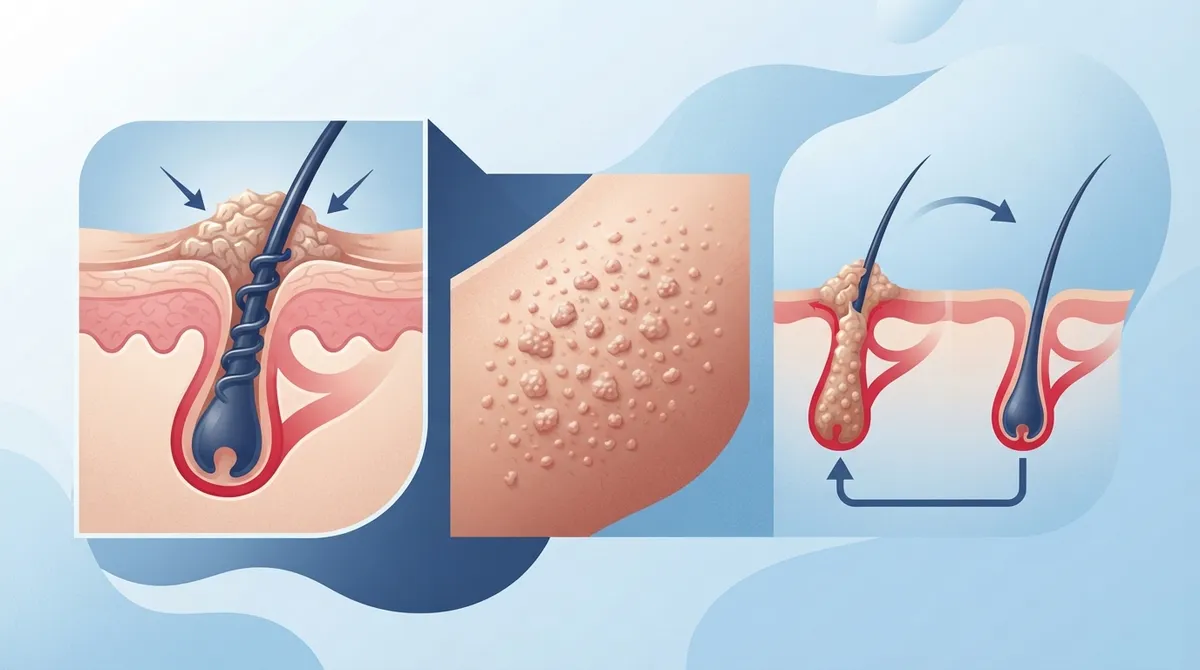
Keratosis pilaris is a benign, long-lasting skin condition. It happens when keratin, a protein in your skin, builds up and blocks hair follicles. This creates small, rough bumps that can feel like sandpaper.
It is not dangerous, not contagious, and not caused by poor hygiene. Many people live with it for years without ever needing serious treatment. Still, it can affect confidence and comfort, especially when it becomes very visible or itchy.

How Common Is This Chronic Skin Condition?
Keratosis pilaris is far more common than most people realize. Research from the British Association of Dermatologists shows it affects an estimated 40% of adults and as many as 50% to 70% of teenagers.
A natural-history survey of KP patients found clear patterns in where and when it appears. Here is what that data shows:
|
Body Area |
Percentage of Patients Affected |
|---|---|
|
Upper Arms |
92% |
|
Legs |
59% |
|
Face |
41% |
|
Buttocks |
30% |
|
Eyebrows |
8% |
The same survey found that symptoms often start early. About 51% of patients noticed KP during their first decade of life, and another 35% saw it appear during their teenage years. A hereditary link also seems likely, since 39% of patients reported other family members with the same condition.
Why Symptoms Change With the Seasons
Many patients notice their skin gets worse in winter and improves in summer. This pattern is backed by data: 80% of surveyed patients reported seasonal changes. Among them, 49% said their skin improved in summer, while 47% said it worsened in winter.
Dry, cold air pulls moisture from the skin, making rough patches more noticeable. Humid summer weather tends to keep skin softer and less prone to flare-ups.
Does Keratosis Pilaris Go Away With Age?
This is one of the most common questions patients bring to our providers. The honest answer is that it varies from person to person.
According to survey data, keratosis pilaris improved with age in about 35% of patients, while 43% saw no real change. Another 22% said it actually got worse over time. The average age when improvement happened was around 16 years old, meaning many people see the biggest changes during their teenage or young adult years.
What Causes Chronic Rough Skin Bumps?
Keratosis pilaris happens when the body produces too much keratin around hair follicles. This excess protein forms a plug that blocks the follicle opening, creating the rough bump you feel.
Several factors can make this worse:
- Dry skin, especially in winter months
- A family history of the condition
- Other skin conditions like eczema or ichthyosis
- Hormonal changes during puberty
- Very hot showers that strip natural oils
- Harsh soaps or aggressive scrubbing
None of these causes are within your full control, which is why management focuses on daily habits rather than a single cure.
How Is Keratosis Pilaris Diagnosed?
Diagnosis is usually simple and does not require lab work. A primary care provider can typically identify keratosis pilaris just by looking at the skin and asking about your history. This is one reason comprehensive primary care matters so much for everyday skin concerns.
Here is what a typical evaluation involves:
- A visual exam of the affected skin areas
- Questions about when symptoms started and family history
- Checking whether bumps are symmetrical on both sides of the body
- Ruling out other conditions with similar appearances
- Discussing any pain, itching, or recent changes in the bumps
If something looks unusual, such as significant redness, scarring, or lesions that do not fit the typical KP pattern, your provider may refer you to a dermatologist for further evaluation.
When Should You See a Doctor?
Most cases of keratosis pilaris are harmless and can be managed with at-home care. But certain signs mean it is time to schedule a visit. Consider booking an appointment if you notice:
- Persistent redness or swelling around the bumps
- Pain or tenderness in the affected area
- Pus, oozing, or signs of infection
- Bumps that look different from typical KP patterns
- Scarring or dark spots left behind
- No improvement after weeks of consistent skin care
Our team offers both urgent care and scheduled visits, so you can get answers on your timeline.
How Do You Treat Chronic Keratosis Pilaris?
There is no permanent cure for keratosis pilaris, but consistent care can make a real difference in how your skin looks and feels. Treatment focuses on softening rough patches and reducing follicle blockage.
Here are the most effective options primary care providers recommend:
- Use a gentle, fragrance-free moisturizer daily, especially right after bathing
- Try keratolytic creams containing urea, lactic acid, or salicylic acid
- Take shorter, lukewarm showers instead of long, hot ones
- Avoid harsh scrubbing, loofahs, or aggressive exfoliation tools
- Apply moisturizer within minutes of towel-drying to lock in hydration
- Use a humidifier during dry winter months
- Stay consistent, since results often take several weeks to appear
Clinical references note that salicylic acid 6% lotion or urea 20% cream can improve skin texture for many patients, though results vary and controlled research remains limited. This is why a personalized plan from a provider often works better than guessing with over-the-counter products alone.
Treatment Options Compared
|
Treatment |
How It Works |
Best For |
|---|---|---|
|
Urea Cream (20%) |
Softens keratin buildup and hydrates skin |
Dry, rough patches |
|
Salicylic Acid Lotion (6%) |
Helps exfoliate clogged follicles |
Textured, bumpy skin |
|
Lactic Acid Cream |
Gently loosens dead skin cells |
Mild to moderate cases |
|
Daily Moisturizer |
Locks in hydration, reduces dryness |
Maintenance and prevention |
|
Topical Retinoids |
Speeds up skin cell turnover |
Stubborn or resistant cases |
What Should You Avoid With Chronic Skin Bumps?
Certain habits can make keratosis pilaris worse instead of better. Avoiding these mistakes is just as important as using the right treatments.
- Do not pick or scratch at the bumps, since this can cause scarring
- Avoid very hot water, which dries out the skin further
- Skip harsh scrubbing or abrasive exfoliating brushes
- Do not skip moisturizer, even when skin looks clear
- Avoid switching products too often without giving them time to work
Patience matters here. Most treatments need four to six weeks of consistent use before you see real change.
Why a Whole-Body Approach Matters
Chronic skin conditions like keratosis pilaris rarely exist in isolation. They can be connected to overall skin hydration, hormone levels, and even nutrition. That is why a whole-body wellness approach, rather than a quick fix, tends to produce better long-term results.
Providers who understand your full health picture, including conditions covered by how primary doctors help manage chronic illnesses, can offer more tailored skin care advice. Some patients also benefit from services like IV hydration and vitamin drips, which support skin health from the inside out.
The Value of Preventive Wellness Visits
Regular wellness visits give your provider a chance to track chronic skin issues over time. This is especially useful for conditions like keratosis pilaris, which can change with the seasons or as you age.
During a visit, your provider can also check for related concerns and update your care plan as needed. Learn more about what happens during an annual wellness visit to see how this fits into your overall health strategy.
InCare's Approach to Chronic Skin Concerns
At InCare, we combine modern technology with attentive, personalized care. Our providers in Tampa and Riverview take time to listen to your concerns instead of rushing through appointments. If your rough skin bumps are affecting your confidence or comfort, we can help you build a realistic treatment plan.
We also offer DNA gene testing for patients curious about hereditary skin tendencies, and body composition analysis for those focused on whole-body wellness. Many patients appreciate that we treat skin concerns as part of a bigger health picture, not an isolated issue.
Curious what other patients say about their experience? You can visit us on Google — InCare to read real reviews from people in Tampa and Riverview. You can also follow us on Facebook and Instagram for wellness tips and updates on our services.
Building a Long-Term Skin Care Routine
Managing chronic keratosis pilaris works best as a daily habit, not a one-time fix. Here is a simple routine many patients find helpful:
- Cleanse gently with a mild, non-drying soap
- Pat skin dry instead of rubbing it
- Apply a keratolytic cream to affected areas
- Follow with a rich, fragrance-free moisturizer
- Repeat morning and night for consistent results
- Reassess with your provider every few months
Small, consistent steps tend to outperform occasional intense treatments. Think of it like brushing your teeth: daily care prevents bigger problems down the road.
Take the Next Step Toward Clearer, Healthier Skin
Chronic skin bumps do not have to control how you feel about your body. With the right guidance, most people see real improvement in texture and comfort over time. If you are ready to get personalized answers about your skin, our team is here to help. Book Now to schedule a visit at our Tampa or Riverview location, or reach out to our team with any questions about your care.
FAQs
Q: What does KP-10 mean in relation to chronic skin issues?
A: KP-10 is not a recognized medical diagnosis in dermatology or primary care. In most cases, people using this term are actually referring to keratosis pilaris, commonly known as KP, a chronic but harmless follicular skin condition.
Q: Is KP-10 another name for keratosis pilaris?
A: KP-10 is likely a variation of the abbreviation KP, which stands for keratosis pilaris. The added number may come from a product name or search term rather than an official medical classification.
Q: What causes keratosis pilaris and is it hereditary?
A: Keratosis pilaris happens when excess keratin blocks hair follicles, creating small rough bumps. Research shows a hereditary link, since about 39% of patients report other family members with the same condition.
Q: Can salicylic acid, urea, or lactic acid improve KP?
A: Yes, these keratolytic ingredients are commonly recommended as first-line treatments. Clinical references note that salicylic acid 6% lotion and urea 20% cream can improve skin texture, though results vary by patient.
Q: When should someone with persistent rough skin bumps see a doctor?
A: You should schedule a visit if bumps become painful, show signs of infection, scar easily, or fail to improve after weeks of consistent skin care. A primary care provider can confirm the diagnosis and rule out other conditions.