Key Takeaways
- Only 22.5% of U.S. adults with high blood pressure have it under control, so consistent follow-up with a primary care provider is critical for closing this gap.
- For most adults, the blood pressure target is below 130/80 mm Hg, and higher-risk patients may aim for systolic under 120 mm Hg if safe and tolerated.
- Medication is generally recommended at an average reading of 140/90 mm Hg or higher, or at 130/80 mm Hg or higher with heart disease, diabetes, kidney disease, or elevated 10-year risk.
- Lower-risk adults with readings of 130/80 mm Hg or higher should try lifestyle changes for 3 to 6 months before starting medication.
- Keep sodium under 2,300 mg daily (aim for 1,500 mg), exercise 75 to 150 minutes weekly, follow a DASH-style diet, and limit alcohol to lower blood pressure.
- Measure at home with a validated upper-arm cuff after five quiet minutes, taking two readings a minute apart morning and evening, and bring the log to every visit.
High blood pressure rarely causes symptoms, yet it quietly raises the risk of heart attack, stroke, and kidney disease. The CDC reports that 48.1% of U.S. adults, or about 119.9 million people, have high blood pressure. Only 22.5% of them have it under control. That gap is large, and it is where good primary care makes a real difference.
Modern hypertension treatment is not just a prescription. It combines accurate diagnosis, smart lifestyle changes, the right medicine when needed, and steady follow-up. The 2025 AHA/ACC guideline gives clinicians a clear framework for doing this well. This article explains what that framework means for you. It covers when treatment starts, which medicines are used, how food and exercise help, and how to track progress at home. Whether you are a busy parent, a young professional, or someone focused on proactive wellness, you will find practical steps here.
Understanding Blood Pressure Numbers
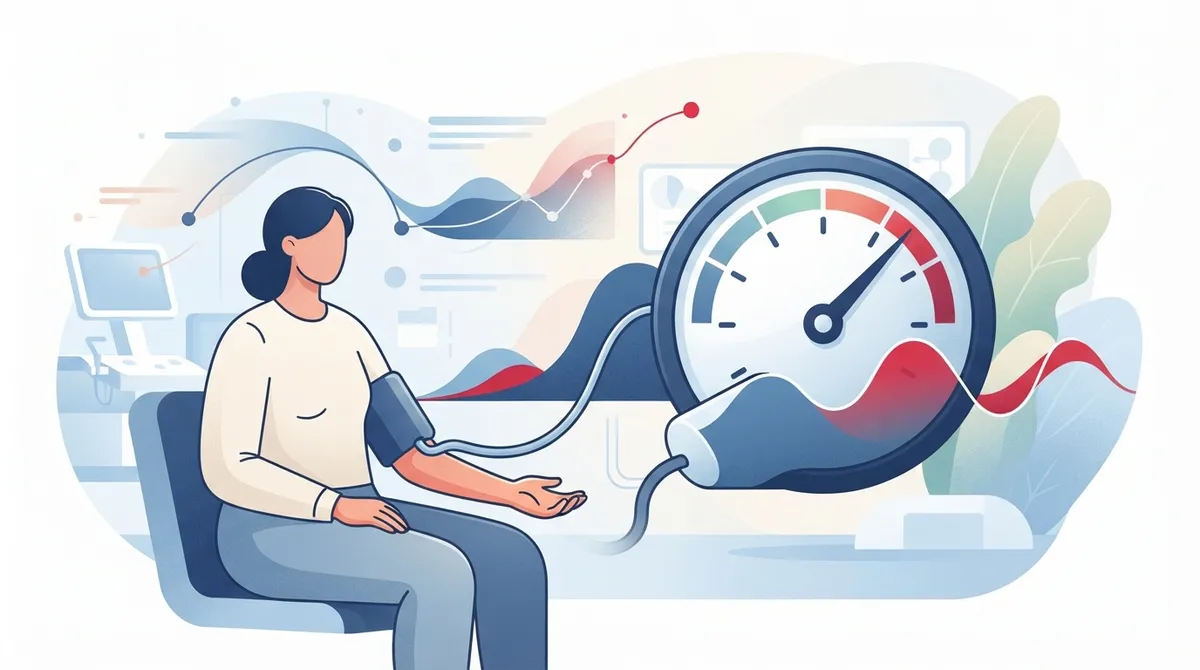
Blood pressure has two numbers. The top number is systolic pressure, which measures force when your heart beats. The bottom number is diastolic pressure, which measures force between beats. Both matter.
The 2025 AHA/ACC guideline defines the stages as follows:
|
Category |
Systolic (mm Hg) |
Diastolic (mm Hg) |
|---|---|---|
|
Normal |
Below 120 |
Below 80 |
|
Stage 1 hypertension |
130–139 |
80–89 |
|
Stage 2 hypertension |
140 or higher |
90 or higher |
One high reading does not confirm a diagnosis. Stress, caffeine, poor sleep, and even a rushed drive to the clinic can raise a number. Doctors confirm hypertension using properly measured office readings plus home monitoring.

Why Hypertension Treatment Matters So Much
Untreated high blood pressure damages blood vessels over time. The CDC reports that high blood pressure was a primary or contributing cause of 680,179 U.S. deaths in 2024. It also estimates that about 34 million adults who may need medicine under current guidelines are not taking it. Nearly 19 million of them have readings of 140/90 mm Hg or higher.
These numbers show a simple truth. Many people are undiagnosed, undertreated, or lost to follow-up. A strong relationship with a primary care provider helps close that gap. If you want to understand how a regular doctor supports long-term conditions, read about how primary doctors help manage chronic illnesses.
How Is High Blood Pressure Diagnosed?
Accurate measurement is the foundation of good hypertension treatment. A wrong reading can lead to the wrong plan.
Office Measurement
Your clinician should measure after you sit quietly for five minutes. Your feet should be flat, your back supported, and your arm at heart level. The cuff must fit your arm size. Readings should be repeated and averaged.
Home Monitoring
Home readings show how your blood pressure behaves in daily life. They also help rule out “white coat” effects, where numbers rise only in the clinic. A validated upper-arm cuff is best. For more ideas on daily tracking, see these 12 proven strategies for blood pressure management in 2026.
Follow these steps for reliable home readings:
- Avoid caffeine, exercise, and smoking for 30 minutes before measuring.
- Sit quietly for five minutes with your back supported and feet flat.
- Rest your arm on a table at heart level.
- Take two readings one minute apart, morning and evening.
- Record the numbers and bring the log to your visit.
When Do You Need Medication?
This is one of the most common questions patients ask. The answer depends on your numbers and your overall risk.
The 2025 AHA/ACC guideline recommends medication plus lifestyle changes in these cases:
- Average blood pressure of 140/90 mm Hg or higher.
- Average blood pressure of 130/80 mm Hg or higher with existing cardiovascular disease, prior stroke, diabetes, or chronic kidney disease.
- Average blood pressure of 130/80 mm Hg or higher with an elevated 10-year cardiovascular risk (PREVENT risk of 7.5% or more).
For lower-risk adults with readings of 130/80 mm Hg or higher, the guideline supports a 3–6 month trial of lifestyle changes first. If blood pressure stays elevated after that, medication is recommended.
What Is the Blood Pressure Goal?
For most adults, the target is below 130/80 mm Hg. Some higher-risk patients may aim even lower, with a systolic pressure under 120 mm Hg, if it is safe and well tolerated.
Goals are not one-size-fits-all. Your clinician may adjust targets based on pregnancy, frailty, other health conditions, medication tolerance, and measurement quality. This is why personalized care matters.
Lifestyle Changes That Lower Blood Pressure
Lifestyle is the base of every treatment plan, even when medicine is needed. Small, steady changes can add up to meaningful drops in blood pressure.
Eat a Heart-Healthy Pattern
The DASH-style eating pattern is rich in vegetables, fruits, whole grains, beans, nuts, and low-fat dairy. It limits processed foods and added sugar. The 2025 guideline advises keeping sodium below 2,300 mg per day, and moving toward 1,500 mg if you can.
Move Your Body
Aim for at least 75 to 150 minutes of aerobic activity or resistance exercise each week. Brisk walking, cycling, swimming, and strength training all count. Pick something you enjoy so you will stay consistent.
Manage Weight
Even modest weight loss can lower blood pressure. A structured plan works better than guesswork. InCare offers medically guided weight loss programs that combine clinical oversight with advanced tracking tools. You can also learn how weight loss can lower your blood pressure.
Limit Alcohol and Manage Stress
Heavy drinking raises blood pressure. Limit or avoid alcohol. Chronic stress also plays a role, so build in sleep, breaks, and relaxation habits that you can keep.
Here is a quick reference for lifestyle goals:
|
Lifestyle Area |
Recommended Target |
|---|---|
|
Sodium |
Under 2,300 mg daily; aim toward 1,500 mg |
|
Physical activity |
75–150 minutes weekly |
|
Eating pattern |
DASH-style, heart-healthy |
|
Alcohol |
Limit or avoid |
|
Weight |
Gradual, sustainable loss if overweight |
First-Line Blood Pressure Medications
When medicine is needed, clinicians usually choose from four main classes:
- Thiazide-type diuretics: Help the body remove extra salt and water.
- Long-acting calcium-channel blockers: Relax blood vessel walls.
- ACE inhibitors: Reduce hormones that tighten blood vessels.
- Angiotensin-receptor blockers (ARBs): Block the effect of those same hormones.
Your clinician picks a medicine based on your other conditions, kidney function, current medicines, side effects, and personal preferences. For example, ACE inhibitors and ARBs are not used during pregnancy. If pregnancy is possible, tell your provider so they can choose a safer option.
Why Two Medicines at Once?
For stage 2 hypertension, guidelines recommend or consider starting two first-line medicines from different classes. A single-pill combination is often preferred. This approach can bring pressure down faster and reduces the number of pills you take each day. Fewer pills often means better follow-through. For tips on staying organized, see these prescription management tips for better health in 2026.
Follow-Up: The Part Many People Skip
Starting treatment is only the first step. Ongoing follow-up is what keeps blood pressure under control.
At follow-up visits, your care team should:
- Review your home blood pressure log.
- Check that you are taking medicine as prescribed.
- Ask about side effects such as dizziness, cough, or swelling.
- Order lab tests, such as kidney function and electrolytes, after medication changes.
- Adjust the plan if you have not reached your goal.
If your blood pressure stays high despite treatment, your clinician will look at the basics first. They will check your measurement technique, whether you are taking your medicine, and whether other substances interfere. These include decongestants, anti-inflammatory pain relievers, and some supplements. They may also look for secondary causes, such as sleep apnea or hormone problems. If snoring or poor sleep is a concern, learn more about sleep apnea care in Tampa and Riverview.
Why Primary Care Is the Right Home for Hypertension Care
Hypertension is a long-term condition. It touches your heart, kidneys, brain, weight, sleep, and mental health. A primary care team sees the whole picture and can coordinate every piece. That is better than bouncing between separate providers. Learn more about the difference in fragmented care versus coordinated care.
InCare is a personalized primary care and wellness clinic with locations in Tampa and Riverview, Florida. The team blends medical expertise with modern technology. Patients can access comprehensive primary care, in-house testing, body composition analysis, metabolic breath analysis, and DNA gene testing. These tools help build a plan that fits your body and your goals. The clinic also offers virtual visits, which suit busy families and tech-savvy patients who want easy check-ins between appointments.
The clinic holds a 4.8 out of 5 rating on Google. You can see what InCare patients say on Google and learn about the team on the providers page.
Who Should Get Checked and How Often?
High blood pressure is not just an older adult issue. Many people in their 20s, 30s, and 40s have it without knowing. Risk factors include family history, excess weight, high sodium intake, low activity, heavy alcohol use, and chronic stress.
Everyone should have blood pressure checked at routine visits. Those with higher readings or risk factors may need more frequent checks. A yearly visit is a good habit. See what to expect in an annual wellness visit and learn how to get the most out of your health screening.
Follow InCare on Instagram, Facebook, and TikTok for wellness tips and clinic updates.
Take the Next Step Toward Better Blood Pressure
Hypertension treatment works best when it starts early and stays consistent. The key points are simple. Get accurate readings. Know your numbers and your risk. Build healthy daily habits. Use medicine when it is needed. Keep up with follow-up visits.
If you live in the Tampa Bay area and want a care team that treats the whole person, InCare is ready to help. Book your appointment now or contact our team to ask questions. Your future self will thank you for acting today.
FAQs
Q: What blood pressure reading means I need medication?
A: Medication is generally recommended when your average reading is 140/90 mm Hg or higher. It may also be advised at 130/80 mm Hg or higher if you have heart disease, prior stroke, diabetes, chronic kidney disease, or elevated 10-year cardiovascular risk. Your clinician will review your full health picture before deciding.
Q: What is the target blood pressure for adults being treated for hypertension?
A: For most adults, the goal is below 130/80 mm Hg. Some higher-risk patients may aim for a systolic pressure under 120 mm Hg if it is safe and tolerated. Your provider may adjust the target based on age, pregnancy, frailty, and other health factors.
Q: Can lifestyle changes lower blood pressure without medication?
A: Yes, for many people with stage 1 hypertension and lower risk, lifestyle changes alone can help. These include a DASH-style diet, less sodium, regular exercise, weight management, and limited alcohol. If readings stay at 130/80 mm Hg or higher after 3 to 6 months, medication is typically recommended.
Q: How should I measure and track my blood pressure at home?
A: Use a validated upper-arm cuff and sit quietly for five minutes with your feet flat and arm at heart level. Take two readings one minute apart in the morning and evening, then record them. Bring your log to every visit so your clinician can guide treatment.
Q: What should I do if my blood pressure remains high despite treatment?
A: Contact your clinician rather than changing medicine on your own. They will check your measurement technique, medication use, and any substances that raise blood pressure. They may also screen for secondary causes such as sleep apnea or kidney and hormone issues.