Key Takeaways
- Common TRT side effects include acne, fluid retention, breast tenderness, and mood or sleep changes, and many can be managed with a dose adjustment guided by your clinician.
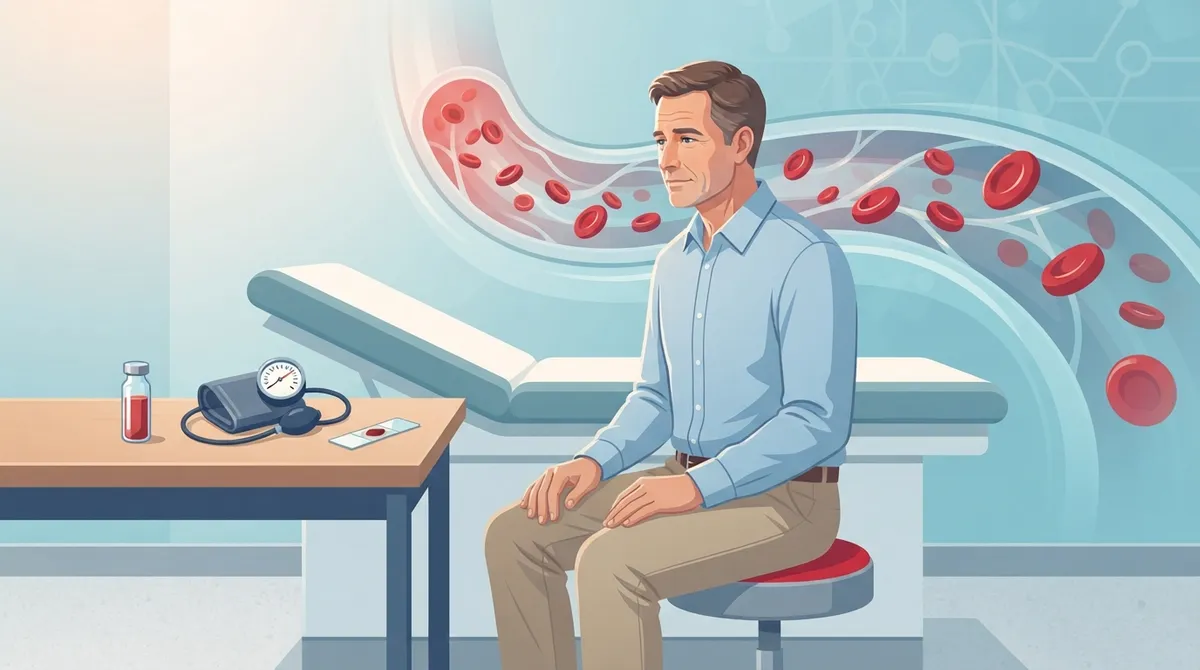
- TRT can raise red blood cell count (hematocrit), which thickens blood and may raise clotting risk, so regular blood counts are essential and high results should never be ignored.
- TRT can suppress sperm production and lower fertility, so men who want children soon should raise this with a clinician before starting.
- TRT may increase blood pressure, so periodic blood pressure checks are recommended throughout treatment.
- The TRAVERSE trial found no increase in major heart events versus placebo, but showed higher rates of atrial fibrillation, acute kidney injury, and pulmonary embolism, so personal risk review matters.
- Prostate monitoring with PSA and a digital rectal exam is advised, and a PSA rise above 1.4 ng/mL within 12 months warrants clinician evaluation, while urgent symptoms like chest pain or leg swelling need immediate care.
Testosterone replacement therapy, or TRT, can help men with a confirmed testosterone deficiency feel better and function better. But like any prescription treatment, it comes with possible side effects. If you are asking, "what are the side effects of TRT?" you are already taking the right first step: learning the risks before you begin.
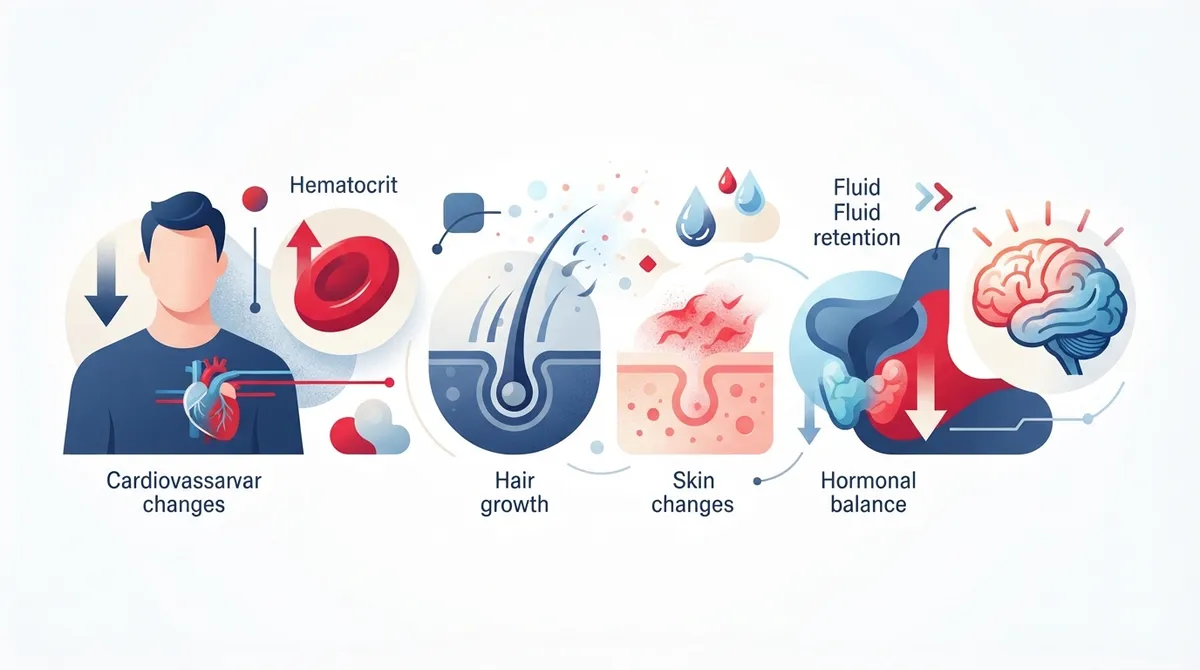
The short answer is this. Common side effects include acne, fluid retention, breast tenderness, and mood or sleep changes. More important effects include a higher red blood cell count, possible blood pressure increases, lower sperm production, and changes that may affect the prostate. Most of these can be managed when a clinician checks your labs and adjusts your plan.
This guide explains each side effect in plain language. You will also learn what the largest recent safety trial found, which blood tests matter, and how to choose a safe clinic. This article is general information and does not replace a medical exam. Your own risks depend on your health history, dose, and the form of TRT you use.

Who Should Consider TRT in the First Place?
TRT is meant for people with clinically confirmed testosterone deficiency. It is not meant for normal aging changes alone. It is also not meant for anyone who simply wants more energy or better athletic performance.
A proper diagnosis usually needs two things:
- Symptoms that fit low testosterone, such as low sex drive, fatigue, low mood, or loss of muscle
- Consistently low testosterone on more than one blood test, ideally drawn in the morning
A clinician should also look for the cause. Sleep apnea, obesity, medication effects, thyroid problems, and diabetes can all lower testosterone or mimic its symptoms. Treating those issues first may solve the problem without hormones. This is one reason a primary care visit matters before any hormone plan. You can learn more about how the process works in our guide on what testosterone replacement therapy is at InCare.
What Are the Most Common Side Effects of TRT?
Common side effects are usually mild. They often appear in the first few months and may improve as your dose is adjusted. Effects also vary by product and dose.
Acne and Oily Skin
Higher testosterone can increase oil production in the skin. This may cause new acne or worsen existing breakouts, mostly on the face, chest, and back. Good skin care and a dose adjustment often help.
Fluid Retention and Swelling
Some men hold extra water, especially early in treatment. You may notice mild swelling in the ankles or feet. Men with heart, kidney, or liver problems need closer monitoring, because fluid retention can matter more for them.
Breast Tenderness or Enlargement
Your body can convert some testosterone into estrogen. This can lead to breast tenderness or growth of breast tissue. Tell your clinician if you notice a lump or soreness. They may check your hormone levels and adjust treatment.
Mood and Sleep Changes
Some men feel more energetic and upbeat on TRT. Others notice irritability, restlessness, or poor sleep. If you have sleep apnea, TRT may worsen it in some cases. Report any change in sleep or mood early.
How Do Side Effects Differ by TRT Formulation?
The type of TRT you use changes your experience. Each form has its own pattern of benefits and drawbacks.
|
Formulation |
Common Concerns |
Key Notes |
|---|---|---|
|
Injections |
Injection-site discomfort; up-and-down hormone levels between doses |
Levels can peak and dip, which may affect mood or energy. Dose timing can often be adjusted. |
|
Gels and creams |
Skin irritation; transfer to others through skin contact |
Cover the area and wash hands. Avoid contact with partners and children. |
|
Patches |
Skin redness or irritation at the patch site |
Steady dosing, but some users find the skin reaction bothersome. |
|
Pellets |
Minor procedure-related discomfort |
Dose is harder to change quickly once placed. |
If you are weighing injections specifically, our overview of physician-supervised testosterone injections explains what careful monitoring looks like.
Why Does TRT Raise Red Blood Cell Count?
One of the most important treatment effects is a rise in red blood cells, called erythrocytosis. Testosterone signals the body to make more of them. Your hematocrit, which measures the share of your blood made of red cells, may climb.
Why does this matter? Too many red blood cells make blood thicker. Thicker blood may raise the risk of clotting problems. That is why baseline and follow-up blood counts are essential.
If your hematocrit gets too high, your clinician may:
- Lower your dose
- Pause treatment for a time
- Change the formulation
- Order further tests to look for other causes, such as sleep apnea
Never ignore this lab result. It is one of the clearest reasons TRT needs ongoing medical oversight.
Can TRT Affect Fertility and Sperm Count?
Yes. TRT can suppress sperm production, sometimes by a large amount. When you add testosterone from outside your body, your brain may signal your testicles to make less of their own. Less natural signaling can mean lower sperm counts and reduced fertility.
This effect is a key reason TRT is generally not a good fit for men who want to have children soon. If fertility matters to you, say so at your first visit. Your clinician can discuss other options and timing. Some men also notice smaller testicle size, which relates to the same process.
Never assume TRT works as birth control. Fertility effects vary from person to person, and recovery after stopping can take time.
What About the Prostate and PSA Levels?
TRT can worsen symptoms of benign prostate enlargement in some men. You may notice more urinary urgency, a weaker stream, or waking at night to urinate.
Prostate monitoring should be tailored to you. Endocrine Society guidance suggests that men who choose prostate monitoring have a PSA test and a digital rectal exam before treatment. These are then repeated 3 to 12 months after starting, followed by age- and risk-appropriate screening. A PSA increase of more than 1.4 ng/mL within 12 months of starting TRT is a reason for further evaluation.
A PSA rise should be checked by a clinician. It should not be assumed to be caused by TRT alone. For more background on this topic, read our post on key things men should know about prostate exams.
Does TRT Raise Blood Pressure or Heart Risk?
FDA labeling for testosterone products notes that they can increase blood pressure. The agency recommends periodic blood pressure checks while on treatment. This is a class-wide labeling concern, so it applies across many testosterone products.
The heart safety picture is more reassuring than it once was, but it is not simple. The large TRAVERSE trial, published in 2023, studied men with confirmed low testosterone who already had, or were at high risk for, heart disease. It found no increase in major adverse cardiovascular events compared with placebo during the study.
The trial did report a few other findings worth knowing. These were more common in the testosterone group:
|
Event |
Testosterone Group |
Placebo Group |
|---|---|---|
|
Atrial fibrillation |
3.5% |
2.4% |
|
Acute kidney injury |
2.3% |
1.5% |
|
Pulmonary embolism |
0.9% |
0.5% |
These numbers come from a Cleveland Clinic summary of the trial. They do not prove that testosterone caused each event. Still, they show why you should talk through your personal risk with a clinician before starting. If you already manage high blood pressure, our guide on blood pressure management strategies may help you prepare.
What About Blood Clots?
Because TRT can raise red blood cell counts and TRAVERSE reported more pulmonary embolism in the testosterone group, clotting is a fair concern. Men with a history of blood clots deserve extra caution and a careful discussion.
Seek urgent care right away if you notice any of these warning signs:
- Chest pain or sudden shortness of breath
- Swelling, warmth, or pain in one leg
- Sudden weakness, trouble speaking, or vision changes
- A very fast or irregular heartbeat
These symptoms can signal a serious problem and should never wait for your next appointment.
How Should TRT Be Monitored Over Time?
Good TRT care is not a one-time prescription. It is an ongoing relationship with regular checks. Follow-up should look at symptoms, testosterone levels, hematocrit, blood pressure, and prostate risk as appropriate.
A typical safe plan includes these steps:
- A full history and exam before starting, including cardiovascular and sleep risks
- Baseline blood tests, including testosterone and a complete blood count
- A discussion of fertility goals and prostate screening choices
- Follow-up labs after you begin to confirm your dose is right
- Regular blood pressure checks and symptom reviews
- Dose changes or breaks if any lab or symptom becomes a concern
Many men also benefit from a broader health review during TRT. Routine screenings help catch problems early. Our article on what happens during an annual physical exam shows how these checks fit together.
Who Should Avoid TRT?
TRT is not safe for everyone. Your clinician may advise against it, or proceed only with great caution, if you have:
- Prostate cancer or a suspicious prostate finding that has not been evaluated
- Untreated severe sleep apnea
- A very high hematocrit at baseline
- Uncontrolled heart failure
- A plan to conceive in the near future
- Normal testosterone levels with no confirmed deficiency
Honesty about your history helps your clinician protect you. Share all medications, supplements, and past health problems.
How Can You Lower Your Risk of Side Effects?
You cannot remove every risk, but you can reduce them. A few habits make a real difference:
- Keep every follow-up appointment and lab draw
- Take your dose exactly as prescribed, never more
- Report new symptoms quickly instead of waiting
- Support your health with sleep, exercise, and a balanced diet
- Avoid sourcing hormones from unregulated online sellers
Lifestyle changes can also support healthy hormone levels naturally. Weight loss, better sleep, and regular activity may help some men. You can explore this in our guide on how to support healthy testosterone production at 40+.
Why Choose a Primary Care Clinic for TRT?
Because TRT touches your heart, blood, prostate, sleep, and mood, a primary care setting is a strong fit. A clinician who knows your whole health picture can spot problems that a hormone-only clinic might miss. At InCare, care is personalized and built around prevention, with in-house testing and a team that follows you over time.
InCare serves patients in Tampa and Riverview, Florida, and offers virtual visits too. If you want to see how other patients feel about their care, you can see what our InCare patients say on Google. Our providers combine medical expertise with modern technology to keep your plan safe and clear. You can also follow our updates on Instagram, Facebook, and TikTok for wellness tips.
If you are comparing options, our post on TRT versus peptide therapy versus hormone replacement therapy can help you understand how they differ. Men over 40 may also find our guide on TRT for men over 40 useful.
Final Thoughts: Weigh the Benefits and Risks With a Professional
So, what are the side effects of TRT? They range from mild issues like acne, swelling, and breast tenderness to more serious ones like a high red blood cell count, raised blood pressure, lower fertility, and prostate changes. Large trial data on major heart events is reassuring for the group studied, yet other findings show why personal risk talks matter.
The safest path is clear. Confirm a true deficiency, review your history, start at a careful dose, and follow up with regular labs and blood pressure checks. With that approach, many men use TRT safely and with benefit.
Ready to find out if TRT is right for you? Book your visit with InCare today and talk with a provider who will look at your whole health, or contact our team with any questions first.
FAQs
Q: What are the most common side effects of testosterone replacement therapy?
A: The most common side effects include acne or oily skin, fluid retention, breast tenderness or enlargement, and changes in mood or sleep. Effects vary by dose and formulation. Many improve with a dose adjustment under clinician guidance.
Q: Can TRT cause infertility or reduce sperm count?
A: Yes. TRT can suppress sperm production, sometimes substantially, and may reduce fertility. It is generally not appropriate for men who want to conceive in the near term, so discuss fertility goals with a clinician before starting.
Q: How often should blood tests and blood pressure be checked while on TRT?
A: Your clinician will set a schedule based on your health, but regular follow-up is essential. Checks usually cover testosterone levels, hematocrit, blood pressure, and prostate risk as appropriate. Labs are typically done soon after starting and then at regular intervals.
Q: What should I do if my hematocrit becomes high on TRT?
A: Tell your clinician right away. A high hematocrit can thicken the blood and may lead to a dose reduction, a pause in treatment, a change in formulation, or further testing. Do not adjust your own dose.
Q: Can TRT worsen an enlarged prostate or change PSA levels?
A: TRT may worsen symptoms of benign prostate enlargement in some men. A PSA rise or a concerning exam finding should be evaluated by a clinician rather than assumed to be caused by TRT. Monitoring should be individualized to your age and risk.