Key Takeaways
- Resveratrol shows no meaningful metabolic benefits in recent clinical trials; a 2024 meta-analysis found no significant effects on BMI, blood sugar, cholesterol, or triglycerides despite decades of study.
- MOTS-c remains experimental with almost no human clinical data—most evidence comes from lab mice, and commercially sold products lack FDA approval and safety guarantees.
- Neither compound should replace proven wellness interventions like balanced nutrition, physical activity, sleep, or prescribed medications for chronic conditions.
- Consult your primary care provider before trying either supplement, especially if you take blood thinners, insulin, or have liver/kidney disease, as interactions and product quality vary widely.
Wellness trends move fast, and two names keep popping up in longevity circles: MOTS-c and resveratrol. Patients ask about them during check-ups, scroll past ads promising cellular renewal, and wonder if either one belongs in a real wellness plan. If you're trying to sort science from marketing, you're not alone. This guide breaks down what each compound actually is, what the research shows in 2026, and how a primary care team can help you make a safe, informed decision.
At InCare, patients in Tampa and Riverview often bring in questions about trending peptides and supplements they've seen online. Understanding the real evidence behind MOTS-c and resveratrol matters, especially before spending money or making changes to your health routine.
What Is MOTS-c?
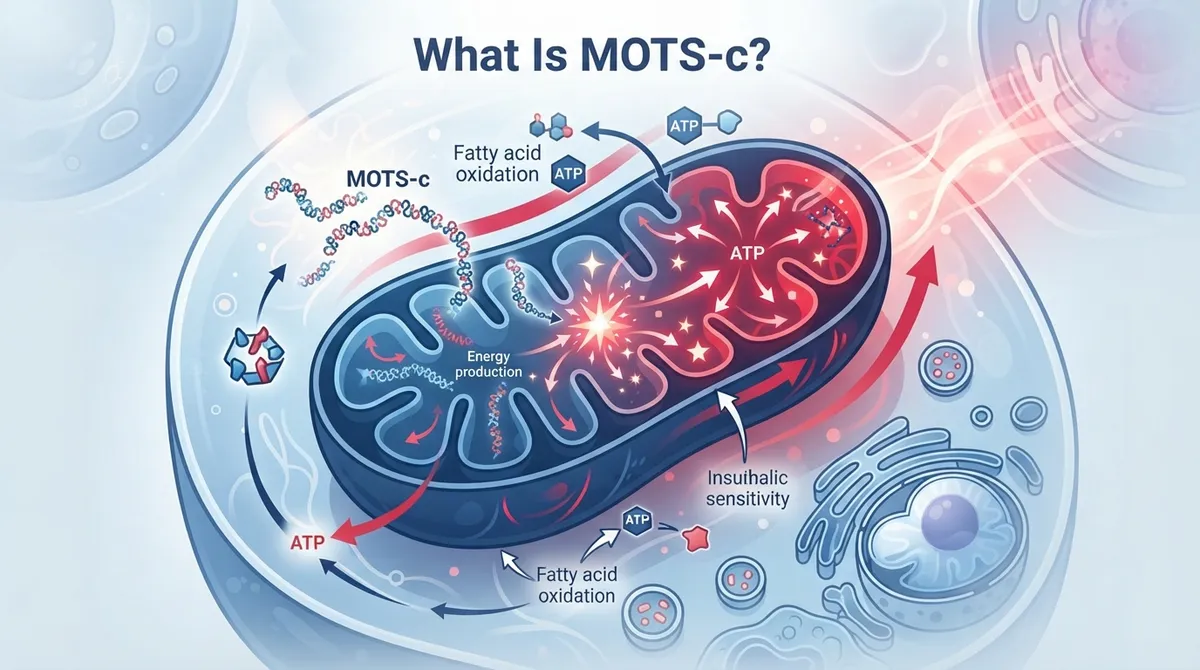
MOTS-c is a small peptide made inside your mitochondria, the energy-producing parts of your cells. Researchers are studying it because it appears to play a role in how your body uses energy, manages insulin, and responds to exercise stress. Most of what we know comes from lab studies and animal research, not large human trials.
This means MOTS-c remains an experimental compound. It has no FDA-approved use for weight loss, diabetes, anti-aging, or athletic performance. Products sold online claiming to be MOTS-c are not regulated the same way as approved medications, and their purity and safety are not guaranteed. You can read more about how peptide science is evolving in our article on MOTS-c facts wellness patients should know.

What Is Resveratrol?
Resveratrol is a natural compound found in grapes, berries, red wine, and peanuts. It belongs to a group of plant chemicals called polyphenols. For years, it has been marketed as an antioxidant that might support heart health, reduce inflammation, and even mimic some effects of calorie restriction.
Unlike MOTS-c, resveratrol has been studied in many human clinical trials. It is widely sold as an oral supplement in capsules, powders, and tinctures. But more research does not always mean better results. Recent studies raise real doubts about whether resveratrol delivers the benefits its marketing suggests.
MOTS-c vs Resveratrol: Key Differences
These two compounds are often mentioned together, but they work in very different ways and come with very different levels of evidence. Here is a side-by-side comparison to help clarify the differences.
|
Factor |
MOTS-c |
Resveratrol |
|---|---|---|
|
Source |
Mitochondrial-derived peptide |
Plant polyphenol (grapes, berries, peanuts) |
|
Typical Form |
Injection, lab administration |
Oral capsule or powder supplement |
|
FDA Approval |
None for wellness use |
Sold as a dietary supplement, not FDA-regulated as a drug |
|
Human Research |
Very limited, mostly preclinical |
More extensive, but inconsistent results |
|
Known Effects on Metabolism |
Unproven in humans |
No significant change in BMI, blood sugar, or cholesterol in recent trials |
|
Safety Data |
Limited long-term data |
Generally considered safe at food-level doses, less clear at high supplement doses |
What Does the Research Actually Show?
It's easy to get excited about early findings, but the details matter. Let's look at what recent studies actually found for each compound.
Resveratrol Studies: Mixed Results at Best
A 2024 systematic review and meta-analysis looked at randomized controlled trials involving people with overweight or obesity. The results were underwhelming. Researchers found no significant effect on body mass index, with a mean difference of just 0.21 (95% CI −0.97 to 1.39). Blood sugar control, measured through HbA1c, showed no meaningful change either, with a standardized mean difference of 0.00 (95% CI −0.99 to 1.00).
The same review found no significant effect on triglycerides or total cholesterol. These are the numbers many people hope to improve with supplements, and the data simply doesn't support strong claims. Earlier research backs this up too. A high-dose resveratrol trial in obese men, published in 2012, found no meaningful improvement in insulin sensitivity, blood pressure, energy expenditure, body composition, or visceral fat. That's more than a decade of data pointing in the same direction: cautious, tempered results.
A separate 2024 systematic review noted that resveratrol studies vary widely in dose, formulation, and duration. This makes it hard to draw firm conclusions or recommend it as a standard treatment. If you're curious about the science behind supplement quality and dosing consistency, our piece on signs a supplement has high-grade bioavailability explains why formulation matters so much.
MOTS-c Research: Still in Early Stages
MOTS-c research is even further behind. Most available data comes from lab mice, not people. A related analog called CB4211 has been tested in a small Phase 1a/1b human study, but that trial focused on tolerability and safety, not proof of long-term benefits for diabetes, obesity, or longevity.
There is no reliable clinical statistic showing that commercially marketed MOTS-c improves weight, blood sugar, longevity, or athletic performance in everyday patients. A newer trial is now underway, according to ClinicalTrials.gov, and early coverage suggests MOTS-c has entered Phase 2a testing for prediabetes in 2026. This is a meaningful step, but it's still far from proof that MOTS-c works safely for general wellness use.
Why Neither Should Replace Proven Care
It's tempting to try the newest peptide or supplement trend, especially when marketing promises fast results. But neither MOTS-c nor resveratrol should replace treatments with strong evidence behind them. These include:
- Balanced nutrition and regular physical activity
- Consistent sleep habits
- Routine vaccinations and preventive screenings
- Medical management of diabetes, high blood pressure, or high cholesterol
- Prescribed medications when recommended by your doctor
If you're managing a chronic condition, working with a primary care team gives you a much clearer path forward than experimenting with unproven compounds. Our guide on how primary doctors help manage chronic illnesses covers this in more detail.
Who Should Be Extra Careful?
Some people face higher risks if they try MOTS-c or resveratrol without medical guidance. You should talk to a clinician first if you fall into any of these groups:
- You are pregnant or breastfeeding
- You have liver or kidney disease
- You take blood thinners or antiplatelet medications
- You use insulin or other glucose-lowering drugs
- You are preparing for surgery in the near future
Resveratrol supplements can also interact with certain medications, and product quality varies widely between brands. Dose, purity, and bioavailability differ from bottle to bottle, so results from one clinical trial don't automatically apply to every product on store shelves.
How a Primary Care Visit Helps You Decide
Instead of guessing which supplement or peptide might help, a visit with a primary care provider gives you real answers based on your health history. During a wellness visit, your provider can:
- Review your current medications for possible interactions
- Order lab work to check baseline metabolic health
- Discuss realistic expectations based on current research
- Recommend evidence-based alternatives for your specific goals
- Monitor your progress if you choose to try any new therapy
At InCare, our providers take time to walk through these details with patients in both Tampa and Riverview. If you're interested in evidence-based approaches to metabolism and weight management, our weight loss program and metabolic breath analysis services offer measurable, medically supervised options.
Exploring Safer Wellness Alternatives
If your goal is better metabolic health, longevity, or energy, there are proven paths worth exploring first. These include:
- Body composition analysis to track real changes in muscle and fat over time
- DNA gene testing to understand your personal health risks and metabolism
- IV hydration and vitamin therapy for targeted nutrient support
- Cancer screenings to catch problems early, when they're most treatable
- Structured weight loss programs guided by a medical provider
These services use established methods with measurable outcomes, rather than relying on early-stage peptide research or inconsistent supplement data. Learn more about how body composition analysis works and what it can reveal about your health.
Final Thoughts: Trust Evidence, Not Trends
MOTS-c and resveratrol represent two very different stages of scientific research. Resveratrol has more human data, but recent studies show it rarely delivers meaningful metabolic改善. MOTS-c is still experimental, with almost no proof that commercial products work safely or effectively in people.
Neither compound should replace guidance from a licensed primary care provider. If you're curious about either one, or if you simply want a clear plan for improving your metabolic health, our team is here to help. Follow us on Facebook and Instagram for more wellness updates, or check out patient experiences on TikTok. You can also visit us on Google — InCare to see reviews from real patients in Tampa and Riverview.
Ready to build a wellness plan based on real evidence? Contact our team today to schedule a consultation and get answers backed by science, not hype.
FAQs
Q: What is the difference between MOTS-c and resveratrol?
A: MOTS-c is an experimental mitochondrial peptide typically studied through injection, while resveratrol is a plant polyphenol sold as an oral supplement. Resveratrol has far more human research behind it, but neither has strong proof of meaningful metabolic benefits.
Q: Is MOTS-c FDA approved for weight loss, diabetes, or anti-aging?
A: No. MOTS-c has no FDA-approved preparation for any wellness indication, including weight loss, diabetes management, or anti-aging. Early research on related analogs does not establish safety or effectiveness for commercially sold products.
Q: Does resveratrol improve blood sugar or insulin resistance?
A: Recent clinical evidence does not support this claim. A 2024 meta-analysis found no significant effect on HbA1c or insulin sensitivity in people with overweight or obesity.
Q: Can MOTS-c or resveratrol replace GLP-1 medications or metformin?
A: No. Neither compound has the clinical evidence needed to replace proven treatments like GLP-1 medications or metformin. These should only be adjusted under the guidance of a licensed physician.
Q: Should a primary care clinician recommend MOTS-c or resveratrol for wellness?
A: Given the limited and inconsistent evidence, most clinicians recommend caution. A primary care visit can help you weigh the actual risks and benefits based on your personal health history before considering either option.