Key Takeaways
- Bioavailability measures how much of a supplement's active ingredient actually reaches your bloodstream and becomes available for use; a supplement with poor bioavailability will pass through your body unused regardless of ingredient quality.
- Look for products backed by pharmacokinetic studies measuring AUC (area under the plasma concentration-time curve) and clinical trial data showing real health outcomes, not just marketing claims or lab-based absorption percentages.
- High-quality supplements use proven technologies like lipid-based delivery for fat-soluble vitamins, encapsulation to protect nutrients from stomach acid, and permeation enhancers that help nutrients cross the intestinal wall more efficiently.
- IV therapy delivers near-complete bioavailability by bypassing the digestive system entirely, making it the most reliable option for patients with poor gut absorption or those needing rapid nutrient replenishment.
- Personal factors like gut health, age, genetics, and medication interactions significantly affect nutrient absorption, making personalized supplement selection more effective than one-size-fits-all approaches.
- Common mistakes include choosing supplements based on price or packaging rather than evidence, taking fat-soluble vitamins without dietary fat, and ignoring individual health conditions that impact nutrient absorption.
Walk down any supplement aisle and you will see bold claims about "high-grade bioavailability" on nearly every label. But what does that phrase actually mean, and how do you know if a product lives up to it? For patients in Tampa and Riverview who invest in vitamins, IV drips, and targeted nutrients, this question matters more than most people realize. Bioavailability determines whether the nutrients you take actually reach your bloodstream and do their job.
At InCare, our providers regularly help patients understand which supplements are worth their money and which ones simply pass through the body unused. This guide breaks down nine clear signs that a supplement, IV therapy, or wellness product has genuinely high-grade bioavailability, backed by current research and clinical standards.

What Does High-Grade Bioavailability Mean?
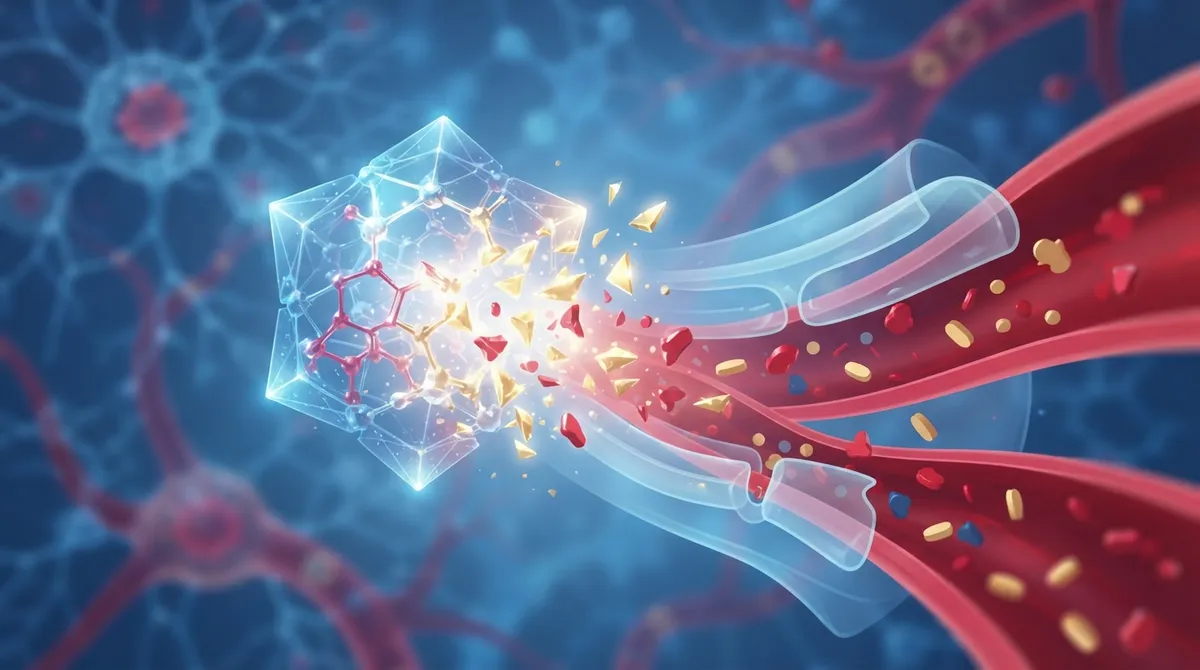
Bioavailability is the rate and extent to which an active ingredient reaches your bloodstream or its target site in the body. It is usually measured as a percentage, ranging from 0 to 1 on a continuous scale. A substance with 100% bioavailability means all of it enters circulation and becomes available for use.
High-grade bioavailability simply means a formulation is designed to maximize this absorption. This matters because a supplement that never reaches a minimum effective concentration in your blood cannot deliver its promised benefits, no matter how good the ingredients sound on paper.
Why This Matters for Your Health Goals
Many patients come to our primary care team asking why a supplement did not work as expected. Often, the issue is not the ingredient itself but how poorly it was absorbed. Understanding bioavailability helps you make smarter choices about vitamins, weight loss aids, and recovery-focused nutrients.

9 Signs a Supplement Has High-Grade Bioavailability
1. It Has Been Tested With Pharmacokinetic Studies
The gold standard for measuring bioavailability is a pharmacokinetic study that tracks the area under the plasma concentration-time curve, known as AUC. This measure reflects total exposure to a substance after it is taken. Products backed by AUC data have real evidence behind their absorption claims, rather than marketing language alone.
2. It Uses Lipid-Based Delivery Systems
Fat-soluble nutrients like vitamin D, vitamin E, and certain omega-3 compounds absorb better when paired with lipids. Lipid-based formulations help these nutrients cross the intestinal wall more efficiently. This is one reason many high-quality supplement lines package fat-soluble vitamins in oil-based capsules rather than dry tablets.
3. It Passes Dissolution Testing Standards
For immediate-release formulations, a common benchmark requires at least 85% of the active ingredient to dissolve within 30 minutes. This dissolution rate rules out one common reason supplements underperform: they simply do not break down fast enough in the digestive tract to be absorbed.
4. It Includes Encapsulation or Nutrient Compounding Technology
Encapsulation protects sensitive nutrients from stomach acid and enzymes that would otherwise degrade them before absorption. Nutrient compounding techniques further stabilize compounds so more of the active ingredient survives the digestive process intact.
5. It Uses Permeation Enhancers
Permeation enhancers are ingredients added to a formulation specifically to help nutrients cross the intestinal lining more easily. A 2025 review in Frontiers in Nutrition identified permeation enhancers as one of several proven technologies that improve bioavailability of vitamins and minerals.
6. It Accounts for Mineral-Specific Absorption Barriers
Minerals like iron, zinc, and calcium often face natural absorption barriers from compounds like phytic acid found in plant foods. High-quality formulations may include phytase, an enzyme that breaks down these barriers and improves mineral bioavailability.
7. It Is Delivered Intravenously When Appropriate
For certain nutrients, oral absorption is simply not efficient enough to produce a noticeable effect. This is why IV hydration and vitamin drips are popular for patients who need rapid, near-complete bioavailability. Bypassing the digestive system entirely delivers nutrients directly into circulation.
8. It Is Backed by Clinical Trial Data, Not Just Lab Results
Improved absorption in a test tube does not always translate to better health outcomes in real patients. Reliable products cite clinical trials showing measurable benefits, not just laboratory bioavailability percentages. This distinction separates genuine high-grade bioavailability from clever marketing.
9. It Fits Your Personal Health Profile
Bioavailability is not just about the product. Patient factors like gut health, age, and genetics also affect how well you absorb nutrients. This is one reason DNA gene testing has become a valuable tool for personalizing supplement choices based on your unique biology.
Comparing Common Bioavailability-Enhancing Technologies
TechnologyHow It WorksBest Suited ForLipid-based formulationsPairs nutrients with fats to improve intestinal absorptionFat-soluble vitamins (A, D, E, K)EncapsulationProtects nutrients from stomach acid breakdownSensitive compounds like probioticsPermeation enhancersImproves how nutrients cross the intestinal wallPeptides and larger moleculesPhytaseBreaks down absorption-blocking compounds in plantsMinerals like iron, zinc, calciumIV administrationDelivers nutrients directly into the bloodstreamRapid hydration and vitamin replenishment
How Clinicians Evaluate Supplement Quality
Providers assess more than just a label claim when recommending a supplement. Here is the general process our team follows when evaluating whether a product is worth recommending to patients:
- Review published pharmacokinetic or clinical trial data supporting the formulation.
- Check whether the ingredient dose matches what studies show is effective.
- Confirm the delivery method suits the specific nutrient being taken.
- Consider the patient's individual health history and absorption capacity.
- Monitor bloodwork or symptoms over time to confirm real-world results.
This structured approach helps avoid wasting money on products that sound impressive but lack real evidence. Our providers, including those at Naveen Paddu, MD and Pramjeet Ahluwalia, MD, incorporate this thinking into personalized wellness plans for patients across Tampa and Riverview.
Bioavailability vs. Absorption: Understanding the Difference
These terms are often used interchangeably, but they are not identical. Absorption refers to the process of a substance entering the bloodstream through the digestive tract. Bioavailability is a broader measure that accounts for absorption plus how much of the substance survives metabolism to become active in the body.
- Absorption happens first, as nutrients move across the intestinal wall.
- Bioavailability accounts for losses during liver metabolism, known as the first-pass effect.
- A nutrient can be well absorbed but still have low bioavailability if much of it is broken down before reaching circulation.
- This is why IV therapy often achieves higher bioavailability than oral supplements for the same nutrient.
Common Mistakes Patients Make With Supplements
Many people assume that a higher price tag or fancier packaging automatically means better bioavailability. This is not always true. Here are frequent mistakes we see in our clinics:
- Choosing supplements based on marketing claims rather than clinical evidence.
- Taking fat-soluble vitamins without any dietary fat, reducing absorption significantly.
- Ignoring personal factors like gut health that affect how well nutrients are absorbed.
- Assuming higher bioavailability always means better health outcomes, without proof.
- Skipping professional guidance when starting a new supplement regimen.
Why Personalized Wellness Plans Matter
Bioavailability is not one-size-fits-all. Two people can take the same supplement and experience very different results based on genetics, digestive health, and existing nutrient levels. This is why our body composition analysis and metabolic breath analysis services help identify what your body actually needs before recommending any product.
Patients pursuing medically supervised weight loss often benefit most from this personalized approach, since nutrient timing and absorption can directly affect metabolism and energy levels. Our providers, including Teshy John, MD, work with patients to build supplement and nutrition strategies grounded in real data rather than guesswork.
The Role of IV Therapy in Maximizing Bioavailability
For patients who struggle with poor gut absorption or want faster results, IV hydration and vitamin drips remain one of the most reliable ways to achieve near-complete bioavailability. Because nutrients bypass the digestive system entirely, they enter the bloodstream directly and become available almost immediately for the body to use.
This approach is especially popular among patients recovering from illness, managing chronic fatigue, or seeking a quick wellness boost before a demanding week. It is one reason IV therapy has become a cornerstone service at both our Tampa and Riverview locations.
Questions to Ask Before Choosing a Supplement
Before adding any new supplement to your routine, consider asking these questions:
- Is there published research showing this formulation improves absorption?
- Does the dose match what clinical studies used to show benefit?
- Is this nutrient better delivered orally, or would IV therapy work better for my needs?
- Could my current health conditions affect how well I absorb this ingredient?
- Has a healthcare provider reviewed this supplement alongside my current medications?
Bringing these questions to your primary care provider ensures you get an honest, evidence-based answer rather than relying on product packaging alone.
Trusted Guidance From InCare
Understanding high-grade bioavailability empowers you to make smarter decisions about your health investments. Whether you are exploring cancer screening options, considering a hair restoration treatment, or simply trying to optimize your daily vitamin routine, working with a knowledgeable provider makes all the difference.
Our team stays current with research from trusted sources, including guidance published by the National Institutes of Health, to ensure every recommendation is grounded in real science. You can also follow our latest wellness tips and patient stories on Facebook, Instagram, and TikTok for practical, easy-to-understand health content.
With locations in Tampa and Riverview, InCare has built a reputation for combining advanced technology with genuine patient care. Many patients share their experiences and see what others are saying by visiting us on Google — InCare, where our clinic maintains a strong rating built on trust and results.
Conclusion
High-grade bioavailability is not just a marketing buzzword. It represents real, measurable science that determines whether your supplements and treatments actually work. From lipid-based formulations to IV therapy, the technologies behind absorption matter just as much as the ingredients themselves.
If you are ready to build a wellness plan grounded in evidence rather than guesswork, our team is here to help. Reach out to our team today to discuss your goals, or schedule your appointment now to start optimizing your health with personalized, science-backed care.
FAQs
Q: What does high-grade bioavailability mean in supplements?
A: High-grade bioavailability means a supplement is formulated to maximize how much of its active ingredient reaches your bloodstream. This often involves technologies like encapsulation, lipid-based delivery, or permeation enhancers that improve absorption beyond what a standard formulation achieves.
Q: Does higher bioavailability always mean better results?
A: Not necessarily. Improved absorption alone does not guarantee a better health outcome; claims should be supported by pharmacokinetic studies or clinical trials showing measurable benefit, not just lab-based absorption data.
Q: How is bioavailability measured in clinical studies?
A: Bioavailability is most commonly measured using the area under the plasma concentration-time curve, or AUC, which reflects total exposure to a substance after it is taken. This is considered the most reliable pharmacokinetic measure in clinical research.
Q: What is the difference between bioavailability and absorption?
A: Absorption refers to a substance entering the bloodstream through the digestive tract, while bioavailability accounts for absorption plus losses during liver metabolism. A nutrient can be well absorbed but still have lower bioavailability if much of it breaks down before becoming active in the body.
Q: Which delivery method offers the highest bioavailability for nutrients?
A: Intravenous delivery, such as IV hydration and vitamin drips, typically offers the highest bioavailability because nutrients bypass the digestive system and enter the bloodstream directly. This makes IV therapy a popular option for patients seeking fast, near-complete nutrient absorption.