
Key Takeaways
- Retatrutide is a triple-hormone agonist targeting GIP, GLP-1, and glucagon receptors, potentially producing larger weight loss results than currently available single or dual-target medications.
- Clinical trial data (TRIUMPH-1) showed participants on 12 mg lost 25% of body weight over 80 weeks compared to 3.9% with placebo, with extended treatment reaching ~30% weight loss at 104 weeks.
- Retatrutide remains unapproved by FDA and is only available through authorized clinical trials; any online or wellness clinic products claiming to be retatrutide carry serious safety and quality risks.
- Gastrointestinal side effects are common, with nausea affecting 42.4%, diarrhea 32%, vomiting 25.3%, and constipation 26.1% of participants at the highest trial dose, causing 11.3% to discontinue treatment.
- The medication is administered as a once-weekly subcutaneous injection with gradual dose escalation from 2 mg to 12 mg over weeks, allowing self-administration at home after proper training.
- Regulatory approval is estimated between 2026-2028, and patients should discuss currently FDA-approved weight loss medications with healthcare providers rather than pursuing unapproved alternatives.
Retatrutide has become one of the most talked-about topics in weight loss and metabolic health. Patients across Tampa and Riverview are asking their primary care providers about this experimental medication. But there is a lot of confusion about what it actually is, how it works, and whether it is even available yet. This article breaks down 12 key facts every patient should understand before asking a doctor about retatrutide.
At InCare, our team believes patients deserve clear, honest information about emerging treatments. Retatrutide is still investigational, meaning it has not received approval from the FDA. That does not stop people from searching for details, so we want to make sure our community gets accurate facts instead of hype. Whether you are managing weight, blood sugar, or general wellness, understanding where this drug stands today can help you make smarter choices with your primary care team.
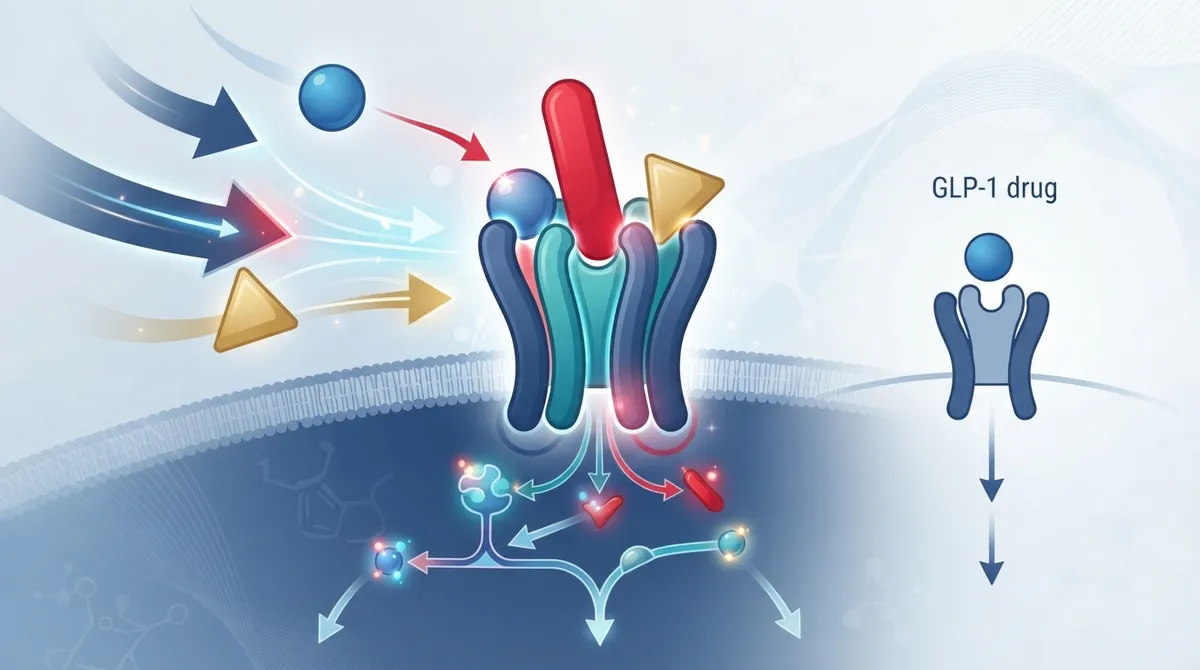
1. Retatrutide Is a Triple-Hormone Agonist, Not a Standard GLP-1 Drug
Retatrutide works differently than many weight loss injections already on the market. It activates three separate hormone receptors: GIP, GLP-1, and glucagon. Most currently available medications only target one or two of these pathways. This triple-action approach is why researchers believe retatrutide may produce larger weight loss results than earlier drugs.
The glucagon receptor activation is unique to this compound. Scientists think it may boost energy expenditure, meaning the body burns more calories at rest. This mechanism is still being studied closely in ongoing weight loss research programs.

2. It Is Delivered as a Once-Weekly Subcutaneous Injection
Like many modern metabolic medications, retatrutide is designed for subcutaneous injection. This means the medicine gets injected into the fatty tissue just under the skin, not into a muscle or vein. The dosing schedule studied in trials calls for one injection per week, similar to other well-known GLP-1 medications.
Subcutaneous delivery allows for slow, steady absorption into the bloodstream. This method is generally well tolerated and can often be self-administered at home once a patient receives proper training from a licensed provider.
3. Retatrutide Is Not Yet FDA Approved
This is one of the most important facts to understand. As of now, retatrutide has no approval from the FDA, the European Medicines Agency, or any other major regulatory body. It has no official brand name and cannot be legally prescribed for routine use outside of authorized clinical trials.
Any product sold online claiming to be "retatrutide" for weight loss or wellness use should raise serious concern. Legitimate access is currently limited to research settings only.
4. Clinical Trials Are Studying Multiple Health Conditions
Researchers are not just looking at weight loss. Current studies are examining retatrutide for several conditions, including:
- Obesity and overweight with related health conditions
- Type 2 diabetes
- Obstructive sleep apnea
- Knee osteoarthritis linked to obesity
Each of these trials collects data that regulators will eventually review before making any approval decisions. Until that review is complete, all potential uses remain investigational.
5. Trial Doses Start Low and Increase Gradually
Clinical trial protocols have used a careful dose-escalation strategy. Treatment typically begins at 2 mg and increases roughly every four weeks. Maintenance doses studied include 4 mg, 9 mg, and 12 mg.
This gradual approach helps reduce side effects during the early weeks of treatment. It is important to note that these are research protocols, not approved prescribing instructions that a doctor could currently follow outside of a trial.
6. Weight Loss Results From Trials Have Been Significant
The numbers from Phase 3 trial data have drawn a lot of attention. In the TRIUMPH-1 study, which included 2,339 adults with obesity or overweight, participants receiving the 12 mg dose lost an average of 25.0% of their body weight after 80 weeks. This compares to just 3.9% weight loss in the placebo group.
Some analyses using different statistical methods reported even higher results, up to 28.3% mean weight loss at the same dose and timeframe. Among patients with a BMI of 35 or higher who continued treatment to 104 weeks, weight loss reached approximately 30%. These are trial results, not guarantees, and they reflect a specific patient population under close medical supervision.
|
Trial Metric |
12 mg Dose Result |
Placebo Result |
|---|---|---|
|
Weight loss at 80 weeks (TRIUMPH-1) |
25.0% |
3.9% |
|
Extended weight loss at 104 weeks (BMI ≥35) |
~30% |
N/A |
|
HbA1c reduction (TRANSCEND-T2D-1, 40 weeks) |
~2 percentage points |
N/A |
|
Weight loss in diabetes trial (40 weeks) |
16.8% |
N/A |
7. Gastrointestinal Side Effects Are Common
Like other incretin-based therapies, retatrutide comes with notable gastrointestinal side effects. In the TRIUMPH-1 trial, the 12 mg group reported the following rates:
- Nausea: 42.4% of participants
- Diarrhea: 32.0% of participants
- Constipation: 26.1% of participants
- Vomiting: 25.3% of participants
For comparison, placebo group rates were much lower across all four symptoms. These numbers highlight why any future use of this medication would need careful monitoring by a qualified healthcare provider.
8. Some Patients Discontinued Treatment Due to Side Effects
Not everyone in the trials tolerated the higher doses well. Discontinuation rates due to adverse events were reported as follows:
- 11.3% at the 12 mg dose
- 6.9% at the 9 mg dose
- 4.1% at the 4 mg dose
- 4.9% in the placebo group
This data shows that higher doses came with a higher risk of patients stopping treatment. Any future clinical use would likely require gradual titration and close follow-up to manage these risks.
9. Diabetes Trial Data Shows Blood Sugar Improvements
Beyond weight loss, retatrutide has shown promise for blood sugar control. In the TRANSCEND-T2D-1 trial, which studied adults with recently diagnosed type 2 diabetes, results after 40 weeks showed HbA1c reductions of up to approximately 2 percentage points. Weight loss in this same trial reached up to 16.8% at the 12 mg dose.
These findings suggest the drug may eventually play a role in managing both weight and blood sugar together. However, more long-term data is needed before any conclusions can be drawn about routine clinical use.
10. Compounded or Online "Retatrutide" Products Carry Serious Risks
Because retatrutide is generating so much buzz, some websites now sell products labeled as retatrutide outside of any legitimate clinical trial. These products often come with no verified proof of what is actually in the vial. Concerns include:
- Uncertain purity and concentration
- Unknown sterility standards
- Improper storage during shipping
- No legal oversight or quality control
A licensed primary care physician would never present these unapproved products as safe or equivalent to FDA-approved treatment. Patients should be cautious of any clinic or online seller offering this drug outside of a research setting.
11. How Retatrutide Compares to Currently Available Options
Patients often ask how retatrutide might stack up against medications already used in clinical practice. While direct comparisons are limited since retatrutide remains investigational, some general distinctions can help frame the conversation:
|
Feature |
Retatrutide (Investigational) |
Currently Approved GLP-1/GIP Options |
|---|---|---|
|
Receptor targets |
GIP, GLP-1, and glucagon |
GLP-1 alone or GLP-1/GIP combination |
|
Regulatory status |
Not FDA approved |
FDA approved for specific uses |
|
Administration |
Weekly subcutaneous injection (trial protocol) |
Weekly subcutaneous injection |
|
Availability |
Clinical trials only |
Prescription through licensed providers |
Until retatrutide receives regulatory approval, patients seeking medically supervised weight management should discuss currently available, evidence-based options with their doctor. Our team offers guidance on choosing the right injection for weight loss based on approved treatments and individual health needs.
12. When Might Retatrutide Become Available?
Regulatory review takes time. Phase 3 trials must be completed, data must be submitted, and agencies like the FDA must conduct thorough safety reviews before any approval decision is made. Industry timelines have suggested a possible approval window sometime between 2026 and 2028, though this is not guaranteed and could shift based on trial outcomes.
Until an official approval happens, patients should not expect this medication to be available through routine prescriptions at wellness clinics or medical spas. Staying informed through reliable sources, rather than social media hype, is the safest approach.
Why Working With a Trusted Primary Care Team Matters
Emerging treatments like retatrutide highlight why having a dependable primary care relationship is so valuable. A knowledgeable provider can help you separate real science from online speculation. They can also guide you toward FDA-approved options that are proven safe and effective right now.
At InCare, our providers, including Dr. Pramjeet Ahluwalia and Dr. Teshy John, stay current on the latest research so patients receive accurate, up-to-date guidance. We combine this knowledge with services like body composition analysis and DNA gene testing to build weight management plans tailored to each patient's unique biology.
Our Tampa and Riverview locations offer a full range of primary care and wellness services, from cancer screenings to IV hydration therapy. Patients consistently mention our friendly staff and attentive care, which has helped InCare maintain a strong reputation across the community. You can visit us on Google — InCare to read reviews from real patients before booking your first visit.
Staying Informed About Emerging Weight Loss Treatments
New medications like retatrutide remind us how quickly the wellness field is changing. Following credible updates matters, whether through medical journals or trusted clinic resources. You can also follow InCare on Facebook and Instagram for practical health tips, or check out our TikTok page for quick wellness insights.
For general drug safety information, resources like the U.S. Food and Drug Administration provide updates on investigational medications and approval processes. Patients can also review published trial data through the National Institutes of Health to better understand how new treatments are studied before reaching the public.
If you have questions about weight management, blood sugar control, or general wellness, our team is ready to help. Reach out to our team to discuss your health goals, or schedule your appointment today to explore safe, proven options available right now.
FAQs
Q: What is retatrutide subcutaneous injection used for?
A: Retatrutide is an investigational medication being studied for obesity, type 2 diabetes, sleep apnea, and knee osteoarthritis linked to obesity. It is administered as a once-weekly subcutaneous injection in clinical trials, but it has no approved use outside of research settings at this time.
Q: Is retatrutide FDA approved?
A: No, retatrutide does not currently have FDA approval or approval from any other major regulatory agency. It has no official brand name and cannot be legally prescribed for routine primary care or wellness use until clinical trial data is fully reviewed.
Q: How is retatrutide different from semaglutide and tirzepatide?
A: Retatrutide activates three hormone receptors: GIP, GLP-1, and glucagon, while semaglutide targets only GLP-1 and tirzepatide targets GLP-1 and GIP. This triple-action mechanism is why researchers believe retatrutide may produce greater weight loss results in clinical trials.
Q: What are the side effects of retatrutide?
A: The most common side effects reported in trials are gastrointestinal, including nausea, diarrhea, constipation, and vomiting. In the TRIUMPH-1 trial at the 12 mg dose, nausea occurred in 42.4% of participants, making careful medical monitoring essential.
Q: Can I get retatrutide from a wellness clinic or medical spa?
A: No, retatrutide is not legally available for prescribing outside of authorized clinical trials. Any product sold online or at a wellness clinic claiming to be retatrutide has uncertain quality, safety, and legal standing, and should be avoided.