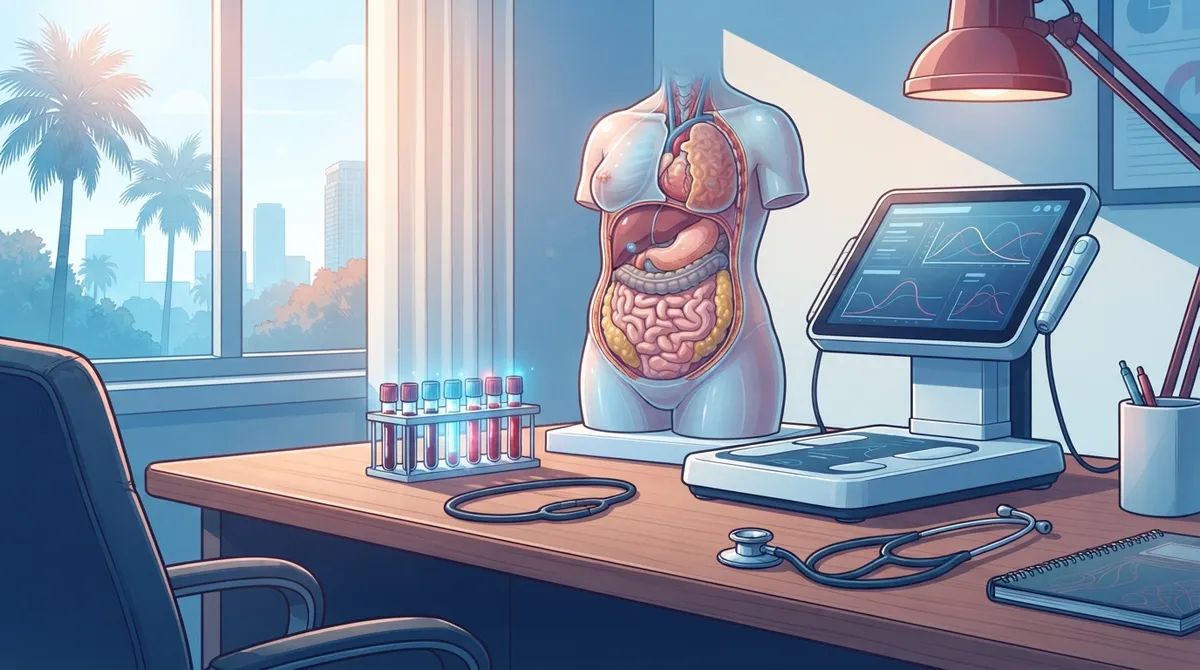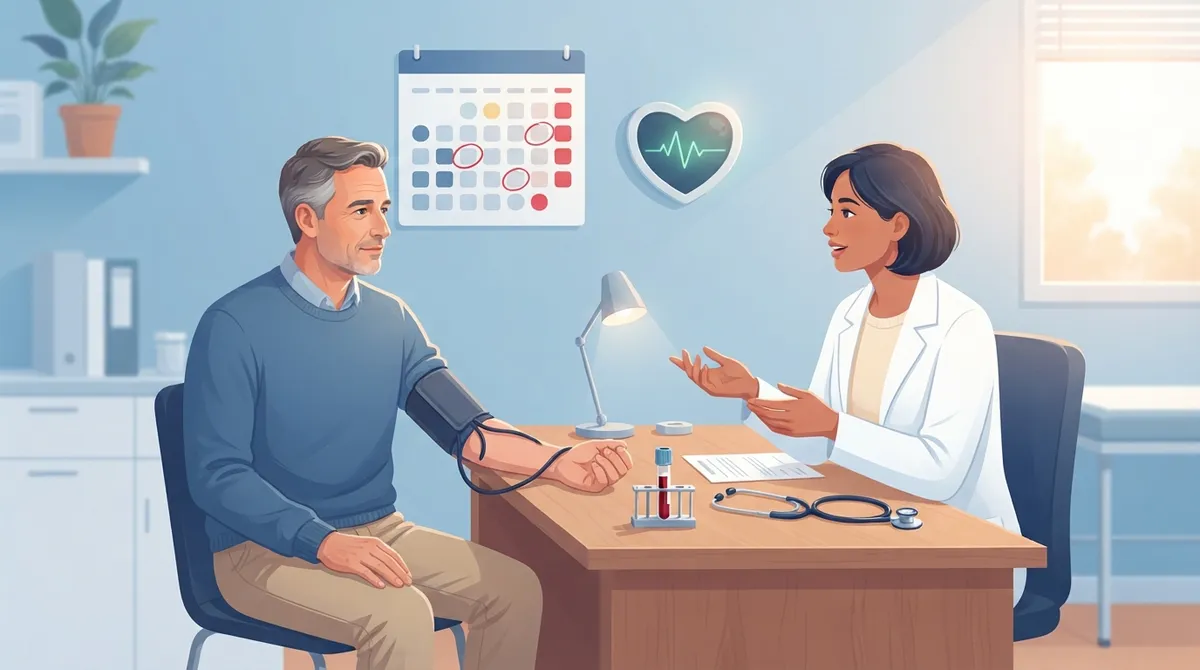
Low sexual desire is one of the most common concerns women bring to a doctor, yet many never raise it. Some feel embarrassed. Others assume it is just part of busy life, motherhood, or aging. The truth is simpler: changes in desire are real, they have identifiable causes, and they often respond to good medical care. If you are searching for libido treatment for women in Riverview, this guide explains what causes low desire, how a primary care evaluation works, and which treatment paths exist in 2026.
Low desire is not automatically a disorder. Clinicians look at whether the change is persistent and causes you personal distress. Your own goals matter most. A respectful, private conversation with a trusted provider is the right place to start. At InCare, our approach is built on prevention, whole-body health, and personalized plans, which is exactly the lens that sexual wellness needs.
What Is Low Libido in Women?
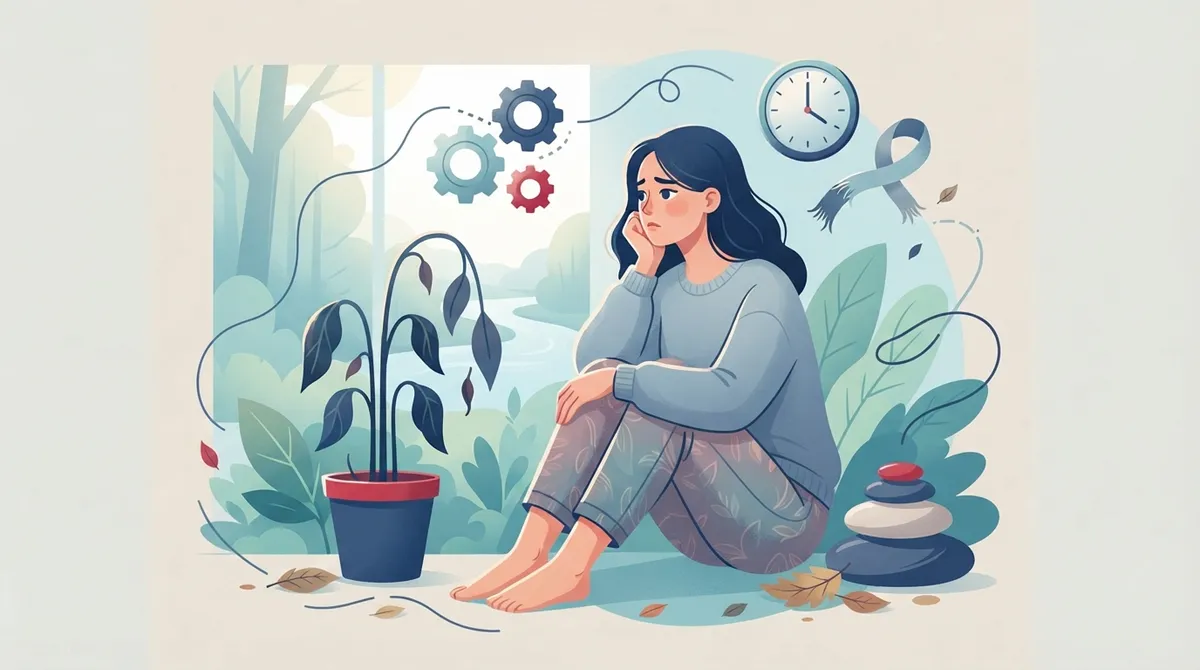
Low libido means a reduced interest in sexual activity that feels different from your usual pattern. It can show up as fewer sexual thoughts, less interest in starting intimacy, or little response when a partner initiates.
Clinicians use specific criteria before giving a diagnosis. One clinical reference describes female sexual interest and arousal disorder as symptoms lasting at least six months that cause clinically significant distress. A diagnosis depends on the applicable criteria and a proper assessment. Many women have temporary dips in desire that do not meet this standard, and that is normal.
The key question is simple: does this change bother you? If yes, it deserves attention.
Common Causes of Low Libido in Women
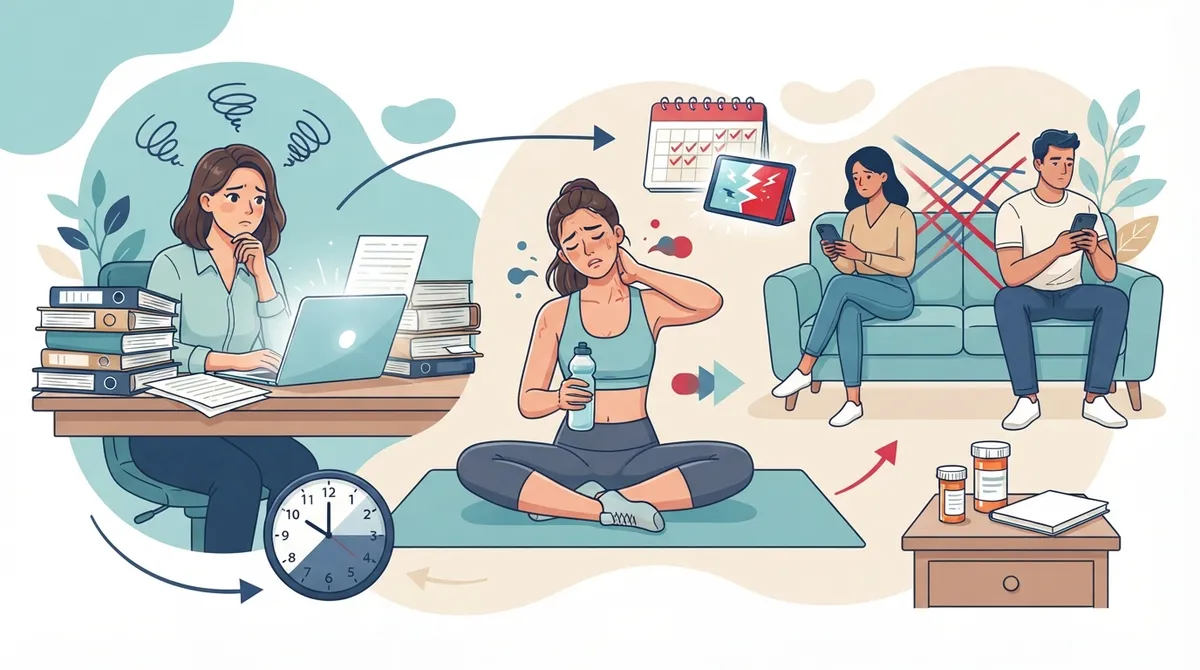
Desire is shaped by the body, the mind, and relationships all at once. That is why a single pill rarely solves the problem for everyone. Common contributors include:
- Hormonal shifts: Perimenopause, menopause, pregnancy, breastfeeding, and postpartum changes can all affect desire.
- Medications: Some antidepressants, blood pressure medicines, and other prescriptions can lower libido.
- Physical discomfort: Vaginal dryness and painful sex can reduce interest because intimacy becomes uncomfortable.
- Mood and stress: Depression, anxiety, burnout, and poor sleep are strong drivers of low desire.
- Chronic health conditions: Thyroid problems, diabetes, heart disease, and obesity can play a role.
- Relationship factors: Communication gaps, unresolved conflict, or lack of emotional closeness often affect desire.
- Life stage and lifestyle: Caring for young children, long work hours, and constant fatigue leave little energy for intimacy.
Because causes overlap, a thorough review is the most useful first step.
When Should You Talk to a Doctor?
Consider scheduling a visit if you notice any of the following:
- Your desire has dropped for several months and you want it back.
- The change is causing distress for you or strain in your relationship.
- Sex is painful or uncomfortable.
- The change began after starting a new medication.
- You also feel persistent sadness, anxiety, fatigue, or sleep problems.
- You are going through menopause or a major life transition.
You do not need to wait until the problem feels severe. Early conversations often lead to simpler solutions.
How Primary Care Evaluates Low Libido
A primary care visit is a strong starting point because your doctor already looks at your whole health. Low desire rarely has just one cause, and primary care is built to connect the dots.
A typical evaluation may include:
- A confidential history: Your doctor asks about your sexual health, goals, and what has changed.
- A medication and substance review: Prescriptions, supplements, alcohol, and other substances are checked for effects on desire.
- Mood, stress, and sleep screening: Emotional health is a major piece of the picture.
- Relationship and life context: Your provider explores stressors without judgment.
- Menopause and pain assessment: Dryness, hot flashes, and discomfort during sex are discussed.
- Physical exam and targeted tests: A pelvic exam or lab work may be recommended based on your symptoms.
It is worth noting that routine hormone level testing is not generally recommended by the clinical reference guiding this topic. Testing should be targeted to your symptoms rather than ordered automatically.
If you do not yet have a regular doctor, our guide on what happens during an annual wellness visit shows how a first visit works. You can also review our primary care services to see how whole-person care is delivered.
Treatment Options for Low Libido in Women
Treatment is individualized. Most plans combine several approaches rather than relying on one fix. The table below summarizes the main categories.
|
Approach |
What It Involves |
Best For |
|---|---|---|
|
Education and counseling |
Learning how desire works and addressing barriers |
Most women as a first step |
|
Sex therapy or relationship support |
Guided work on communication, intimacy, and stress |
Relationship strain or emotional barriers |
|
Cognitive behavioral therapy and mindfulness |
Structured, skills-based approaches |
Anxiety, body image concerns, distracted thinking |
|
Treating contributing conditions |
Managing depression, thyroid issues, sleep problems, or pain |
Women with an identifiable medical cause |
|
Medication review |
Adjusting or changing drugs that lower desire |
Women whose symptoms began with a new prescription |
|
Menopause-related therapy |
Treating dryness, pain, or other menopausal symptoms |
Perimenopausal and postmenopausal women |
|
Prescription desire medication |
FDA-approved options for diagnosed HSDD |
Carefully selected, eligible patients |
Non-Drug Approaches
Counseling, sex therapy, cognitive behavioral therapy, and mindfulness-based methods are well described treatment options. They help women understand their own desire patterns, lower stress, and rebuild connection. These steps are often the foundation of care, even when medication is also used.
Treating Underlying Health Issues
Sometimes the best libido treatment is not a libido treatment at all. Managing blood sugar, improving sleep, treating depression, or addressing thyroid problems can bring desire back. This is where a primary care team adds real value. Our article on comprehensive primary care explains why looking at the whole picture matters.
Menopause and Vaginal Health
Vaginal dryness and painful sex can reduce desire because intimacy stops feeling good. Vaginal estrogen and other menopause-related treatments may help these symptoms. They are not general libido boosters, but easing discomfort often improves interest indirectly. If hormone therapy is a topic you want to explore, read about BHRT versus traditional HRT.
Prescription Options: Flibanserin and Bremelanotide
Two prescription medicines are approved for appropriately diagnosed hypoactive sexual desire disorder (HSDD): flibanserin (Addyi) and bremelanotide (Vyleesi). Their FDA indications and eligibility differ. The sources reviewed describe both as indicated for premenopausal women. Because labeling can change, always confirm current eligibility with a clinician.
|
Feature |
Flibanserin (Addyi) |
Bremelanotide (Vyleesi) |
|---|---|---|
|
How it is taken |
Daily tablet at bedtime |
As-needed injection |
|
Timing |
Every day, regardless of activity |
At least 45 minutes before anticipated sexual activity |
|
Dosing limits |
Reassess after eight weeks |
No more than one dose in 24 hours and eight doses per month |
|
Common concerns |
Dizziness, sleepiness, nausea, low blood pressure, fainting |
Nausea; blood pressure and heart history matter |
|
Key caution |
Alcohol and interacting medicines need careful review |
Cardiovascular history should be reviewed |
What to Know About Flibanserin
Flibanserin is taken at bedtime every day. It can cause dizziness, sleepiness, nausea, and low blood pressure or fainting. Alcohol and certain other medicines can raise risks, so this must be discussed openly with your clinician. Mayo Clinic guidance recommends reassessing benefit and stopping the medicine if desire has not improved after eight weeks.
What to Know About Bremelanotide
Bremelanotide is given as a 1.75 mg subcutaneous injection at least 45 minutes before expected sexual activity. The FDA label limits use to one dose in 24 hours and no more than eight doses per month. Nausea is common, and your blood pressure and cardiovascular history should be checked first.
A Note on Testosterone and Supplements
Testosterone is not FDA-approved for female sexual dysfunction. Compounded hormones and over-the-counter supplements are sometimes marketed as proven libido fixes, but they should not be presented as risk-free or well established. Ask your provider about the evidence before starting anything.
Finding Libido Treatment for Women in Riverview
The name "Riverview" is shared by several communities across the country, so confirm the city and state when you search. For women in Riverview, Florida, local care is available close to home. InCare operates a clinic in Riverview and another in Tampa, which makes it easier to build a long-term relationship with a primary care team.
When choosing a provider for women's sexual health, look for these qualities:
- A doctor who listens without rushing or judgment
- A full evaluation rather than a quick prescription
- Clear explanations of risks, benefits, and alternatives
- Coordination with counseling or specialists when needed
- Verified credentials and transparent services
You can meet our clinicians on the providers page and see clinic details on the locations page. For more help choosing, read how to choose the right Riverview clinic for your health. Patients also share their experiences on Google, where InCare maintains a 4.8 out of 5 rating.
Why a Whole-Body Approach Works Best
Desire is connected to energy, sleep, weight, hormones, and emotional health. Treating only one piece often leaves the rest unresolved. A whole-body primary care model can address several of these at once.
At InCare, women can access services that support overall wellness, including medical weight loss, cancer screenings, and DNA gene testing for personalized health insight. Many women find that improving fatigue, metabolic health, and preventive care makes a noticeable difference in how they feel overall, including their interest in intimacy. If you are due for routine screening, our article on well woman exam mistakes to avoid is a useful read.
Busy schedules are a real barrier, especially for younger women and parents. Virtual visits and same-day options help you get answers without disrupting your week. See how same-day appointments can fit into a full life.
Practical Steps You Can Start Today
While you plan a medical visit, these steps can help set you up for a productive conversation:
- Track your symptoms. Note when your desire changed and what else was happening at the time.
- List your medications and supplements. Bring everything, including over-the-counter products.
- Write down your goals. Decide what a good outcome looks like for you.
- Consider your partner. If comfortable, share what you are experiencing and invite open dialogue.
- Protect your sleep and stress levels. Small improvements here can help desire over time.
- Book a confidential visit. The sooner you talk to a provider, the sooner you can find answers.
Take the First Step With InCare
Low libido is common, treatable, and nothing to be ashamed of. The best results come from a careful evaluation, honest conversation, and a plan built around your body and your goals. InCare's Riverview team combines advanced technology with personalized, whole-body care, making it a trusted choice for women who want real answers.
Ready to talk? Book your appointment today, or contact our team with questions. You can also follow our wellness updates on Instagram, Facebook, and TikTok.
FAQs
Q: What can cause low libido in women?
A: Low libido can result from hormonal changes, certain medications, mood disorders, chronic health conditions, painful sex, stress, poor sleep, and relationship factors. Because causes often overlap, a full evaluation helps identify the right treatment.
Q: When should I talk to a doctor about low sexual desire?
A: Schedule a visit if your desire has changed for several months and the change bothers you. You should also seek care if sex is painful, symptoms began after a new medication, or you also have ongoing mood or sleep problems.
Q: How is low libido evaluated in primary care?
A: A primary care provider takes a confidential history, reviews medications, and screens for mood, stress, and relationship factors. A pelvic exam or targeted tests may follow, though routine hormone testing is not generally recommended.
Q: Are Addyi or Vyleesi right for me?
A: Both are prescription options for appropriately diagnosed HSDD, and eligibility differs between them. Addyi is a daily bedtime tablet with alcohol and interaction cautions, while Vyleesi is an as-needed injection with dosing limits. A clinician must confirm current FDA labeling and your eligibility.
Q: Can menopause or painful sex affect sexual desire?
A: Yes. Vaginal dryness and painful intercourse can lower desire because intimacy becomes uncomfortable. Vaginal estrogen and other menopause-related treatments may ease these symptoms, though they are not general libido boosters.