Key Takeaways
- Low sex drive becomes a medical concern when it is persistent for months, a clear shift from your baseline, or causes personal distress or relationship strain.
- If low desire does not bother you, treatment may not be needed, since distress is a key part of the clinical picture.
- Common contributors include chronic conditions like diabetes and thyroid disease, depression, stress, pain, alcohol use, and life-stage hormone changes.
- Some medications, especially SSRI antidepressants and certain blood pressure medicines, can lower desire, but never stop a prescription without talking to your clinician first.
- Consider a visit if low libido comes with fatigue, mood changes, erectile problems, vaginal dryness, or pain during sex, or started around a new medication.
- A primary care evaluation typically includes a detailed history, a physical exam when needed, and targeted testing rather than assuming one hormone explains everything.
Many adults notice a drop in sexual desire at some point and wonder if something is wrong. The short answer is this: low sex drive is not always a medical problem, but it can point to one. Desire changes with age, stress, sleep, and life stage. It becomes a medical concern when the change is lasting, unexpected, or causes distress for you or your relationship.
That distinction matters. A lower libido during a stressful quarter at work is common. A steady loss of interest that comes with fatigue, mood changes, pain, or new medications deserves a closer look. In 2026, more people than ever are asking their primary care team about sexual health, and that is a healthy step.
This article explains when low sex drive is normal, when it is a medical issue, what causes it, and how a primary care clinician evaluates it. It also covers treatment options and when to book a visit. At InCare, we see this concern often, and we treat it as a real health topic worth a real conversation.

Is Low Sex Drive a Medical Issue? The Direct Answer
Low sex drive, also called low libido, is not automatically a medical disorder. Sexual desire varies from person to person and changes over time. There is no single "normal" level.
Low desire becomes a medical issue when it meets one or more of these conditions:
- The change is persistent and lasts for months, not days.
- It is a clear shift from your usual baseline.
- It causes personal distress or strain in a relationship.
- It appears alongside other symptoms, such as fatigue, pain, mood changes, or erectile or vaginal problems.
If your desire is low but it does not bother you, treatment may not be needed. Distress is a key part of the clinical picture. Doctors look at how the change affects you, not only at how often you feel desire.

How Common Is Low Sex Drive?
Low desire is very common, and the numbers vary widely based on age and how researchers define it. A 2020 Australian cross-sectional study of 10,554 women aged 18 to 79 found low sexual desire in 27.4% of women aged 18 to 24 and in 91.6% of women aged 75 to 79. The same study reported low desire in 31.7% of younger women, 67.5% of midlife women, and 89.2% of older women.
These figures describe low desire, not a diagnosed disorder. The study also measured distress separately, which shows that low desire alone does not prove something is medically wrong.
For men, guideline material from the European Association of Urology reports estimates of low sexual desire ranging from 3% to 28%. The wide range reflects differences in populations and definitions.
|
Group |
Reported Low Desire |
Key Takeaway |
|---|---|---|
|
Women 18-24 |
27.4% |
Low desire is common even in young adults |
|
Women 75-79 |
91.6% |
Desire often declines with age |
|
Men (various studies) |
3% to 28% |
Wide range due to differing definitions |
The takeaway is simple. Low desire is widespread, so it is not a reason for shame. But frequency does not mean you should ignore it if it bothers you.
Common Medical Causes of Low Sex Drive
Low libido rarely has a single cause. Physical, psychological, medication-related, and relationship factors often overlap. A primary care visit helps sort them out.
Chronic Health Conditions
Long-term illness can lower desire. Examples include diabetes, heart disease, thyroid problems, chronic pain, and sleep disorders. These conditions affect energy, blood flow, hormones, and mood, all of which shape desire. If poor sleep is part of the picture, our guide on how to know when to see a doctor for poor sleep can help you decide on next steps.
Hormonal and Life-Stage Changes
Hormones influence desire in both women and men. Common life-stage changes include:
- Menopause and perimenopause
- Pregnancy and the postpartum period
- Breastfeeding
- Low testosterone or other endocrine conditions in men
Low testosterone can reduce desire, but it does not always cause it. Symptoms and a clinical evaluation are needed before anyone assumes a hormone is the cause. If you want to understand your options, read about who provides medically supervised TRT in Tampa Bay.
Mental Health and Stress
Depression and anxiety are among the most common contributors to low desire. Ongoing stress, burnout, and fatigue also take a toll. The brain is the largest sexual organ, so mood and mental load matter as much as hormones.
Medications
Some medicines can reduce sexual desire. Certain antidepressants, especially SSRIs, are a well-known example. Some blood pressure medicines and other prescriptions can also play a role.
Do not stop a prescribed medication on your own. A clinician can review your options, adjust a dose, or consider an alternative. A careful medication review is one of the most useful steps in any libido evaluation. Our article on prescription management tips for better health in 2026 offers practical guidance.
Pain, Erectile Difficulties, and Vaginal Dryness
Pain during sex, erectile difficulties, or vaginal dryness can reduce desire over time. When sex feels uncomfortable or frustrating, the mind often pulls away from it. Treating the underlying problem can bring desire back.
Alcohol, Drugs, and Lifestyle
Heavy alcohol use, drug use, poor sleep, lack of exercise, and weight changes can all lower libido. Small lifestyle shifts sometimes make a noticeable difference.
Relationship and Life Context
Relationship conflict, poor communication, and major life changes affect desire. These are not "medical" in the strict sense, yet they are valid health concerns. A good clinician asks about them without judgment.
When Should You See a Doctor About Low Libido?
You do not need to wait for a crisis. Consider a visit if any of the following apply:
- Your desire has stayed low for several months.
- The change feels sudden or out of character.
- It causes distress for you or strains your relationship.
- You also have fatigue, mood changes, weight changes, or pain.
- You started a new medication around the time the change began.
- You have erectile problems, pain during sex, or vaginal dryness.
Many people feel embarrassed to raise this topic. Clinicians discuss it routinely, and it is a normal part of whole-body care. Bringing it up early often leads to simpler fixes.
How a Primary Care Clinician Evaluates Low Sex Drive
Primary care is a practical starting point. Your clinician can look at the full picture rather than one piece of it. A typical evaluation follows a few steps.
Step 1: A Detailed Conversation
Your clinician asks about the timing and impact of the change. Questions often cover your medical and mental health history, current medications, sexual symptoms, sleep, stress, alcohol use, and relationship factors. Honest answers lead to better care.
Step 2: A Physical Exam When Needed
Depending on your symptoms, the visit may include a physical exam or, for some women, a pelvic exam. This helps identify pain, dryness, or other physical contributors.
Step 3: Targeted Testing
Testing should follow your history and symptoms. It should not assume one hormone explains everything. Depending on what the conversation reveals, your clinician may check for conditions such as thyroid disease or diabetes. Hormone levels are tested when clinically appropriate.
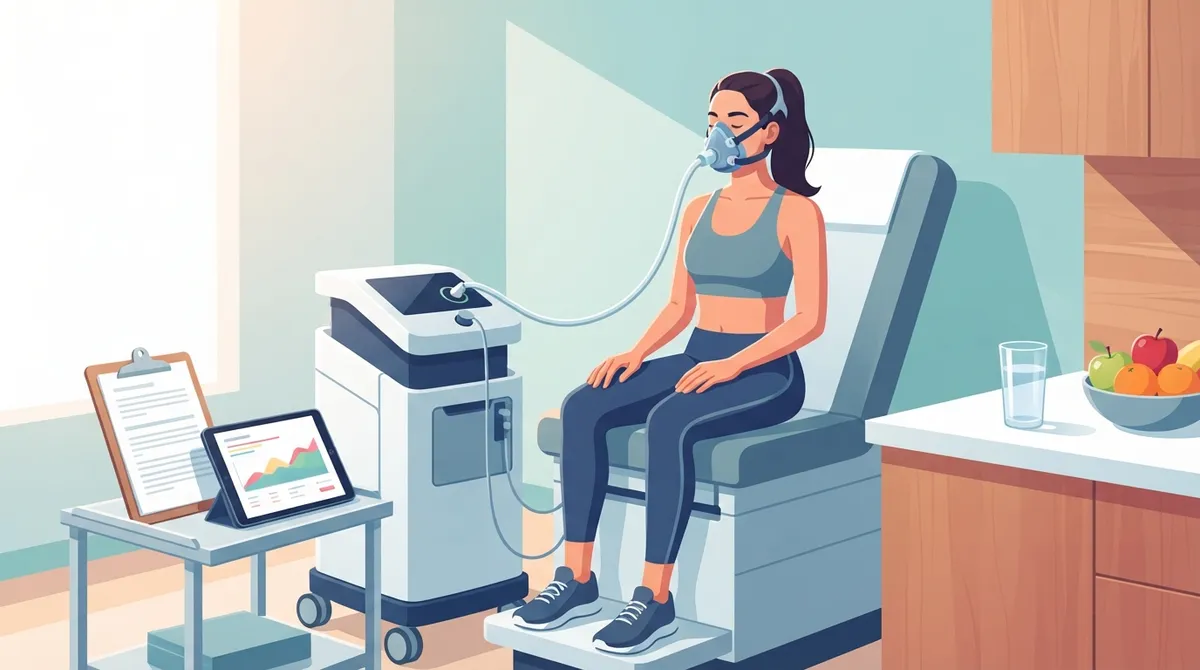
Advanced wellness tools can add helpful context. For example, a metabolic breath test can show how your body uses energy, which may connect to fatigue and overall vitality.
Step 4: Referral When Appropriate
If the cause points to a specialist issue or a need for counseling, your clinician can refer you. Coordinated care keeps you from bouncing between offices. Learn why that matters in our piece on getting better primary care coordination.
Treatment Options for Low Sex Drive
Treatment depends on the cause and on your goals. There is no single fix, and many people improve by addressing more than one factor.
|
Possible Cause |
Typical Approach |
|---|---|
|
Underlying health condition |
Treat the condition, such as thyroid disease or diabetes |
|
Medication side effect |
Review dose or consider alternatives with your clinician |
|
Hormonal change |
Targeted evaluation and, when appropriate, hormone-focused treatment |
|
Pain or vaginal dryness |
Treat the physical cause directly |
|
Erectile difficulties |
Evaluate and treat the underlying problem |
|
Depression, anxiety, or stress |
Mental health support and counseling |
|
Relationship concerns |
Couples or individual counseling |
If low desire does not bother you, you may not need treatment at all. The goal is to match care to your needs, not to chase a number.
Lifestyle Steps That Support Desire
Healthy habits help whatever the cause. Consider these steps:
- Aim for consistent, quality sleep.
- Move your body regularly.
- Limit alcohol and avoid recreational drug use.
- Manage stress with tools that work for you.
- Keep up with preventive care and screenings.
Weight can also play a role in energy, hormones, and body image. If this applies to you, a supervised plan may help. See why medical weight loss clinics work better in 2026.
Low Sex Drive Across Different Groups
Women
Women often notice changes tied to menopause, pregnancy, postpartum recovery, and breastfeeding. Stress and caregiving demands add to the load. Women in their 20s and 30s without an established primary care relationship benefit from a clinician who looks beyond reproductive care alone.
Men
Men may link low desire to age, stress, medications, erectile concerns, or low testosterone. A symptom review comes first, then testing if it fits.
Busy Parents and Young Professionals
Time pressure and exhaustion are major drivers. Many busy adults find that better sleep, fewer stressors, and a quick preventive visit make a real difference. Virtual visits can also make it easier to start the conversation.
Why Primary Care Is a Smart First Step
Low sex drive touches many body systems. A primary care clinician can connect the dots between your mood, sleep, hormones, medications, and chronic conditions. That whole-person view is hard to get from a single specialist visit.
InCare combines personalized primary care with advanced wellness tools to look at your health as a whole. With locations in Tampa and Riverview, plus virtual options, our team makes it easy to start a private, judgment-free conversation. If you are choosing a clinician, our guide to choosing the best primary care doctor in Tampa in 2026 can help. You can also read InCare reviews on Google to see what patients say about their care.
For general health and wellness updates, you can also follow InCare on Instagram, Facebook, and TikTok.
Key Takeaways
- Low sex drive is not always a medical problem, but it can signal one.
- Persistence and distress are the main reasons to seek care.
- Causes include health conditions, hormones, mental health, medications, pain, and relationship factors.
- Evaluation should be guided by your history, not by guesswork.
- Treatment depends on the cause and your goals, and it may not be needed if you are not distressed.
- Never stop a prescribed medicine without talking to your clinician.
Take the Next Step
If your desire has changed and it concerns you, you do not have to sort it out alone. A short visit can bring clarity and a plan. Our team treats this topic with respect and care. Book your visit with InCare today, or contact our team with questions. Taking this step in 2026 can help you feel more like yourself again.
FAQs
Q: Is low sex drive a medical condition or can it be normal?
A: Low sex drive can be completely normal, since desire varies between people and over time. It becomes a medical concern when the change is persistent, unexpected, or causes distress for you or your relationship. A primary care clinician can help you tell the difference.
Q: When should I see a doctor about low libido?
A: Consider a visit if your desire has stayed low for several months, changed suddenly, or bothers you or your partner. It is also wise to book a visit if low desire comes with fatigue, mood changes, pain, erectile problems, or vaginal dryness. A new medication started around the same time is another good reason to ask.
Q: Can antidepressants or blood pressure medicines lower sex drive?
A: Yes. Certain antidepressants, particularly SSRIs, and some blood pressure medicines can reduce sexual desire. Do not stop a prescribed medication on your own. Your clinician can review alternatives or adjust your dose safely.
Q: What tests might a doctor order for low sex drive?
A: Testing depends on your history and symptoms. A clinician may check for conditions such as thyroid disease or diabetes, and may measure hormone levels when it is clinically appropriate. Testing should be guided by your situation rather than assuming a single hormone is the cause.
Q: Does low testosterone always cause low sex drive?
A: No. Low testosterone can contribute to low desire in men, but it is not the only cause and does not always lead to it. Symptoms and a clinical evaluation are needed to decide whether hormones are involved.