

Key Takeaways
- GLP-1 medicines are safe for weight loss when prescribed by a clinician who reviews your medical history, raises doses slowly, and monitors you closely with regular follow-ups—safety depends on proper medical supervision, not the drug alone.
- Common side effects like nausea, diarrhea, and vomiting are usually mild to moderate and fade as your body adjusts, but severe or lasting symptoms can cause dehydration and kidney injury, requiring immediate medical attention.
- Avoid GLP-1 medicines if you have a personal or family history of medullary thyroid carcinoma, MEN 2 syndrome, severe gastroparesis, or are pregnant; combining these drugs with insulin or sulfonylureas increases low blood sugar risk and requires dose adjustment.
- Purchase only FDA-approved products from legitimate pharmacies with a valid prescription, as unsupervised use from unapproved or compounded sources is a major safety gap; never change your dose without medical guidance.
Weight loss injections are everywhere in 2026. Friends talk about them. Social media is full of them. So it is fair to ask a direct question: is GLP-1 safe for weight loss?
For many patients, the answer is yes, when a clinician prescribes the medicine and watches your progress. These drugs are not risk-free, though. They work best when your doctor checks your health history first and follows up often.
This guide explains how GLP-1 medicines work, what the research shows, and which side effects matter most. You will also learn who should avoid these drugs and what to ask before you start. Whether you are a busy parent, a young professional, or a wellness-minded adult, the goal is to help you make a safe, informed choice.
What Are GLP-1 Medicines for Weight Loss?
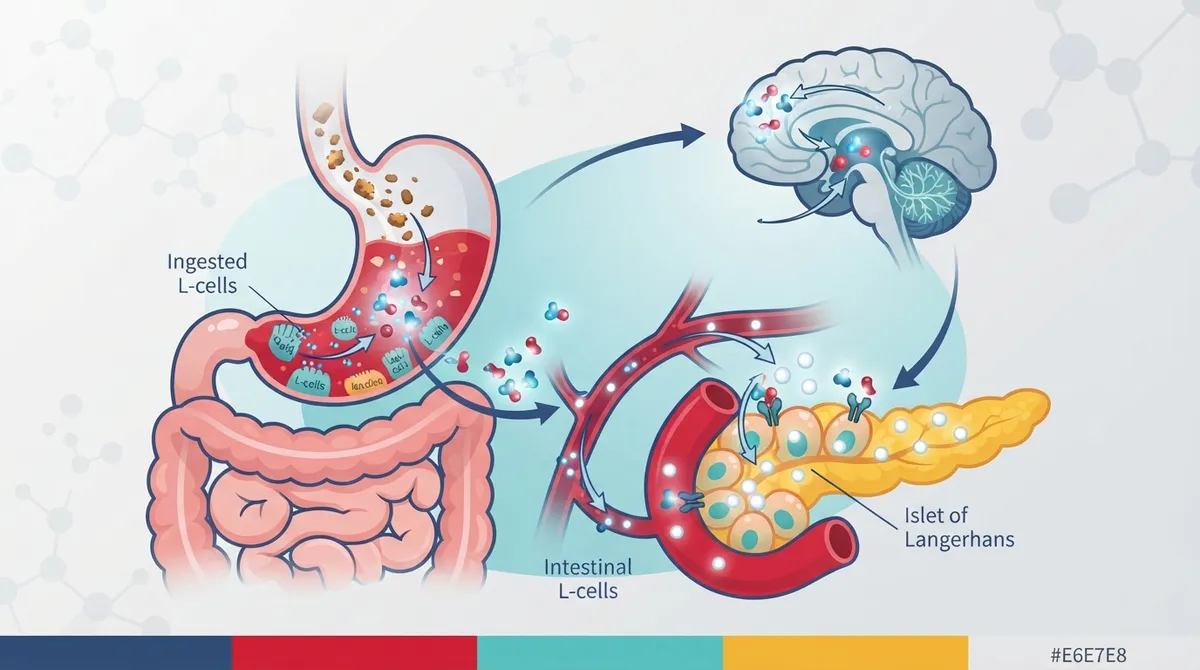
GLP-1 stands for glucagon-like peptide-1. It is a hormone your gut releases after you eat. It tells your brain you are full. It also slows how fast food leaves your stomach.
GLP-1 weight loss medicines copy this natural signal. Two common FDA-approved options are:
- Semaglutide (Wegovy): a once-weekly injection for chronic weight management.
- Tirzepatide (Zepbound): a once-weekly injection that targets both GIP and GLP-1 receptors.
These are prescription treatments. They are meant to be used with a reduced-calorie diet and more physical activity. They are not stand-alone shortcuts. You can learn more about how they differ in our guide on semaglutide vs tirzepatide.

So, Is GLP-1 Safe for Weight Loss?
For many appropriately selected patients, GLP-1 medicines can be used safely under clinician supervision. Safety depends on four things:
- Your personal and family medical history
- The other medicines you take
- How slowly the dose is raised
- How closely your care team follows you
That is why a primary care visit matters before you begin. A clinician can spot risks that an online form may miss. Our team explains this approach in is semaglutide safe: weighing benefits vs. risks.
What the Research Shows
Large clinical trials give us a clear picture of both benefits and risks. In the 72-week SURMOUNT-1 trial, adults using tirzepatide lost an average of 16.0% of body weight at 5 mg, 21.4% at 10 mg, and 22.5% at 15 mg. People on placebo lost just 2.4%.
Those results are strong. They also come with side effects, which are covered next.
|
Tirzepatide Dose (SURMOUNT-1) |
Average Weight Reduction |
Stopped Due to Side Effects |
|---|---|---|
|
5 mg |
16.0% |
4.3% |
|
10 mg |
21.4% |
7.1% |
|
15 mg |
22.5% |
6.2% |
|
Placebo |
2.4% |
2.6% |
Most people in the trial who had side effects described them as mild to moderate. Only a small share quit the medicine because of them.
Common Side Effects
The most frequent side effects involve the stomach and gut. They tend to show up while your dose is being raised. In SURMOUNT-1, these were the rates seen with tirzepatide:
- Nausea: 24.6% to 33.3%
- Diarrhea: 18.7% to 23.0%
- Constipation: 11.7% to 17.1%
- Vomiting: 8.3% to 12.2%
For most people, these effects fade as the body adjusts. Small meals, slow eating, and plenty of fluids can help. If you struggle with queasiness, see our tips on tirzepatide nausea fixes and managing semaglutide's gastrointestinal side effects.
When Stomach Problems Become Serious
Severe or lasting vomiting and diarrhea can cause dehydration. In some cases, dehydration can lead to acute kidney injury. Call your clinician if you cannot keep fluids down, feel dizzy, or notice very dark urine.
Tirzepatide is also not recommended for people with severe gastroparesis, a condition where the stomach empties very slowly.
Less Common but Important Risks
FDA labels for Wegovy and Zepbound list several warnings you should know about. They apply to a smaller group of patients, but they matter.
Thyroid Tumor Warning
Both semaglutide and tirzepatide carry a boxed warning. In rodent studies, these drugs caused thyroid C-cell tumors. It is not known whether this risk applies to humans.
Because of this, neither drug is for people with a personal or family history of medullary thyroid carcinoma (MTC). They are also not for people with multiple endocrine neoplasia syndrome type 2 (MEN 2).
Pancreatitis and Gallbladder Disease
Acute gallbladder disease and pancreatitis are listed risks. If your doctor suspects pancreatitis, treatment should stop while you are evaluated.
Seek urgent care for severe, lasting belly pain, especially if it spreads to your back. If you ever need fast help, our urgent care team can see you. You can read more about this risk in does semaglutide raise your pancreatitis risk.
Allergic Reactions
Serious allergic reactions are rare but possible. Swelling of the face or throat, trouble breathing, or a severe rash need emergency care right away.
Who Should Not Take GLP-1 Medicines?
These drugs are not right for everyone. Talk to your doctor carefully if any of the following apply to you.
|
Situation |
Why It Matters |
|---|---|
|
Personal or family history of MTC or MEN 2 |
Boxed warning; these drugs are contraindicated |
|
Pregnancy or planning pregnancy |
Weight loss drugs should not be used for weight loss in pregnancy |
|
History of pancreatitis |
Treatment is stopped if pancreatitis is suspected |
|
Severe gastroparesis |
Tirzepatide is not recommended |
|
Insulin or sulfonylurea use |
Higher risk of low blood sugar |
|
Diabetic retinopathy |
Rapid blood sugar changes may affect the eyes |
Pregnancy and Family Planning
Weight loss medicines should not be used for weight loss during pregnancy. FDA labeling advises stopping treatment once pregnancy is recognized. Semaglutide labeling advises stopping at least two months before a planned pregnancy.
If you are a woman thinking about starting a family, tell your clinician early. This helps you time treatment safely. Our guide on managing semaglutide safely before pregnancy offers more detail.
GLP-1 Medicines and Diabetes Treatment
If you have diabetes, your doctor must review your whole medicine list first. Combining GLP-1 drugs with insulin or a sulfonylurea can raise the risk of low blood sugar. Fast blood sugar improvement can also affect diabetic retinopathy.
Never combine two GLP-1 products, or two products with the same active ingredient, unless your clinician tells you to. For more on this topic, read how medical weight loss supports diabetics.
Why Where You Get the Medicine Matters
Safety does not stop at the drug itself. It also depends on the source.
- Use FDA-approved products from a legitimate pharmacy.
- Make sure the prescription is written for you.
- Avoid unapproved or questionable compounded products.
- Never change your dose without medical advice.
- Tell your care team about every medicine and supplement you take.
Unsupervised use is one of the biggest safety gaps today. For a deeper look, see what compounded semaglutide really is.
How a Primary Care Clinician Keeps You Safe
A primary care team looks at the full picture. Before you start, a good clinic should:
- Review your medical and family history, including thyroid and pancreas health.
- Check your current medicines and supplements.
- Measure your baseline weight, blood pressure, and lab results.
- Explain a slow, step-by-step dose plan.
- Schedule regular follow-ups to track side effects, hydration, and weight response.
Tools like body composition analysis and metabolic breath analysis can also show whether you are losing fat or muscle. This helps your doctor fine-tune your plan. Protecting muscle matters, which is why we cover how to preserve lean muscle mass while losing weight.
At InCare, our weight loss program pairs medical oversight with personal coaching. We serve patients across Tampa and Riverview, and we also offer virtual visits for busy schedules. You can see what neighbors say about us when you visit us on Google — InCare.
Are GLP-1 Medicines Safe Long Term?
Obesity is a chronic condition, so many patients ask about long-term use. Current evidence supports using these medicines over many months under medical care. Ongoing follow-up is the key.
Weight often returns if treatment stops without a plan. That is why healthy eating, movement, and sleep matter so much. For more, see does weight come back after semaglutide stops and how to know when weight loss medication is working.
Questions to Ask Your Clinician Before You Start
Bring this short list to your first visit:
- Am I a good candidate based on my health history?
- Do any of my current medicines interact with this drug?
- What side effects should I expect, and when should I call you?
- How will you raise my dose over time?
- How often will we meet to check my progress?
- What is the plan if I want to stop later?
Cost is another real concern. Our overview of weight loss injection costs in 2026 can help you plan.
Stay Connected With InCare
We share wellness tips and clinic updates on social media. Follow us on Instagram, TikTok, and Facebook for fresh health ideas.
The Bottom Line
So, is GLP-1 safe for weight loss? For many eligible adults, yes, when a licensed clinician prescribes an FDA-approved product, raises the dose slowly, and monitors you closely. Common side effects are usually mild. Rare risks, like pancreatitis, gallbladder disease, dehydration, and the thyroid warning, need real medical attention.
The safest path is a personal one. A doctor who knows your history can tell you whether these medicines fit your goals and your body. InCare offers physician-led care built around prevention and whole-body health. Ready to talk about your options? Book your weight loss consultation with InCare today, or contact our team with any questions.
FAQs
Q: Are GLP-1 medications safe for weight loss long term?
A: For many appropriately selected patients, GLP-1 medicines can be used safely over the long term with regular medical follow-up. Your clinician should monitor side effects, hydration, weight response, and whether treatment still fits your health needs.
Q: What are the most common side effects of semaglutide and tirzepatide?
A: The most common side effects are nausea, diarrhea, constipation, and vomiting. They usually appear while the dose is being raised and are often mild to moderate. Severe or lasting symptoms can lead to dehydration, so call your clinician if they persist.
Q: Who should not take GLP-1 medicines for weight loss?
A: People with a personal or family history of medullary thyroid carcinoma or MEN 2 should not take them. They are also not for use during pregnancy, and tirzepatide is not recommended for severe gastroparesis. A primary care clinician should review your full history before prescribing.
Q: Can GLP-1 medications cause pancreatitis or gallbladder problems?
A: Yes, FDA labeling lists pancreatitis and acute gallbladder disease as possible risks. Seek urgent medical care for severe, lasting abdominal pain, especially if it spreads to your back. If pancreatitis is suspected, treatment should stop while you are evaluated.
Q: Can I take a GLP-1 medicine if I have diabetes or take insulin?
A: Often yes, but your doctor must review your plan first. Combining these drugs with insulin or a sulfonylurea can raise the risk of low blood sugar, so your other medicines may need adjusting. Never combine two GLP-1 products unless your clinician directs it.


