Key Takeaways
- Nausea, diarrhea, constipation, and stomach discomfort are the most common GLP-1 side effects, and they usually appear when treatment starts or the dose increases.
- Report symptoms early and ask your clinician about a slower dose increase or holding your current dose; never change or stop a prescribed dose on your own.
- Eat smaller portions, eat slowly, limit greasy or high-fat foods, and sip fluids steadily through the day to reduce nausea and discomfort.
- Dehydration from vomiting or diarrhea can affect the kidneys; contact a clinician right away if you cannot keep fluids down or notice markedly reduced urination.
- Seek urgent care for severe or persistent abdominal pain, especially pain radiating to the back, which may signal pancreatitis, and for upper-abdominal pain, fever, or yellowing of the skin or eyes, which may signal gallbladder disease.
- If you have diabetes and take insulin or a sulfonylurea, watch for low blood sugar symptoms like shakiness, sweating, or confusion, and share all your medicines with your clinician to review interactions.
GLP-1 medicines can support meaningful weight loss and better blood sugar control. They can also cause uncomfortable symptoms, especially in the first weeks of treatment. Nausea, loose stools, constipation, and stomach discomfort are common. For many people, these effects ease with the right plan and good medical follow-up.
This guide explains how to manage GLP-1 side effect management Tampa patients often ask about. You will learn what symptoms to expect, which supportive steps clinicians commonly discuss, and which warning signs need urgent care. Whether you are a busy parent, a working professional, or someone new to prescription weight care, the goal is the same: stay safe and stay on track with your health plan.
One important note: this article is educational. It does not replace advice from your prescriber. Never change or stop a prescribed dose on your own unless you are told to act urgently for a suspected serious reaction.
What GLP-1 Medicines Do and Why Side Effects Happen
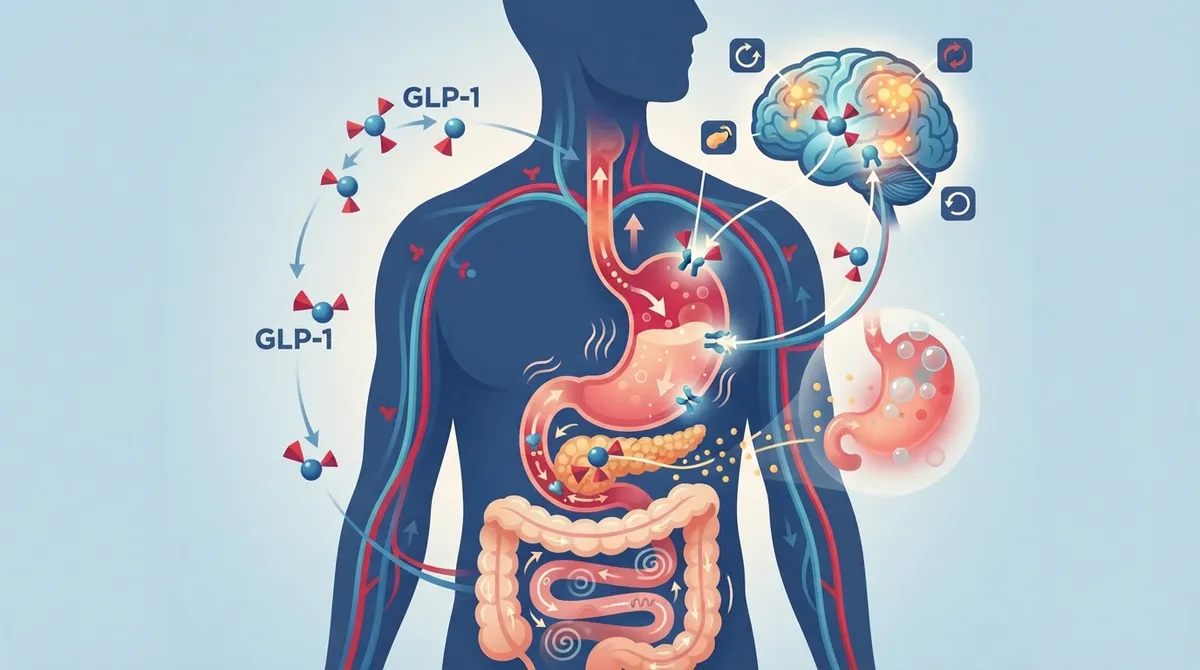
GLP-1 medicines, including semaglutide (Ozempic and Wegovy) and tirzepatide (Mounjaro), slow stomach emptying and affect appetite signals in the brain. That helps you feel full sooner. It also explains why the digestive system often reacts first. If you want a deeper look at the science, read What Is GLP-1? How It Works and Who It Helps in 2026.
Side effects tend to appear at two points: when you first start, and when your dose goes up. Your body needs time to adjust each time. This is why most prescribers raise the dose in small steps rather than all at once.
How Common Are Digestive Symptoms?
FDA prescribing information lists nausea, vomiting, diarrhea, abdominal pain, and constipation among adverse reactions reported in at least 5% of patients treated with Ozempic. In adult Wegovy weight-reduction trials, nausea was reported in 44% of treated patients versus 16% with placebo. Vomiting occurred in 25% versus 6%, and diarrhea in 30% versus 16%.
These numbers come from specific trials and should not be applied to every medicine or every person. Your own experience may be milder or stronger. The pattern still matters: digestive symptoms are expected, and a plan for them is part of good care.
|
Symptom |
Typical Timing |
Common Supportive Approach |
|---|---|---|
|
Nausea |
Start of treatment or after a dose increase |
Smaller meals, eating slowly, avoiding heavy or high-fat foods |
|
Diarrhea |
Early weeks or after dose changes |
Steady fluids; clinician review if it persists |
|
Constipation |
Can appear at any stage |
Fluids, fiber discussion with your clinician |
|
Vomiting |
Less common; often dose-related |
Prompt medical advice if you cannot keep fluids down |
|
Indigestion or abdominal discomfort |
After larger meals |
Portion control and meal pacing |
How to Manage GLP-1 Side Effects Step by Step
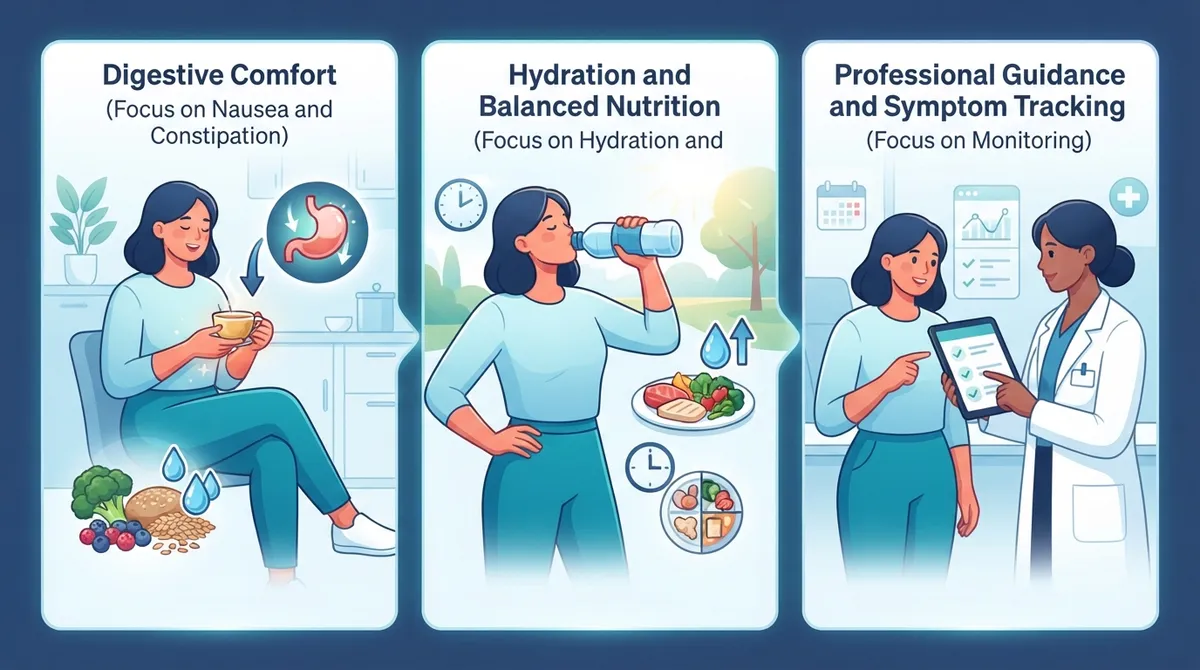
Effective side effect care is usually a team effort between you and your clinician. The following steps reflect common supportive measures discussed in primary care. Your own plan should be individualized.
- Report symptoms early. Do not wait until you feel miserable. Early reports let your clinician adjust the plan before problems grow.
- Review the dose plan. A clinician may consider a slower increase or holding at the current dose for a period, depending on your symptoms and goals.
- Adjust how you eat. Smaller meals, slower eating, and avoiding very large or high-fat meals often help if they trigger nausea.
- Protect hydration. Keep fluids steady throughout the day, especially if you have diarrhea or vomiting.
- Reconcile your medicines. Share every prescription, supplement, and over-the-counter product with your clinician so interactions and overlapping effects can be reviewed.
- Schedule follow-up during titration. Regular check-ins make it easier to catch problems and fine-tune your plan.
Eating Habits That Often Help
Because GLP-1 medicines slow digestion, food can sit longer in the stomach. That is why portion size matters so much. Many patients find these habits useful when discussed with a clinician:
- Eat smaller portions and stop when you feel comfortably full.
- Slow down and chew well.
- Limit greasy, fried, or very rich foods if they worsen symptoms.
- Sip fluids through the day instead of drinking large amounts at once.
- Notice which foods trigger discomfort and share that pattern at your visit.
Protein and nutrition quality also matter during weight loss. A clinician can help you plan meals that protect muscle and energy. For a broader view of how medical programs support this, see How Does Medically Supervised Weight Loss Work?
Hydration and Kidney Safety
Hydration deserves its own section. Persistent vomiting or diarrhea can cause dehydration. In some cases, dehydration can lead to kidney injury. This risk is easy to overlook because reduced appetite can also mean reduced fluid intake.
Contact a clinician promptly if you cannot keep fluids down, if you notice markedly reduced urination, or if you feel dizzy and weak. These can be signs that your body needs medical attention. For adults who struggle to keep up with fluids, a clinician may discuss options for supportive hydration, based on your situation.
Quick Hydration Checklist
- Carry water and sip steadily.
- Increase attention to fluids on days with loose stools or nausea.
- Watch urine output and color as a simple daily check.
- Call your clinic early rather than waiting for symptoms to worsen.
Warning Signs That Need Urgent Evaluation
Most side effects are uncomfortable but manageable. A few are not. Know these warning signs ahead of time so you can act quickly.
Pancreatitis
FDA labeling highlights pancreatitis as an important safety concern. In adult Wegovy weight-reduction trials, adjudicated acute pancreatitis occurred at 0.2 cases per 100 patient-years among treated patients, compared with less than 0.1 cases per 100 patient-years with placebo. The risk is low, but the condition is serious.
Seek urgent evaluation for persistent or severe abdominal pain, particularly pain that radiates to the back, with or without vomiting. FDA labeling advises discontinuing the suspected medicine and starting appropriate care if pancreatitis is suspected. Do not wait for the pain to pass.
Gallbladder Problems
Gallstones and gallbladder inflammation have been reported with GLP-1 treatment. Rapid or substantial weight loss can contribute to gallstone risk. In placebo-controlled Mounjaro trials, acute gallbladder disease was reported in 0.6% of treated patients and 0% of placebo patients. In placebo-controlled Ozempic trials, cholelithiasis was reported in 1.5% of patients on 0.5 mg and 0.4% on 1 mg, and was not reported with placebo.
Get prompt assessment for persistent upper-abdominal pain, pain after meals, fever, or yellowing of the skin or eyes.
|
Warning Sign |
What It May Suggest |
Recommended Action |
|---|---|---|
|
Severe or persistent abdominal pain, especially radiating to the back |
Possible pancreatitis |
Seek urgent medical evaluation |
|
Upper-abdominal pain, fever, or jaundice |
Possible gallbladder disease |
Prompt clinical assessment |
|
Cannot keep fluids down; very little urination |
Dehydration and kidney risk |
Contact a clinician right away |
|
Shakiness, sweating, confusion (on insulin or a sulfonylurea) |
Possible low blood sugar |
Follow your treatment plan and call your prescriber |
Special Situations: Diabetes Medicines and Eye Health
If you have type 2 diabetes, GLP-1 therapy can change how much insulin or other glucose-lowering medicine you need. People who also use insulin or a sulfonylurea may face a higher hypoglycemia risk as food intake and glucose levels change. Any medicine adjustment should be guided by a clinician, along with glucose monitoring.
People with diabetes-related retinopathy should also discuss eye monitoring, particularly when blood sugar improves quickly. Good coordination between primary care, endocrinology, and eye specialists helps keep this safe. To learn more about how these medicines affect glucose, read 3 Ways Semaglutide Lowers Blood Sugar in 2026.
Why Primary Care Matters for GLP-1 Side Effects
A primary care clinic is well placed to support GLP-1 therapy because it sees the whole picture. A clinician can check your symptoms, review your other conditions, and look for causes unrelated to the medicine. Stomach pain, for example, may have another explanation that deserves attention.
Good primary care support for GLP-1 patients typically includes:
- Individualized assessment before and during treatment
- Medication reconciliation to catch interactions
- Follow-up visits during dose changes
- Guidance on nutrition, hydration, and activity
- Coordination with endocrinology or emergency care when needed
This continuity is a major advantage for busy professionals and young families who cannot afford repeated gaps in care. If you are comparing options, 14 Ways a Primary Care Doctor Aids Weight Loss (2026) explains how everyday primary care supports weight goals.
What Tampa Patients Can Expect at InCare
InCare is a personalized primary care and wellness clinic with locations in Tampa and Riverview, Florida. The practice combines state-of-the-art technology with medical expertise and focuses on prevention and whole-body health. Weight loss support, metabolic breath analysis, and body composition analysis help your care team track progress with real data instead of guesswork. Patients can also use virtual visits when a quick check-in is more convenient than a trip to the office.
Many local patients also appreciate how easy it is to share feedback. You can see what InCare patients say on Google and learn about the care experience before you book.
If you are weighing treatment choices, these related reads may help: Tirzepatide Weight Loss Timeline: What to Expect by Week and How to Know When Weight Loss Medication Is Working.
How to Prepare for a Side Effect Visit
A little preparation makes your appointment far more useful. Before you go, gather the following:
- A symptom log. Note what you felt, when it started, and how long it lasted.
- Your dose history. Record the dose, injection day, and any recent increases.
- A medicine list. Include prescriptions, supplements, and over-the-counter products.
- Food and fluid patterns. Write down what you ate and drank on bad days.
- Your questions. Ask about dose pacing, nutrition, and warning signs.
For more tips on getting value from each appointment, see How to Get the Most From Preventive Care Visits in 2026.
Common Mistakes to Avoid
- Changing your dose alone. Skipping, doubling, or stopping without guidance can backfire.
- Ignoring severe pain. Persistent abdominal pain is never something to wait out.
- Under-drinking. Low appetite can hide dehydration.
- Hiding other medicines. Interactions are easier to prevent than to treat.
- Skipping follow-up. Regular visits catch problems early.
Staying informed also helps you judge who is giving you advice. For tips on choosing a safe source of care, read 8 Things to Know Before Searching Semaglutide Near Me Tampa.
Conclusion: Take the Next Step With Confidence
GLP-1 side effects are common, but they do not have to derail your progress. With a thoughtful dose plan, steady hydration, smart eating habits, and clear knowledge of warning signs, many people move through the adjustment period successfully. The key is working with a clinician who knows your history and checks in often.
If you are starting a GLP-1 medicine or struggling with symptoms right now, you do not have to figure it out alone. Book your appointment with InCare to build a personalized plan, or contact our team with questions. You can also follow InCare for wellness updates on Instagram, Facebook, and TikTok.
FAQs
Q: What are the most common side effects of GLP-1 medications?
A: The most common effects are gastrointestinal, including nausea, diarrhea, vomiting, constipation, abdominal discomfort, and indigestion. They are most likely when treatment starts or when the dose increases, and the exact pattern varies by medicine and by person.
Q: How can I manage nausea while taking Ozempic, Wegovy, or Mounjaro?
A: Clinicians often discuss smaller meals, eating slowly, avoiding large or high-fat meals, and keeping fluids steady. If nausea persists, your prescriber may review your dose plan, so contact your clinic rather than adjusting the dose yourself.
Q: When should I call a doctor about GLP-1 side effects?
A: Seek urgent evaluation for severe or persistent abdominal pain, especially pain that radiates to the back, and for fever, jaundice, or an inability to keep fluids down. Also call promptly if you notice markedly reduced urination, which may signal dehydration.
Q: Can I pause or slow my GLP-1 dose increase if I feel sick?
A: A clinician may consider a slower increase or holding a dose when symptoms are troublesome. Do not change or stop a prescribed dose on your own; contact your prescriber so the plan can be adjusted safely.
Q: How can a Tampa primary care provider help with GLP-1 side effects?
A: A primary care provider can assess symptoms, review all your medicines, support hydration and nutrition, and schedule follow-up during dose changes. They can also coordinate with endocrinology or emergency care when warning signs appear.