Key Takeaways
- KPV peptide has no FDA approval and lacks human clinical trials specifically testing it for rosacea; nearly all research exists only in lab dishes and animal models, not on real patients.
- Proven rosacea treatments like topical ivermectin, metronidazole, azelaic acid, and oral doxycycline have strong clinical evidence and FDA approval, making them significantly more reliable than unregulated KPV peptides.
- Online KPV products sold as 'research chemicals' lack standardized dosing, quality control, and safety guarantees; unverified claims of clinical trial results are common red flags from sellers.
- Combining unapproved KPV peptide with prescription rosacea medications has no safety data and could cause unexpected skin reactions; consult a licensed provider before trying any peptide therapy.
Rosacea can feel frustrating. Your face flushes, turns red, or breaks out in bumps at the worst times. If you have searched online for answers, you may have come across KPV peptide as a new rosacea treatment. Social media and wellness forums often praise it as a breakthrough. But before you spend money on this peptide, you need real facts.
This guide explains what KPV peptide actually is, what science says about it, and why proven rosacea treatments still matter most. At InCare, our primary care team in Tampa and Riverview helps patients sort through wellness trends and find treatments backed by real evidence. Rosacea deserves an approach built on facts, not hype.
What Is KPV Peptide?
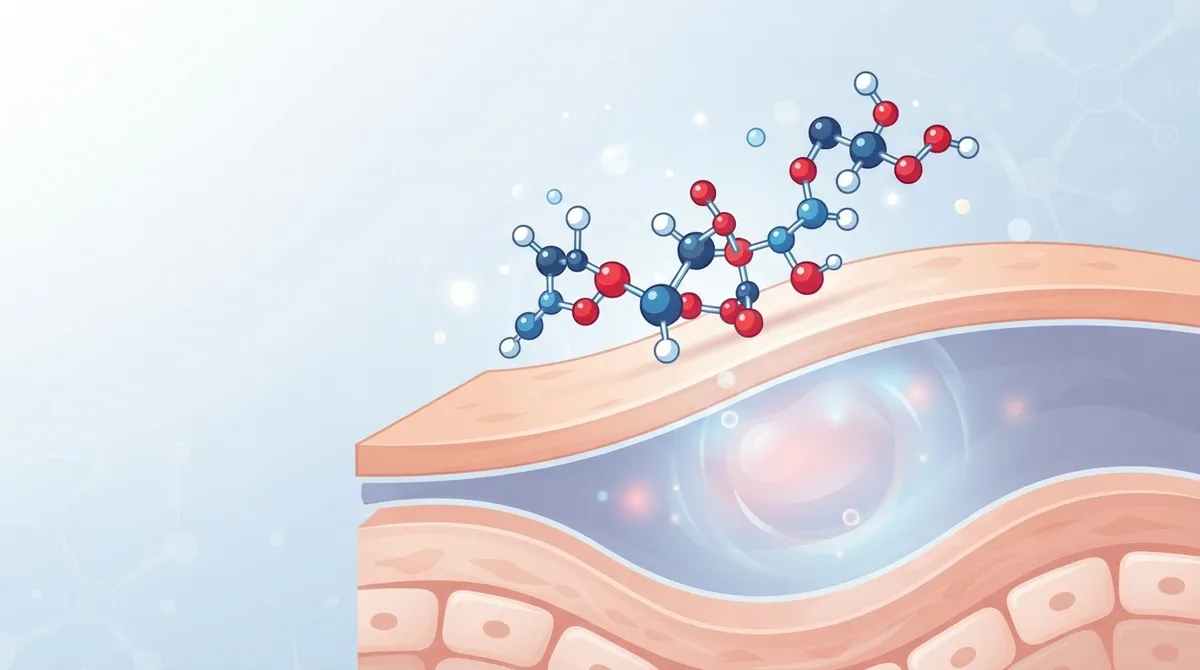
KPV stands for lysine-proline-valine. It is a tiny fragment made of three amino acids. Scientists first pulled it from a larger hormone called alpha-melanocyte-stimulating hormone, or alpha-MSH. Researchers have studied KPV mostly in lab dishes and animal models.
Early lab studies suggest KPV might calm certain inflammation signals in cells. These signals include NF-kB, interleukin-1beta, IL-6, and TNF-alpha. These are proteins your body uses during immune responses. In theory, calming these signals could reduce redness and swelling.
But here is the key problem. Almost all of this research happened in cells, tissue samples, or animals. Very little of it happened in real human patients. This gap matters a lot when you are deciding whether to try something on your own skin.
Does KPV Peptide Actually Treat Rosacea?
Right now, there is no strong human evidence that KPV treats rosacea. No completed, peer-reviewed clinical trial has tested KPV specifically for rosacea in people. This is a critical fact many online sellers leave out.
Some peptide research summaries list roughly two dozen KPV studies published between 2001 and 2025. Most of these studies focus on lab cells, animal models, or drug-delivery methods. They are not rosacea trials in humans.
One 2025 study looked at KPV in skin cell models exposed to air pollution particles. Researchers used a concentration of 50 micrograms per milliliter. They found it reduced some inflammation and oxidative stress markers. This sounds promising. But it happened in a lab dish, not on a human face. It cannot tell us the right human dose or whether it would help rosacea symptoms.
Why Online Claims Can Be Misleading
You may see websites claiming KPV cut rosacea redness by a specific percentage. Some claim results from a "phase 2 trial." Treat these claims with real caution. Credible research databases do not confirm these specific rosacea trials. Always ask for the actual published study, not just a claim on a sales page.
Is KPV Peptide FDA-Approved for Rosacea?
No. KPV peptide has no FDA approval for rosacea or any other medical condition. This is a simple fact that changes everything about how you should think about it.
Some companies sell KPV as a "research chemical." This label means it was made for lab study, not human use. Other sellers claim it comes from a compounding pharmacy. Neither of these facts means the product is safe, pure, or effective. Availability is not the same as approval.
Without FDA approval, there is no standard dose. There is no required safety testing. There is no guarantee that what you buy online matches what a lab tested. This is very different from medications your primary care doctor prescribes for rosacea.
What Are the Risks of Using KPV Peptide?
Because most KPV use happens outside formal clinical trials, we do not have solid safety data in humans. Some informal reports mention side effects such as:
- Redness or irritation at an injection site
- Stinging when applied to skin
- Headaches
- Stomach upset or nausea
These reports are not backed by a large, controlled study. That means we do not know how common these side effects really are. We also do not know about rare or long-term risks. Skin can be more sensitive than other body areas, especially the face. Unregulated products may also contain contaminants, wrong dosing, or unlisted ingredients.
Proven Rosacea Treatments Your Doctor Can Offer
Before trying an unproven peptide, it helps to know what treatments already have strong evidence. Your primary care provider can help match a treatment to your specific rosacea subtype.
|
Treatment |
Best For |
How It Works |
|---|---|---|
|
Topical Ivermectin |
Papules and pustules (bumps) |
Reduces mites linked to inflammation |
|
Topical Metronidazole |
Mild to moderate redness and bumps |
Calms inflammation on the skin |
|
Azelaic Acid |
Redness and mild breakouts |
Reduces swelling and unclogs pores |
|
Brimonidine or Oxymetazoline |
Persistent facial redness |
Narrows blood vessels temporarily |
|
Oral Doxycycline |
Moderate to severe inflammatory rosacea |
Lowers inflammation from the inside |
|
Laser or Light Therapy |
Visible blood vessels |
Targets and shrinks blood vessels |
Each option targets a different rosacea symptom. This is why an accurate diagnosis matters so much before starting any treatment plan.
How to Get a Safe, Evidence-Based Rosacea Treatment Plan
If your face often feels hot, red, or bumpy, do not guess at the cause. Follow these steps for a plan built on real evidence.
- Get a proper diagnosis. Rosacea has different subtypes. Some cause mostly redness. Others cause bumps or eye irritation. Your provider needs to know which type you have.
- Identify your triggers. Common rosacea triggers include sun exposure, spicy food, alcohol, heat, and stress. Tracking flare-ups can help you and your doctor spot patterns.
- Check for eye involvement. Some rosacea patients develop eye dryness, irritation, or swelling. This condition needs its own treatment plan.
- Start with proven topical or oral treatments. Your doctor may recommend ivermectin, metronidazole, azelaic acid, or doxycycline based on your symptoms.
- Consider laser therapy for visible vessels. If redness comes from visible blood vessels, laser or light treatment may help reduce their appearance.
- Build a gentle skin-barrier routine. Harsh scrubs and strong acids can make rosacea worse. A simple, gentle routine supports healing.
- Follow up regularly. Rosacea often needs ongoing management, not a one-time fix. Regular check-ins help adjust your plan as needed.
Why Whole-Body Wellness Matters for Skin Health
Rosacea rarely exists in isolation. Sleep, stress, hormones, and gut health can all affect flare-ups. This is why a comprehensive approach often works better than chasing a single trendy ingredient.
At InCare, our approach goes beyond treating one symptom. We look at your full health picture. Services like DNA gene testing can reveal genetic factors linked to inflammation and skin sensitivity. IV hydration and vitamin drips can support your body's overall inflammatory response and hydration status. And routine annual wellness visits help catch skin and health changes early.
For patients dealing with chronic skin conditions, a family medicine clinic can coordinate care across multiple concerns, not just your rosacea. This matters because inflammation in one part of the body often connects to inflammation elsewhere.
Should You Try KPV Peptide Alongside Prescription Treatments?
Many patients ask if they can combine KPV with proven prescription treatments. The honest answer is that we do not have safety data on this combination. Mixing an unregulated peptide with prescription medication could cause unexpected skin reactions or interactions.
If you are curious about peptide therapy in general, talk with a licensed provider first. Our team offers guidance on peptide therapy in Tampa so patients understand which options have real clinical support and which remain experimental. This conversation should always happen before you buy any peptide product online.
Red Flags to Watch For When Researching KPV Products
Not every source online gives you honest information. Watch for these warning signs before trusting a website or seller.
- Claims of "clinical trial results" without a link to the actual published study
- Specific percentage improvements with no named research source
- Products labeled "for research use only" being marketed for skin application
- No mention of FDA approval status
- Pressure to buy quickly with limited safety information
A trustworthy provider will always explain both the potential and the limits of any treatment, including peptides.
Why Choose InCare for Rosacea Care in Tampa and Riverview
Rosacea can be stubborn, but you do not have to manage it alone or guess your way through unproven products. Our providers, including Dr. Pramjeet Ahluwalia, Dr. Naveen Paddu, and Dr. Teshy John, combine medical expertise with a personalized approach to skin and whole-body health.
Patients across Tampa and Riverview trust InCare for honest, evidence-based care. You can see what real patients say by visiting our reviews on Facebook or following our latest wellness tips on Instagram and TikTok. You can also visit us on Google — InCare to read reviews from patients who have worked with our team.
Frequently Asked Questions About Managing Rosacea
Ready to get real answers about your rosacea instead of guessing with unproven peptides? Our team can help you build a treatment plan based on your specific symptoms and skin type. Reach out to our care team today to schedule a consultation, or go ahead and book your appointment online now at one of our Tampa or Riverview locations.
FAQs
Q: Does KPV peptide actually treat rosacea?
A: There is currently no reliable human clinical evidence showing KPV improves rosacea. Most research comes from lab and animal studies, not tested treatments on human patients with rosacea.
Q: Is KPV peptide FDA-approved or safe for facial redness?
A: No, KPV is not FDA-approved for rosacea or any medical condition. Products sold online are often research chemicals without standardized dosing, quality control, or proven safety data.
Q: How does KPV compare with ivermectin, metronidazole, or doxycycline for rosacea?
A: Ivermectin, metronidazole, azelaic acid, and doxycycline all have established clinical evidence and FDA approval for rosacea. KPV has no such evidence, making these prescription options the more reliable choice.
Q: Can KPV be used alongside prescription rosacea treatments?
A: Combining KPV with prescription treatments has not been studied for safety or interactions. Speak with your primary care provider before adding any unregulated peptide to your skincare routine.
Q: What is the safest evidence-based treatment plan for rosacea?
A: The safest plan starts with an accurate diagnosis, trigger identification, and proven treatments like topical ivermectin or oral doxycycline. Laser therapy may help with visible blood vessels when appropriate.