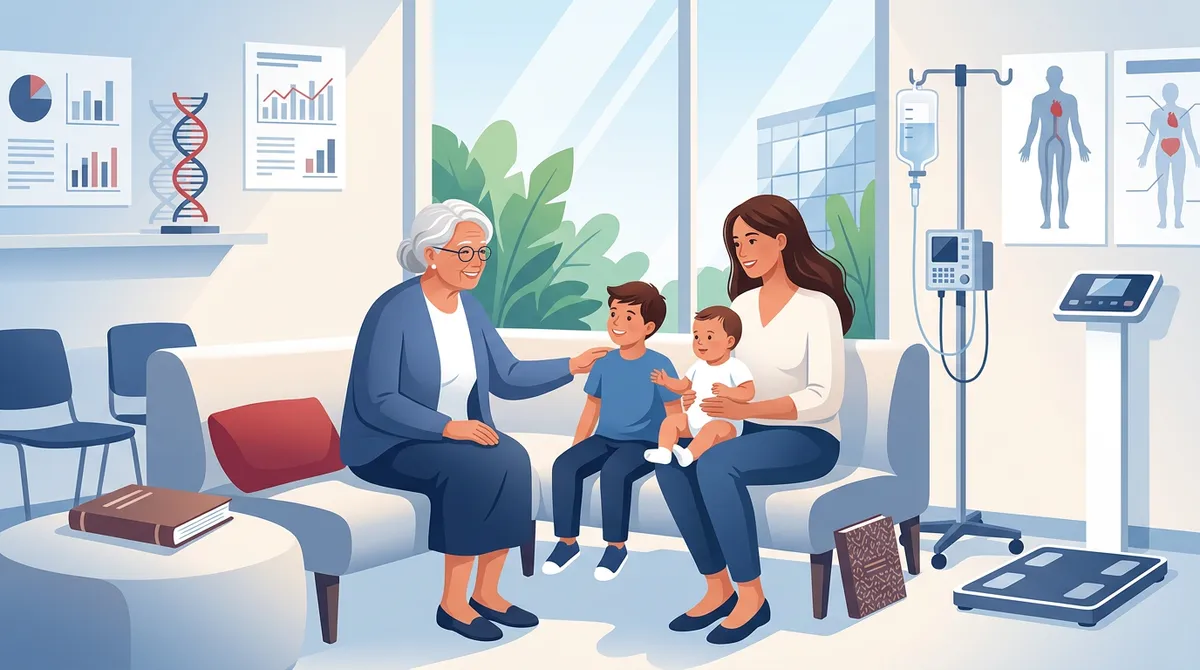
Key Takeaways
- Family medicine clinics provide comprehensive, continuous care for all ages under one roof, eliminating the need for multiple separate physicians and creating consistent health records for entire families.
- Modern family medicine clinics now integrate advanced wellness services like DNA testing, IV hydration therapy, and body composition analysis alongside traditional preventive and acute care.
- Family medicine physicians have broad training covering pediatrics, internal medicine, obstetrics, surgery, psychiatry, and geriatrics, enabling them to treat complex conditions and coordinate specialist care.
- Choosing a family medicine clinic reduces healthcare costs by emphasizing preventive care and early detection, which prevents expensive emergency room visits and duplicate medical tests.
- Family medicine clinics offer same-day sick visits and urgent care services, making them a practical alternative to emergency rooms for non-life-threatening acute conditions.
- When selecting a family medicine clinic, verify board-certified physician credentials, confirm insurance acceptance, check same-day appointment availability, and review patient satisfaction ratings.
You wake up one morning with a nagging cough, your child has a fever, and your aging parent needs a medication review. Who handles all of this? A family medicine clinic does. It is your one-stop healthcare destination for patients of every age and every stage of life. From newborns to seniors, family medicine physicians are trained to handle a wide range of health needs under one roof.
But family medicine is more than just treating illness. It is about building a long-term relationship with a trusted medical provider who knows your history, your lifestyle, and your health goals. In 2026, more patients are choosing family medicine clinics because they want personalized, continuous care — not rushed appointments and fragmented records. If you have ever wondered whether a family medicine clinic is right for your family, this guide will answer all your questions clearly and confidently.

What Is a Family Medicine Clinic?
A family medicine clinic is a primary care facility where physicians provide integrated healthcare services to patients across all age groups. These clinics serve as the entry point into the healthcare system. They offer everything from annual wellness visits to the diagnosis and management of complex chronic conditions.
Family medicine is a recognized medical specialty. Physicians in this field complete residency training that covers pediatrics, internal medicine, obstetrics and gynecology, surgery, psychiatry, and geriatrics. This broad training makes them uniquely equipped to treat the whole person — not just one organ or condition. You can explore primary care services that reflect this comprehensive approach.

Core Services Offered at a Family Medicine Clinic
A family medicine clinic covers a wide spectrum of healthcare needs. Here is a breakdown of the most common services patients receive:
Preventive and Wellness Care
- Annual physical exams and health assessments
- Immunizations and vaccinations
- Cancer screenings and early detection services
- Lifestyle counseling for nutrition, fitness, and sleep
- Mental health screenings
Preventive care is one of the most important roles a family medicine clinic plays. Early detection saves lives. If you are overdue for a screening, consider scheduling a cancer screening as part of your routine wellness care.
Acute and Urgent Care
- Treatment of colds, flu, and infections
- Minor injury care
- Same-day sick visits
- Lab tests and rapid diagnostics
When you need care fast, a family medicine clinic can often see you the same day. This makes it a strong alternative to the emergency room for non-life-threatening conditions. Learn more about urgent care options available to you.
Chronic Disease Management
- Diabetes monitoring and management
- Hypertension and heart health
- Thyroid disorders
- Asthma and respiratory conditions
Managing a chronic condition requires consistency. Your family medicine physician tracks your progress over time and adjusts your treatment plan accordingly. Read more about how primary doctors help manage chronic illnesses.

Family Medicine vs. Other Types of Care
Many patients are unsure how a family medicine clinic differs from urgent care centers, specialists, or internal medicine practices. The table below clarifies the key differences.
Type of Care Age Group Served Focus Area Continuity of Care Family Medicine Clinic All ages Comprehensive, whole-person care Long-term relationship Internal Medicine Adults only Complex adult conditions Moderate continuity Urgent Care Center All ages Immediate, acute needs only Minimal continuity Specialty Clinic Varies One body system or condition Episodic care
Family medicine clinics stand apart because they offer continuity. Your physician knows your full health history, your family background, and your personal goals. This leads to better decisions and fewer medical errors over time.

Advanced Wellness Services at Modern Family Medicine Clinics
In 2026, the best family medicine clinics go beyond basic checkups. They integrate cutting-edge wellness services to help patients optimize their health proactively. At InCare, located in Tampa and Riverview, Florida, patients can access a full suite of advanced services alongside traditional primary care.
Advanced Service Benefit Best For DNA Gene Testing Personalized health risk insights Preventive-focused patients IV Hydration & Vitamin Drips Energy, immunity, and recovery support Busy professionals and athletes Body Composition Analysis 3D imaging and AI-powered health tracking Weight management patients Metabolic Breath Analysis Metabolism optimization Wellness seekers and athletes Personalized Weight Loss Programs Sustainable, medically supervised weight loss All adults seeking healthier weight
Who Should Use a Family Medicine Clinic?
The short answer: everyone. But here are the groups that benefit the most from having a family medicine clinic as their primary healthcare home.
Busy Young Families
Parents with young children need a clinic that can care for the entire household. Instead of juggling separate pediatricians and adult physicians, a family medicine clinic handles everyone. This saves time, reduces paperwork, and creates a consistent health record for every family member.
Tech-Savvy Millennials
Millennials want healthcare on their terms. Modern family medicine clinics now offer telemedicine appointments, online scheduling, and digital health records. If you prefer virtual visits or same-day flexibility, a forward-thinking family medicine clinic is your ideal fit. Follow InCare on Instagram for updates on services and health tips.
High-Income Wellness Seekers
Affluent patients who prioritize optimization — not just treatment — will find advanced wellness services at top family medicine clinics invaluable. Services like peptide therapy and DNA testing are now part of the modern family medicine experience.
Women Without an Established Primary Care Provider
Many women rely solely on their OB/GYN for health care. A family medicine clinic fills in the gaps — covering preventive screenings, chronic disease management, mental health, and whole-body wellness beyond reproductive care.
Gen Z Adults Starting Their Health Journey
Young adults in their late teens and early twenties are establishing health habits that will shape the rest of their lives. A family medicine clinic gives them a trusted home base for preventive care and health education early on.
How to Choose the Right Family Medicine Clinic
Not all clinics are the same. Use this step-by-step process to find the best fit for your needs:
- Assess the services offered. Make sure the clinic provides both preventive and acute care, as well as wellness services relevant to your health goals.
- Check physician credentials. Look for board-certified family medicine physicians with strong training backgrounds. Review the providers at your clinic to understand their expertise.
- Evaluate accessibility. Consider clinic hours, location, telemedicine options, and same-day appointment availability.
- Read patient reviews. Patient satisfaction scores reflect the quality of care. InCare holds a 4.8 out of 5 rating on Google based on 359 reviews. You can visit InCare on Google to read verified patient experiences.
- Confirm insurance and payment options. Ensure the clinic accepts your insurance or offers transparent pricing for self-pay patients.
The Role of Technology in Modern Family Medicine
Technology is transforming how family medicine clinics operate. In 2026, the best clinics use AI-powered diagnostics, digital health monitoring, and advanced imaging tools to deliver faster, more accurate care. This is not the doctor's office of your parents' generation.
At InCare, state-of-the-art technology is integrated into every appointment. From AI-assisted body composition tracking to metabolic analysis tools, patients receive data-driven insights that support smarter health decisions. You can also stay connected with the InCare community on InCare's Facebook page and TikTok channel for wellness content and clinic updates.
5 Key Benefits of Choosing a Family Medicine Clinic
- Whole-family care under one roof. Treat every member of your household — from infants to grandparents — at the same practice.
- Continuity of care. Your physician knows your complete history, reducing the risk of missed diagnoses or conflicting treatments.
- Preventive focus. Family medicine emphasizes catching problems early before they become expensive or serious.
- Specialist coordination. When you need a specialist, your family medicine physician manages the referral and ensures all providers are aligned.
- Cost efficiency. Comprehensive primary care reduces unnecessary emergency room visits and duplicate tests.
What to Expect at Your First Family Medicine Visit
Your first appointment at a family medicine clinic sets the foundation for your long-term healthcare relationship. Here is what typically happens:
- Health history review. Your physician will ask about your medical history, family health history, current medications, and lifestyle habits.
- Physical examination. A comprehensive head-to-toe assessment helps establish your baseline health status.
- Screening recommendations. Based on your age, sex, and risk factors, your physician will recommend appropriate screenings — such as blood work, cancer screenings, or metabolic testing.
- Personalized care plan. You will leave with a clear plan that addresses both immediate concerns and long-term wellness goals.
Family Medicine Physicians at InCare
InCare is proud to have a skilled team of primary care physicians dedicated to delivering personalized, technology-driven care. You can learn more about the team including Dr. Naveen Paddu, Dr. Pramjeet Ahluwalia, and Dr. Teshy John. Each physician brings a commitment to preventive, whole-body healthcare aligned with the family medicine model.
With clinic locations in Tampa and Riverview, and virtual appointments available, InCare makes it easy to access high-quality family medicine care on your schedule. Whether you are establishing care for the first time or looking for a clinic that offers more than the basics, InCare delivers. You can also read more about why InCare is the best choice for primary care in Riverview.
Conclusion
A family medicine clinic is one of the most valuable healthcare resources you can have. It provides comprehensive, continuous, and personalized care for every member of your family — across every stage of life. From preventive screenings to chronic disease management and advanced wellness services, a great family medicine clinic is more than a place you visit when you are sick. It is a long-term partner in your health journey.
If you are ready to experience patient-centered primary care backed by advanced technology and a team that truly knows you, InCare is here for you. Take the first step toward better health today and schedule your appointment with InCare now. Your family's health deserves nothing less than the best.
FAQs
Q: What is the difference between a family medicine clinic and an urgent care center?
A: A family medicine clinic provides continuous, long-term care for patients of all ages, including preventive care, chronic disease management, and wellness services. An urgent care center focuses exclusively on immediate, short-term treatment for acute illnesses and injuries without building an ongoing patient relationship.
Q: What age groups does a family medicine clinic treat?
A: A family medicine clinic treats patients across all age groups, from newborns and children to adults and seniors. This makes it the ideal healthcare home for entire families, eliminating the need for multiple separate physicians for different household members.
Q: How does a family medicine clinic support preventive healthcare?
A: Family medicine clinics prioritize early detection and disease prevention through regular health screenings, annual physicals, vaccinations, lifestyle counseling, and personalized wellness plans. This proactive approach helps patients avoid serious health conditions before they develop.
Q: Can a family medicine clinic manage chronic conditions like diabetes or hypertension?
A: Yes. Family medicine physicians are trained to manage a wide range of chronic conditions, including diabetes, hypertension, thyroid disorders, and asthma. They monitor progress over time and adjust treatment plans to keep patients as healthy as possible.
Q: Do family medicine clinics offer advanced wellness services beyond basic checkups?
A: Many modern family medicine clinics, such as InCare in Tampa and Riverview, Florida, now offer advanced wellness services including DNA gene testing, IV hydration therapy, body composition analysis, metabolic breath analysis, and personalized weight loss programs alongside traditional primary care.