Key Takeaways
- Healthspan measures how many years you stay healthy and independent, not just how long you live, so evaluate clinics on whether they improve how well you live.
- A trustworthy clinic starts with a clinician reviewing your history and goals before recommending any tests, and avoids one fixed package for everyone.
- Established preventive care comes first: blood pressure, lipid profile, HbA1c or glucose, and age- and risk-appropriate cancer screenings should be covered before paying for advanced panels.
- For any optional test, ask how the result would change your care; if the clinic cannot answer, the test may not be worth the cost.
Most people want more than a long life. They want more years of energy, strength, and independence. That goal is called healthspan, and it is why interest in a healthspan testing clinic Tampa residents can trust has grown so quickly in 2026.
Yet not every clinic that offers "longevity" testing is built the same way. Some start with a careful medical history and proven screenings. Others sell long lists of biomarkers with little explanation. The difference matters, because more testing does not automatically mean better health.
This guide shows you how to evaluate a clinic step by step. You will learn what healthspan testing includes, which tests have strong evidence, which are optional, and what questions to ask before you pay. Whether you are a busy parent, a young professional, or someone who wants to optimize your health with modern tools, you will leave with a clear plan.

What Healthspan Testing Actually Means
Healthspan is the number of years you stay healthy and able to live independently. Lifespan only counts how long you live. Healthspan counts how well you live.
A healthspan testing clinic in Tampa typically combines preventive primary care with an assessment of your health risks and wellness goals. The best programs look at heart health, blood sugar, body composition, fitness, and family history together. They then turn the results into a plan.
One point deserves emphasis: testing alone cannot guarantee a longer life. Tests describe your current health and risks. Real benefit comes from what you and your clinician do with the results.

Step 1: Start With a Clinician, Not a Test Menu
A strong program begins with a conversation. Before any blood is drawn, a qualified clinician should review your story. This usually includes:
- Your medical history and current medications
- Family history of heart disease, diabetes, or cancer
- Sleep, stress, nutrition, and activity habits
- A physical examination
- Your personal goals, such as weight, energy, or athletic performance
This step shapes which tests make sense for you. A 28-year-old with no symptoms needs a different plan than a 52-year-old with a strong family history of heart disease. If a clinic offers one fixed package to everyone, treat that as a warning sign.
For many people, the best starting point is a comprehensive primary care visit. You can learn more about how to choose the best primary care near you in Tampa before adding any advanced testing.
Step 2: Confirm the Basics Are Covered First
Healthspan work should rest on established preventive care. These basics are supported by decades of research and guideline-based practice. Before paying for anything advanced, make sure your clinic addresses them:
- Blood pressure screening. High blood pressure is a leading, treatable risk factor.
- Lipid profile. This measures cholesterol and related fats.
- Glucose or HbA1c. These tests reveal how your body handles blood sugar.
- Age- and risk-appropriate cancer screenings. Timing depends on your age, sex, and family history.
- Vaccinations and routine labs chosen for a specific clinical reason.
You can see how these fit together in our guide to cancer screening guidelines by age and risk in 2026. A clinic that skips these basics but pushes exotic panels has its priorities backward.
Step 3: Understand Optional and Emerging Tests
Some Tampa clinics advertise expanded testing. Examples include ApoB, lipoprotein(a), fasting insulin, inflammatory markers, hormone panels, body-composition scans, genetic testing, and biological-age tests. These can be useful in the right setting. They are not all standard screening tests.
Use this table to think through the categories.
|
Test Category |
Evidence Level |
When It May Help |
|---|---|---|
|
Blood pressure, lipids, HbA1c |
Well established |
Nearly all adults, on a schedule set by your clinician |
|
Age-based cancer screening |
Well established |
Adults who meet age or risk criteria |
|
ApoB, lipoprotein(a) |
Growing clinical use |
Family history of early heart disease or unexplained risk |
|
Body composition and metabolic testing |
Useful for tracking |
Weight management, fitness planning, metabolism questions |
|
Hormone panels |
Condition-specific |
When symptoms point to a hormone problem |
|
Genetic and biological-age tests |
Emerging |
Personal insight, with careful interpretation |
The key question for any optional test is simple: How would this result change my care? If the clinic cannot answer, the test may not be worth your money.
Step 4: Know the Limits of Testing
More data is not always better. The U.S. Preventive Services Task Force advises against routine screening with resting ECG, exercise treadmill testing, or electron-beam CT for coronary heart disease in asymptomatic adults at low risk. In those groups, expected harms outweigh demonstrated benefits. For people at higher risk, the decision should be individualized rather than bundled into a package.
Broad testing can also create problems:
- False positives that cause worry and repeat testing
- Incidental findings that lead to procedures with no proven benefit
- False reassurance when a test is not validated for screening
A trustworthy clinic explains these limits openly. It tells you what each test measures, how reliable it is, and what follow-up will happen if a result is abnormal.
Step 5: Ask Who Interprets Your Results
A report full of numbers is not a plan. Results need qualified interpretation by a licensed clinician who knows your full history. Ask these questions before you commit:
- Is care physician-led?
- Who reviews my results, and will I meet with them in person or by telehealth?
- What happens if a result is abnormal?
- How does testing connect to my primary care and prevention plan?
- How will my records be stored and protected?
Continuity matters here. When your testing sits inside a primary care relationship, your doctor can track trends over time, adjust medications, and coordinate specialists. Standalone testing can leave you holding data with no one to act on it. Our article on getting better primary care coordination of care explains why this connection protects your health.
Step 6: Compare Costs and Billing Clearly
Pricing for healthspan and longevity testing varies widely, and public Tampa-wide pricing is not reliably published. Always confirm costs with each clinic directly. Ask these questions up front:
- Is the visit or any test billed to insurance, or paid out of pocket?
- Are lab fees included or billed separately?
- Is there a membership fee, and what does it cover?
- What does a repeat visit or retest cost?
Retesting schedules also differ. One Tampa longevity practice states that its core panels are generally retested every four months, with selected markers checked annually or once as a baseline. That is one clinic's protocol, not a universal rule. Ask why a clinic recommends a given schedule and whether it fits your situation.
Step 7: Look at the Whole-Body Picture
The most useful healthspan programs go beyond bloodwork. They connect several areas of health:
- Metabolic health: blood sugar control, weight, and insulin response
- Cardiovascular health: blood pressure, cholesterol, and fitness
- Body composition: muscle mass versus fat, especially visceral fat
- Sleep and recovery: a major driver of energy and long-term health
- Preventive screening: cancer and chronic disease detection
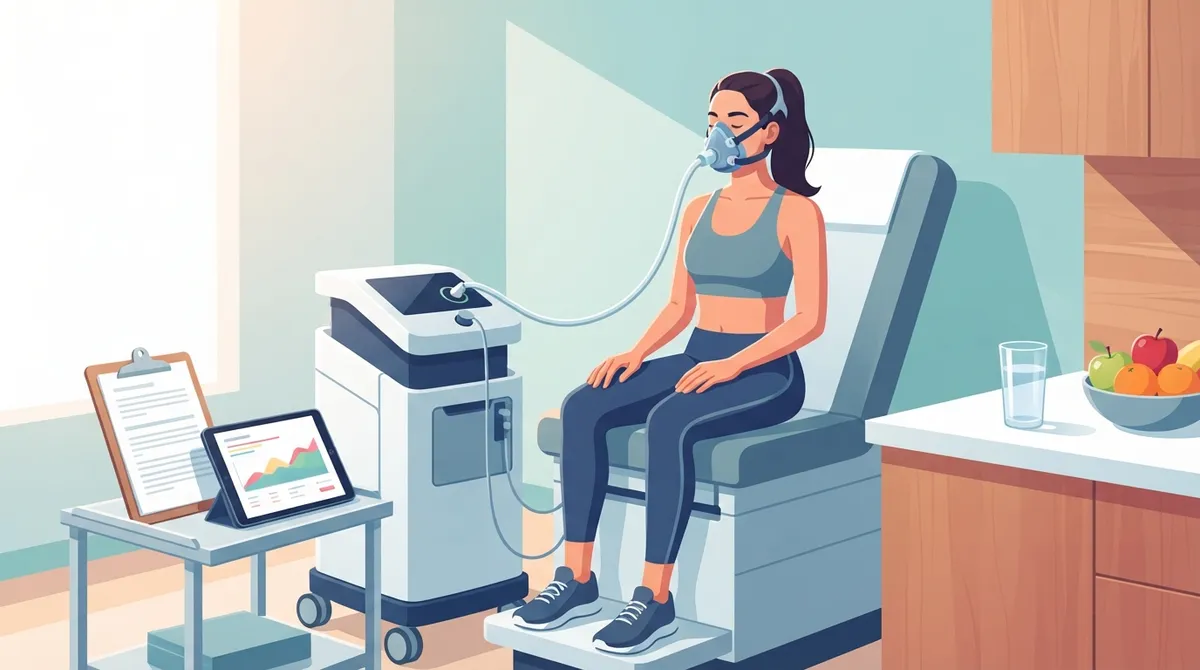
This broad view helps busy families and professionals act on what matters most. If poor sleep is part of your picture, read how to know when to see a doctor for poor sleep. If metabolism is your focus, see what a metabolic breath test shows about your body.
Where InCare Fits
InCare is a personalized primary care and wellness clinic with locations in Tampa and Riverview, Florida. The practice combines state-of-the-art technology with medical expertise and focuses on prevention and whole-body optimization. Services include primary care, urgent care, cancer screenings, metabolic breath analysis, body composition analysis, DNA gene testing, weight loss programs, and IV hydration.
What sets this approach apart is the foundation. Advanced tools are offered as optional wellness testing alongside preventive care, not as a replacement for it. That means your results are interpreted by clinicians who know your history, and follow-up is built into your care. Patients have rated the clinic 4.8 out of 5 on Google across more than 350 reviews, and you can visit us on Google to read InCare reviews from real patients.
You can also follow the clinic's updates on Instagram, Facebook, and TikTok for health tips and clinic news.
For a deeper look at how longevity care and primary care work together, see why longevity medicine starts with primary care and how to build a preventive health screening plan in 2026.
A Quick Checklist Before You Book
Use this short list when you compare any healthspan testing clinic in Tampa:
- A clinician reviews your history before recommending tests
- Established preventive care is covered first
- Each test has a clear purpose and a stated limit
- Results are interpreted by a licensed physician
- Follow-up care is included or clearly priced
- Costs, billing, and privacy practices are explained in writing
If a clinic meets all six points, you are likely dealing with a serious, patient-centered practice.
Take the Next Step Toward Better Healthspan
The right clinic will not promise miracles. It will give you honest information, evidence-based testing, and a practical plan you can follow. Start with a strong primary care foundation, add optional testing only where it helps, and insist on clear follow-up.
Ready to build a plan around your goals? Book your visit with InCare to start with a personalized assessment in Tampa or Riverview, or contact our team with any questions first.
FAQs
Q: What does healthspan testing include at a Tampa clinic?
A: It typically starts with a medical history, physical exam, and standard preventive screenings such as blood pressure, lipids, and HbA1c. Some clinics add optional tests like ApoB, hormone panels, body composition analysis, or genetic testing, chosen based on your risks and goals.
Q: Are advanced biomarker and biological-age tests scientifically validated?
A: Some advanced markers have growing clinical use, while others, such as biological-age tests, are still emerging. They are not all standard screening tools, so a clinician should explain the evidence and how any result would change your care.
Q: How much does healthspan or longevity testing cost in Tampa?
A: Reliable, independently verified pricing is not available for the whole Tampa area, and costs vary by clinic and test menu. Confirm directly with each practice whether services are billed to insurance or paid out of pocket, and ask about membership or retest fees.
Q: How often should healthspan blood tests be repeated?
A: There is no single universal schedule. Some clinics retest core panels every few months, while others retest annually, depending on your results and risk. Ask your clinician why a specific interval is recommended for you.
Q: How do I choose a healthspan clinic that provides evidence-based primary care?
A: Look for physician-led care, established preventive screenings first, clear explanations of each test's limits, and defined follow-up for abnormal results. Clinics that connect testing to ongoing primary care are better positioned to turn results into real health improvements.