
Key Takeaways
- Supplements are not one-size-fits-all; for most healthy adults, food should supply needed nutrients, and supplements make sense only for a clear need like a diagnosed deficiency, pregnancy, or a medical condition.
- USPSTF found insufficient evidence that multivitamins or most single nutrients prevent heart disease or cancer in healthy, nonpregnant adults, and recommends against beta-carotene and vitamin E for that purpose.
- Vitamin D trials showed no meaningful reduction in all-cause death or cancer rates in healthy adults, so routine broad use for disease prevention is not proven.
- Build your protocol step by step: review diet and lifestyle, list every supplement and medicine with doses, get a preventive visit, test only if indicated, and schedule regular reviews.
- Supplements can interact with blood thinners, thyroid medicine, and diabetes drugs, so share all product names and doses with your clinician before starting anything.
- Choose supplements through clinician guidance, look for independent third-party testing seals, and avoid products promising to cure disease or prevent cancer or heart disease.
Walk into any pharmacy in Tampa and you will find rows of vitamins, minerals, and powders that all promise better health. It is easy to feel lost. Many people start with a few bottles and hope for the best. A better path is to build preventive supplement protocols in Tampa with a clinician who knows your health history.
Here is the key point. Supplements are not one-size-fits-all. For most healthy adults, food should supply the nutrients you need. Supplements make sense when a clear need exists, such as a diagnosed deficiency, pregnancy, or a certain medical condition. A good protocol starts with questions, not products.
This guide shows you how to build a safe, personal plan step by step. You will learn what the evidence says, what to bring to your visit, and how to avoid common mistakes. Whether you are a busy parent, a tech-savvy professional, or a young adult curious about wellness, the goal is the same: make smart choices that protect your health over time.

What a Preventive Supplement Protocol Really Means
A preventive supplement protocol is a clinician-guided plan. It decides whether you need any supplements, which ones, what dose, and how long. It is built around you. It is not a stack of popular products.
In a primary care setting, this plan sits inside a bigger picture. Your doctor looks at your diet, sleep, activity, medicines, family history, and lab results. Then the team decides if a supplement adds value or if a food change works better.
That approach matters because the research is mixed. Understanding the evidence helps you avoid wasted money and possible harm.
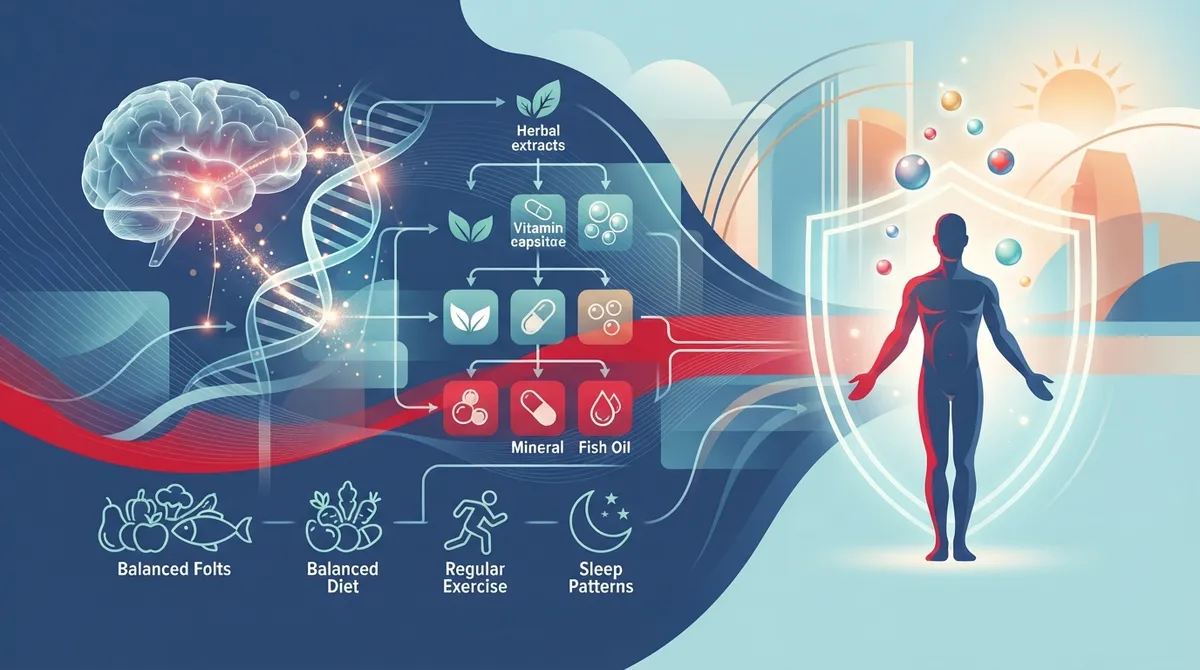
What the Evidence Says About Supplements for Prevention
The U.S. Preventive Services Task Force (USPSTF) reviewed this topic in 2022. Its findings are useful for anyone planning a protocol. You can read the full USPSTF recommendation on vitamin and mineral supplementation for details.
- Multivitamins and most single or paired nutrients: For generally healthy, nonpregnant adults, the evidence is insufficient to judge the balance of benefits and harms for preventing heart disease or cancer.
- Beta-carotene and vitamin E: The Task Force recommends against using them to prevent heart disease or cancer. Beta-carotene may raise lung cancer risk in people already at higher risk, including smokers.
- Vitamin D: A pooled review of 27 trials with 117,082 participants found no difference in all-cause death (odds ratio 0.96; 95% CI 0.91 to 1.02). Another review of 19 trials with 86,899 participants found no meaningful change in cancer rates (odds ratio 0.98; 95% CI 0.92 to 1.03).
These results do not mean supplements are useless. They mean broad, routine use for disease prevention is not proven in healthy adults. The Task Force advice does not apply to people who are pregnant or may become pregnant, children, or people with known deficiencies or certain illnesses. Those groups may need targeted support.
How to Build Your Protocol in 6 Steps
Use this simple process to create a plan that fits your life.
- Start with food and lifestyle. Look at what you eat on a normal week. Check your intake of vegetables, fruit, whole grains, lean protein, and healthy fats. Review sleep, stress, and exercise too.
- List everything you take. Write down every vitamin, mineral, herb, powder, and medicine. Include the brand, dose, and how often you take it.
- Book a preventive visit. Your primary care clinician reviews your history, risk factors, and goals. This is where a plan takes shape.
- Decide if testing is needed. Testing makes sense when symptoms, diet, or health conditions point to a possible gap. Routine broad panels are not needed for everyone.
- Choose targeted supplements only if indicated. Your clinician matches each product to a clear reason and sets a safe dose.
- Review on a schedule. Needs change with age, medicines, and life stage. Plan regular check-ins to adjust or stop items.
Who May Benefit From a Supplement Plan
Some people have a clearer reason to consider supplements. Your clinician decides based on your situation, but these groups often come up in primary care:
- People with a lab-confirmed deficiency, such as low iron or low vitamin B12
- Women who are pregnant, planning pregnancy, or breastfeeding
- Adults following restrictive diets, such as strict vegan eating
- People with digestive conditions that limit nutrient absorption
- Those taking medicines that can lower certain nutrient levels
Notice that each reason is specific. That is the difference between a protocol and a guess.
Why Tampa Residents Should Avoid the Sunshine Shortcut
Many people assume that living in Florida means no one needs to think about vitamin D, or that everyone needs it. Neither idea is safe. Climate alone does not tell you your vitamin D status. Skin type, sunscreen use, time indoors, body weight, age, and health conditions all play a role.
The better move is to ask your clinician. If your history or symptoms suggest a concern, testing can give a real answer. If you want to learn more, read our guide on how to decide if vitamin D3 and K2 supplements fit you.
Safety First: Interactions, Doses, and Quality
Natural does not always mean safe. Supplements can cause side effects, push you past recommended intake levels, or interact with prescription and over-the-counter medicines. Blood thinners, thyroid medicine, and diabetes drugs are common examples where timing and ingredients matter.
Use this checklist to stay safe:
- Share product names and doses with your clinician before you start
- Avoid high doses unless a clinician advises them
- Stop and call your doctor if you notice new symptoms after starting a product
- Pause supplements and tell your care team before surgery or a new prescription
- Never replace prescribed medicine with a supplement
Medicine review is a core part of safe care. Our article on prescription management tips for better health explains how to keep your list accurate and current.
How to Choose a Quality Supplement
Supplements are not reviewed by regulators the same way medicines are, so quality varies. If your clinician recommends a product, these habits help you buy wisely:
- Ask your clinician for brand guidance rather than picking by marketing claims.
- Look for independent third-party testing seals on the label.
- Check that the dose matches what your clinician advised.
- Avoid products that promise to cure disease or sound too good to be true.
- Buy from reputable sellers and keep the original packaging and lot number.
For a deeper look at this topic, see our piece on quality longevity supplements under doctor care.
Comparing Common Approaches
The table below shows how a clinician-guided plan differs from a do-it-yourself approach.
|
Factor |
Clinician-Guided Protocol |
Do-It-Yourself Stack |
|---|---|---|
|
Starting point |
Health history, diet, labs, medicines |
Ads, social media, trends |
|
Product choice |
Matched to a clear need |
Often broad and overlapping |
|
Dose |
Set for your situation |
Based on the label or guesswork |
|
Interaction check |
Reviewed against your medicines |
Usually skipped |
|
Follow-up |
Scheduled reviews and adjustments |
Rarely revisited |
Tailoring Your Plan to Your Life Stage
Your needs shift over time, so your plan should too.
Busy Families
Parents often try to cover every gap with a long list of products. Start with meals instead. Children and adults have different needs, and kids should not take adult supplements. A family doctor can guide each person safely and keep visits efficient.
Young Adults and Gen Z
Social media can make supplement stacks look essential. They are not. Focus on sleep, regular meals, and movement first. If you are curious about a product, bring it to your visit rather than buying it based on a video.
Wellness-Focused Professionals
If you already invest in advanced health tools, such as body composition scans or metabolic testing, use that data to guide choices. Objective numbers help your clinician decide what is worth adding and what is not.
Women Without a Regular Primary Care Doctor
A comprehensive wellness visit can cover screenings, nutrition, and family planning in one place. If pregnancy is possible in the near future, tell your clinician early. Nutrient needs can change before conception.
What to Bring to Your Visit
A little preparation makes your appointment far more useful. Bring the following:
- Every supplement and medicine in its original bottle, or clear photos of the labels
- A short list of your goals and concerns
- A rough record of what you eat in a typical week
- Family health history, especially heart disease, cancer, and bone health
- Past lab results, if you have them
If you are still choosing a clinic, our guide on how to get the most from preventive care visits offers helpful tips, and you can learn how to choose a primary care doctor in Tampa to find the right fit.
Red Flags to Watch For
Be cautious if a seller or clinic does any of the following:
- Promises that a product will prevent cancer or heart disease
- Sells the same large supplement bundle to every patient
- Skips questions about your medicines and health history
- Pushes expensive testing panels without a medical reason
- Discourages you from talking with your regular doctor
Sound care is personal, cautious, and honest about what is and is not proven.
Where InCare Fits In
InCare is a personalized primary care and wellness clinic with locations in Tampa and Riverview. Our team combines modern technology with medical expertise to focus on prevention and whole-body health. We review your history, medicines, and goals before recommending anything, so each step has a clear purpose. You can see what our InCare patients say on Google or follow our updates on Instagram, Facebook, and TikTok.
To see how a preventive visit works, read about what a wellness checkup in Tampa includes.
Conclusion
The best preventive supplement protocols in Tampa are simple, personal, and based on evidence. Start with food and lifestyle. Check your medicines. Test only when there is a reason. Add a supplement only when it solves a defined need, and review the plan on a regular schedule. This approach protects your money and your health.
Ready to build a plan that fits you? Book your preventive care visit with InCare today, or contact our team with questions. We are here to help you make confident, informed choices.
FAQs
Q: What supplements should I take for preventive health in Tampa?
A: There is no single list that fits everyone. A primary care clinician reviews your diet, health history, medicines, and life stage before recommending any supplement. For many healthy adults, food provides what the body needs.
Q: Are multivitamins proven to prevent heart disease or cancer?
A: No. The USPSTF found the evidence insufficient to judge the benefits and harms of multivitamins and most single or paired nutrients for preventing heart disease or cancer in healthy, nonpregnant adults. It also recommends against vitamin E and beta-carotene for this purpose.
Q: Should I get blood tests before starting vitamins or supplements?
A: Testing is helpful when symptoms, diet, or health conditions suggest a possible deficiency. Broad routine panels are not necessary for everyone, so your clinician decides what is appropriate for you.
Q: Can supplements interact with prescription medications?
A: Yes. Supplements can change how some medicines work or add to their side effects. Share the names and doses of everything you take with your clinician so they can check for interactions.
Q: Are supplements safe during pregnancy or when trying to conceive?
A: Some nutrients are important before and during pregnancy, but needs are specific and doses matter. Talk with your clinician early so they can recommend only what is appropriate and safe.