
Key Takeaways
- KPV peptide lacks human clinical trials and FDA approval; most evidence comes from cell studies and mice models, making its effectiveness in humans unproven and potentially risky.
- Unregulated KPV products sold online carry serious risks including uncertain purity, unclear dosing, no sterility guarantees for injections, and unknown medication interactions.
- Proven gut health strategies like fiber-rich diets, hydration, stress management, and regular medical checkups should be prioritized over unverified peptide trends.
- Digestive symptoms lasting days, unexplained weight loss, or blood in stool require professional medical evaluation to rule out serious conditions like Crohn's disease or infections.
Gut health has become one of the most searched wellness topics in 2026. If you spend time on social media or wellness forums, you may have come across KPV peptide as a possible fix for bloating, inflammation, or digestive discomfort. But what does the science actually show? This article breaks down what KPV peptide is, what research has found so far, and why talking to a primary care provider is the safest first step before trying any peptide product.
At InCare, we believe patients deserve clear, honest information about emerging wellness trends. Our providers in Tampa and Riverview combine evidence-based primary care with advanced diagnostics, so you can make informed decisions about your digestive health rather than relying on unverified online claims.
What Is KPV Peptide?
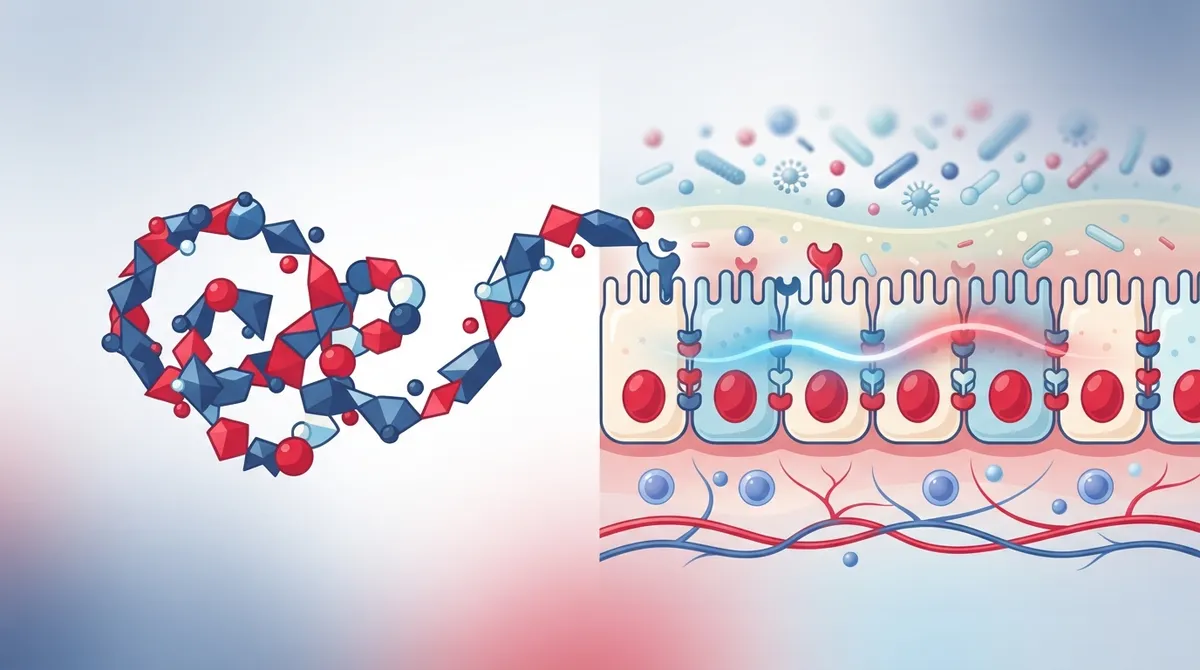
KPV is a small peptide made of three amino acids: lysine, proline, and valine. It comes from a piece of a larger hormone called alpha-melanocyte-stimulating hormone (alpha-MSH). This hormone plays a role in regulating inflammation throughout the body.
Because KPV is so short, researchers have studied whether it can reduce inflammation in the gut without some of the side effects seen in other treatments. Early laboratory work has been promising, but it is important to understand the difference between lab findings and proven human results.
How KPV May Work in the Body
Preclinical studies suggest KPV may block certain inflammatory signals, including two pathways called NF-κB and MAPK. These pathways help control how much inflammation your body produces in response to irritation or injury.
Researchers have also looked at a gut transporter called PepT1. This transporter may help KPV enter intestinal cells. This is a biologically interesting idea, but it does not confirm that an oral KPV product would actually work the same way once swallowed by a person.

What Does the Research Actually Show?
Most of what we know about KPV comes from cell studies and animal research, not human clinical trials. A 2007 peer-reviewed study found that small amounts of KPV reduced inflammatory signaling in intestinal cells. Around the same time, researchers tested KPV in mice with colitis, a condition that causes inflammation in the colon.
- Mice treated with KPV showed improved weight recovery after colitis was induced.
- Researchers observed lower levels of an inflammation marker called myeloperoxidase.
- Tissue samples showed less inflammatory cell buildup in the colon.
- These effects were seen in both DSS-induced colitis and T-cell-transfer colitis models.
While these results are encouraging for future research, they come from mice, not people. No large, well-designed human clinical trials have confirmed that KPV treats or prevents conditions like inflammatory bowel disease, irritable bowel syndrome, leaky gut, or general digestive discomfort.
Why Animal Studies Do Not Guarantee Human Results
It is common for a compound to work well in a lab or in mice but fail to show the same benefit in humans. Differences in metabolism, digestion, and immune response make it hard to predict human outcomes based on animal data alone.
This is why organizations like the National Institutes of Health require multiple phases of human testing before a treatment can be considered safe and effective for widespread use. KPV has not gone through this full process yet.
Is KPV Peptide FDA Approved?
No. KPV is not an FDA-approved medication for gut health or any other condition. Some companies sell KPV online as an oral supplement, nasal spray, or injectable product marketed for research use only.
These products may carry real risks, including:
- Uncertain purity and unknown ingredient sourcing.
- No guarantee of sterile manufacturing, especially for injectable versions.
- Unclear or unverified dosing recommendations.
- No long-term human safety data to reference.
- Possible interactions with medications you already take.
Because there is no established human dosing standard, it is very difficult to know what a safe or effective amount would even look like. This is one reason primary care providers recommend caution before trying unregulated peptide products.
|
Category |
What Research Shows |
|---|---|
|
Cell Studies |
Reduced inflammatory signaling in intestinal cells at low concentrations |
|
Animal Studies |
Improved colitis symptoms in mice, including reduced inflammation markers |
|
Human Clinical Trials |
No well-established trials confirming efficacy or safety |
|
FDA Status |
Not approved for any medical use |
|
Long-Term Safety Data |
Not available |
What KPV Cannot Replace
KPV should never be used as a substitute for evaluation of serious digestive symptoms. If you are dealing with ongoing stomach pain, unexplained weight loss, blood in your stool, or persistent diarrhea, these symptoms deserve a proper medical workup.
Conditions like Crohn's disease, ulcerative colitis, celiac disease, and gastrointestinal infections require diagnosis through lab work, imaging, or endoscopy. Self-treating with an unregulated peptide could delay a diagnosis that actually needs medical attention.
When to See a Primary Care Provider
You should schedule a visit with a primary care provider if you experience:
- Stomach pain that lasts more than a few days.
- Frequent bloating, gas, or changes in bowel habits.
- Unexplained weight loss or fatigue.
- Blood in your stool or persistent nausea.
- Family history of inflammatory bowel disease or colon cancer.
A thorough evaluation can rule out serious conditions and help you build a gut health plan based on real evidence, not unverified peptide trends. Our providers at InCare are trained to listen carefully and create a plan that fits your specific symptoms and history.
Evidence-Based Ways to Support Gut Health
While KPV research is still developing, there are proven ways to support your digestive system right now. These strategies are backed by decades of medical research and can make a real difference in how you feel every day.
- Eat a fiber-rich diet with vegetables, fruits, and whole grains to support healthy digestion.
- Stay hydrated throughout the day, since water helps move food through your digestive tract.
- Limit processed foods and added sugars, which can disrupt healthy gut bacteria.
- Manage stress through sleep, exercise, or relaxation techniques, since stress directly affects digestion.
- Get regular checkups so a provider can catch problems early through screening and lab work.
Our clinic also offers IV hydration and vitamin drips for patients looking to support overall wellness alongside their primary care visits. These services are designed to complement, not replace, a solid foundation of preventive care.
The Role of Preventive Screenings
Routine wellness visits and cancer screenings play a major role in catching digestive issues early. Many gastrointestinal conditions develop slowly and show few symptoms until they become more serious.
InCare also offers DNA gene testing, which can provide insight into how your body processes certain nutrients and may reveal predispositions relevant to digestive and metabolic health. This kind of personalized data can help guide smarter, evidence-based wellness decisions.
Why Talk to a Doctor Before Trying Peptides
It is easy to see why KPV peptide sounds appealing. Gut inflammation is uncomfortable, and the idea of a simple compound fixing it is attractive. But wellness decisions should be based on solid evidence, not marketing claims from unregulated online sellers.
A conversation with a licensed provider can help you understand what is actually happening in your gut. From there, you can build a plan using treatments and lifestyle changes that have real, documented support. If you are experiencing digestive symptoms, our team can help you get to the bottom of it with proper testing and a personalized comprehensive primary care approach.
You can also read what real patients say about their experience by visiting our InCare location on Google, where our Tampa and Riverview clinics maintain strong patient satisfaction ratings. We also share wellness updates and educational content on Facebook, Instagram, and TikTok.
Frequently Asked Questions About KPV and Gut Health
If digestive symptoms are affecting your daily life, do not wait for an unproven trend to solve the problem. Book an appointment with InCare today and get a clear, evidence-based plan built around your health.
FAQs
Q: What is KPV peptide and how is it related to alpha-MSH?
A: KPV is a tripeptide made of lysine, proline, and valine. It corresponds to the C-terminal portion of alpha-melanocyte-stimulating hormone, a hormone involved in regulating inflammation throughout the body.
Q: Can KPV peptide reduce gut inflammation or help with inflammatory bowel disease?
A: Preclinical studies in cells and mice suggest KPV may reduce certain inflammatory markers. However, no well-established human clinical trials have confirmed that KPV treats or prevents inflammatory bowel disease.
Q: Is there human clinical evidence that KPV improves gut health?
A: No. The available research consists mainly of laboratory cell studies and mouse models of colitis. There is no validated human efficacy data or approved dosing standard at this time.
Q: Does oral KPV survive digestion, and is it absorbed through the intestine?
A: KPV may enter intestinal cells through a transporter called PepT1, but this remains a biological theory. Its short structure may also make it vulnerable to breakdown during digestion, and human absorption has not been confirmed.
Q: Is KPV peptide FDA approved or safe to buy online?
A: KPV is not FDA approved for gut health or any other condition. Products sold online may have uncertain purity, unclear dosing, and no long-term safety data, so discussing risks with a primary care provider is strongly recommended.