Key Takeaways
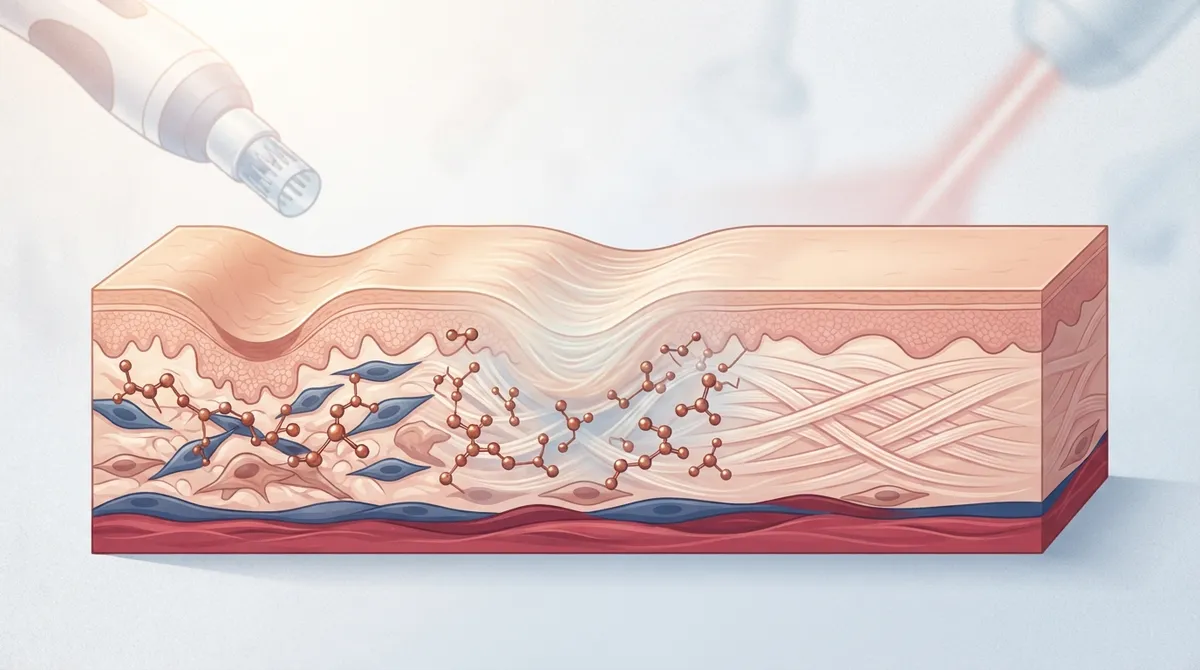
- GHK-Cu combined with microneedling or fractional laser produces significantly better results than standalone use, with studies showing 47% improvement in scar depth versus 18% with microneedling alone.
- GHK-Cu works best on recent scars and mild atrophic acne scars but shows limited effectiveness on deep, long-established scars or keloids, so scar type assessment is essential before starting treatment.
- Results typically require 8-16 weeks of consistent application at 0.1-2% concentration to evaluate, with gradual improvements in texture and pliability rather than dramatic overnight changes.
- GHK-Cu is a naturally occurring copper peptide that declines with age and supports collagen remodeling, fibroblast activity, and wound-healing pathways at the cellular level rather than acting as a surface exfoliant.
- Patch testing and medical provider supervision are recommended before use, especially for patients with active keloids, very deep scarring, or sensitive skin conditions to prevent irritation.
Scars have a way of lingering long after the wound has closed, whether from surgery, injury, or years of acne breakouts. Many patients now ask about copper peptides as a science-backed option to improve scar texture and tone. GHK-Cu, short for glycyl-L-histidyl-L-lysine copper, has become a popular topic in regenerative wellness circles because of its role in skin repair and collagen support. This article breaks down what GHK-Cu scar reduction actually means, what the research shows, and how it fits into a broader wellness plan supervised by a medical provider.
At InCare, patients across Tampa and Riverview are increasingly interested in peptide-based options that complement traditional dermatology and primary care. Understanding the science behind GHK-Cu helps you set realistic expectations and make informed choices with your provider.
What Is GHK-Cu and Why Does It Matter for Scars
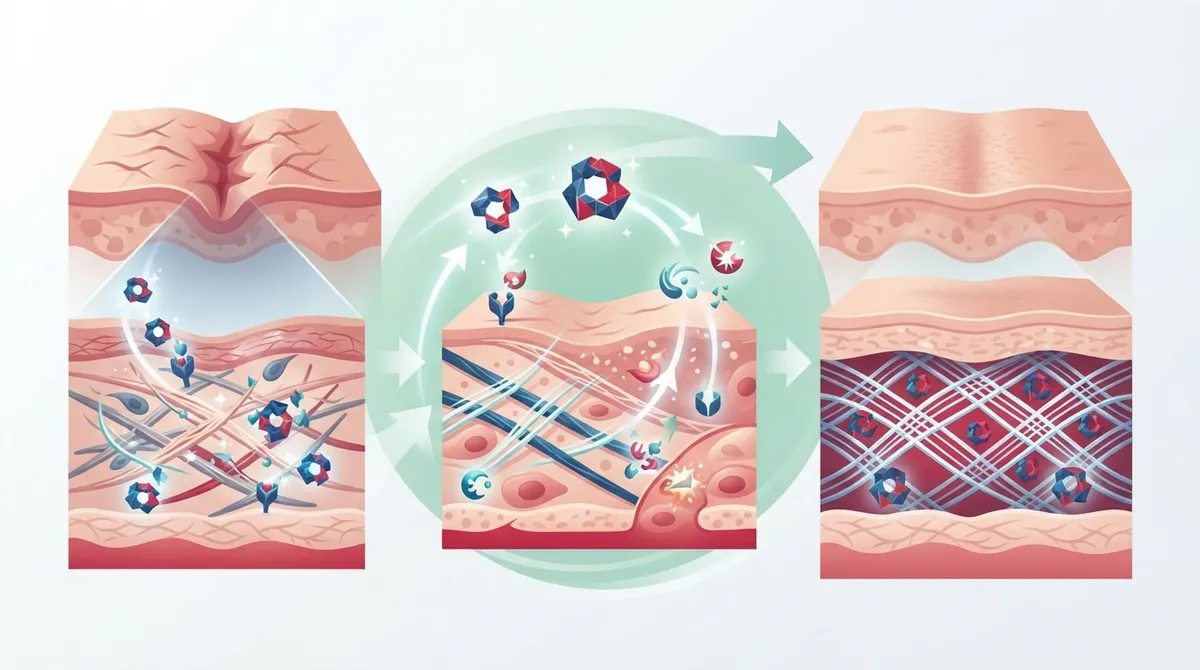
GHK-Cu is a naturally occurring copper-binding peptide found in human plasma, saliva, and urine. Levels of this peptide are highest in youth and decline as we age, which may explain why younger skin tends to heal faster and with less visible scarring. Researchers have studied it for decades because of its apparent role in tissue repair and collagen remodeling.
The peptide is thought to influence several biological processes tied to wound healing. These include stimulating fibroblast activity, supporting blood vessel formation, and helping regulate how scar tissue forms during the healing process.
- Supports collagen and elastin production in the dermis
- May help modulate TGF-β signaling, a pathway linked to scar formation
- Appears to influence myofibroblast activity, which affects scar stiffness
- Has antioxidant and anti-inflammatory properties reported in preclinical studies
- Is being studied for its role in improving skin texture and firmness over time
How GHK-Cu May Support Scar Reduction
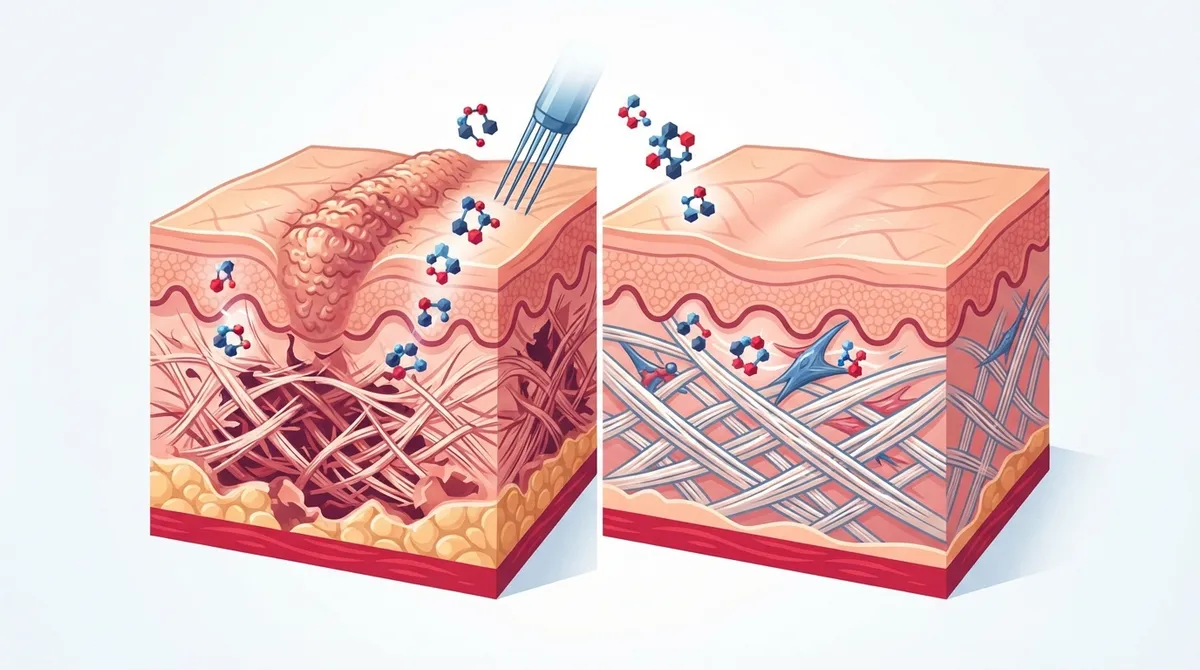
The proposed anti-scar effect of GHK-Cu is linked to its influence on wound-healing pathways. Rather than acting like a bleach or exfoliant, it appears to work at a cellular level to guide how new tissue forms. This is why researchers often describe it as supporting collagen organization rather than simply removing damaged skin.
Most available evidence suggests it may be more helpful for certain scar types than others. Recent scars, post-procedure skin, and mild atrophic acne scars tend to respond better than deep, long-established scars or thick keloids.
Scar Types and Expected Response
|
Scar Type |
Typical Response to GHK-Cu |
Best Paired Approach |
|---|---|---|
|
Recent surgical scars |
Moderate to good improvement in texture and color |
Standalone topical use post-healing |
|
Mild atrophic acne scars |
Some improvement in texture and pliability |
Combined with microneedling |
|
Deep or long-established scars |
Limited change expected |
Combined with fractional laser |
|
Keloid or hypertrophic scars |
Evidence is preliminary; caution advised |
Medical evaluation recommended first |
What the Research Actually Shows
Much of the excitement around GHK-Cu comes from a mix of preclinical studies and early-stage human trials. While promising, the evidence is not yet strong enough to call it a standalone scar cure. It appears to work best as part of a layered approach involving procedures that stimulate new collagen growth.
- A 12-week skin study cited in PubMed Central found that GHK-Cu improved collagen production in 70 percent of women studied, compared with 50 percent for vitamin C cream and 40 percent for retinoic acid.
- A 2024 meta-analysis reported a 32 percent reduction in scar depth at 16 weeks when GHK-Cu was combined with microneedling or fractional laser, compared to 19 percent with the procedure alone.
- A 2025 study reported 47 percent improvement in scar depth when GHK-Cu was paired with microneedling, versus 18 percent using microneedling by itself.
- A randomized human trial on diabetic ulcers reported 98.5 percent wound closure with GHK-Cu compared to 60.8 percent with a vehicle control, with healing roughly three times faster.
- Topical protocols described in secondary sources often use 0.1 percent to 2 percent formulations, or 2 percent to 5 percent scar-focused products, applied over 8 to 16 weeks, though these are not yet standardized clinical guidelines.
These numbers are encouraging, but it is worth noting that many come from small trials or secondary sources rather than large-scale clinical research. This is why working with a knowledgeable provider matters when considering peptide-based skin therapies.
Comparing GHK-Cu With Other Common Scar Treatments
Patients often ask how GHK-Cu stacks up against more familiar options like retinol or vitamin C. Each has a different mechanism, and combining approaches may offer better results than relying on just one.
|
Treatment |
Primary Mechanism |
Typical Timeline |
|---|---|---|
|
GHK-Cu peptide |
Collagen remodeling, wound signaling support |
8 to 16 weeks |
|
Retinol |
Cell turnover, exfoliation |
12 to 24 weeks |
|
Vitamin C |
Antioxidant support, collagen synthesis |
8 to 12 weeks |
|
Microneedling |
Controlled micro-injury to stimulate healing |
4 to 6 sessions |
|
Fractional laser |
Targeted resurfacing of scar tissue |
3 to 5 sessions |
Steps to Consider Before Starting GHK-Cu for Scars
Before adding any peptide product to your skincare or treatment plan, it helps to follow a structured approach. This reduces the risk of irritation and improves the odds of seeing meaningful change.
- Schedule a consultation to review your scar history, skin type, and overall health goals.
- Ask about combining GHK-Cu with procedures like microneedling for enhanced results.
- Choose a reputable formulation with a clearly labeled concentration.
- Apply consistently for at least 8 to 12 weeks before evaluating results.
- Track changes with photos taken under similar lighting conditions.
- Follow up with your provider to adjust the plan as needed.
This kind of structured, medically guided approach is part of what makes InCare a trusted option for patients exploring advanced wellness treatments in the Tampa Bay area.
Who Might Benefit Most From GHK-Cu Scar Support
Certain patient groups tend to see more noticeable benefits from GHK-Cu compared to others. Understanding where you fall on this spectrum can help set realistic expectations.
- Patients recovering from recent cosmetic or surgical procedures
- Individuals with mild to moderate atrophic acne scarring
- Those already undergoing microneedling or laser resurfacing
- People interested in general skin firmness and collagen support alongside scar care
- Patients who prefer a gradual, non-invasive addition to their skincare routine
Patients with active keloids, very deep scarring, or sensitive skin conditions should speak with a physician before starting any peptide regimen. A visit to a primary care provider can help determine whether GHK-Cu is appropriate for your specific skin history.
Safety Considerations and Realistic Expectations
GHK-Cu is generally well tolerated in topical form, though some people report mild redness or irritation when starting a new product. Because it is not a magic eraser, patients should expect gradual improvement rather than dramatic overnight change.
It is also important to remember that most human studies are still limited in size and scope. Preclinical and early-stage data are encouraging, but larger, well-controlled clinical trials are still needed to confirm long-term safety and effectiveness for scar reduction specifically.
- Patch test any new topical product before full application
- Avoid combining multiple active ingredients without professional guidance
- Discontinue use if irritation, itching, or rash develops
- Discuss any use during pregnancy or breastfeeding with your provider first
- Set a realistic 12 to 16 week timeline for visible changes
How InCare Supports Whole-Body Skin and Wellness Goals
Scar reduction is often just one part of a bigger picture involving overall skin health, hormone balance, and metabolic function. At InCare, patients can pair conversations about peptide therapy with services like DNA gene testing, body composition analysis, and IV hydration and vitamin drips to support skin repair from the inside out.
For patients also managing hair thinning alongside skin concerns, InCare's hair restoration services offer another avenue for regenerative care under one roof. This whole-body approach reflects the clinic's mission to combine prevention with advanced technology.
Many patients researching peptide therapy also want to know how it fits with broader anti-aging and cellular health goals. You can learn more in this related read on how to use GHK-Cu safely for skin and wellness, or explore how copper peptides compare to other options in this piece on GHK-Cu versus retinol for anti-wrinkle care.
Why Location and Provider Choice Matter
Not every wellness clinic offers the same level of oversight when it comes to peptide-based therapies. Choosing a clinic with licensed medical professionals ensures your scar reduction plan is safe, personalized, and grounded in current evidence.
InCare's locations in Tampa and Riverview give patients convenient access to providers who understand both the science and the practical application of treatments like GHK-Cu. You can also follow updates and patient stories through Facebook, Instagram, and Tik Tok to see how the clinic approaches wellness care.
Patients considering their options can also visit us on Google — InCare to read reviews from others in the Tampa Bay community who have experienced the clinic's approach to personalized care firsthand.
Building a Complete Scar Care Plan
GHK-Cu works best as one piece of a larger scar management strategy rather than a solo fix. Combining it with in-office procedures, proper skincare, and medical guidance tends to produce more consistent results.
- Get a professional skin assessment to identify scar type and severity.
- Discuss whether microneedling or laser treatments make sense alongside peptide use.
- Set a realistic timeline of 12 to 16 weeks for initial evaluation.
- Monitor for irritation and adjust concentration as needed.
- Reassess with your provider and consider additional sessions if progress is slow.
This structured process is similar to how InCare approaches other peptide therapy programs in Tampa, where individualized plans replace one-size-fits-all treatment.
Final Thoughts on GHK-Cu and Scar Reduction
GHK-Cu shows genuine promise as a tool for improving scar texture, color, and pliability, especially when paired with procedures like microneedling or laser resurfacing. It is not a guaranteed fix for deep or long-established scars, but it may offer meaningful support for recent scars and mild acne scarring.
If you are curious whether GHK-Cu scar reduction fits your skin goals, the team at InCare can help you weigh the evidence and build a plan around your needs. Reach out to our team today to discuss your options, or go ahead and book your appointment now to start your personalized wellness journey.
FAQs
Q: Does GHK-Cu actually reduce scars?
A: Research suggests GHK-Cu may improve scar texture, color, and pliability, particularly for recent scars and mild acne scarring. It is not proven to fully erase deep or long-established scars, and results are strongest when combined with procedures like microneedling.
Q: How long does GHK-Cu take to work on scars?
A: Most protocols suggest evaluating results after 8 to 16 weeks of consistent use. Some studies report measurable improvements in scar depth at the 16-week mark, especially when paired with in-office procedures.
Q: Is GHK-Cu better for acne scars or surgical scars?
A: Evidence suggests GHK-Cu may work well for mild atrophic acne scars and recent surgical scars. Deep or long-established scars typically show less response to peptide use alone.
Q: Can GHK-Cu be used with microneedling or laser?
A: Yes, several studies report better outcomes when GHK-Cu is paired with microneedling or fractional laser rather than used as a standalone treatment. One study reported a 47 percent improvement in scar depth with this combination.
Q: Is GHK-Cu safe for sensitive skin?
A: GHK-Cu is generally well tolerated, though some people experience mild redness when starting a new product. A patch test and guidance from a medical provider are recommended before full use.