Key Takeaways
- Topical GHK-Cu has the strongest evidence base for skin improvements like elasticity and wrinkle reduction, while injectable forms lack FDA approval and carry higher regulatory risks—prioritize topical serums over unregulated injectables.
- GHK-Cu works by signaling collagen production, reducing oxidative stress, and promoting anti-inflammatory responses, but most evidence comes from cell and animal studies rather than large-scale human clinical trials.
- Approach GHK-Cu safely by starting with topical formulations, patch testing first, introducing gradually every other day, tracking results with photos, and discussing use with your healthcare provider before starting.
- Injectable GHK-Cu for inflammatory conditions like ulcerative colitis remains preclinical and unproven in humans—rely on established physician-guided treatments rather than unproven peptide protocols for chronic conditions.
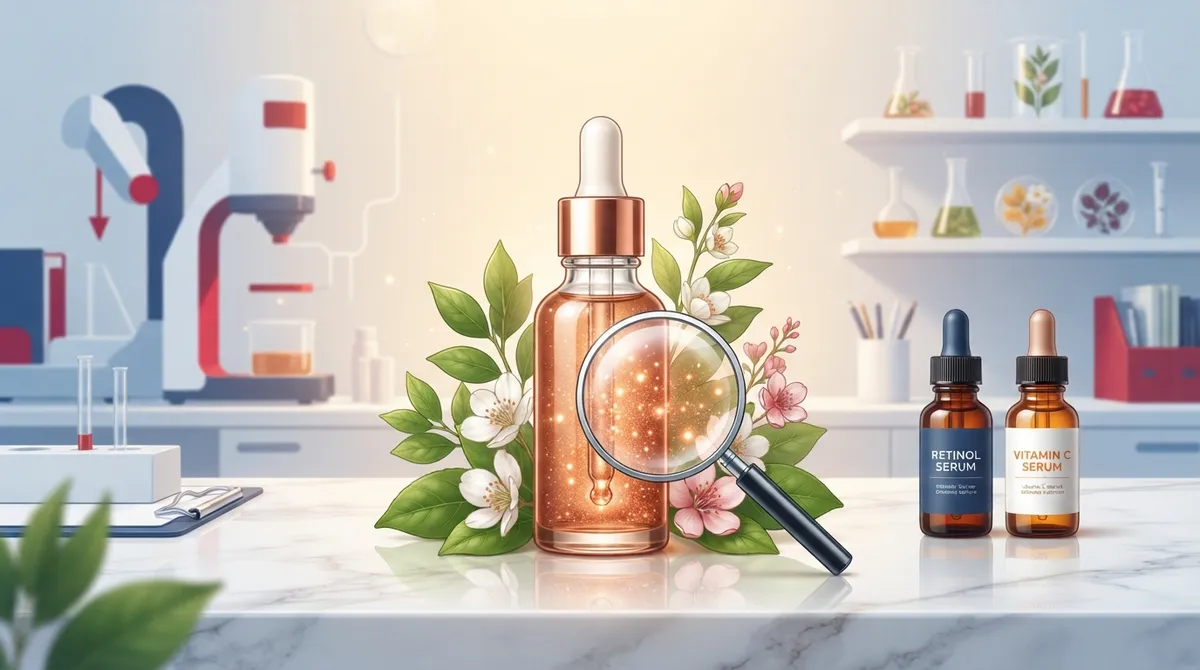
- GHK-Cu should complement, not replace, established skincare ingredients like retinol and vitamin C, and works best within a comprehensive wellness plan that includes proper sleep, hydration, nutrition, and hormone balance.
- Avoid injectable GHK-Cu from unregulated sources and be cautious if you have copper sensitivities, are pregnant/breastfeeding, have active skin infections, or take medications affecting wound healing or immune response.
If you have spent time researching skincare or regenerative wellness trends, you have likely come across GHK-Cu. This small copper peptide is showing up in serums, wellness clinics, and even preclinical research on inflammation. But separating real science from marketing hype can be hard. This guide explains what GHK-Cu is, what it may do, and how to approach it safely as part of a broader wellness plan.
At InCare, our Tampa and Riverview teams believe that any wellness trend should be understood through evidence, not just enthusiasm. Below, we break down the facts about GHK-Cu so you can make an informed decision about whether it fits into your health routine.

What Is GHK-Cu?
GHK-Cu stands for glycyl-L-histidyl-L-lysine-copper. It is a naturally occurring tripeptide bound to copper. Researchers first identified GHK in human plasma back in 1973, and it has been studied ever since for its role in tissue repair and cell signaling.
Your body naturally releases GHK-Cu after an injury. It appears in blood, saliva, and urine, and it seems to help trigger the body's own repair processes. As we age, natural GHK levels may decline, which is one reason researchers became interested in its potential for skin and tissue support.
How GHK-Cu Works in the Body
Scientists believe GHK-Cu works by:
- Supporting antioxidant activity that helps reduce oxidative stress in cells
- Signaling fibroblasts to produce more collagen and elastin
- Promoting anti-inflammatory responses at the cellular level
- Encouraging blood vessel formation, which supports tissue repair
- Helping regulate genes involved in wound healing
Much of this evidence comes from cell culture, tissue, and animal studies. This means the mechanisms are promising, but human clinical data is still limited compared to more established treatments.

GHK-Cu Benefits for Skin
The strongest evidence for GHK-Cu exists in topical skincare research. Placebo-controlled studies using skin creams have reported measurable improvements in several areas.
Reported Skin Benefits
Skin ConcernReported EffectElasticityImproved firmness in some study participantsWrinklesReduced appearance over consistent usePhotodamageSome improvement in sun-damaged skin textureSkin clarityReported evenness in toneKeratinocyte activityIncreased cell turnover in lab studies
These findings are encouraging, but the available research does not always report pooled effect sizes or large sample sizes. This means GHK-Cu should be viewed as a supportive ingredient rather than a guaranteed fix.
GHK-Cu and Hair Support
GHK-Cu has also been studied for its effects on hair follicles. Some research suggests it may help support the hair growth cycle, which is why it appears in certain scalp treatments and wellness protocols. If thinning hair is a concern, it may be worth discussing evidence-based options like hair restoration services with a provider who can review your specific situation.
GHK-Cu and Inflammation Research
Beyond skin, GHK-Cu has drawn interest for its possible anti-inflammatory properties. A 2025 animal study looked at GHK-Cu in a mouse model of ulcerative colitis. Researchers found it appeared to reduce intestinal inflammation by affecting the SIRT1/STAT3 signaling pathway.
This is an interesting early finding, but it is important to understand its limits.
Why This Research Is Still Preliminary
- The study was conducted in mice, not humans.
- Results in animal models do not always translate to human outcomes.
- No human clinical trials have confirmed this effect for ulcerative colitis.
- Dosing, safety, and long-term effects in humans remain unstudied for this specific use.
- Regulatory bodies have not approved GHK-Cu for treating inflammatory bowel conditions.
If you are managing a chronic digestive or inflammatory condition, it is best to rely on established, physician-guided treatment plans rather than unproven peptide protocols. A conversation with your primary care provider is the safest starting point.
Topical vs. Injectable GHK-Cu: What Is the Difference?
One of the most important distinctions in this topic is how GHK-Cu is delivered. Topical use and injectable use are not the same thing, and they carry very different levels of evidence and regulatory oversight.
FactorTopical GHK-CuInjectable GHK-CuEvidence baseStronger, multiple skin studiesLimited, mostly preclinicalRegulatory statusCommon in cosmetic productsNot FDA-approved as a standard drugCommon useSerums, creams, scalp treatmentsCompounded formulations in some wellness clinicsRisk profileGenerally low when used as directedHigher uncertainty due to lack of oversight
Because injectable GHK-Cu is not FDA-approved as a standard treatment, and compounded versions carry regulatory concerns, patients should approach injectable options with caution and always ask a licensed provider detailed questions before proceeding.
How to Approach GHK-Cu Safely
If you are considering GHK-Cu as part of your skincare or wellness routine, a thoughtful approach matters. Here is a simple, step-by-step way to think it through.
Step-by-Step Guide to Using GHK-Cu Responsibly
- Start with your skin goals. Identify whether you want support for wrinkles, elasticity, or overall skin texture.
- Choose topical formulations first. Since evidence is strongest here, a well-formulated serum or cream is a reasonable starting point.
- Patch test before full use. Apply a small amount to your inner arm and wait 24 hours to check for irritation.
- Introduce it slowly. Use it every other day for the first two weeks before daily use.
- Track your results. Take photos every few weeks to monitor changes objectively.
- Avoid unregulated injectables. Skip compounded injectable versions unless supervised by a qualified medical provider who can explain the risks clearly.
- Talk to a healthcare provider. Discuss any new peptide or supplement with your doctor, especially if you have existing health conditions.
This structured approach reduces risk while still allowing you to explore a promising ingredient responsibly.
Who Should Be Cautious With GHK-Cu?
While topical GHK-Cu is generally well tolerated, certain groups should be more careful.
- People with known copper sensitivities or metabolic copper disorders
- Pregnant or breastfeeding individuals, due to limited safety data
- Anyone using injectable peptides from unregulated or unverified sources
- Patients with active skin infections or open wounds without medical guidance
- Individuals taking medications that affect wound healing or immune response
If you fall into any of these categories, a conversation with a licensed provider is essential before starting any new peptide product.
GHK-Cu Compared With Other Skincare Ingredients
Many patients ask how GHK-Cu compares with more established options like retinol. Both aim to support collagen and skin renewal, but they work differently.
IngredientPrimary MechanismEvidence LevelGHK-CuCopper-peptide signaling, antioxidant supportGrowing, moderateRetinolCell turnover accelerationExtensive, well-establishedVitamin CAntioxidant, collagen synthesis supportStrong, long-studied
Dermatologist-oriented commentary generally agrees that GHK-Cu may improve skin quality over time, but it should not replace treatments with a longer track record, such as retinoids or professional in-office procedures.
Why Whole-Body Wellness Matters More Than a Single Ingredient
It is tempting to view GHK-Cu as a quick fix, but skin health and tissue repair depend on many factors working together. Nutrition, hydration, hormone balance, and inflammation levels all play a role in how your skin and body respond to any peptide or treatment.
This is why a comprehensive wellness approach tends to outperform single-ingredient strategies. Services such as DNA gene testing can help identify your personal risk factors, while body composition analysis tracks how your body changes over time. Combined with proper hydration through IV hydration and vitamin drips, these tools give a fuller picture of your health than any single peptide could.
Building a Smarter Wellness Routine
- Get a baseline health assessment before adding new products or peptides
- Prioritize sleep, hydration, and balanced nutrition as your foundation
- Use advanced testing to understand your specific needs
- Layer in evidence-supported topical ingredients like GHK-Cu gradually
- Reassess your plan every few months with a healthcare provider
This kind of layered strategy is far more reliable than chasing the latest peptide trend in isolation.
Questions to Ask Before Starting GHK-Cu
Before adding any new peptide to your routine, ask yourself and your provider these questions:
- Is this being used topically, or is it an injectable formulation?
- What evidence supports its use for my specific goal?
- Are there any interactions with medications or supplements I currently take?
- What results can I realistically expect, and in what timeframe?
- Is the product tested for purity and sourced from a reputable supplier?
Asking these questions helps you avoid products that overpromise without solid backing.
Finding Trustworthy Guidance in Tampa and Riverview
Wellness trends move fast, and it can be hard to know which ones are backed by real science. That is why working with a knowledgeable primary care team matters. At InCare, our providers, including those featured on our providers page, take time to explain the evidence behind any treatment before recommending it.
Whether you are curious about GHK-Cu for skin support, interested in weight loss programs, or want a full cancer screening to stay ahead of your health, our Tampa and Riverview locations are equipped to guide you. You can also follow our latest wellness updates on Facebook and Instagram for practical tips grounded in real research.
Many patients also share their experiences online. You can visit us on Google — InCare to read reviews from people who have trusted our team with their primary care and wellness needs.
Conclusion: Making an Informed Choice About GHK-Cu
GHK-Cu is a genuinely interesting peptide with real scientific backing, especially in topical skincare. Its role in wound healing, antioxidant support, and collagen signaling is well documented in laboratory and animal research. At the same time, injectable use remains unregulated in many settings, and claims about dramatic health transformations should be viewed carefully.
The smartest path forward is to combine curiosity with caution. Start with evidence-based topical options, monitor your results, and loop in a qualified healthcare provider before making bigger decisions. If you want personalized guidance on how GHK-Cu or other wellness tools might fit your goals, our team is ready to help you build a plan based on your actual health data, not just trends. Book your appointment today and take the next step toward informed, whole-body wellness.
FAQs
Q: What is GHK-Cu and how does it work?
A: GHK-Cu is a naturally occurring copper-binding peptide found in human plasma and other body fluids. It supports antioxidant activity, collagen production, and tissue repair processes, largely based on cell and animal research.
Q: What are the benefits of GHK-Cu for skin?
A: Placebo-controlled studies suggest GHK-Cu may improve skin elasticity, firmness, and the appearance of wrinkles and photodamage. It is commonly used in topical serums and creams marketed for anti-aging support.
Q: Are GHK-Cu injections FDA-approved?
A: No, injectable GHK-Cu is not FDA-approved as a standard drug. Some wellness sources note regulatory concerns around compounded injectable versions, so topical use has a stronger safety and evidence profile.
Q: Does GHK-Cu help with hair growth?
A: Some research suggests GHK-Cu may support hair follicle health and the hair growth cycle. However, evidence is still developing, and it should be discussed with a provider alongside other proven hair restoration options.
Q: Is there scientific evidence for GHK-Cu in wound healing or inflammation?
A: Yes, cell and animal studies show GHK-Cu has wound-healing and anti-inflammatory properties. A 2025 preclinical study even suggested benefits for intestinal inflammation, though human clinical evidence is still limited.