Key Takeaways
- GHK-Cu is a naturally occurring copper peptide that signals skin cells to increase collagen and elastin production, with clinical studies showing 55.8% reduction in wrinkle volume and 32.8% reduction in wrinkle depth after 12 weeks.
- GHK-Cu works best for sensitive skin and mild photoaging with minimal irritation risk, while retinol suits deeper wrinkles but causes more redness and peeling; choose based on skin tolerance and wrinkle severity.
- Avoid combining GHK-Cu with vitamin C or strong acids simultaneously as copper can destabilize antioxidants; instead alternate ingredients by using GHK-Cu mornings and retinol at night.
- Topical GHK-Cu has a favorable safety profile with few side effects, but injectable formulations lack sufficient human safety data and should only be used under medical supervision.
- Skin health depends on whole-body wellness factors like sleep, hydration, nutrition, and hormone balance; combining topical GHK-Cu with internal health optimization produces better anti-aging results than serums alone.
- Apply GHK-Cu consistently for at least 12 weeks before assessing results, use daily sunscreen to protect anti-aging progress, and get professional skin assessment before starting new active ingredients.
Wrinkles bother almost everyone at some point. Store shelves overflow with creams that promise smooth, youthful skin. But two ingredients keep rising above the noise: GHK-Cu and retinol. Both have real science behind them, yet they work in different ways. If you are searching for honest answers about ghk cu anti wrinkle benefits, this guide breaks down the facts. We compare the science, the results, and what actually matters for your skin health. As a primary care and wellness clinic, InCare believes patients deserve clear information before choosing any skincare treatment.
What Is GHK-Cu and Why Does It Matter?
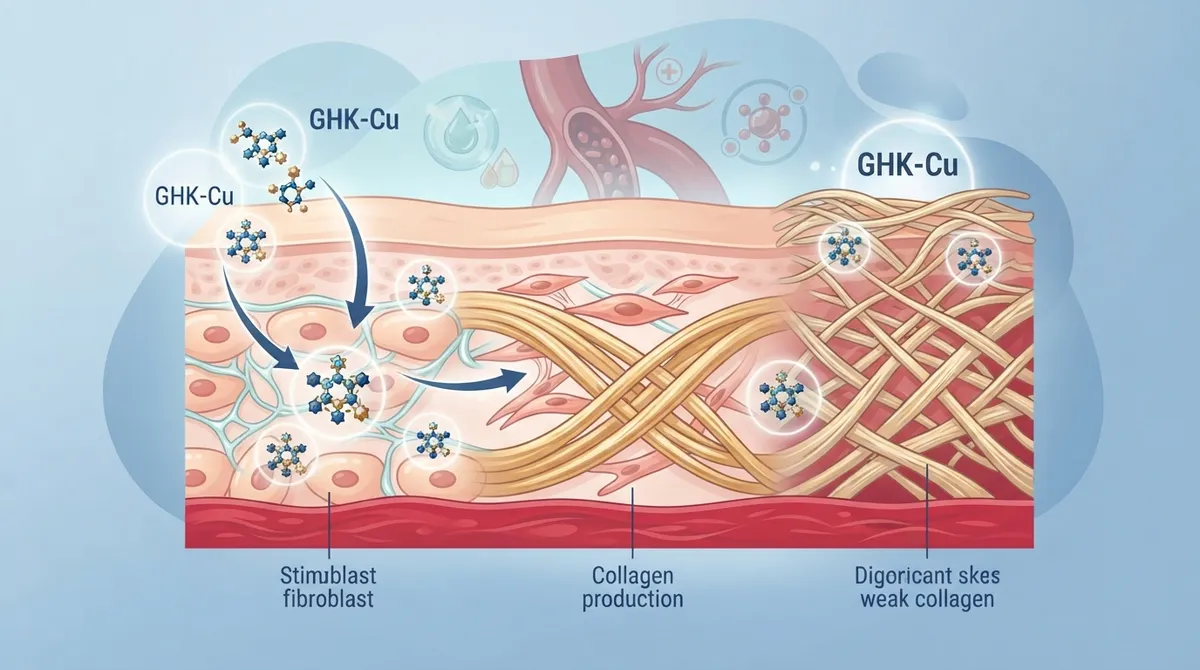
GHK-Cu stands for glycyl-L-histidyl-L-lysine copper. It is a small peptide that naturally occurs in your body. Copper peptides like GHK-Cu bind to copper ions and help skin cells communicate better. This peptide was first found in human plasma, and its levels drop as we age. That drop may explain why skin loses firmness and elasticity over time.
Researchers have studied GHK-Cu for years because it appears to support collagen and elastin production. These two proteins keep skin firm and bouncy. When collagen breaks down, wrinkles and sagging follow. Topical GHK-Cu products aim to slow that process down.
How GHK-Cu Works on Skin
GHK-Cu works by signaling skin cells to act younger. It may increase collagen synthesis, boost antioxidant activity, and calm inflammation. Some studies suggest it also helps wound healing, which is why it draws interest in both skincare and general tissue repair research.
- Supports collagen and elastin production in the skin
- May reduce fine lines and wrinkle depth over time
- Acts as an antioxidant to fight free radical damage
- Could improve skin firmness, thickness, and clarity
- Shows potential wound-healing properties beyond cosmetic use
GHK-Cu vs. Retinol: The Core Differences
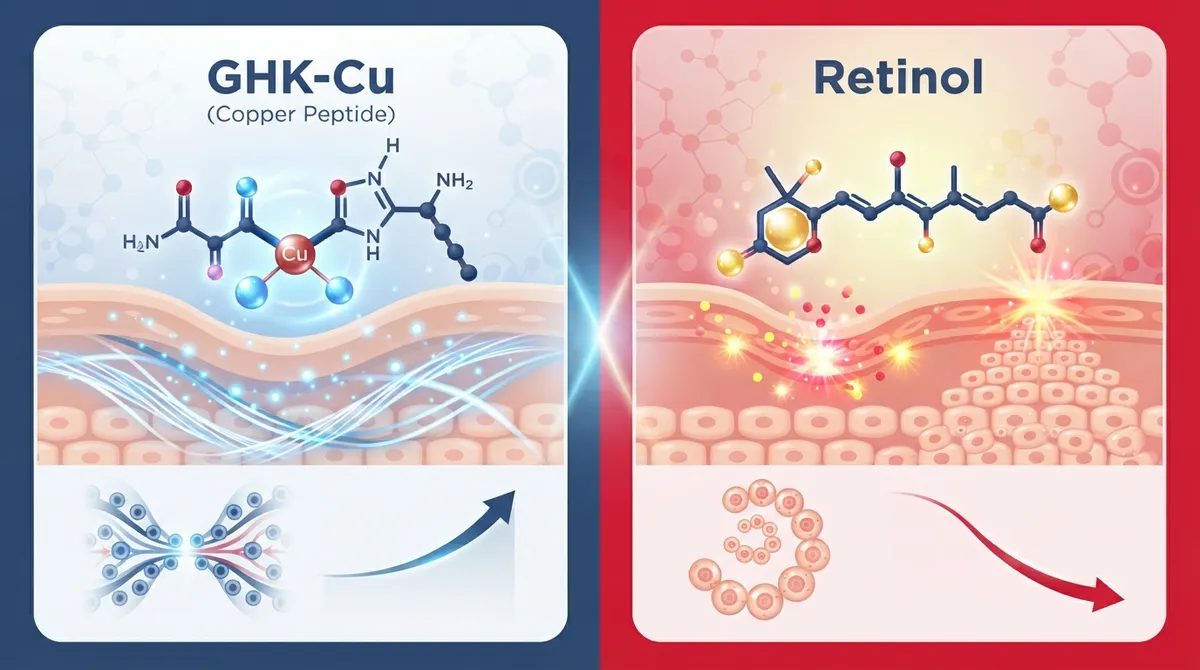
Retinol has decades of research behind it and remains a gold standard for anti-aging skin care. GHK-Cu is newer to mainstream use but shows promising results in smaller studies. Understanding how they differ helps you set realistic expectations.
|
Factor |
GHK-Cu |
Retinol |
|---|---|---|
|
Mechanism |
Copper peptide signaling; supports collagen and elastin |
Vitamin A derivative; speeds cell turnover |
|
Time to See Results |
Around 12 weeks in studies |
Often 8 to 12 weeks |
|
Skin Irritation Risk |
Generally low |
Can cause redness, peeling, dryness |
|
Evidence Base |
Smaller human trials, promising but limited |
Large body of long-term clinical research |
|
Best For |
Sensitive skin, mild photoaging, skin quality support |
Deeper wrinkles, acne, strong anti-aging effect |
What the Research Actually Shows
A widely cited 12-week facial cream study involved 71 women with photoaging. Results showed improvements in skin density, thickness, laxity, clarity, and wrinkle depth. Another study of 67 women aged 50 to 59 reported gains in fine lines, wrinkles, pigmentation, firmness, and skin thickness after 12 weeks of use.
In a comparative trial, GHK-Cu reduced wrinkle volume by 55.8 percent and wrinkle depth by 32.8 percent compared to a control serum. It also outperformed Matrixyl 3000, showing a 31.6 percent greater reduction in wrinkle volume. These numbers are encouraging, but experts note the studies remain small and mostly funded by cosmetic companies.
Ranking the Top Anti-Wrinkle Approaches
Not every anti-aging option works the same way. Here is how common approaches rank based on current evidence and practical use.
- Prescription Retinoids - Strongest evidence for deep wrinkles and long-term skin renewal.
- GHK-Cu Topical Serums - Promising for skin quality, firmness, and mild to moderate wrinkles.
- In-Office Procedures - Options like laser resurfacing or injectables address deeper structural aging.
- Vitamin C Serums - Support antioxidant defense and brighten skin tone.
- Hyaluronic Acid Products - Improve hydration and temporary plumpness, not collagen production.
- Basic Moisturizers - Help skin barrier function but offer minimal anti-aging power alone.
Can You Combine GHK-Cu With Other Ingredients?
Many people ask if GHK-Cu can be layered with vitamin C, retinol, or hyaluronic acid. The answer depends on formulation and timing. Copper peptides can sometimes interact poorly with vitamin C or certain acids if applied at the same time, since copper may destabilize some antioxidants. A common approach is to alternate: use GHK-Cu in the morning and retinol at night, giving each ingredient room to work without interference.
- Space out GHK-Cu and vitamin C by using them at different times of day
- Pair GHK-Cu with hyaluronic acid for added hydration support
- Avoid mixing GHK-Cu directly with strong acids in the same application
- Always patch test new combinations before full facial use
Because skincare interactions can be confusing, many patients prefer guidance from a medical professional rather than guessing on their own. A wellness-focused visit can help you build a routine that actually fits your skin type and goals.
Is GHK-Cu Safe for Topical Use?
Topical GHK-Cu has a generally favorable safety profile in cosmetic studies. Most people tolerate it well, with few reports of irritation compared to stronger actives like retinol. However, injectable or non-standard GHK-Cu formulations are a different story. Human dosing and long-term safety data for injectable use remain limited, so caution is warranted outside of approved topical cosmetic products.
Who Should Be Cautious
- Pregnant or breastfeeding individuals should consult a doctor before starting new peptide products
- People with known copper sensitivities should proceed carefully
- Anyone considering injectable peptide products should seek medical supervision first
- Those with active skin conditions should get a professional opinion before adding new actives
Why Whole-Body Wellness Matters More Than Skincare Alone
Skin health does not exist in isolation. Sleep, hydration, nutrition, and hormone balance all shape how your skin ages. This is why a broader wellness approach often works better than a single serum. At InCare, patients can explore IV hydration and vitamin drips to support skin from the inside out, or dive deeper into personal health data through DNA gene testing to understand aging patterns unique to their body.
Weight, metabolism, and hormone levels also influence skin quality. Programs like medical weight loss and body composition analysis give a fuller picture of overall health, not just surface-level appearance. Combining these insights with topical treatments like GHK-Cu creates a more complete anti-aging strategy.
Steps to Start a Smart Anti-Wrinkle Routine
Building an effective routine takes more than buying the priciest cream. Follow these steps to set realistic expectations and protect your skin.
- Get a professional skin assessment before starting new active ingredients.
- Choose one active ingredient at a time, such as GHK-Cu or retinol, to track results clearly.
- Apply consistently for at least 12 weeks before judging effectiveness.
- Always use daily sun protection, since UV damage undoes most anti-aging progress.
- Support skin health with proper hydration and balanced nutrition.
- Schedule a wellness visit to check hormone levels and overall health markers.
- Adjust your routine based on how your skin responds over time.
Common Mistakes People Make With Copper Peptides
Many people jump into new skincare trends without understanding proper use. Avoiding these mistakes can save time, money, and skin irritation.
- Expecting instant results instead of waiting the full 12-week testing window
- Layering GHK-Cu with incompatible acids or vitamin C at the same time
- Choosing unregulated injectable products without medical guidance
- Skipping sunscreen while using active anti-aging ingredients
- Ignoring underlying health factors like sleep, stress, and diet
Where InCare Fits Into Your Wellness Journey
InCare serves patients across Tampa and Riverview, Florida, with a whole-body approach to health and prevention. While InCare does not sell specific skincare serums, the clinic supports the deeper wellness factors that keep skin, energy, and overall health strong. Services like primary care and cancer screenings help patients stay ahead of health issues that can also affect appearance and vitality.
Patients interested in advanced wellness options can also explore hair restoration services or learn more from the clinic's providers about personalized treatment plans. Many patients follow InCare on Instagram and Facebook for wellness tips, and short videos on TikTok offer quick health insights as well.
Reading the Evidence Honestly
A 2024 review concluded that topical GHK is a promising anti-wrinkle peptide, but formulation challenges remain unresolved. This means the science is encouraging, not definitive. Dermatology experts agree GHK-Cu may improve skin quality over time, but it does not replace stronger treatments like prescription retinoids or in-office procedures for deep wrinkles.
If you want to make an informed decision, look at published data rather than marketing claims alone. Peer-reviewed research from sources like the National Center for Biotechnology Information offers a clearer picture than product packaging ever will.
Making the Right Choice for Your Skin and Health
Choosing between GHK-Cu and retinol is not about picking a winner for everyone. It depends on your skin type, tolerance, and goals. GHK-Cu may suit those with sensitive skin who want gentle, steady improvement. Retinol may suit those seeking stronger, faster results and who can tolerate mild irritation.
Either way, skin health reflects your overall wellness. Hormone balance, hydration, sleep, and nutrition all play a role. Patients who visit our Tampa and Riverview locations often find that addressing these deeper health factors improves both how they look and how they feel. You can also visit us on Google — InCare to see what current patients say about their experience.
Ready to build a smarter wellness plan that supports healthy aging from the inside out? Book your appointment today and take the next step toward whole-body health. You can also reach out to our team with any questions about your wellness goals.
FAQs
Q: What is GHK-Cu and how does it work for wrinkles?
A: GHK-Cu is a copper-binding peptide naturally found in the body that supports collagen and elastin production in skin. Topical use appears to signal skin cells to repair and renew, which may reduce the appearance of fine lines and wrinkles over time.
Q: Does GHK-Cu really reduce fine lines and wrinkles?
A: Published studies show promising results, including one trial where GHK-Cu reduced wrinkle volume by 55.8 percent and wrinkle depth by 32.8 percent compared to a control serum. However, most studies are small and cosmetic-focused, so results can vary by individual.
Q: Is GHK-Cu better than retinol for anti-aging skin care?
A: Neither ingredient is universally better; they work differently. Retinol has decades of strong clinical evidence for deeper wrinkles, while GHK-Cu offers a gentler option with promising but more limited research for skin quality improvement.
Q: How long does GHK-Cu take to show results?
A: Most clinical studies measured improvements after about 12 weeks of consistent topical use. Patience and daily application are key, since visible changes in skin density, firmness, and wrinkle depth develop gradually.
Q: Are injectable GHK-Cu products proven and safe?
A: Injectable or non-standard GHK-Cu formulations lack sufficient human dosing and long-term safety data. Topical cosmetic use has a favorable safety profile, but any injectable option should only be considered under medical supervision.