Key Takeaways
- Alternatives to TRT injections include topical gels, skin patches, oral testosterone undecanoate, nasal gel, and pellets, but all still deliver testosterone and carry similar risks needing monitoring.
- Non-injection options do not automatically reduce risk: they can still raise hematocrit, change blood pressure, lower sperm production, and gels can transfer to partners or children.
- Men wanting children should not use outside testosterone in any form, since AUA guidance advises against it; discuss fertility goals with a clinician before starting.
- Check testosterone levels every 6 to 12 months, plus hematocrit and blood pressure, and treat sleep apnea, weight, or other underlying causes as a possible first step.
Many men start testosterone replacement therapy (TRT) and then wonder about the needle. Weekly or biweekly injections work well, but they are not the right fit for everyone. Some men dislike needles. Others want steadier levels or a simpler routine. So it is fair to ask: are there alternatives to TRT injections?
Yes. In 2026, men can choose from gels, skin patches, oral testosterone undecanoate, nasal gel, and long-acting pellets. Each option has trade-offs. Each one still delivers testosterone, so each one carries real risks and needs follow-up. This guide explains how each alternative works, who may benefit, and what to watch for. It also covers options for men who want to protect fertility. At InCare, our team in Tampa and Riverview helps patients weigh these choices with lab testing, clear counseling, and ongoing monitoring.
Who Should Consider TRT in the First Place?
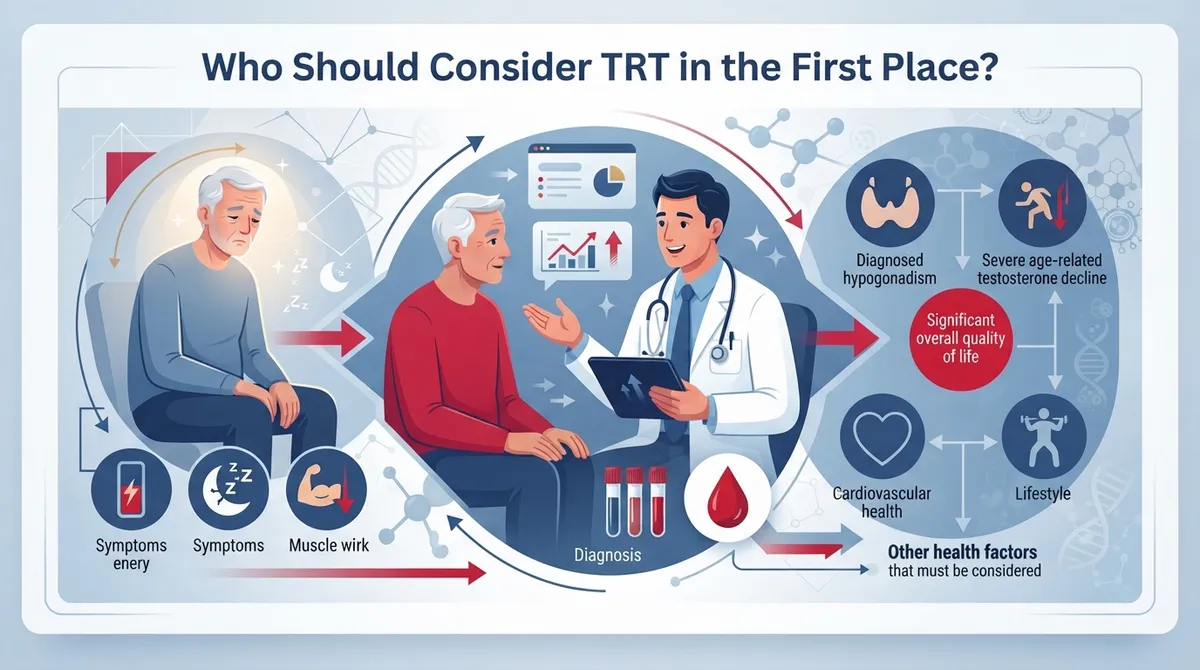
TRT is meant for men with symptoms of testosterone deficiency and consistently low testosterone tied to an underlying medical cause. It is not meant for normal age-related change or a single low lab result. The American Urological Association (AUA) uses a total testosterone level below 300 ng/dL as a reasonable cutoff. A diagnosis also needs a clinical exam and repeat testing.
Common symptoms include:
- Low sex drive or erectile changes
- Persistent fatigue
- Loss of muscle mass
- Low mood or poor focus
- Increased body fat
These symptoms overlap with many other conditions, such as sleep apnea, thyroid problems, depression, and poor sleep. That is why a primary care evaluation matters before any hormone treatment. A good starting point is a visit with a primary care team that can look at the whole picture.
What Are the Main Alternatives to TRT Injections?
When men ask whether there are alternatives to TRT injections, they usually mean other ways to deliver testosterone. These are different delivery methods, not risk-free substitutes. Availability depends on the product and your location. Some forms, such as buccal testosterone, may no longer be sold in the United States.
Topical Testosterone Gels
Gels are applied to the skin once a day, usually on the shoulders or upper arms. Many men like the simple routine and the lack of needles. Levels can be steadier than with a large injection dose.
The main concern is transfer. Testosterone gel can pass to a partner or child through skin contact. Users must wash their hands, let the gel dry, and cover the area with clothing. Skin irritation can also happen.
Testosterone Patches
Patches stick to the skin and release testosterone through the day. They avoid the wet gel problem, so transfer risk is lower. The downside is skin irritation. Some men get redness or itching where the patch sits.
Oral Testosterone Undecanoate
Oral capsules are an option for some patients. They have specific dosing and food instructions, because the body absorbs them best with a meal that contains fat. Different oral products are not always interchangeable, so you should not swap brands on your own. These products require blood pressure and testosterone monitoring.
Nasal Testosterone Gel
Nasal gel is applied inside the nose. It avoids skin contact, which helps with transfer concerns. But it needs dosing several times a day, which many men find inconvenient.
Testosterone Pellets
Pellets are small implants placed under the skin in a short office procedure. They release testosterone slowly over months, so there is no daily or weekly dosing. The trade-off is flexibility. Once implanted, pellets are not easy to adjust or remove. They are still testosterone therapy and carry the same core risks.
How Do the Options Compare?
|
Option |
How It Is Used |
Main Advantage |
Main Drawback |
|---|---|---|---|
|
Injections |
Every 1 to 2 weeks |
Proven, flexible dosing |
Needles; level swings between doses |
|
Gel |
Daily on skin |
No needles; easy routine |
Transfer risk to others |
|
Patch |
Daily on skin |
No wet gel transfer |
Skin irritation |
|
Oral undecanoate |
Capsules with food |
No needles or skin contact |
Strict food rules; blood pressure checks |
|
Nasal gel |
Several times daily |
No skin transfer |
Frequent dosing |
|
Pellets |
Implanted every few months |
Very low daily effort |
Hard to adjust or remove |
Do Non-Injection Options Carry Less Risk?
Not necessarily. Every option on this list still delivers testosterone from outside the body. That means they share important risks and monitoring needs:
- Higher hematocrit: Testosterone can raise red blood cell levels, which may thicken the blood.
- Blood pressure changes: FDA labeling reports that ambulatory blood pressure studies found increases with testosterone products as a class.
- Fertility effects: Outside testosterone can lower sperm production.
- Skin transfer: Topical products can pass to others by contact.
On heart safety, the TRAVERSE trial offers some reassurance. Major adverse cardiovascular events occurred in 7.0% of men using testosterone gel and 7.3% of men using placebo. The FDA summary reported no meaningful difference. Still, this does not remove the need for individual risk review and regular monitoring.
What If You Want to Have Children?
This is where many men get stuck. Switching from injections to a gel, patch, or pellet does not solve the fertility problem. Any form of outside testosterone can suppress sperm production. AUA guidance advises against prescribing exogenous testosterone to men who are currently trying to conceive.
For men who want to protect fertility, a clinician may consider non-testosterone approaches in selected cases, such as:
- Human chorionic gonadotropin (hCG)
- Selective estrogen receptor modulators (SERMs)
- Aromatase inhibitors
These options need specialist input and an honest talk about the limits of the evidence. If fertility is on your mind, say so at your first visit. It changes the whole treatment plan.
Are There Non-Hormone Alternatives?
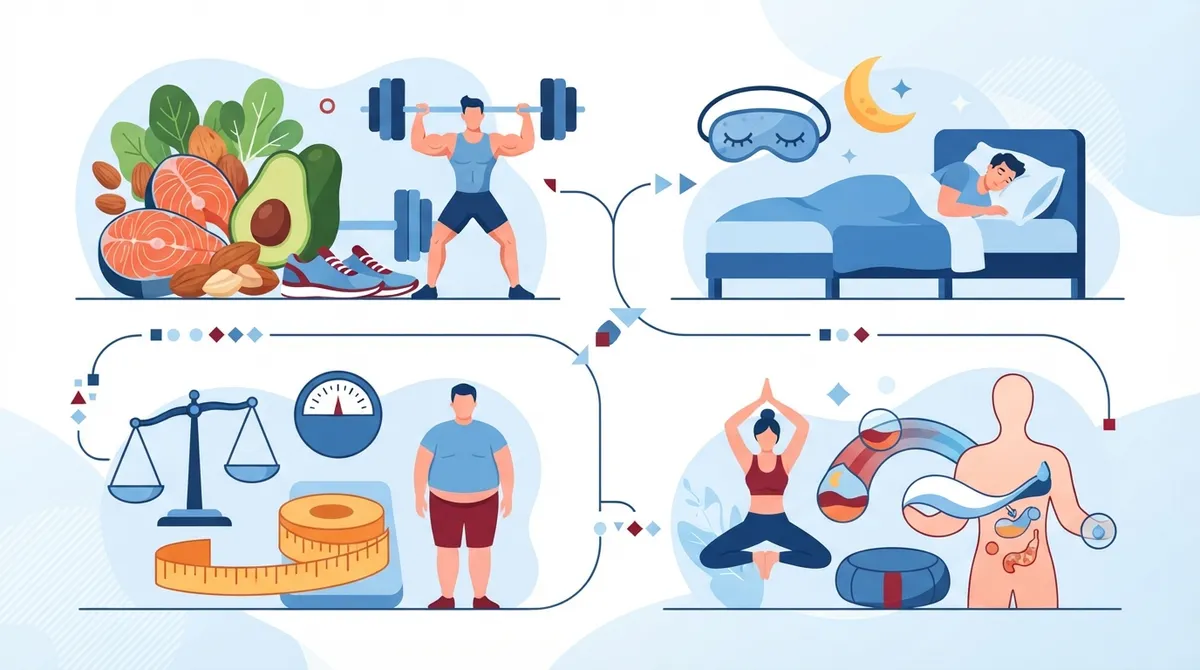
Sometimes the best alternative is to treat what is driving the symptoms. Low energy and low drive often have other causes. A thorough evaluation may find fixable issues such as:
- Sleep problems: Untreated sleep apnea lowers testosterone and drains energy.
- Excess body weight: Weight loss can raise testosterone naturally in some men. A structured weight loss program may help.
- Medication effects: Some prescriptions can lower libido or testosterone.
- Chronic conditions: Diabetes, thyroid disease, and high blood pressure can all play a role.
- Stress and mood: Anxiety and depression can mimic low testosterone.
Tools like body composition testing and metabolic breath analysis can show how your body uses energy. That gives you a clearer plan than guessing. Some men also ask about related therapies, and you can read how they differ in our guide to TRT, peptide therapy, and hormone replacement therapy.
What Tests and Monitoring Do You Need?
Before you start any form of TRT, your clinician should confirm the diagnosis. That means a symptom review, an exam, and repeat morning blood tests. You should also discuss your goals, fertility plans, and the pros and cons of each option.
Once treatment begins, follow-up is not optional. Plan on these checks:
- Testosterone levels every 6 to 12 months, per AUA guidance.
- Hematocrit to watch for thickened blood.
- Blood pressure at each visit.
- A review of symptoms, side effects, and fertility goals.
You can learn more about what safe care looks like in our overview of testosterone replacement therapy at InCare, and about physician-supervised testosterone injections if you are comparing methods side by side.
How Do You Choose the Right Option?
The best choice depends on your lifestyle, your health history, and your goals. Ask yourself a few simple questions:
- Do you live with young children or share close contact with others? Gels may be a poor fit.
- Do you want a set-and-forget approach? Pellets may appeal, but they are harder to adjust.
- Do you have high blood pressure? Oral and other options need extra monitoring.
- Do you plan to have children soon? Standard TRT may not be right for you.
There is no single best answer. The right plan is the one that matches your needs and is watched closely by a clinician who knows you. For many men in the Tampa Bay area, that starts at a TRT clinic in Tampa that blends primary care with hormone expertise.
Why Choose InCare for Your Next Step?
InCare is a personalized clinic that combines modern technology with medical expertise. Our team offers primary care, advanced testing, and hormone evaluation under one roof, with locations in Tampa and Riverview. That means your labs, your history, and your treatment plan all stay connected. We do not push one method. We help you understand every option and choose with confidence. Patients rate us 4.8 out of 5 on Google, and you can visit us on Google — InCare to read their stories.
For general guidance on hormone health, the InCare Facebook page, our Instagram updates, and our TikTok videos share helpful wellness tips between visits.
Conclusion
So, are there alternatives to TRT injections? Yes. Gels, patches, oral capsules, nasal gel, and pellets all offer other ways to take testosterone. But each one is still testosterone therapy, with similar risks and the same need for monitoring. For men who want children, a different approach may be needed altogether. And for many men, treating sleep, weight, or other health issues is a smart first step.
The safest path starts with a proper diagnosis and a clear conversation with a trusted clinician. If you are ready to explore your options, contact InCare with your questions, or book your appointment now to start your evaluation in Tampa or Riverview.
FAQs
Q: What are the alternatives to testosterone injections?
A: Alternatives include topical gels, skin patches, oral testosterone undecanoate, nasal gel, and subcutaneous pellets. These are different delivery methods for testosterone, not risk-free substitutes. Availability varies by product and location.
Q: Can I use TRT if I want to have children?
A: Outside testosterone can suppress sperm production, and AUA guidance advises against prescribing it to men who are trying to conceive. In selected cases, a clinician may consider hCG, SERMs, or aromatase inhibitors with specialist input. Share your fertility goals before starting any treatment.
Q: Are testosterone gels and patches safer than injections?
A: Not automatically. They still deliver testosterone and share risks such as higher hematocrit, blood pressure changes, and fertility effects. Gels also carry a risk of skin transfer to partners or children.
Q: What monitoring is needed during TRT?
A: Your clinician should check testosterone levels every 6 to 12 months, per AUA guidance. They should also monitor hematocrit and blood pressure. Regular follow-up helps keep treatment safe and effective.
Q: Can testosterone pills replace injections?
A: Oral testosterone undecanoate is an option for some patients, but it has strict dosing and food instructions. It also requires blood pressure and testosterone monitoring. Different oral products are not always interchangeable, so changes should be made only with a clinician.