
Key Takeaways
- Diagnosis requires both compatible symptoms and consistently low testosterone: the AUA cutoff is below 300 ng/dL, confirmed with two early-morning tests on separate days.
- TRT can raise hematocrit and blood pressure and can suppress sperm production, so discuss fertility goals before starting and expect periodic blood pressure and blood count checks.
- Ongoing monitoring is essential: the AUA recommends testosterone checks every 6 to 12 months, and the Endocrine Society advises hematocrit testing at 3 to 6 months, then yearly.
- Vet a Tampa TRT clinic by asking whether it requires repeated morning labs, reviews your full history, plans follow-up labs, and involves licensed physicians rather than simply prescribing on request.
Low energy, a flat mood, and a drop in strength can make any man wonder about his hormones. If you are searching for a TRT clinic in Tampa, you are likely trying to separate real medical care from marketing claims. That is a smart place to start. Testosterone replacement therapy (TRT) is a prescription treatment. It is not a supplement or a quick fix for aging.
A good TRT clinic in Tampa should work like a medical practice. It should confirm a diagnosis, explain risks, and monitor you over time. In 2026, men in Tampa and Riverview have more options than ever, so knowing what quality care looks like matters. This guide explains how testosterone deficiency is diagnosed, what treatment involves, which risks need attention, and how a primary care approach can keep you safe. It also shows how InCare approaches hormone health as part of whole-body wellness.

What a TRT Clinic in Tampa Actually Does
TRT is a treatment for men with hypogonadism, which means the body does not make enough testosterone. A reputable clinic does not hand out testosterone on request. It evaluates you first and treats only when the diagnosis is supported.
The American Urological Association (AUA) says testosterone deficiency should be diagnosed only when two things are present together: compatible symptoms or signs, and consistently low testosterone levels. Symptoms alone are not enough. A single low lab result is not enough either.
That is why a primary care setting is a strong fit for TRT. Your doctor can look at your full health picture, not just one number. You can learn more about this approach in our guide to what testosterone replacement therapy involves at InCare.
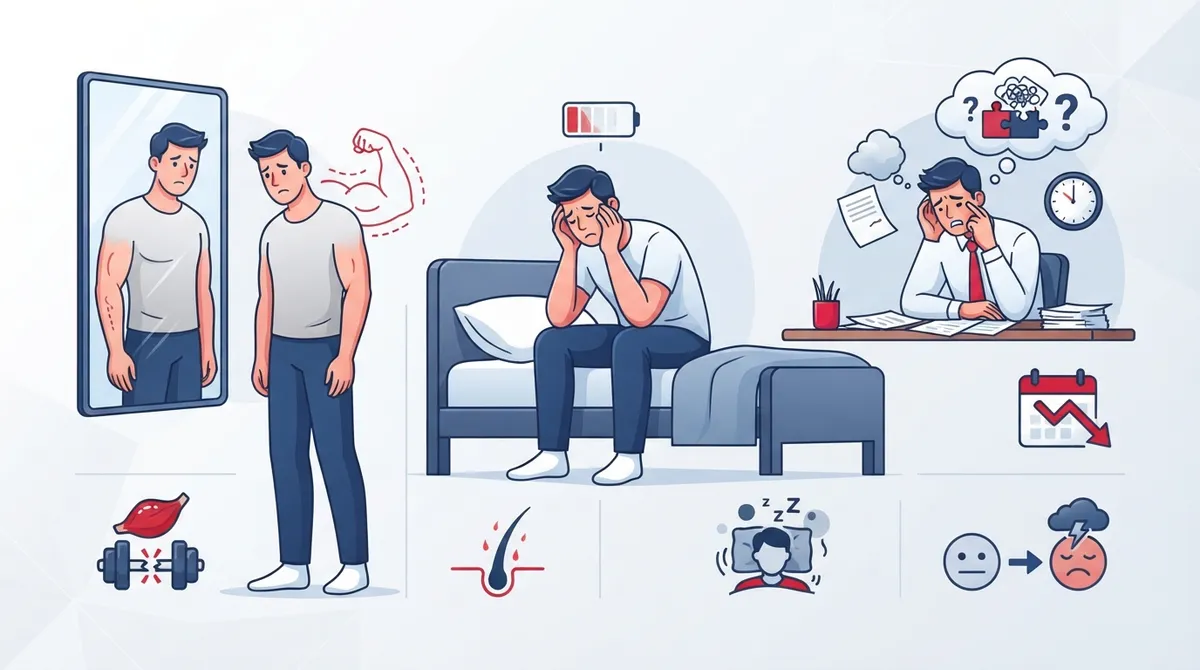
Common Symptoms of Low Testosterone
Low testosterone can look like many other health problems. That is one reason testing matters. Symptoms that may be linked to testosterone deficiency include:
- Low sex drive or reduced sexual function
- Ongoing fatigue and low energy
- Loss of muscle mass or strength
- Increased body fat, especially around the waist
- Low mood, irritability, or poor focus
- Reduced bone density over time
Sleep apnea, thyroid problems, depression, diabetes, and some medicines can cause the same symptoms. A careful clinician rules these out before starting treatment. Many men also find that weight management helps their hormone health, which is why a program like medical weight loss can be part of the plan.
How Low Testosterone Is Diagnosed
Diagnosis follows a clear process. The AUA identifies a total testosterone level below 300 ng/dL as a reasonable cutoff that supports a diagnosis. The level should be confirmed with two early-morning tests on separate days. Testosterone is highest in the morning, so timing matters.
Research also shows that low testosterone is not a simple number across all men. In a review of 40 studies covering 37,565 men aged 43 to 82, reported rates of low testosterone ranged from 2% to 77%. That wide range depends on the study and the lab method used. It tells us that a careful, individual evaluation is better than assuming any one man has the problem.
What the Evaluation May Include
A primary care TRT evaluation in Tampa typically includes several steps. Your clinician chooses the exact tests based on your health and history.
- A full medical and medication history
- A review of your symptoms and goals
- A physical exam, including blood pressure
- Early-morning blood tests for testosterone
- Additional labs that your clinician finds useful, such as blood counts
- A discussion of fertility plans before any treatment starts
Clinic websites describe their services, but they do not prove clinical quality. Ask your provider to explain why each test is ordered and what the results mean.
TRT Treatment Options
Several prescription forms of testosterone exist. The right choice depends on your health, your preferences, your risks, and the product's prescribing information. All forms should be medically supervised.
|
Form |
How It Is Used |
Points to Discuss |
|---|---|---|
|
Injections |
Given on a set schedule, at a clinic or at home |
Levels can rise and fall between doses |
|
Gels |
Applied to the skin daily |
Skin contact can transfer the drug to others |
|
Oral products |
Taken by mouth as prescribed |
Product-specific blood pressure warnings apply |
Your doctor will explain how each option fits your routine and your health risks. To see how one common method works, read about physician-supervised testosterone injections.
Risks and Side Effects You Should Know
TRT can help the right patient, but it is not risk-free. A trustworthy clinic will talk about risks openly before you start.
Blood Pressure and Red Blood Cells
Testosterone can raise hematocrit, which is the share of your blood made up of red blood cells. It can also raise blood pressure. FDA product labeling advises periodic blood pressure checks. Some products carry cautions for people with uncontrolled high blood pressure. If you already manage this condition, see our tips on blood pressure management.
In 2025, the FDA updated labeling across testosterone products. According to reports, the update removed class-wide boxed-warning language about increased cardiovascular outcomes after review of the TRAVERSE study. It also added or strengthened blood pressure warnings based on ambulatory blood pressure studies. This does not mean TRT is risk-free or right for everyone. It means monitoring blood pressure is a key part of safe care.
Fertility and Sperm Production
TRT can lower sperm production and affect fertility. Men who want children now or in the future should tell their clinician before starting. There may be other options that protect fertility. This conversation should happen at the first visit, not after treatment begins.
Other Considerations
Your clinician may also watch for acne, sleep apnea changes, swelling, and prostate health concerns. Prostate monitoring should match your age, risk, and personal choices. Our article on prostate exams explains what men should know.
Monitoring: The Part Many Men Overlook
Starting TRT is only the first step. Ongoing follow-up is what keeps treatment safe and useful. Guidelines give clear targets for checking in:
- The AUA recommends checking testosterone levels every 6 to 12 months during therapy.
- The Endocrine Society advises checking hematocrit at baseline, 3 to 6 months after starting, and then every year.
- Blood pressure, symptoms, and side effects should be reviewed at visits.
- Prostate monitoring should be individualized.
If a clinic does not plan follow-up labs, that is a warning sign. Good care is a relationship, not a one-time purchase. Our overview of TRT for men over 40 covers what long-term care looks like.
How to Choose a TRT Clinic in Tampa
Not all clinics follow the same standards. Use these questions to judge quality:
- Do they require symptoms and repeated early-morning lab tests before prescribing?
- Do they review your full health history and current medicines?
- Do they discuss risks, fertility, and alternatives openly?
- Do they schedule follow-up labs and blood pressure checks?
- Are licensed physicians involved in your care?
- Can they handle related needs, such as weight, sleep, or cardiovascular health?
You can meet the clinicians who guide care on our providers page. Many men also compare options such as TRT, peptide therapy, and other hormone treatments before deciding.
Why Primary Care Is a Smart Home for TRT
Hormone health does not exist in isolation. Blood pressure, blood sugar, weight, sleep, and mood all connect to testosterone. A primary care practice can manage these pieces together. That reduces the risk of missed problems and keeps your treatment tied to your overall health.
At InCare primary care, men in Tampa and Riverview can get hormone evaluation alongside preventive care, lab work, and wellness tools. The practice combines modern technology with a personal, physician-led approach. Patients can also use body composition analysis to track changes in muscle and fat over time. With a 4.8 out of 5 rating from 359 reviews, InCare is a trusted choice for patients who want clear answers and steady follow-up. You can read feedback and visit us on Google — InCare to see what patients say.
Does Insurance Cover TRT in Tampa?
Coverage varies by plan. Many insurers cover testosterone testing when symptoms are documented. Coverage for treatment depends on your plan, the diagnosis, and the product prescribed. Call your insurer and ask about lab coverage, prescription tiers, and prior authorization. A clinic's front desk can often help you understand what to expect before your first visit.
Take the Next Step With Confidence
Safe TRT starts with an honest evaluation, not a sales pitch. The best TRT clinic in Tampa will confirm low testosterone with proper testing, explain your options, and monitor you closely. If you think low testosterone may be affecting your life, bring your questions to a physician who looks at the whole picture. You can follow InCare for health updates on Instagram, Facebook, and TikTok.
Ready to find out where you stand? Book Now to start your evaluation, or contact our team to ask questions about testosterone care at our Tampa and Riverview locations.
FAQs
Q: What does a TRT clinic in Tampa evaluate before prescribing testosterone?
A: A reputable clinic reviews your medical and medication history, symptoms, and physical exam. It also orders early-morning blood tests and any other labs your clinician finds useful. Treatment should start only when symptoms and consistently low testosterone levels point to a diagnosis.
Q: What testosterone level is considered low, and how many tests are needed?
A: The American Urological Association identifies a total testosterone level below 300 ng/dL as a reasonable cutoff that supports a diagnosis. The level should be confirmed with two early-morning tests on separate occasions, along with compatible symptoms or signs.
Q: How often should testosterone levels and blood counts be checked during TRT?
A: The AUA recommends checking testosterone levels every 6 to 12 months during therapy. The Endocrine Society advises checking hematocrit at baseline, 3 to 6 months after starting, and then yearly. Your clinician may also monitor blood pressure and prostate health.
Q: Can TRT affect fertility or sperm production?
A: Yes. TRT can suppress sperm production and impair fertility. Men who may want children should discuss their goals and possible alternatives with a clinician before starting treatment.
Q: What are the main risks of testosterone replacement therapy?
A: TRT can raise hematocrit and blood pressure, and it may affect fertility. FDA labeling advises periodic blood pressure monitoring and cautions against some products in people with uncontrolled hypertension. Regular follow-up helps catch problems early.