Key Takeaways
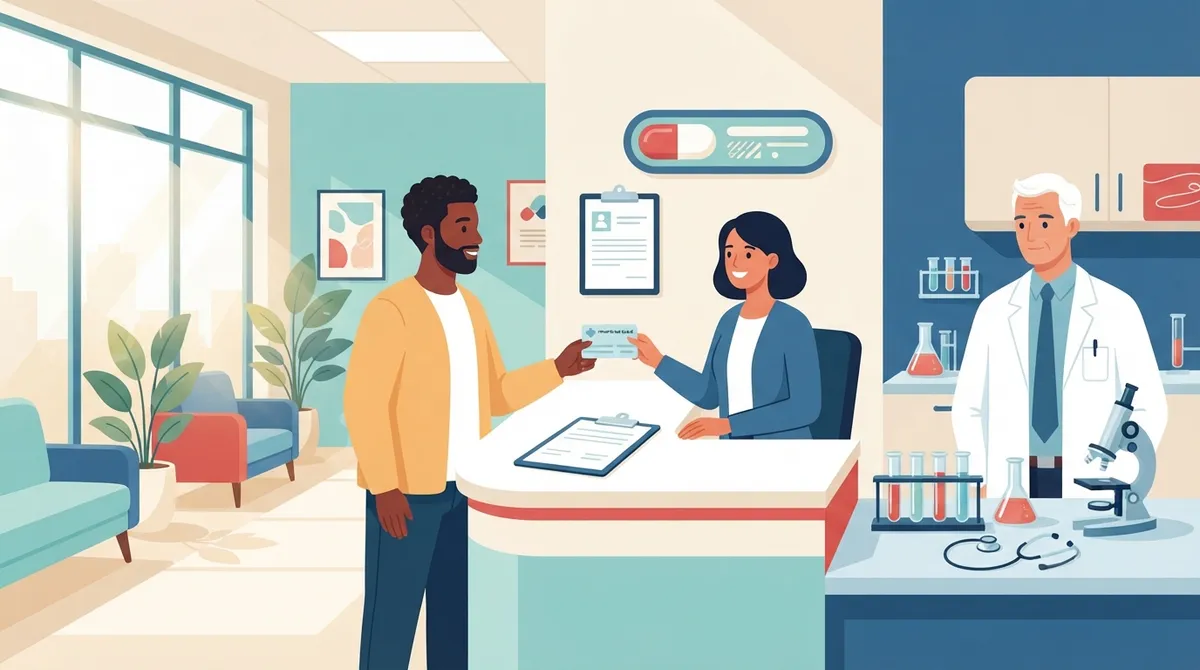
- Check your insurance first: confirm the clinic is in network, your primary care copay, whether your deductible applies, and which preventive services are covered at no cost.
- Ask whether your visit is billed as preventive or diagnostic before you arrive, since a new symptom discussion may cost more than an annual checkup.
- Community health centers serve patients regardless of ability to pay and use income-based sliding-fee discounts, though not every service is free.
- Uninsured or high-deductible patients should ask for self-pay prices, whether labs are included, and whether payment plans or financial assistance are available.
- Choose clinics that bundle primary care, labs, and screenings under one roof to reduce repeat fees and avoid fragmented, costly care.
- Use preventive visits and screenings to catch problems early, when treatment is cheaper, and check whether you qualify for Medicaid or Marketplace coverage.
Many people put off a doctor visit because they worry about the bill. That worry is common. KFF reports that nearly half of U.S. adults say health care costs are hard to afford, and 75% of uninsured adults in its cited survey skipped or postponed needed care because of cost. Yet delaying routine care often leads to bigger problems and higher bills later.
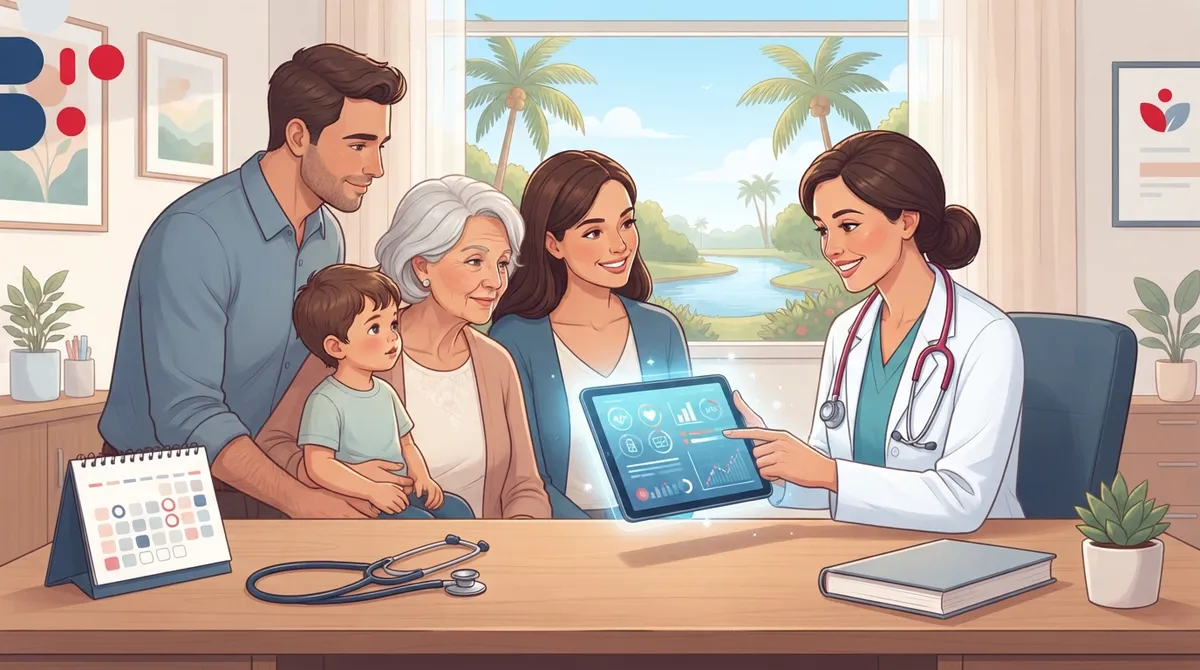
Affordable primary care is more than a low visit fee. It means timely, ongoing access to preventive, routine, and chronic-condition care at a cost you can manage. It also means finding a clinic you can actually reach, with fair prices you can predict.
This guide explains nine practical ways to find affordable primary care in 2026. Whether you are a busy parent, a young professional, or someone building a long-term wellness plan, these steps can help you protect your health and your budget.
What Does Affordable Primary Care Really Mean?
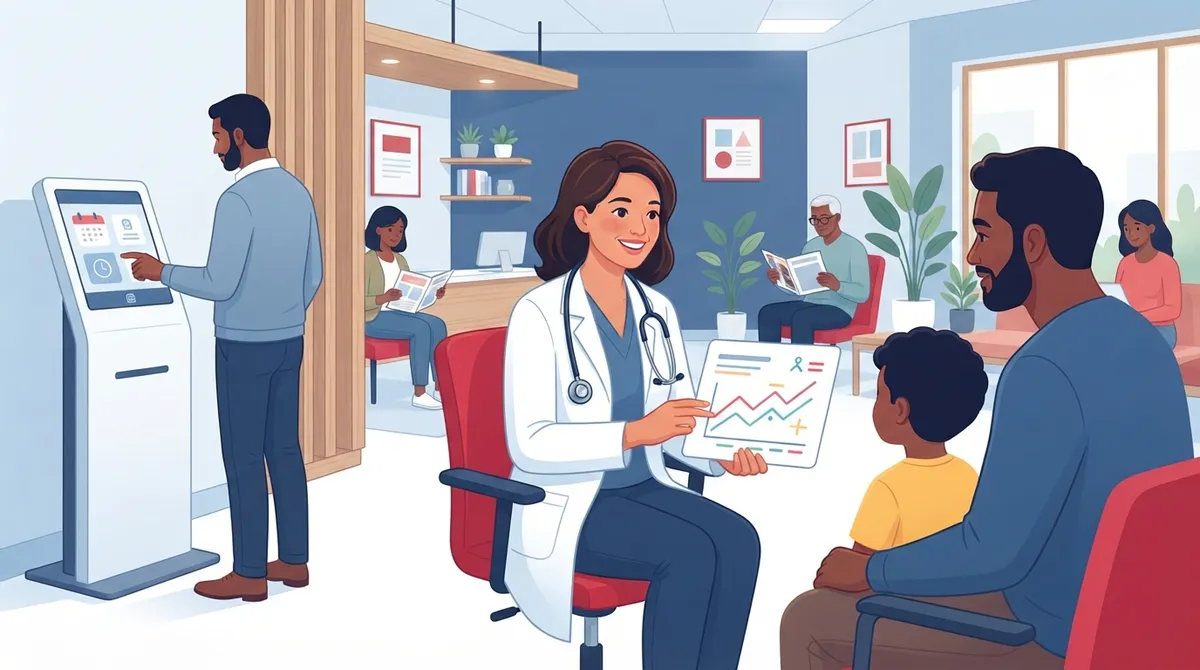
Affordability has two sides. The first is price: what you pay for a visit, a lab test, or a prescription. The second is access: whether you can find a provider, get an appointment, and reach the clinic without major barriers.
A low-cost visit does not help if the wait is three months. A cheap membership does not help if it leaves out the services you need. Good affordable primary care combines fair pricing, clear communication, and a care team that knows your history.
Primary care is also a smart value. The Milbank Memorial Fund reports that more than 35% of U.S. health care visits are to primary care physicians, yet only about 5% of health spending goes to primary care, depending on how it is defined. Strong primary care can catch problems early, when they are easier and cheaper to treat.

1. Start With Your Insurance Benefits
If you have insurance, your plan is the first place to look. Coverage can lower the price you pay, but it does not guarantee that care is affordable. Deductibles, copayments, and coinsurance can still add up.
Before you book, check these items:
- Whether the clinician and clinic are in network
- Your copay for a primary care visit
- Whether your deductible applies before coverage starts
- Which preventive services are covered at no cost under your plan
Preventive coverage rules depend on your plan and applicable law. A call to your insurer, or a quick question to the clinic's billing team, can save you from an unexpected bill.
2. Confirm Whether a Visit Is Preventive or Diagnostic
This detail surprises many patients. A preventive visit, such as an annual checkup, may be covered at little or no cost. A diagnostic visit, where you discuss a new symptom or a known condition, may be billed differently.
Ask the clinic how your visit will be coded before you arrive. If you plan to cover several topics, ask how that affects the cost. Clear answers up front help you avoid surprise charges. To learn what a standard checkup includes, read what happens during an annual physical exam.
3. Look at Community Health Centers
Federally qualified health centers (FQHCs) and other HRSA-supported health centers serve patients regardless of ability to pay. Many use income-based sliding-fee discounts.
The scale of this network is large. According to KFF's analysis of HRSA data, community health centers served more than 32.7 million patients in 2025 across 1,356 organizations and more than 16,600 service sites. About 90% of their patients had incomes at or below 200% of the federal poverty level, and 17% were uninsured.
Keep in mind that a sliding fee does not mean every service is free. Ask about eligibility, what documents you need, and the charge for each specific service.
4. Check Your Eligibility for Medicaid or Marketplace Coverage
Many people qualify for coverage and do not know it. Medicaid or an ACA Marketplace plan may lower your costs for primary care, prescriptions, and screenings.
Eligibility and availability vary by location and by your income and household size. If your situation has changed, such as a job change, a move, or a new baby, it is worth checking again. Coverage can make routine care far more predictable.
5. Ask About Self-Pay Rates and Payment Plans
If you are uninsured or have a high-deductible plan, ask the clinic directly about self-pay pricing. Many practices offer clear cash prices, payment plans, or financial assistance. Asking is free, and the answer can change your decision.
Useful questions include:
- What is the self-pay price for a new patient visit?
- Are common lab tests included or billed separately?
- Do you offer a payment plan?
- Is there financial assistance for qualifying patients?
This matters because KFF reports that 41% of U.S. adults have some form of medical or dental debt. Knowing your costs before the visit helps you stay out of that group.
6. Understand Direct Primary Care Memberships
Direct primary care (DPC) uses a recurring membership fee for a defined set of primary care services. Many members value the easier access to a clinician and the flat monthly price.
DPC arrangements vary. They may not cover specialist care, hospital stays, prescriptions, or other major expenses. DPC is not a substitute for comprehensive insurance. Read the membership terms carefully and compare what is included with what you expect to use.
7. Choose a Clinic That Bundles Services Under One Roof
Fragmented care costs money. When you visit one office for a checkup, another for labs, and a third for urgent needs, you may pay more fees and repeat tests. A clinic that offers several services in one place can reduce that waste.
At InCare, patients can get primary care, urgent care, and cancer screening through one team, with locations in Tampa and Riverview, Florida. That kind of coordination helps your doctor see the full picture. For more on why this matters, see fragmented care versus coordinated care.
8. Use Prevention to Lower Long-Term Costs
The most affordable care is often the care that prevents a bigger problem. Regular screenings, blood pressure checks, and early lifestyle guidance can reduce the chance of costly complications.
Consider these preventive steps:
- Annual wellness visits and age-appropriate screenings
- Blood pressure and blood sugar monitoring
- Weight management support before health risks build
- Vaccinations and routine lab work
For a closer look at how a yearly visit works, read what happens during an annual wellness visit. You can also learn how a preventive care plan fits into daily life.
9. Compare Care Options Side by Side
Different settings fit different needs. This table gives a simple overview of common choices. Costs and services vary by provider and plan, so use it as a starting point and confirm details with each clinic.
|
Care Option |
Best For |
Typical Cost Model |
Watch Out For |
|---|---|---|---|
|
Insurance-based primary care clinic |
Insured patients wanting ongoing care |
Copay, deductible, coinsurance |
Out-of-network charges, high deductibles |
|
Community health center |
Low-income or uninsured patients |
Income-based sliding fee |
Not every service is free |
|
Direct primary care membership |
Patients wanting easy clinician access |
Flat monthly fee |
May exclude specialists, labs, drugs |
|
Self-pay at a clinic |
Uninsured or high-deductible patients |
Posted cash price |
Extra fees for labs or procedures |
Before you commit, ask each option the same questions. Compare what is included, what is extra, and how quickly you can be seen. If you want help choosing, this guide on how to find the best primary care near me walks through the steps.
Why Access Matters as Much as Price
Affordability is also a system-level issue. Limited provider availability, long waits, and transportation problems can make care hard to reach even when the visit price is low. The Milbank Memorial Fund notes that primary care received only 4.7% of total U.S. health spending in 2021 under its narrower definition, down from 5.4% in 2012.
This is why same-day or short-wait appointments can be worth real money. A fast visit can stop a small problem from turning into an urgent care trip or an emergency room bill. You can read more about same-day appointments and how they help.
Convenience also helps busy families and young professionals. Virtual visits, online booking, and a clinic near home or work all reduce lost time. Time is a cost, too.
What to Look for in an Affordable Clinic
Price is only one part of value. A good clinic earns your trust through clear pricing, thoughtful care, and respect for your time. Look for these signs:
- Transparent pricing and billing that is easy to understand
- Short wait times and flexible scheduling
- A care team that listens and explains your options
- On-site services that reduce extra trips and repeat fees
- Strong patient reviews that reflect real experiences
InCare holds a 4.8 out of 5 rating on Google across 359 reviews, with patients often praising the friendly staff and the quality of care. You can see what InCare patients say on Google to judge for yourself. For more guidance, read the signs you have found the right primary care practice.
Why InCare Is a Strong Choice for Affordable Primary Care
InCare is a personalized clinic that pairs modern technology with strong medical expertise. The team focuses on prevention and whole-body health, which helps patients avoid larger problems down the road. Services range from routine primary care and urgent care to cancer screenings, weight loss programs, DNA gene testing, and IV hydration therapy.
Having these services in one place can lower the number of separate visits you need. It also helps your care team coordinate your plan. You can meet the doctors on the providers page or see the clinic's Tampa and Riverview locations. Learn more about the practice on the about us page. To stay connected, you can also follow InCare on Instagram, Facebook, and TikTok for health tips and updates.
Conclusion
Affordable primary care comes from smart choices, not luck. Start by checking your insurance benefits and asking whether a visit is preventive or diagnostic. Explore community health centers, Medicaid, and Marketplace coverage if you qualify. Ask about self-pay rates, compare direct primary care memberships, and favor clinics that bundle services under one roof. Above all, use prevention to keep small issues from becoming costly ones.
If you are in the Tampa or Riverview area, InCare is ready to help you build a care plan that fits your health goals and your budget. Book Now to schedule your visit, or contact our team with questions about pricing and services.
FAQs
Q: What is affordable primary care, and what services does it include?
A: Affordable primary care is timely, ongoing access to preventive, routine, and chronic-condition care at a cost patients can manage. It usually includes annual checkups, screenings, vaccinations, treatment of common illnesses, and management of long-term conditions. Affordability depends on both the price of care and whether you can reach an accessible provider.
Q: Can I get primary care without health insurance?
A: Yes. Community health centers use income-based sliding-fee discounts, and many clinics offer self-pay rates, payment plans, or financial assistance. Ask each practice for its cash price and what is included before your visit. You may also qualify for Medicaid or an ACA Marketplace plan, depending on your income and location.
Q: What is direct primary care, and is it the same as health insurance?
A: Direct primary care uses a recurring membership fee for a defined set of primary care services, often with easier access to a clinician. It is not health insurance. DPC may not cover specialists, hospital care, prescriptions, or other major expenses, so it does not replace comprehensive coverage.
Q: Does health insurance cover preventive primary care visits at no cost?
A: Many plans cover certain preventive services at little or no cost, but the rules depend on your plan and applicable law. A preventive visit may be billed differently from a visit to address a new symptom. Confirm your coverage and ask how your visit will be coded before you go.
Q: How can I lower my primary care costs with a high-deductible health plan?
A: Confirm that your clinic is in network, ask about self-pay rates, and request an estimate before tests or procedures. Use preventive visits to catch problems early, and choose a clinic that offers several services in one place to avoid repeat fees. Payment plans can also help spread out larger bills.