Key Takeaways
- KP-10 is a medical billing code (ICD-10-CM: L87.0) for keratosis pilaris, not a product or treatment—understanding this distinction helps you seek appropriate care and avoid wasted money on unproven products.
- Keratosis pilaris has no permanent cure but responds well to consistent at-home care: moisturizers, urea/lactic acid creams, and gentle exfoliation show visible improvement in 4-12 weeks, while laser therapy offers advanced options for resistant cases.
- Daily habits significantly impact symptoms—limit showers to 10 minutes with warm water, avoid hot/fragrant products, wear loose clothing, and never pick at bumps; aggressive treatment actually worsens the condition by causing irritation.
- Most keratosis pilaris cases can be managed by your primary care doctor during routine visits; see a dermatologist only if symptoms worsen, show infection signs, or don't improve after several weeks of home treatment.
Search for "KP-10 dermatology" and you may expect a special product or advanced treatment. In reality, KP-10 usually points to keratosis pilaris, a common skin condition, and its medical billing code L87.0. Many patients type this term into search bars while trying to understand rough, bumpy patches on their arms or thighs. Understanding what KP-10 truly means helps you get the right care and avoid wasted money on unproven products.
At InCare, our providers in Tampa and Riverview see patients with keratosis pilaris regularly during routine visits. This guide breaks down what KP-10 dermatology really means, how the condition is diagnosed and coded, and what treatments actually work. We will also cover when you should see a primary care doctor versus a dermatologist. Let's clear up the confusion around this often misunderstood skin condition.

1. KP-10 Is Not a Product, It's a Diagnosis Code
The term "KP-10 dermatology" is not a standard treatment or brand name in skin care. Most searches using this phrase are actually looking for information about keratosis pilaris (KP) and its diagnosis code. In medical billing, this condition uses the ICD-10-CM code L87.0.
This code helps doctors and insurance companies track and process claims for keratosis pilaris. If you saw "KP-10" on a medical bill or insurance statement, this is likely why. Our primary care team at InCare can explain any billing codes you see on your visit summary.
2. What Keratosis Pilaris Actually Looks Like
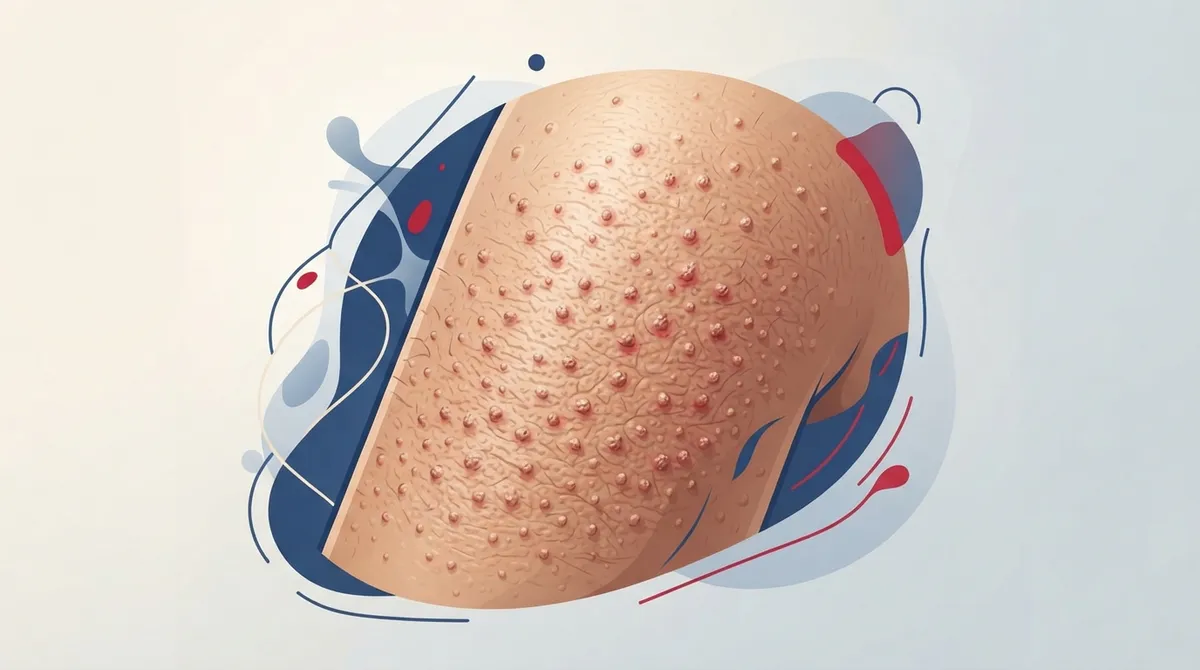
Keratosis pilaris is a harmless skin condition. It causes small, rough bumps that can look like permanent goosebumps. These bumps often appear skin-colored or slightly red.
The condition happens when dead skin cells clog hair follicles. This buildup creates the characteristic bumpy texture many patients notice. Common areas affected include:
- Outer upper arms
- Front of the thighs
- Buttocks
- Cheeks, especially in children
The American Academy of Dermatology notes that keratosis pilaris often improves over time, even without treatment. However, many patients want faster results and smoother skin sooner.
3. Who Gets Keratosis Pilaris Most Often
This skin condition is extremely common. Dermatology references describe it as one of the most frequent skin concerns, especially among certain age groups.
Here is a quick breakdown of who typically experiences KP:
- Children and adolescents show the highest rates of new cases
- Young adults often see symptoms continue or worsen slightly
- Adults may notice gradual improvement as they age
- People with dry skin or eczema face higher risk
- Family history plays a role in who develops the condition
If you have young children with bumpy skin patches, our pediatric family medicine providers can offer guidance during regular checkups.
4. How Doctors Diagnose Keratosis Pilaris
Diagnosis usually happens through a simple visual exam. Your doctor will look at the bumps and ask about their location and history. Testing is rarely needed for typical cases.
However, your primary care provider may want a closer look if you have:
- Bumps that are extremely painful or itchy
- Signs of infection like pus or spreading redness
- Lesions that change rapidly in size or color
- Symptoms that don't match typical KP patterns
In these cases, a dermatology referral may be appropriate. Our providers, including Naveen Paddu MD and Teshy John MD, can evaluate your skin during a comprehensive visit and determine if specialist care is needed.
5. Treatment Options That Actually Work
There is no permanent cure for keratosis pilaris. But regular skin care can significantly improve texture and reduce redness. Most treatment plans start with simple, at-home strategies.
|
Treatment Type |
How It Helps |
Typical Timeline |
|---|---|---|
|
Moisturizers |
Softens skin and reduces dryness |
4-6 weeks for visible change |
|
Urea or lactic acid creams |
Gently exfoliates clogged follicles |
4-8 weeks |
|
Salicylic acid products |
Breaks down keratin buildup |
6-12 weeks |
|
Topical retinoids |
Reduces follicular plugging |
8-12 weeks |
|
Laser therapy |
Targets redness and texture |
Multiple sessions needed |
A 2022 systematic review found that laser therapy, particularly Q-switched Nd:YAG treatment, showed strong results for some patients. Topical agents like salicylic acid and azelaic acid also showed measurable improvement in lesion appearance.
6. Daily Habits That Make a Real Difference
Small changes in your daily routine can improve keratosis pilaris symptoms. Mayo Clinic recommends specific shower habits that protect your skin barrier.
Follow these steps for better results:
- Limit showers to about 10 minutes or less
- Use warm water instead of hot water
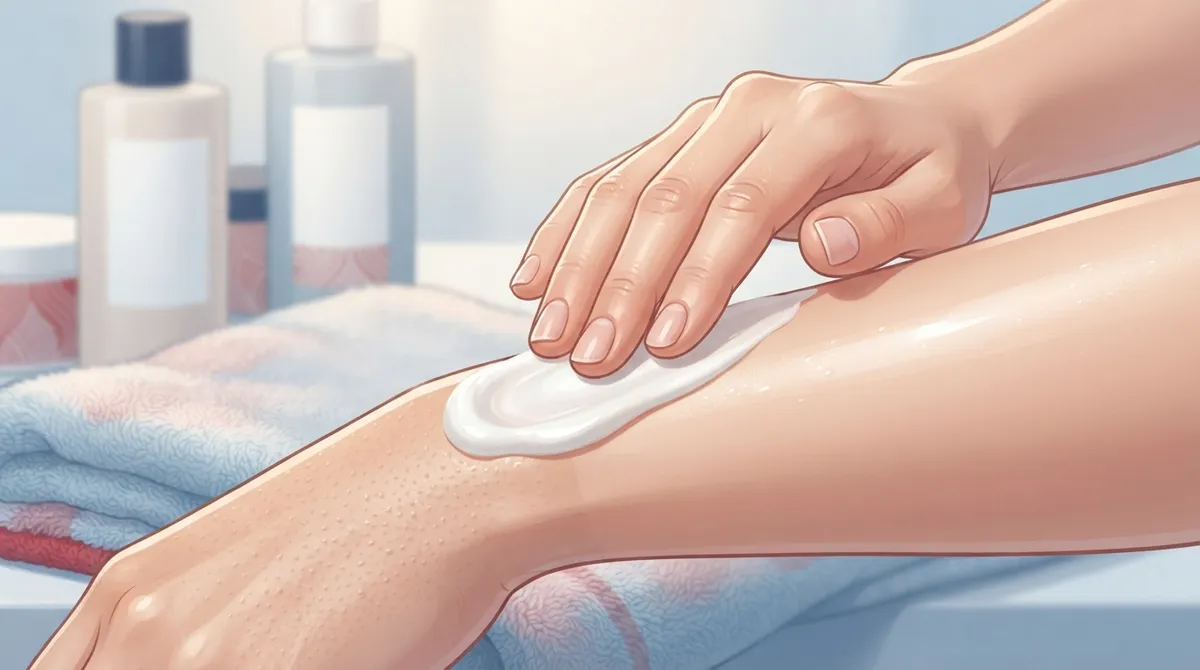
- Apply moisturizer within minutes of stepping out of the shower
- Choose fragrance-free products to avoid irritation
- Pat skin dry gently instead of rubbing with a towel
- Wear loose clothing to reduce friction on affected areas
Avoiding harsh scrubbing is just as important as what products you use. Aggressive exfoliation can actually make keratosis pilaris worse by irritating the skin further.
7. What to Avoid If You Have KP
Certain habits can worsen keratosis pilaris symptoms without you realizing it. Being aware of these triggers helps you protect your skin long term.
Steer clear of these common mistakes:
- Picking or scratching at bumps
- Using rough loofahs or scrub brushes
- Taking long, hot showers or baths
- Applying heavily fragranced lotions or soaps
- Wearing tight clothing that rubs against affected skin
These habits can lead to increased redness, irritation, and even scarring in some cases. A gentle, consistent skin care routine works better than aggressive treatment attempts.
8. When to See Your Primary Care Doctor or a Dermatologist
Most keratosis pilaris cases can be managed through your regular primary care provider. Routine skin checks during annual visits often catch and address KP early.
Consider scheduling a visit if you notice:
- Bumps that suddenly worsen or spread
- Signs of skin infection
- Persistent itching that disrupts daily life
- Cosmetic concerns affecting your confidence
Your primary care team can start with basic treatment recommendations. If symptoms don't improve after several weeks, a dermatology referral for advanced options like laser therapy may be the next step. Our team at InCare focuses on preventive care strategies that catch skin issues before they become bigger problems.
9. Why Comprehensive Care Matters for Skin Health
Skin conditions like keratosis pilaris often connect to broader health patterns. Dry skin, hormonal changes, and even certain genetic factors can play a role in how your skin behaves.
This is where whole-body wellness care becomes valuable. Services like DNA gene testing can reveal predispositions that affect skin health and other wellness factors. Meanwhile, IV hydration and vitamin drips support overall skin hydration from the inside out.
Many patients also benefit from a comprehensive annual wellness visit where providers can address skin concerns alongside other health goals. This approach treats your body as a connected system rather than isolated symptoms.
Comparing At-Home Care vs Professional Treatment
Understanding when home care is enough versus when you need professional help can save you time and frustration. Here's a helpful comparison:
|
Approach |
Best For |
Expected Results |
|---|---|---|
|
At-home moisturizing routine |
Mild, stable KP symptoms |
Gradual improvement over 4-12 weeks |
|
Primary care evaluation |
New or worsening symptoms |
Personalized treatment plan and monitoring |
|
Dermatology referral |
Resistant or cosmetically significant cases |
Access to laser and prescription-strength options |
Working with a trusted healthcare team ensures you get the right level of care without overspending on unnecessary treatments. Our providers at InCare take time to understand your specific skin concerns and overall health picture.
Finding Support at InCare
Whether you're dealing with keratosis pilaris, exploring weight loss programs, or seeking cancer screening services, InCare offers a personalized approach to your health. Our team combines modern technology with genuine medical expertise across both our Tampa and Riverview locations.
Patients consistently share positive experiences with our care team. You can visit us on Google — InCare to read reviews from real patients about their experiences with our providers, including Pramjeet Ahluwalia MD. We also share health tips and clinic updates on Facebook, Instagram, and TikTok.
Skin health is just one piece of your overall wellness picture. Understanding conditions like keratosis pilaris helps you make informed decisions about your care, whether that means a simple moisturizer switch or a referral to a specialist for advanced treatment.
Take the Next Step Toward Healthier Skin
Don't let confusing medical terms like "KP-10" leave you guessing about your skin health. Our knowledgeable team can evaluate your symptoms, explain any billing questions, and create a treatment plan that fits your needs. Ready to get answers about your skin concerns? Book your appointment today and take the first step toward clearer, healthier skin with InCare.
FAQs
Q: What does KP-10 mean in dermatology?
A: KP-10 is not a standard dermatology treatment or product. It most likely refers to keratosis pilaris and its ICD-10-CM diagnosis code, L87.0, which doctors use for billing and documentation purposes.
Q: What is the ICD-10 code for keratosis pilaris?
A: The ICD-10-CM code for keratosis pilaris is L87.0. This code helps healthcare providers document the diagnosis accurately for insurance and medical record purposes.
Q: Is keratosis pilaris a serious skin condition?
A: No, keratosis pilaris is a benign and harmless skin condition. It causes rough bumps but does not pose any serious health risks. Most cases improve over time, even without treatment.
Q: How can keratosis pilaris be treated at home?
A: Regular moisturizing, gentle exfoliation with urea or lactic acid products, and avoiding hot showers can improve symptoms. Consistency matters more than aggressive treatment, and visible results typically take 4 to 12 weeks.
Q: When should someone with keratosis pilaris see a primary care clinician or dermatologist?
A: See a primary care clinician if bumps worsen, become painful, or show signs of infection. A dermatology referral may help for resistant cases or when patients want advanced options like laser therapy.