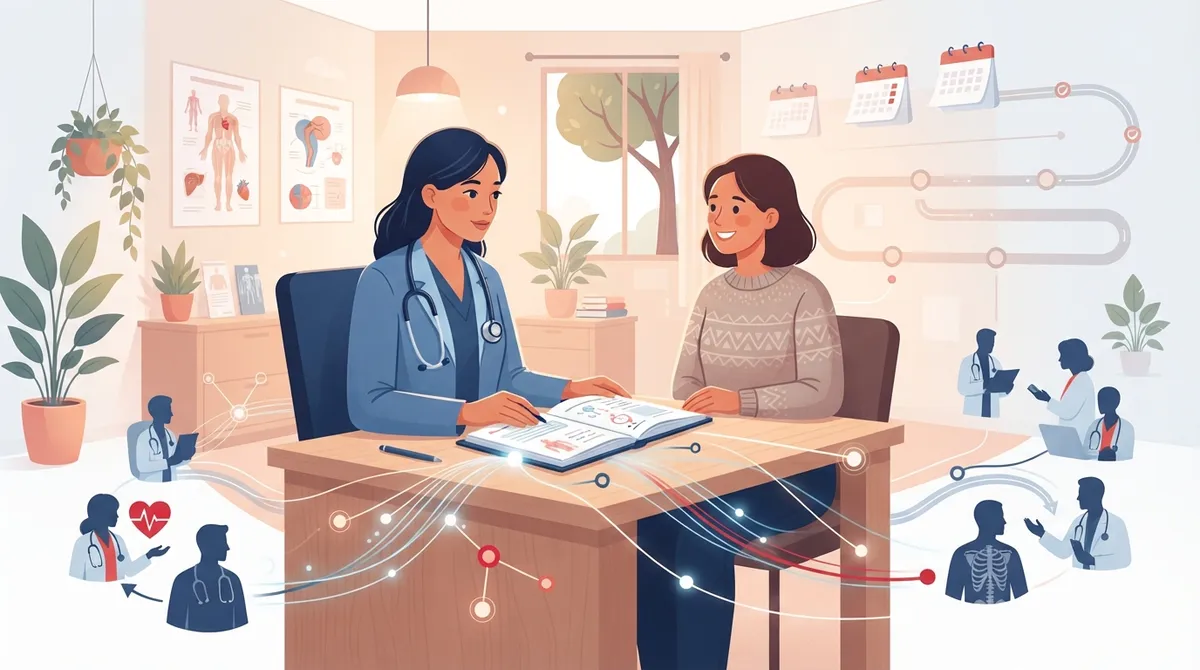
Key Takeaways
- Verify active Florida medical license and board certification through the Florida Department of Health website before considering patient reviews, as credentials indicate rigorous training standards and adherence to medical guidelines.
- Confirm insurance participation and new patient availability by calling the office directly rather than relying on provider directories, which are often outdated and can lead to surprise bills or scheduling delays.
- Prioritize continuity of care with the same doctor or care team over time, as this enables physicians to spot health patterns faster and adjust treatment effectively for chronic conditions like diabetes and hypertension.
- Choose between family medicine (treats all ages) and internal medicine (adults only) based on your household composition, and verify same-day appointments and telehealth options to ensure convenient access to care.
Finding an excellent primary care doctor in Tampa can feel overwhelming. Search results show dozens of names, clinics, and star ratings. But ratings alone do not tell you if a doctor will listen to you, coordinate your care, or fit your schedule. Whether you are a busy parent juggling pediatric visits, a young professional who wants virtual check-ins, or someone exploring preventive screenings for the first time, knowing what separates a good doctor from a truly excellent one matters. This guide breaks down the eight traits that define top-tier primary care in Tampa, so you can make a confident, informed choice for you and your family.
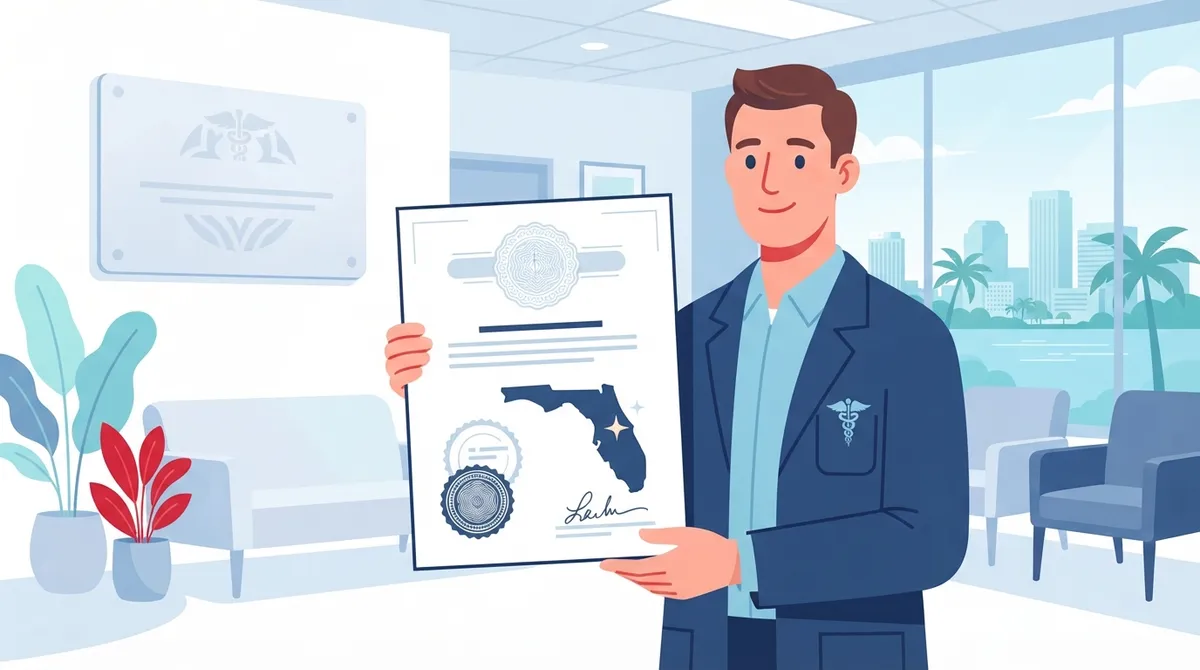
1. Verified Credentials and Active Florida Licensure
An excellent primary care doctor holds an active Florida medical license and board certification in family medicine or internal medicine. This is the first thing to confirm, before you even look at reviews. Credentials tell you the physician has met rigorous training standards and stays current on medical guidelines.
You can verify a doctor's license status through the Florida Department of Health website. Board certification, meanwhile, signals ongoing education in a specific area of medicine. Both matter more than star ratings when it comes to trusting someone with your long-term health.

2. Clear Communication and Genuine Listening
Medical training is only part of the equation. Excellent doctors communicate clearly and listen without rushing. They explain diagnoses in plain language, answer questions patiently, and make sure you understand your treatment plan before you leave the office.
This is especially important for pediatric family medicine visits, where parents need clear guidance on their child's growth and development. If a doctor talks over you or dismisses your concerns, that is a warning sign worth noting.
3. Continuity of Care Across Visits
Continuity means the same doctor, or the same care team, follows your health story over time. This matters for managing chronic conditions like diabetes or high blood pressure. A physician who remembers your history can spot patterns faster and adjust treatment more effectively.
Fragmented care, where you see a different provider every visit, often leads to repeated tests and missed details. Learn more about why coordinated care beats fragmented care when it comes to long-term health outcomes.
4. A Full Range of Preventive and Diagnostic Services
Primary care should cover more than sick visits. Excellent practices offer preventive checkups, immunizations, chronic disease management, and referrals when needed. Many Tampa clinics also now provide advanced screening tools that go beyond a standard physical.
Ask what services are available in-house versus what requires an outside referral. Some clinics, including InCare, integrate cancer screenings, body composition analysis, and DNA gene testing directly into primary care visits. This saves time and keeps your health data connected under one roof.
Common Services to Look For
- Annual wellness visits and physical exams
- Chronic disease management for diabetes, hypertension, and asthma
- Vaccinations and preventive screenings
- Same-day sick visits for common illnesses
- Referrals to specialists when necessary
- Lab work and diagnostic testing on-site
5. Family Medicine Versus Internal Medicine Expertise
Understanding the difference between specialties helps you pick the right fit. Family medicine physicians treat patients of all ages, from infants to seniors. Internal medicine physicians focus specifically on adult health, often managing more complex, chronic conditions.
BayCare reports operating more than 65 primary care offices across the Tampa Bay area, and its guidance draws this same distinction between family and internal medicine. If you have a young family, a family primary care practice may serve you best. If you are an adult managing a specific condition, an internal medicine doctor might be the stronger choice.
6. Convenient Access, Including Telehealth and Same-Day Visits
Excellent care means little if you cannot get an appointment when you need one. Tech-savvy patients and busy parents alike value practices that offer same-day appointments and virtual visits. Provider directories often list a clinic as "accepting new patients," but availability can change quickly.
Always confirm directly with the office. Ask about wait times, video visit options, and how urgent concerns are handled after hours. A practice with a patient portal or 24/7 phone line adds real value when you need answers fast.
7. Insurance Verification and Transparent Costs
Before you commit to a new doctor, confirm they are in-network with your insurance plan. Provider directories are not always current, so calling the office directly is the safest way to avoid surprise bills.
Ask these questions when you call:
- Is the doctor currently accepting new patients?
- Is the practice in-network with my specific insurance plan?
- What is the typical wait time for a new patient appointment?
- Does the office offer telehealth or video visits?
- How does the practice coordinate labs, referrals, and medical records?
These five questions can save you time, money, and frustration down the road. For more on this process, see our guide on finding doctors accepting new patients near you.
8. A Whole-Body, Wellness-Focused Approach
The best primary care doctors in Tampa look beyond symptoms. They consider your full health picture, including nutrition, metabolic health, and long-term prevention. This whole-body approach is especially valuable for patients pursuing medical weight loss programs or advanced wellness services like IV hydration therapy.
At InCare, this philosophy shapes every visit. The clinic combines traditional primary care with modern tools like metabolic breath analysis and hair restoration, giving patients options that go beyond a standard checkup. This model reflects a broader shift in Tampa Bay healthcare services transforming primary care in 2026.
Comparing Common Tampa Primary Care Options
Provider directories list several established health systems in the Tampa area, including Tampa General Medical Group, BayCare Medical Group, USF Health, AdventHealth Medical Group, and Florida Medical Clinic Orlando Health. Here is a quick look at what to check before choosing any of them.
|
Factor to Verify |
Why It Matters |
How to Confirm |
|---|---|---|
|
Active Florida license |
Ensures the doctor meets legal and clinical standards |
Florida Department of Health license lookup |
|
Board certification |
Confirms specialized training in family or internal medicine |
Ask the office or check the certifying board's site |
|
Insurance network status |
Avoids unexpected out-of-pocket costs |
Call the office directly to confirm current participation |
|
New patient availability |
Directories are not always updated in real time |
Speak with front desk staff before booking |
|
Telehealth and same-day options |
Improves access for urgent or time-sensitive needs |
Ask about video visits and walk-in policies |
Why Patients Trust InCare in Tampa and Riverview
InCare holds a 4.8 out of 5 rating on Google, based on 359 reviews from patients across Tampa and Riverview. Many reviews highlight the warmth of the front office team and the attentive care from physicians like Dr. Ahluwalia. You can browse patient experiences and visit us on Google — InCare to see what current patients say about their visits.
InCare's team includes experienced providers such as Dr. Naveen Paddu, Dr. Pramjeet Ahluwalia, and Dr. Teshy John. Each brings a distinct clinical background while sharing a commitment to preventive, whole-person care. You can review the full list of providers on the providers page before scheduling your first visit.
The clinic operates two convenient Florida locations, with details available on the locations page, plus virtual telemedicine appointments for patients who prefer remote visits. This flexibility appeals to tech-savvy millennials and busy families alike, who often need care that fits around work and school schedules rather than the other way around.
What to Bring to Your First Appointment
Preparing ahead of time helps your first visit run smoothly. Bring a photo ID, your insurance card, a list of current medications, and any past medical records if you are switching providers. If you have specific health goals, such as starting a weight loss program or exploring preventive cancer screenings, write down your questions in advance.
New patients often benefit from reviewing what to expect during a wellness visit or a standard annual physical exam. Knowing the format ahead of time reduces anxiety and helps you make the most of your appointment time.
Making Your Final Decision
Choosing a primary care doctor is a personal decision, not a one-size-fits-all process. Take time to compare credentials, communication style, service offerings, and convenience before committing. Online reviews are a helpful starting point, but a phone call to the office often reveals more about how a practice actually operates day to day.
Follow InCare on Facebook and Instagram for updates on new services and wellness tips, or check out patient stories on Tik Tok. These channels give you a real look at the clinic culture before you ever step through the door.
If you are ready to experience whole-body, preventive primary care backed by modern technology, our team is here to help. Reach out to our care team today or go ahead and book your appointment online now to get started on a healthier path forward.
FAQs
Q: How do I find a highly rated primary care doctor in Tampa?
A: Start by verifying active Florida licensure and board certification, then check patient reviews and confirm insurance participation directly with the office. Provider directories from health systems like BayCare and USF Health offer a starting point, but calling ahead confirms current availability and accuracy.
Q: What is the difference between a family medicine doctor and an internist?
A: Family medicine physicians treat patients across all ages, from children to seniors, while internists focus exclusively on adult health. If you have a family with children, a family medicine practice often provides more convenient, unified care.
Q: Do primary care doctors in Tampa offer same-day appointments or telehealth?
A: Many Tampa practices, including InCare, offer same-day sick visits and virtual telemedicine appointments. Availability varies by clinic, so it's best to confirm directly with the office before you need urgent care.
Q: What should I bring to my first primary care appointment?
A: Bring a photo ID, insurance card, a current medication list, and any prior medical records if you're switching providers. Preparing a short list of health questions in advance also helps you get the most from your visit.
Q: How can I check whether a Tampa doctor accepts my insurance?
A: Call the office directly rather than relying solely on online directories, since insurance participation can change without immediate updates online. Confirming in-network status before your visit helps you avoid unexpected out-of-pocket costs.