Key Takeaways
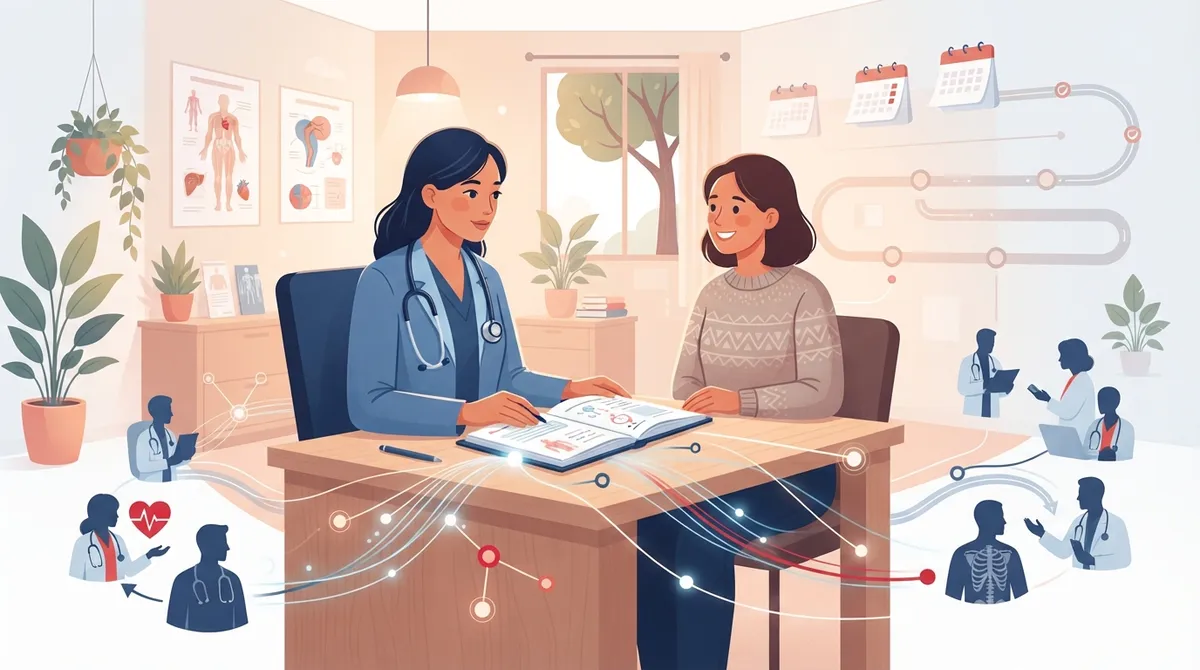
- Research on 5.6 million people shows continuity of care with one primary doctor reduces early death risk, hospital admissions, and ER visits compared to seeing multiple providers.
- Primary care doctors catch health problems early through preventive screenings like blood pressure, cholesterol, and cancer tests, preventing issues from becoming expensive emergencies.
- A consistent primary care relationship enables better chronic disease management—doctors track patterns over time, adjust medications safely, and avoid duplicate tests or conflicting medications.
- Having one primary care doctor as a central coordinator reduces confusion when seeing multiple specialists, preventing mixed messages, duplicate testing, and missed follow-ups.
- Regular primary care visits provide a clear place to address new symptoms before they worsen, offering faster professional answers instead of online searching or delaying care.
- Modern primary care now includes wellness-focused services beyond treating illness, such as preventive genetic testing, body composition analysis, and personalized health plans tailored to individual goals.
Finding a doctor only when something goes wrong is a habit many people fall into. Life gets busy, schedules fill up, and health visits get pushed aside. But research shows that having one steady doctor you see regularly can change your health for the better. This is true whether you are a young professional juggling work and wellness goals, a parent managing a family's needs, or someone finally ready to build a real healthcare routine.
A primary care doctor is more than someone who writes prescriptions. They become a partner who knows your history, tracks your progress, and helps you make smart choices about your health. In this guide, we will walk through exactly how to unlock the benefits of having a primary care doctor and why this relationship matters more than ever in 2026.
Why Continuity of Care Actually Matters
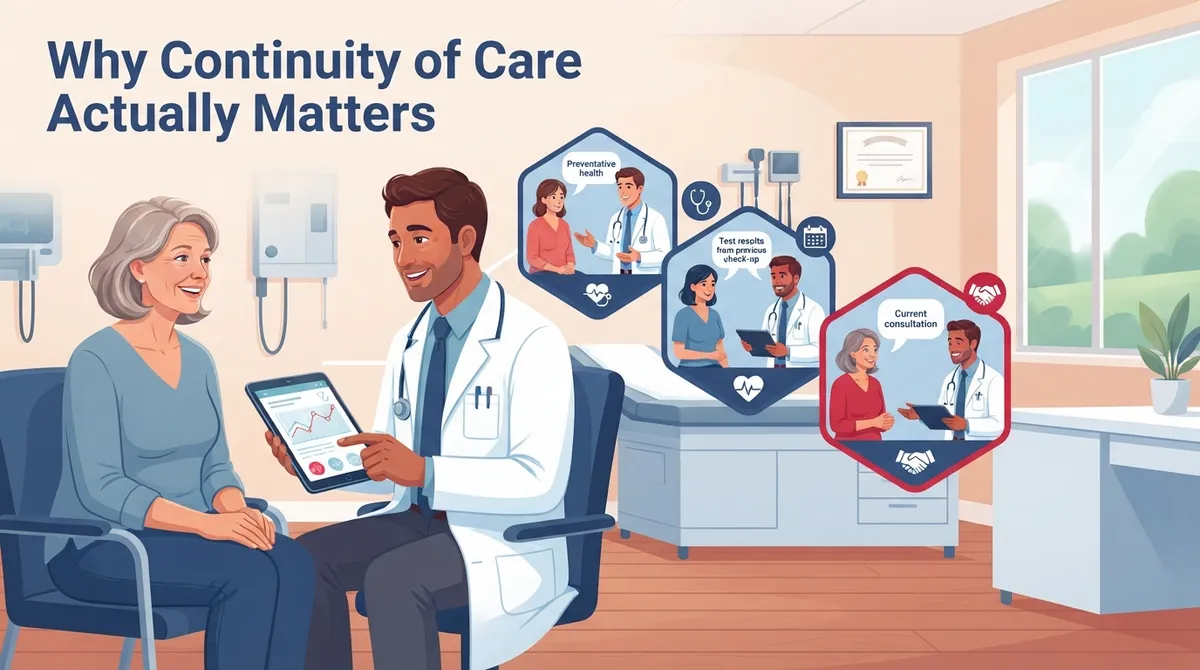
Continuity of care means seeing the same doctor over time instead of jumping between different providers. This might sound simple, but the evidence behind it is strong.
A 2025 systematic review looked at 18 studies on this topic. Sixteen of them found better health outcomes when patients had strong, ongoing relationships with their doctors. The review pooled data from over 5.6 million people and found that higher continuity was linked to lower risk of early death. It also found fewer hospital admissions and fewer emergency room visits. Researchers rated this evidence as moderate certainty, meaning it is fairly solid but not absolute proof for every person.
This matters because your doctor cannot help you the same way if they meet you for the first time during a crisis. A provider who already knows your history can spot small changes faster. They can connect new symptoms to old patterns. This kind of insight is hard to replace.
How to Start Building This Relationship
Building continuity does not happen overnight. Here is a simple way to start:
- Choose a primary care provider you feel comfortable talking to.
- Schedule a first visit even if you feel healthy.
- Share your full health history, including family history.
- Book follow-up visits instead of skipping them.
- Stick with the same provider for at least a year to build trust.
Over time, this steady relationship becomes one of the biggest benefits of having a primary care doctor.
Step 1: Use Preventive Care to Catch Problems Early
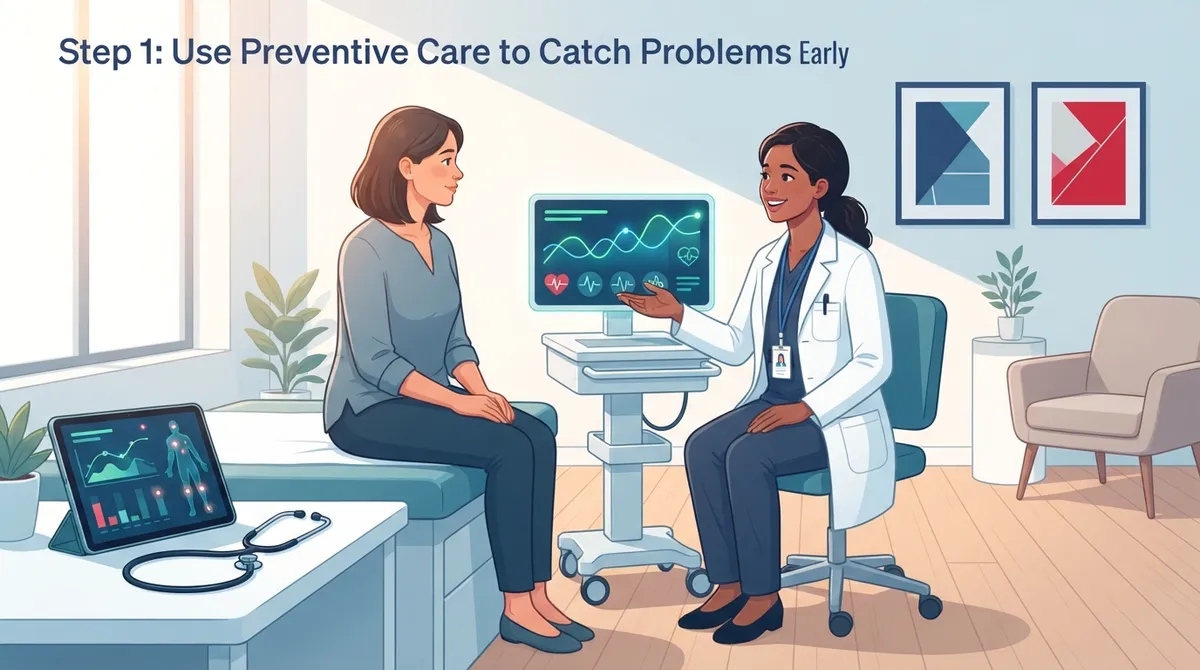
One of the clearest benefits of having a primary care doctor is access to preventive care. This includes screenings, vaccines, and counseling based on your age and risk factors.
In 2022, CDC data showed that 76.2% of U.S. adults had a routine checkup in the past year. However, uninsured adults and those with lower incomes were less likely to get this care. This gap shows why having a steady source of primary care is so important for closing health disparities.
Preventive visits are also where many issues get caught before they become serious. Blood pressure checks, cholesterol tests, and cancer screening services can catch problems while they are still easy to treat. A CDC study on preventive service use from 2018 to 2022 found that some screenings, like A1c testing, increased. Others, like colonoscopy screening, actually declined. This shows how easy it is for people to fall behind without a doctor keeping track.
Preventive Services Worth Discussing With Your Doctor
- Blood pressure and cholesterol checks
- Diabetes screening through blood sugar testing
- Age-appropriate cancer screenings
- Vaccinations, including flu and shingles shots
- Mental health and stress check-ins
- Body composition and metabolic assessments
At InCare, patients can also explore more advanced prevention tools such as DNA gene testing and metabolic breath analysis. These tools give a deeper look at personal health risks long before symptoms appear.
Step 2: Manage Chronic Conditions With One Trusted Guide
Chronic conditions like diabetes, high blood pressure, and asthma need steady management. This is another area where having a primary care doctor makes a real difference.
A regular doctor tracks your symptoms and test results over months and years. They notice small trends that a new provider might miss. They can adjust medications carefully instead of starting from scratch each time. Evidence links continuity of care with better chronic disease management, though results vary by condition.
For example, someone managing diabetes benefits from a doctor who already knows their blood sugar patterns, diet habits, and past medication reactions. This makes appointments faster and more useful. It also reduces the risk of medication errors or missed warning signs.
Common Chronic Conditions Primary Care Doctors Help Manage
|
Condition |
How a Primary Care Doctor Helps |
|---|---|
|
Diabetes |
Tracks blood sugar trends, adjusts medication, coordinates with specialists |
|
High Blood Pressure |
Monitors readings over time, adjusts treatment plans as needed |
|
Asthma |
Reviews triggers, adjusts inhaler use, tracks flare-up patterns |
|
Obesity |
Builds long-term weight loss plans with medical support |
|
Thyroid Disorders |
Tracks lab results and adjusts hormone therapy safely |
If you want to learn more about this process, InCare has written about how primary doctors help manage chronic illnesses in detail.
Step 3: Let Your Doctor Coordinate Care for You
Modern healthcare often involves many different providers. You might see a specialist for your heart, another for your skin, and a third for physical therapy. Without coordination, this can lead to confusion and mixed messages.
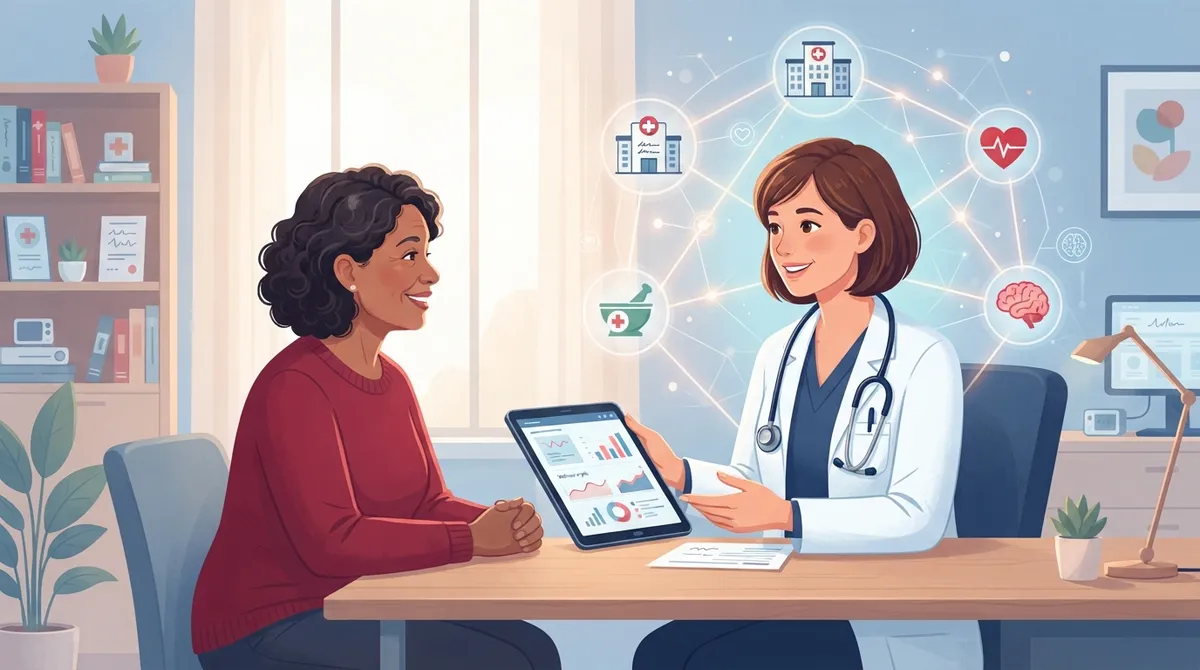
A primary care doctor acts as the central point of contact. They can send referrals, review specialist notes, and make sure everyone is on the same page. This reduces the risk of duplicate tests, conflicting medications, or missed follow-ups.
This benefit becomes even more important for people managing several health conditions at once. Coordinated care means less stress and fewer gaps in your treatment plan. To see how this plays out in real life, read more about fragmented care vs. coordinated care and which approach truly wins for patients.
Step 4: Address New Symptoms Before They Get Worse
Having a usual doctor gives you a clear place to turn when something feels off. This does not replace emergency care for serious or life-threatening symptoms. But for everyday concerns, it means faster answers and less guessing.
Instead of searching online or waiting to see if a symptom goes away, patients with a primary care doctor can book an appointment and get a professional opinion. This early action often prevents small issues from turning into bigger, more expensive problems.
For situations that need same-day attention, many clinics also offer urgent care services alongside primary care. This combination gives patients options depending on how urgent their needs are.
Primary Care vs. Urgent Care: Knowing the Difference
|
Situation |
Best Option |
|---|---|
|
Annual checkup or screening |
Primary Care |
|
Ongoing condition management |
Primary Care |
|
Sudden cold, flu, or minor injury |
Urgent Care |
|
Life-threatening emergency |
Emergency Room |
|
Routine vaccinations or physicals |
Primary Care |
Step 5: Lower Your Risk of Hospital Visits
Research consistently links strong primary care relationships with fewer emergency room visits and hospital stays. A 2024 review of continuity evidence found associations with fewer emergency visits, better chronic disease management, and improved use of preventive services. These are population-level patterns, not guarantees for every person, but they highlight a clear trend.
Think of it like maintaining a car. Regular oil changes and checkups catch small issues before they become expensive repairs. The same logic applies to your body. Regular visits catch warning signs early, which can prevent a trip to the emergency room later.
Step 6: Get Support for Whole-Body Wellness
Primary care today goes beyond treating illness. Many clinics now offer wellness-focused services that help patients feel their best, not just avoid feeling sick.
At InCare, patients can access services like IV hydration and vitamin drips, body composition analysis, and even hair restoration treatments. These options let patients build a health plan that fits their personal goals, whether that means more energy, better metabolic health, or simply feeling more confident.
This whole-body approach is especially appealing to people who want more than a quick prescription. It reflects a shift toward personalized, proactive healthcare.
Step 7: Choose the Right Primary Care Partner
Not all primary care experiences are the same. Finding the right doctor and clinic can shape how much value you get from this relationship. Here are some things to look for:
- A clinic that offers same-day or quick scheduling
- Providers who explain things in plain language
- Access to both primary care and urgent care under one roof
- Modern tools like body composition scans or DNA testing
- Locations that are easy to reach from home or work
InCare offers all of this across its Tampa and Riverview locations, with a team of experienced providers including Dr. Naveen Paddu, Dr. Pramjeet Ahluwalia, and Dr. Teshy John. Patients consistently share positive experiences, and you can visit us on Google — InCare to read real reviews from the community.
You can also follow updates and health tips through InCare's Facebook page, get wellness inspiration on Instagram, or catch quick health tips on Tik Tok.
Why 2026 Is the Right Time to Start
Healthcare technology has come a long way. Clinics now use AI-powered tools, 3D body scanning, and genetic testing to give patients a clearer picture of their health. This means the benefits of having a primary care doctor are bigger than ever before.
Instead of waiting for a health scare to push you into action, 2026 offers a chance to build a proactive relationship with a doctor who understands your goals. Whether you are focused on weight management, family health, or long-term wellness, a strong primary care relationship gives you a real advantage.
Take the Next Step Toward Better Health
The benefits of having a primary care doctor are backed by strong research and real-world results. From catching health issues early to managing chronic conditions and reducing emergency visits, this relationship pays off in ways that matter for your daily life and your future.
If you are ready to build this kind of partnership, InCare makes it simple to get started. You can get in touch with our team today to ask questions or learn more about services. Or, if you are ready to schedule your first visit, you can book your appointment now and take the first step toward whole-body wellness in Tampa or Riverview.
FAQs
Q: What are the benefits of having a primary care doctor?
A: A primary care doctor offers preventive care, helps manage chronic conditions, and coordinates care with specialists. Research links strong continuity of care with fewer hospital visits, fewer emergency room trips, and lower risk of early death.
Q: How often should I see my primary care doctor?
A: Most adults benefit from at least one annual checkup, though people with chronic conditions may need more frequent visits. Your doctor can recommend a schedule based on your age, health history, and current risk factors.
Q: Can a primary care doctor help prevent illness?
A: Yes. Primary care visits often include screenings, vaccines, and counseling tailored to your age and risk factors. This proactive approach helps catch potential health issues before they become serious problems.
Q: What is the difference between a primary care doctor and an urgent care clinic?
A: A primary care doctor manages your ongoing health, including checkups and chronic conditions. Urgent care is best for sudden, non-life-threatening issues like colds, minor injuries, or infections that need quick attention.
Q: Can I have a primary care doctor if I do not have insurance?
A: Yes, many clinics offer self-pay options for patients without insurance. It is best to contact a clinic directly to ask about pricing and available payment plans for primary care services.