Key Takeaways
- Your body naturally produces glutathione using three amino acids (cysteine, glutamic acid, and glycine), primarily in the liver—supplementation is not necessary for healthy adults whose bodies produce adequate amounts.
- Glutathione shows promise for people with specific medical conditions like metabolic syndrome, cardiovascular disease, and liver disease where low levels are documented, but evidence for supplementation in healthy people is limited.
- IV glutathione and oral supplements are not interchangeable; IV forms enter the bloodstream directly while oral supplements have lower bioavailability, and high-dose IV use requires medical supervision due to potential liver toxicity.
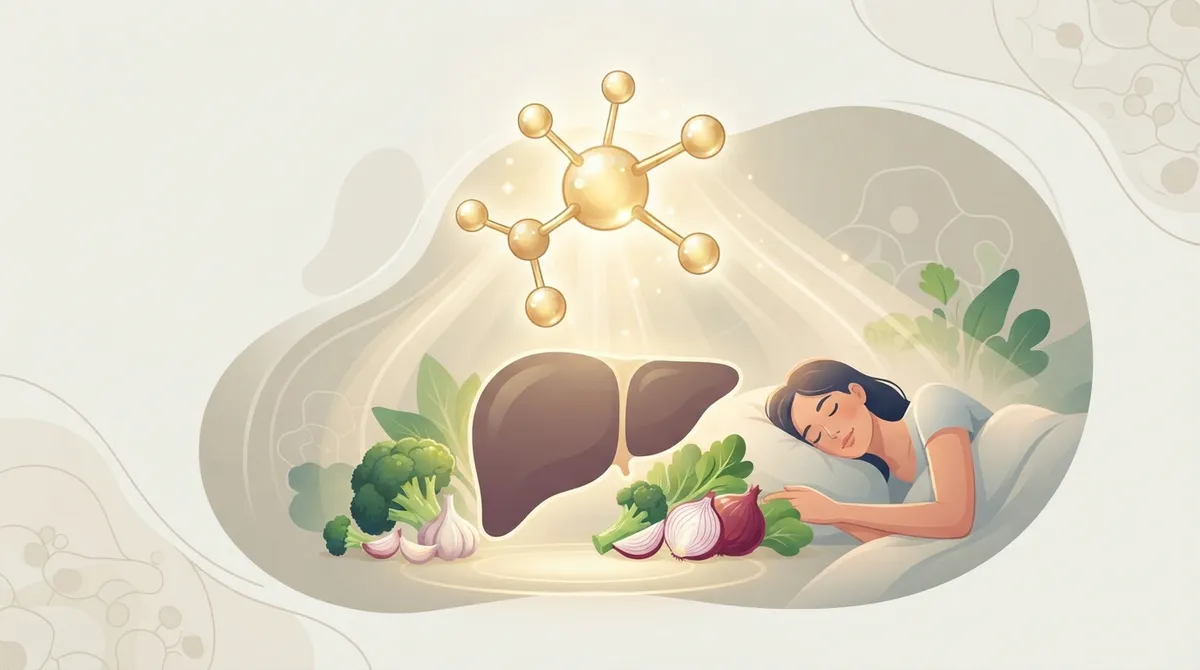
- Lifestyle habits like eating sulfur-rich foods (garlic, onions, cruciferous vegetables), quality sleep, regular exercise, limiting alcohol, and managing stress effectively support your body's natural glutathione production without supplementation.
Glutathione has become one of the most talked-about topics in wellness clinics across Tampa and Riverview. Patients ask about it during annual visits, weight loss consultations, and IV hydration appointments. But what does the science actually say about this antioxidant, and who might benefit from paying closer attention to it?
This guide breaks down eight essential facts about glutathione, based on current clinical research. Whether you are a busy parent managing your family's health or someone exploring advanced wellness options, understanding glutathione can help you make informed decisions with your primary care provider.

1. Glutathione Is Made Naturally by Your Body
Glutathione is not something you need to get from food alone. Your body builds it using three amino acids: cysteine, glutamic acid, and glycine. This process happens mostly in your liver.
Because your body makes its own supply, glutathione is often called an endogenous antioxidant. This is different from vitamins like C or E, which you must get from your diet. Your cells constantly produce and recycle glutathione to keep up with daily stress on your system.

2. It Works as a Powerful Antioxidant
Glutathione is described as the most abundant thiol antioxidant found in the human body. Its job is to neutralize harmful molecules called reactive oxygen species. These molecules form as normal byproducts of metabolism, but they can damage cells if left unchecked.
Think of glutathione as a cleanup crew working inside your cells. It helps limit oxidative damage and supports healthy mitochondrial function, according to a clinical review published on PMC. This cellular protection is part of why glutathione draws so much interest in wellness circles.
Why Oxidative Stress Matters
Oxidative stress builds up over time from things like poor sleep, pollution, and normal aging. Left unmanaged, it has been linked to a wide range of health concerns. This is one reason many patients ask about it during annual wellness visits.
3. Glutathione Supports Liver Detoxification
Your liver relies heavily on glutathione to process drugs, alcohol, and environmental toxins. This detox pathway is one of glutathione's best-documented roles in the body.
When your liver breaks down substances, it often needs glutathione to bind toxins so they can be safely removed. This is why liver health and glutathione levels are frequently discussed together in medical literature. Patients managing liver concerns may want to discuss this connection with a physician at a primary care visit focused on liver testing.
4. Low Levels Are Linked to Several Chronic Conditions
Research shows that low glutathione levels are associated with several serious health conditions. A comprehensive review found connections between reduced glutathione and metabolic syndrome, cardiovascular disease, kidney disease, liver disease, and neurodegenerative disorders.
Here are conditions where researchers have observed lower glutathione levels:
- Metabolic syndrome and type 2 diabetes
- Cardiovascular disease
- Chronic kidney disease
- Liver disease, including fatty liver conditions
- Neurodegenerative disorders like Parkinson's disease
- Autoimmune disease states
It is important to understand that association does not always mean causation. Low glutathione may be a marker of these conditions rather than a direct cause. This distinction matters when discussing supplementation with your care team.
5. The Evidence for Healthy People Is Limited
Here is something many wellness marketers do not emphasize: strong clinical evidence for glutathione supplementation in healthy adults is limited. A physician summary from UCLA Health states plainly that there is no good study of glutathione use in healthy people.
This does not mean glutathione is worthless. It means that if you are already healthy, your body is likely producing enough on its own. Supplementation may hold more promise for people with specific medical conditions under supervision, rather than as a routine addition for everyone.
What This Means for Your Wellness Plan
Before adding any supplement, including glutathione, it makes sense to talk with a provider who understands your full health picture. A health risk assessment can help identify whether you have any underlying issues that might make targeted support more relevant for you.
6. IV and Oral Forms Are Not the Same
Glutathione is available in different forms, and they are not interchangeable. Oral supplements, injections, and IV infusions each behave differently in the body.
FormAbsorptionReported Safety NotesOral supplementLower bioavailability; broken down in digestion500 mg twice daily for 4 weeks showed no serious side effects in one study of healthy volunteersIV infusionDirect entry into bloodstreamHigh doses over time (1,200 mg/day for one month) have been linked to reversible liver toxicity in reportsTopical/skin productsLimited, localized effectEvidence for skin brightening claims remains inconclusive
This table shows why medical supervision matters. IV therapy delivered under professional guidance, like the IV hydration and vitamin drip services at InCare, is monitored differently than an unsupervised at-home regimen.
7. Reference Ranges Help Providers Interpret Levels
Clinical labs use specific reference ranges to evaluate glutathione status. According to published research, plasma reduced glutathione typically falls between 3.8 and 5.5 µmol/L. Red blood cell total glutathione reference ranges are much higher, between 1,000 and 1,900 µmol/L.
These numbers only mean something in the context of a full lab panel and clinical history. That is why testing and interpretation should happen through a qualified provider rather than a home test kit alone. Providers like Dr. Naveen Paddu and Dr. Pramjeet Ahluwalia can help translate lab data into a practical plan.
8. You Can Support Natural Production Through Lifestyle Habits
Instead of relying only on supplements, several lifestyle factors help support your body's own glutathione production. These strategies are backed by broader nutrition and metabolic research.
- Eat sulfur-rich foods like garlic, onions, and cruciferous vegetables
- Get consistent, quality sleep to support cellular repair
- Exercise regularly to support mitochondrial health
- Limit alcohol intake, which places extra demand on liver detox pathways
- Manage chronic stress, which can increase oxidative burden
- Consider whole-body testing to understand your baseline metabolic health
Many patients pair these habits with advanced testing tools. Services like DNA gene testing and metabolic breath analysis can offer a clearer picture of how your body processes nutrients and stress over time.
How InCare Approaches Glutathione and Whole-Body Wellness
At InCare, the goal is not to chase trends. It is to give patients accurate information paired with personalized care plans. Whether you are curious about IV therapy, want a full metabolic workup, or simply need a trusted provider to guide your wellness journey, the team looks at your whole health picture before recommending any treatment.
This approach fits naturally alongside other InCare services, including medically supervised weight loss programs, cancer screenings, and body composition analysis. Patients in Tampa and Riverview often combine these services for a more complete view of their health.
What to Expect During a Consultation
During a wellness consultation, your provider will typically review your health history, discuss your goals, and may order relevant lab work. This conversation helps determine whether glutathione-related therapies make sense for your specific situation, rather than applying a one-size-fits-all approach.
You can follow along with patient stories and wellness tips on Instagram, connect with the community on Facebook, or catch quick wellness insights on TikTok. Many patients also check Visit us on Google — InCare before booking their first appointment, where the clinic holds a 4.8 out of 5 rating from hundreds of reviewers.
Bringing It All Together
Glutathione plays a genuine role in cellular protection, detoxification, and overall metabolic health. The science supporting its use in specific medical conditions is promising but still developing. For most healthy adults, the priority should be supporting natural production through good habits rather than assuming more supplementation always equals better health.
If you have questions about your glutathione levels, liver health, or overall wellness strategy, a conversation with a knowledgeable provider is the best next step. The team at InCare, with locations in Tampa and Riverview, is ready to help you build a plan grounded in real science rather than trends. Reach out to our team today or schedule your appointment online to start your personalized wellness assessment.
FAQs
Q: What does glutathione do in the body?
A: Glutathione acts as one of the body's most important antioxidants. It helps neutralize reactive oxygen species, supports liver detoxification pathways, and plays a role in mitochondrial metabolism and cellular protection.
Q: Is glutathione good for detox?
A: Yes, glutathione supports detoxification by helping the liver process and remove drugs, toxins, and pollutants. This is one of its most well-documented functions in current medical literature.
Q: Is glutathione safe to take every day?
A: Oral glutathione at moderate doses has shown no serious side effects in short-term studies of healthy volunteers. However, high-dose IV glutathione has been associated with reversible liver toxicity, so any regular use should be supervised by a qualified provider.
Q: Does glutathione work for skin brightening?
A: Glutathione is often promoted for skin brightening in wellness settings, but high-quality clinical evidence supporting this specific use remains inconclusive. Patients interested in this application should discuss realistic expectations with a medical provider.
Q: How can I increase glutathione naturally?
A: You can support natural glutathione production by eating sulfur-rich foods like garlic and cruciferous vegetables, exercising regularly, getting quality sleep, and limiting alcohol intake. These habits support your body's own antioxidant systems rather than relying solely on supplementation.