
Key Takeaways
- KPV peptide lacks FDA approval, human clinical trials, and established safety data—it remains a research compound with no confirmed efficacy in treating any human condition despite marketing claims.
- Preclinical research shows KPV may reduce inflammatory signaling through the NF-κB pathway in lab and animal studies, but these findings cannot be directly applied to human treatment without completed clinical trials.
- Unregulated KPV products carry documented risks including contamination, inaccurate dosing, unknown drug interactions, and unverified long-term safety—consulting a licensed healthcare provider is essential before considering use.
- KPV is a tripeptide (three amino acids: lysine, proline, valine) derived from alpha-MSH that researchers hypothesize may improve gut absorption during intestinal inflammation, but this mechanism remains unproven in humans.
Wellness patients across Tampa and Riverview are asking about a tiny molecule called KPV peptide. Social media posts and online forums promise big results for gut health, skin conditions, and inflammation. But most of these claims skip an important detail: KPV remains an unproven research compound with no established human safety record.
This guide breaks down what KPV actually is, what the science really shows, and why talking to a licensed provider matters more than any online product listing. Whether you found this peptide through a fitness influencer or a late-night research rabbit hole, you deserve facts instead of hype. Let's separate what researchers have observed in labs from what has actually been proven safe and effective in people.

1. KPV Is a Tiny Piece of a Larger Hormone
KPV, sometimes written as alpha-MSH(11-13), is a tripeptide. That means it contains just three amino acids: lysine, proline, and valine. These three letters give the peptide its name.
KPV comes from a larger molecule called alpha-melanocyte-stimulating hormone, or alpha-MSH. This parent hormone plays a role in skin pigmentation and has been studied for its effects on inflammation throughout the body. KPV is the smallest active fragment researchers have pulled from that larger chain.
Despite sharing a name with a pigment-related hormone, most current research on KPV focuses on inflammation, not skin color. This shift in focus is one reason wellness circles have taken interest in the peptide over the past few years.
2. Its Main Interest Is Anti-Inflammatory Signaling
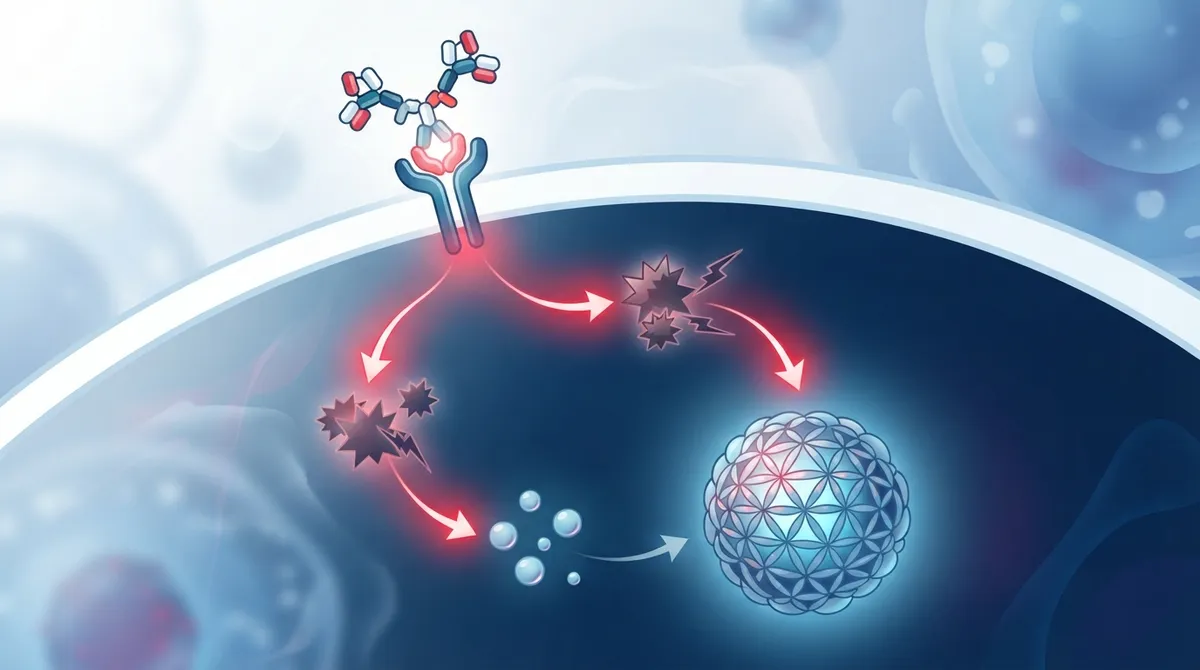
Laboratory studies suggest KPV may reduce activity in a pathway called NF-κB. This pathway helps control how your body produces inflammatory signals. When NF-κB activity increases, your body tends to produce more inflammatory chemicals called cytokines.
Researchers have looked at whether KPV can lower levels of specific cytokines, including:
- TNF-alpha, a signal linked to chronic inflammation
- IL-6, a marker often elevated during infection or injury
- IL-8, a chemical that draws immune cells to inflamed tissue
These findings come from cell cultures and animal studies. They are hypothesis-generating, meaning they point researchers toward new questions rather than confirming a treatment works in people.
3. Scientists Are Curious About Gut Absorption
One interesting detail from preclinical research involves a transporter called PepT1. This transporter sits on the surface of cells lining your intestines. It normally helps your body absorb small protein fragments from digested food.
Research suggests PepT1 activity may increase when the intestines become inflamed. Because of this, some scientists have studied whether KPV could enter intestinal cells through this transporter during flare-ups. This has prompted early research into conditions like inflammatory bowel disease.
Still, none of this research has moved into confirmed human treatment protocols. The gut absorption theory remains a research topic, not a clinical recommendation.
4. Animal and Cell Studies Don't Equal Human Proof
Much of the excitement around KPV comes from animal research. Scientists have studied the peptide in models involving:
- Intestinal inflammation and gut lining health
- Skin inflammation and dermatitis
- Wound healing processes
- Mast cell activity related to allergic responses
- Microbial and immune system interactions
These studies help researchers understand biological mechanisms. However, animal outcomes cannot be automatically converted into human treatment benefits. There are currently no completed, published randomized clinical trials in humans that confirm KPV works safely or effectively for any condition.
If you are exploring wellness options based on documented, human-focused research, a conversation with your primary care provider is a smarter first step than following unverified online claims.
5. KPV Is Not FDA-Approved for Any Use
This is one of the most important facts to understand. KPV has no FDA-approved use, whether as a medication, supplement, or treatment for any condition. It should never be marketed or purchased as a proven remedy.
According to information referenced by The Peptide Examiner, the FDA has stated it found no human exposure data for drug products containing KPV, regardless of how the product is administered. This means regulators lack basic safety information that would normally support responsible use.
Some sources discuss KPV in relation to FDA bulk-compounding categories. Being listed in a regulatory category is not the same as receiving FDA approval. Always verify current regulatory status directly through official FDA publications before assuming any claim about legality or safety is accurate.
6. Safety Data in Humans Is Extremely Limited
Available research does not establish a reliable human safety profile for KPV. Some animal studies have reported tolerability at the doses tested. But animal tolerability does not define a safe human dose, a safe route of administration, or long-term safety.
Key safety concerns include the following:
|
Risk Category |
Why It Matters |
|---|---|
|
Product contamination |
Unregulated research-peptide sources may not follow quality manufacturing standards |
|
Inaccurate dosing |
Without approved dosing guidelines, users may take too much or too little |
|
Unknown repeated exposure effects |
Long-term or repeated use has not been studied in humans |
|
Allergic or immune reactions |
Peptides can trigger unexpected immune responses in some people |
|
Drug interaction uncertainty |
Effects when combined with medications are not documented |
|
Pregnancy and breastfeeding risk |
No safety data exists for these populations |
These gaps in knowledge are exactly why the FDA has flagged important unanswered safety questions about KPV-containing products.
7. KPV Is Often Confused With Proven Wellness Options
Because peptide therapy has grown popular in wellness spaces, it's easy to lump every peptide together. But not every peptide carries the same evidence level. Some peptides used in supervised clinical settings have more established safety data and monitored protocols. KPV does not currently belong in that category.
If you're interested in wellness strategies with a stronger foundation of clinical use, your provider can walk you through options during a wellness visit. This is also a good time to discuss any inflammatory symptoms, digestive concerns, or skin issues that led you to research KPV in the first place. A trained clinician can help you understand whether your symptoms point toward a different, better-supported path forward.
For patients dealing with digestive symptoms specifically, it may help to review general guidance on how to make preventive care work for your health before trying unregulated compounds.
8. Talking to a Clinician Beats Guessing Alone
The internet is full of anecdotes about peptides, but personal stories are not the same as clinical evidence. If you are curious about KPV or any other peptide, the safest next step is a conversation with a licensed healthcare provider.
At InCare, our team in Tampa and Riverview helps patients sort through wellness trends with real medical guidance. We understand many patients come to us after reading about peptides online, and we take those questions seriously. Our providers can evaluate your health history, discuss your goals, and explain which options have documented human safety and efficacy data versus which remain experimental.
This matters because inflammation, gut issues, and skin concerns often have well-studied treatment paths already. Instead of guessing with an unregulated compound, you can explore evidence-based options through peptide therapy programs in Tampa that are guided by licensed medical professionals.
Patients managing ongoing conditions may also benefit from learning how primary doctors help manage chronic illnesses, since many inflammatory symptoms overlap with conditions your care team can already address using proven methods.
What This Means for Your Wellness Decisions
KPV peptide sits firmly in the research category right now. It is not a supplement, not an approved drug, and not a substitute for medical care. The preclinical science is genuinely interesting, but interesting is not the same as proven.
Before trying any unregulated peptide product, consider these steps:
- Ask your provider about the specific symptom or concern driving your interest
- Request current, evidence-based treatment options for that concern
- Avoid purchasing research chemicals marketed for human consumption without medical supervision
- Verify any regulatory claims directly through official FDA sources rather than product marketing pages
Many patients searching for KPV are really searching for relief from inflammation, gut discomfort, or skin flare-ups. Those are valid concerns that deserve a thoughtful, medically supervised approach rather than a shortcut with unclear risks.
Why Local, Personalized Care Makes a Difference
Wellness trends move fast, but good medical guidance stays grounded in evidence. InCare's Tampa and Riverview locations combine advanced diagnostic tools with real conversations about what actually works for your body. From DNA gene testing to body composition analysis, our approach favors data and clinical oversight over online speculation.
Patients throughout the Tampa Bay area have shared their experiences with our team, and you can visit us on Google — InCare to read real reviews from people who found answers instead of guesswork. We also share educational content on Facebook and Instagram, and short wellness tips on TikTok, so you can stay informed between visits.
Conclusion
KPV peptide is a small molecule with a big research buzz, but the science has not caught up to the marketing. It shows promise in labs and animal studies, particularly around inflammation and gut health signaling. Still, it lacks FDA approval, established human dosing, and a confirmed safety profile.
If you're weighing peptide options or dealing with inflammation, digestive troubles, or skin concerns, the smartest move is a conversation with a qualified provider. Our team at InCare in Tampa and Riverview can review your symptoms, explain what current research actually supports, and help you choose a path grounded in evidence rather than online hype. Book your appointment today and get answers you can actually trust.
FAQs
Q: What is KPV peptide made from?
A: KPV is a tripeptide made of three amino acids: lysine, proline, and valine. It is derived from alpha-melanocyte-stimulating hormone, a molecule studied for its roles in pigmentation and inflammation regulation.
Q: Is KPV peptide FDA-approved or legal to use?
A: No, KPV is not FDA-approved for any medical condition. The FDA has noted it lacks human exposure data for KPV-containing products, regardless of how they are administered, leaving important safety questions unanswered.
Q: Does KPV peptide have human clinical trials proving it works?
A: Current evidence is largely limited to laboratory and animal studies. There are no completed, published randomized human clinical trials confirming KPV's efficacy or safety for any condition.
Q: Can KPV peptide help with inflammatory bowel disease or eczema?
A: Preclinical research has explored KPV in animal models of intestinal and skin inflammation, but these findings are hypothesis-generating. They do not establish that KPV treats human digestive or skin conditions.
Q: What are the risks of trying KPV peptide from unregulated sources?
A: Unregulated peptide products carry risks like contamination, inaccurate dosing, and unknown effects from repeated use. There is also no established data on interactions with medications or safety during pregnancy or chronic illness.