Key Takeaways
- Only buy topical GHK-Cu (Copper Tripeptide-1) from established skincare brands with transparent labeling, lot numbers, and expiration dates—avoid all injectable 'research use only' vials sold online, which lack FDA approval and safety testing.
- Check product labels for the INCI name 'Copper Tripeptide-1' and red flags like vague ingredient lists, medical cure claims, or sellers with only social media contact; legitimate retailers offer clear return policies and verifiable business information.
- Consult a licensed clinician before using GHK-Cu, especially if you have copper-metabolism disorders, liver disease, or are pregnant/breastfeeding, as topical use can cause contact dermatitis and injectable products carry serious contamination and infection risks.
- Understand that no FDA-approved GHK-Cu drug exists for injection or medical treatment in the U.S.; topical cosmetics don't need FDA premarket approval but cannot legally claim to treat disease, repair tissue, or cure hair loss.
Searching for GHK-Cu online can feel overwhelming. Some websites sell vials for injection. Others offer serums with unclear ingredients. Many make bold promises about wrinkle repair, hair regrowth, or wound healing. For anyone in Tampa or Riverview trying to make a smart, safe choice, the flood of options can create more confusion than confidence.
This copper-binding peptide, also called Copper Tripeptide-1, has real value in topical skincare. But its safety and legal status change dramatically depending on how it's sold. Understanding these differences protects your health and your wallet. Below, we break down seven safe paths to consider, along with the red flags every buyer should know before spending a dollar. If you're building a broader wellness routine that includes skin health, this guide will help you make an informed decision.
What Is GHK-Cu and Why Does It Matter?
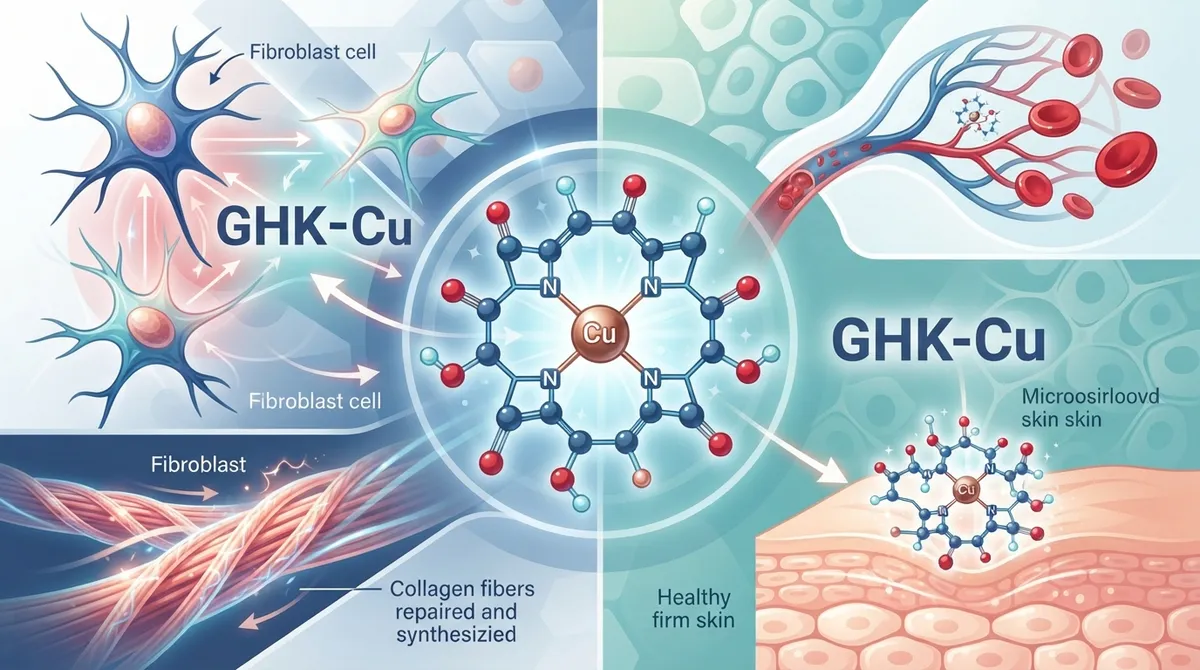
GHK-Cu is a small peptide that naturally occurs in the human body. It binds to copper and plays a role in skin repair. Skincare companies use it in serums and creams because it may support collagen and smoother-looking skin.
It is important to know that GHK-Cu is not one single product. It exists in two very different forms:
- Topical cosmetic products containing Copper Tripeptide-1
- Injectable or "research use only" vials sold online
Only the first category is appropriate for everyday consumers. The second category carries serious legal and safety concerns, which we explain in detail below.

7 Safe Ways to Buy GHK-Cu Products
1. Choose an Established Skincare Brand
The safest way to buy GHK-Cu is through a well-known skincare company. Look for brands that have been in business for years and have transparent manufacturing practices. These companies must follow cosmetic labeling rules.
2. Check for the Ingredient Name "Copper Tripeptide-1"
Reputable products list this exact term on the ingredient panel. If a product only says "GHK-Cu peptide" with no INCI (International Nomenclature of Cosmetic Ingredients) name, treat it with caution.
3. Buy From Retailers With Clear Return Policies
Legitimate sellers stand behind their products. They offer refunds, respond to customer questions, and provide contact information. A seller who hides behind a P.O. box or has no customer service is a warning sign.
4. Confirm Lot Numbers and Expiration Dates
Every safe cosmetic product should have a batch or lot number and an expiration date. This information helps track quality and safety. Missing this data often means the product wasn't manufactured under proper conditions.
5. Avoid Sellers Promising Medical Results
Cosmetic products cannot legally claim to treat disease, repair tissue, or cure hair loss. If a listing promises dramatic medical outcomes, it may be breaking labeling laws or misrepresenting the product entirely.
6. Skip "Research Use Only" Labels for Personal Use
Some websites sell GHK-Cu vials labeled "not for human use" or "research purposes only." These products are not tested, regulated, or approved for injection. Buying them for self-treatment is risky and not recommended.
7. Talk to a Licensed Clinician First
Before starting any new peptide product, even a topical one, it helps to speak with a primary care provider. A clinician can review your skin goals, health history, and help you decide if GHK-Cu is a good fit. At InCare, our providers can guide you through safe, evidence-based options for skin and wellness concerns.
Topical vs. Injectable GHK-Cu: A Side-by-Side Comparison
|
Feature |
Topical GHK-Cu (Cosmetic) |
Injectable GHK-Cu |
|---|---|---|
|
FDA Approval Status |
Not required for cosmetics; must avoid drug claims |
No FDA-approved injectable GHK-Cu drug exists |
|
Where Sold |
Skincare retailers, dermatology offices, pharmacies |
Online "peptide" vendors, unregulated websites |
|
Typical Use |
Serums, creams, moisturizers |
Self-injection (not medically supervised) |
|
Safety Oversight |
Cosmetic manufacturing standards apply |
Little to no quality control or testing |
|
Recommended for Consumers |
Yes, with clinician guidance |
No, not for self-administration |
Signs of a Trustworthy Seller vs. a Risky One
|
Trustworthy Seller |
Risky Seller |
|---|---|
|
Lists full ingredient panel with INCI names |
Uses vague terms like "pure peptide blend" |
|
Provides lot numbers and expiration dates |
No batch tracking information available |
|
Has verifiable business contact details |
Only reachable through social media DMs |
|
Avoids disease-treatment claims |
Promises to "cure" hair loss or "repair" tissue |
|
Sells clearly labeled cosmetic products |
Ships unlabeled vials or prefilled syringes |
Understanding the Regulatory Landscape
There is no FDA-approved GHK-Cu drug for injection, oral use, wound healing, or hair growth in the United States. This means any injectable version sold online operates outside standard drug approval processes. The U.S. Food and Drug Administration oversees drug safety, and its official website confirms that unapproved peptide products carry unknown risks.
Cosmetics, on the other hand, do not need FDA premarket approval in most cases. However, they cannot legally claim to treat or cure medical conditions. This distinction matters a great deal when deciding what is GHK-Cu and how it fits your wellness goals.
What the Research Actually Shows
A 12-week study looked at a 0.1% topical GHK-Cu serum in 67 participants. Researchers found that about 3% of users, or 2 people, developed contact dermatitis. No serious side effects were reported during the study period.
This is helpful data, but it has limits:
- The study only lasted 12 weeks, so long-term safety remains unclear.
- It focused on topical use only, not injections.
- There is no large, well-powered Phase III trial confirming strong effectiveness.
Because of these gaps, it's wise to treat GHK-Cu as a supportive skincare ingredient rather than a proven medical treatment. If you're curious about the science, our article on GHK-Cu research versus hype breaks down the evidence in plain language.
Who Should Avoid GHK-Cu Products?
Certain people should check with a doctor before trying any copper-containing product. This includes:
- People with copper-metabolism disorders like Wilson's disease
- Individuals with significant liver disease
- Pregnant or breastfeeding women
- Anyone with known allergies to peptides or metals
- People with unexplained skin conditions or rashes
Topical products can cause irritation or contact dermatitis in sensitive skin. Injectable products carry more serious risks, including contamination, incorrect dosing, infection, and immune reactions.
Steps to Take Before You Buy
- Research the brand's history and read verified customer reviews.
- Check the ingredient list for "Copper Tripeptide-1."
- Look for lot numbers, expiration dates, and storage instructions.
- Avoid any product that skips FDA cosmetic labeling standards.
- Schedule a visit with a primary care provider to discuss your skin or wellness goals.
- Ask about alternative treatments if GHK-Cu isn't the right fit.
- Never purchase injectable peptides marked "for research use only."
Following these steps helps you avoid wasted money and unnecessary health risks.
How InCare Supports Your Wellness Journey
InCare, with locations in Tampa and Riverview, Florida, focuses on whole-body health backed by real medical expertise. While GHK-Cu itself is not one of our clinical treatments, our team offers many services related to skin health, healthy aging, and prevention. This includes DNA gene testing, body composition analysis, and IV hydration and vitamin drips to support your overall wellness goals.
Our providers, including those featured on our physician team page, take time to understand your health history before recommending any treatment path. This personalized approach means you get advice based on your actual needs, not marketing claims. Patients across Tampa Bay trust our clinic, and you can visit us on Google — InCare to read real patient experiences.
Questions to Ask Your Provider
When you bring up GHK-Cu or other peptide products during a visit, consider asking these questions:
- Is this ingredient right for my skin type or health goals?
- Are there safer, proven alternatives available?
- Could this product interact with my current medications?
- What results should I realistically expect?
- How long should I try a product before deciding if it's working?
A thoughtful conversation with a licensed clinician often reveals better options than what you'll find from an online ad. Our primary care team can walk you through safe skincare and wellness strategies tailored to your body.
Staying Informed and Connected
Wellness trends move fast, and peptides are a hot topic in 2026. Staying informed helps you separate real science from hype. You can follow InCare's latest health tips and clinic updates on Facebook, Instagram, and TikTok for practical, easy-to-understand health content.
Final Thoughts on Buying GHK-Cu Safely
Buying GHK-Cu doesn't have to be confusing. Stick to reputable skincare brands, check labels carefully, and avoid injectable products sold as "research chemicals." These simple habits protect your health and help you get real value from your purchase.
If you have questions about GHK-Cu, skin health, or building a personalized wellness plan, our team is ready to help. Reach out to our care team today or schedule your appointment now to start your journey toward safer, smarter wellness choices in Tampa or Riverview.
FAQs
Q: Where can I buy topical GHK-Cu safely?
A: The safest option is an over-the-counter cosmetic product from a reputable skincare brand or established retailer. Look for the ingredient name Copper Tripeptide-1 on the label, along with complete ingredient information, batch numbers, and expiration dates.
Q: Is GHK-Cu FDA approved for injection or anti-aging treatment?
A: No. There is no FDA-approved GHK-Cu drug product for injection, wound healing, hair growth, or anti-aging treatment in the United States. Only topical cosmetic formulations are available through legitimate consumer channels.
Q: Can a doctor prescribe or a pharmacy compound injectable GHK-Cu?
A: Injectable GHK-Cu is not an FDA-approved medication, so it cannot be legally prescribed for standard medical treatment in the way approved drugs are. Patients should discuss any peptide interest with a licensed clinician who can explain approved alternatives.
Q: What is the difference between Copper Tripeptide-1 and injectable GHK-Cu?
A: Copper Tripeptide-1 is the cosmetic ingredient name used in topical serums and creams sold legally as skincare products. Injectable GHK-Cu refers to unapproved vials often sold online as "research use only," which are not tested or approved for human use.
Q: Are GHK-Cu peptide products sold online safe to use?
A: Topical products from established, transparent skincare brands are generally considered low-risk when used as directed. However, injectable or unlabeled vials sold through research-chemical websites carry real risks, including contamination and dosing errors, and should be avoided.