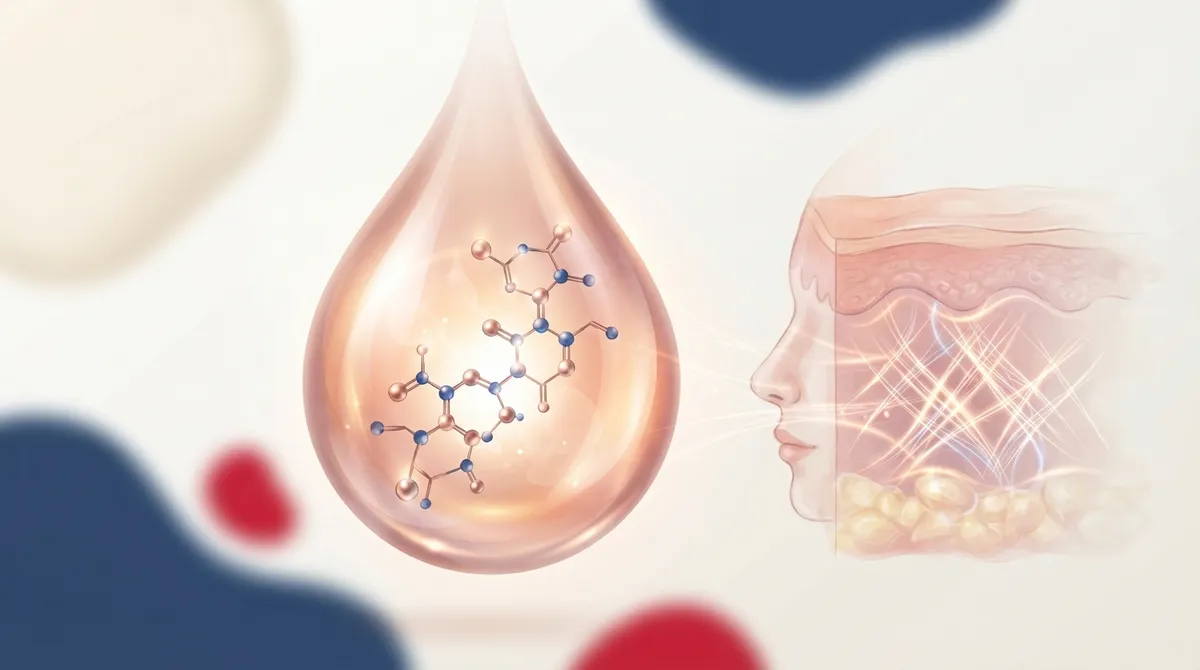
Key Takeaways
- GHK-Cu is a naturally occurring copper-binding peptide showing promise in laboratory studies for collagen production and skin firmness, but lacks large-scale human clinical trials confirming efficacy beyond cosmetic improvements.
- No GHK-Cu product is FDA-approved as a prescription drug; topical cosmetics are legal but cannot claim to treat disease, while injectable and oral versions operate outside standard regulatory oversight with minimal safety data.
- Topical GHK-Cu can cause skin irritation including redness, stinging, and allergic contact dermatitis in some users; patch testing on a small area for 48 hours is essential before full application.
- Current human evidence for GHK-Cu is strongest for topical dermatologic use through small cosmetic studies, while claims about wound healing, hair growth, and systemic rejuvenation lack robust clinical proof.
- Always consult your primary care provider before using GHK-Cu to verify compatibility with your skin type, medications, and health history, and avoid injectable or oral versions unless supervised by a qualified physician.
- GHK-Cu is a skincare peptide distinct from copper supplements; topical products cannot address systemic copper deficiencies, which require separate bloodwork and dietary assessment through your doctor.
Walk through any skincare aisle or scroll through a wellness forum, and you may have spotted the term GHK-Cu. This copper-binding peptide has become a buzzword in anti-aging circles, promising smoother skin and faster healing. But what does the science actually say, and how does it fit into a broader picture of preventive health? Understanding what is ghk cu means separating marketing claims from medical evidence, so you can make informed choices with your care team. At InCare, patients across Tampa and Riverview often ask about trending wellness ingredients like this one during their primary care visits, and this guide breaks down what current research supports.
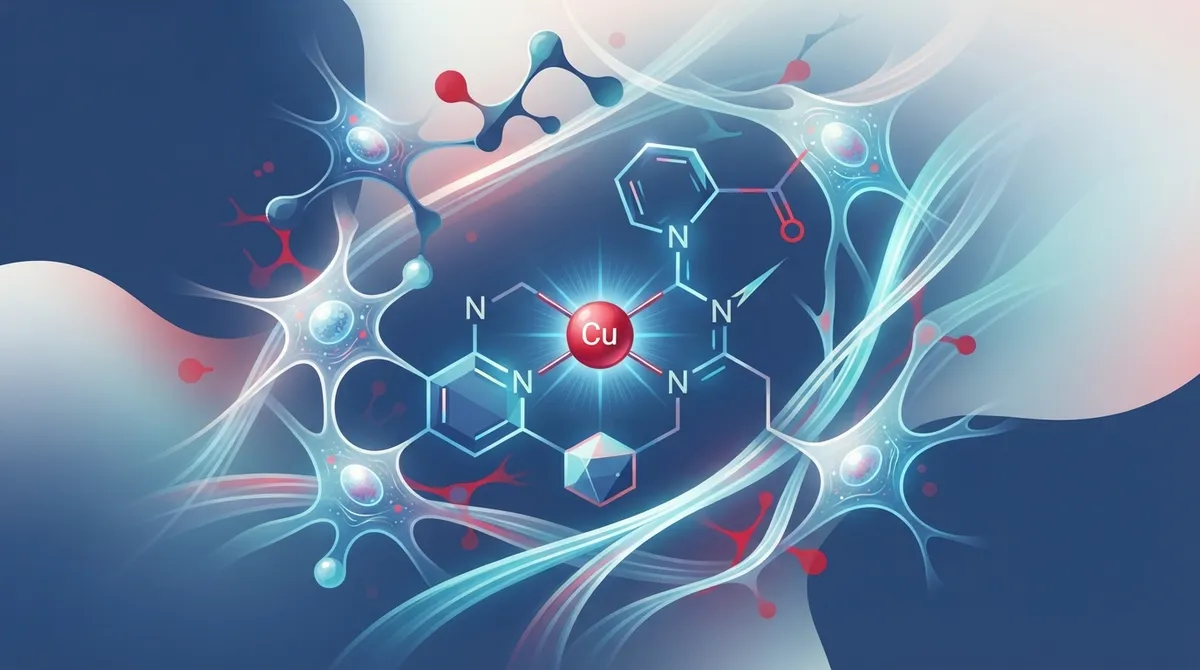
What Is GHK-Cu?
GHK-Cu, also called copper tripeptide-1, is a small protein fragment naturally found in the human body. It consists of three amino acids—glycine, histidine, and lysine—bound to a copper ion. This tripeptide occurs in blood plasma, saliva, and urine, and its levels tend to decline as people age.
In wellness and skincare discussions, GHK-Cu is mostly known as a topical ingredient added to serums and creams. It is marketed for improving the appearance of fine lines, boosting skin firmness, and supporting minor skin repair. Some online sources also promote it for wound healing, hair growth, and general "regeneration," though these broader claims go beyond what current medical evidence confirms.
How GHK-Cu Is Thought to Work
Laboratory and animal studies suggest GHK-Cu may play a role in several biological processes. Researchers have proposed that this peptide could support:
- Extracellular-matrix remodeling, which helps maintain skin structure
- Collagen and elastin production, the proteins that keep skin firm
- Angiogenesis, or the formation of small blood vessels
- Antioxidant activity that may help reduce cellular stress
- Modulation of inflammatory signals in tissue
Most of this evidence comes from cell cultures and animal models rather than large human trials. A peer-reviewed review published in 2018 summarized this research extensively, but it remains a narrative review rather than definitive clinical proof.

Is GHK-Cu FDA Approved?
No GHK-Cu product currently holds FDA approval as a prescription drug for wrinkles, wound healing, hair loss, or any systemic condition. Cosmetic products containing copper tripeptide-1 are legal to sell, but by law they cannot claim to diagnose, treat, cure, or prevent disease.
This distinction matters. A face serum with GHK-Cu is regulated as a cosmetic, not a medication. If you see injectable or oral GHK-Cu marketed with bold health claims, that product likely falls outside standard regulatory oversight. Understanding this difference helps you evaluate marketing claims with a critical eye.
Prescription vs. Cosmetic Products
|
Category |
Regulatory Status |
Typical Claims |
Evidence Level |
|---|---|---|---|
|
Topical cosmetic serum |
Cosmetic (FDA cosmetic rules) |
Improves skin appearance |
Limited human cosmetic studies |
|
Injectable GHK-Cu |
Not FDA-approved |
Systemic rejuvenation, hair growth |
Minimal human safety/efficacy data |
|
Oral GHK-Cu supplement |
Not FDA-approved as drug |
Anti-aging, wound support |
Largely unstudied in humans |
|
Compounded formulations |
Variable, uncertain oversight |
Broad regenerative claims |
Limited quality control data |
What Does the Research Actually Show?
Human evidence for GHK-Cu is strongest, though still limited, in topical dermatologic use. A few small cosmetic studies report modest improvements in skin appearance measures. However, study sizes, formulations, and comparison groups vary widely, making it hard to draw firm conclusions.
One example comes from a 12-week split-face cosmetic study involving 67 participants who used a 0.1% topical GHK-Cu serum. Researchers noted contact dermatitis in two participants, roughly 3% of the group. This small sample size and cosmetic design limit how far these results can be applied to broader populations or higher concentrations.
Ongoing Clinical Research
A registered clinical study, listed on ClinicalTrials.gov under identifier NCT07437586, is evaluating a topical GHK-Cu gel for healing small standardized skin wounds in healthy adults. It's worth noting that registering a study does not prove a treatment works—it simply means researchers are testing the hypothesis.
To date, there is no large, definitive Phase III randomized trial confirming the safety and effectiveness of systemic or injectable GHK-Cu in humans. This gap in evidence is important context for anyone considering these products.
Common Uses People Ask About
Patients often bring up several specific applications when discussing GHK-Cu with their care providers. Here are the most frequent questions, ranked by how often they come up in wellness conversations:
- Does GHK-Cu reduce fine lines and wrinkles?
- Can it help heal cuts, scrapes, or surgical wounds faster?
- Will it stimulate hair regrowth on the scalp?
- Does it calm inflammation or redness in the skin?
- Is it safe to combine with other active skincare ingredients?
For each of these, the honest answer is the same: early laboratory signals exist, but robust human clinical proof is still developing. This is why working with a knowledgeable provider matters before adding any new peptide product to your routine.
Safety Considerations for Topical and Systemic Use
Topical GHK-Cu products can cause skin reactions in some users. Reported side effects include:
- Redness or irritation at the application site
- Stinging or burning sensation, especially with higher concentrations
- Itching or mild allergic contact dermatitis
- Dryness or flaking in sensitive skin types
Much of this irritation may come from the overall product formulation, not the peptide alone. Preservatives, fragrances, and other active ingredients can also trigger reactions. That's why patch testing any new serum is a smart first step.
Injectable or oral GHK-Cu products carry far less established safety data. Concerns include sterility issues, inconsistent dosing, contamination risks, and unclear regulatory oversight for compounded versions. Anyone considering these routes should discuss the risks thoroughly with a licensed physician first.
Steps to Take Before Trying GHK-Cu Products
If you're curious about adding a copper peptide product to your wellness routine, consider these steps:
- Talk to your primary care provider about your skin goals and overall health history
- Ask whether any current medications or skin conditions could interact with the product
- Choose reputable, third-party-tested cosmetic brands rather than unregulated online sellers
- Start with a patch test on a small area of skin for 48 hours
- Monitor for irritation and discontinue use if redness or discomfort develops
- Avoid injectable or oral versions unless supervised by a qualified medical professional
GHK-Cu vs. Copper Supplementation
It's important not to confuse GHK-Cu with standard copper supplements. GHK-Cu is a copper-binding peptide used mainly in skincare, not a treatment for nutritional copper deficiency. If you suspect a mineral deficiency, that requires a different type of evaluation, often involving bloodwork and dietary assessment through your primary care doctor.
This distinction is a common source of confusion. Patients sometimes assume that using a GHK-Cu cream will address systemic copper levels, but topical peptides and oral mineral supplements work in completely different ways within the body.
How InCare Approaches Wellness Trends Like GHK-Cu
At InCare, our approach to emerging wellness ingredients is grounded in evidence and personalized care. Rather than jumping on every trend, our team helps patients across Tampa and Riverview understand what the science supports and what remains unproven. Whether you're interested in skin health, DNA gene testing, or weight loss programs, we prioritize realistic expectations over marketing hype.
Our clinics also offer complementary services that support whole-body wellness, including IV hydration and vitamin drips and body composition analysis. These tools give patients a clearer, data-driven picture of their health rather than relying on unverified claims about any single ingredient.
Questions to Ask Your Provider
Before starting any new peptide or skincare regimen, bring these questions to your next appointment:
- Is this product appropriate for my skin type and medical history?
- Are there any known interactions with medications I currently take?
- What realistic results should I expect, and over what timeframe?
- Should I be concerned about the source or quality of this product?
A thorough annual wellness visit is a great opportunity to discuss these questions alongside your broader health goals.
Weighing the Evidence: A Balanced View
So, what is GHK-Cu in practical terms? It's a naturally occurring peptide with interesting laboratory findings and a growing presence in cosmetic skincare. It is not a miracle anti-aging solution, nor is it an approved medical treatment for wounds, hair loss, or systemic rejuvenation.
The most responsible approach is to view topical GHK-Cu as one possible addition to a skincare routine, not a replacement for proven medical care. If you're dealing with a real wound, significant hair loss, or skin concerns that affect your quality of life, a conversation with a licensed physician is the safer, more effective path forward.
Many patients also follow wellness brands on social platforms to stay updated on new research and product safety information. You can find helpful updates from InCare on Facebook, Instagram, and TikTok, where our team shares practical, evidence-based wellness content.
Take the Next Step Toward Informed Wellness Care
Understanding what is ghk cu is just one piece of building a smarter approach to skin health and overall wellness. Instead of relying on unverified online claims, InCare's team in Tampa and Riverview offers evidence-based guidance tailored to your unique needs. Our patients consistently share positive experiences, and you can visit us on Google — InCare to read real reviews from the community we serve.
Ready to talk with a provider about skincare trends, wellness optimization, or a comprehensive health checkup? Book your appointment today and get answers grounded in real medical evidence, not marketing hype. You can also reach out to our team with any questions before your visit.
FAQs
Q: What does GHK-Cu do for the skin?
A: GHK-Cu is a copper-binding peptide studied for its potential role in supporting collagen production, skin firmness, and minor tissue repair. Most evidence comes from laboratory and small cosmetic studies rather than large clinical trials, so results can vary between products and individuals.
Q: Is GHK-Cu FDA approved?
A: No, there is no FDA-approved GHK-Cu prescription drug for wrinkles, wound healing, hair loss, or anti-aging. Cosmetic products containing copper tripeptide-1 are legal to sell but cannot legally claim to treat or cure any disease.
Q: Is topical GHK-Cu safe to use on the face?
A: Topical GHK-Cu is generally considered low risk for most users, though some people experience irritation, redness, or contact dermatitis. Patch testing before full use and consulting a provider about your skin type is always a smart precaution.
Q: Can GHK-Cu help wounds heal faster?
A: Animal and laboratory studies suggest GHK-Cu may support wound healing processes, and a registered clinical trial is currently evaluating this for minor skin wounds. However, there is no large-scale human evidence confirming it speeds healing beyond standard wound care.
Q: How is GHK-Cu different from copper supplements?
A: GHK-Cu is a copper-binding peptide primarily used in topical skincare, while copper supplements address nutritional mineral deficiencies through diet or oral intake. The two are not interchangeable, and using GHK-Cu cream will not correct a systemic copper deficiency.