Key Takeaways
- Topical GHK-Cu has moderate clinical evidence supporting skin benefits with a strong safety record (adverse events below 1.8%), but injectable forms lack completed human trials and carry higher risks from compounding quality concerns.
- Marketing claims for GHK-Cu often outpace scientific evidence; verify whether studies used topical or injectable forms and seek peer-reviewed sources before investing in products.
- GHK-Cu shows promise for wound healing and collagen support, but evidence remains weaker than established alternatives like retinoids or vitamin C with decades of clinical backing.
Copper peptide serums promise firmer skin and faster healing, but does the science back up the marketing? GHK-Cu research has grown quickly over the past decade, yet many wellness claims outpace what studies actually prove. If you are weighing GHK-Cu against other skin health options, understanding the real evidence matters more than trendy language on a product label.
This article breaks down what GHK-Cu research actually shows versus what remains unproven. We compare topical use to injectable formulas, review safety data, and explain where the science is strong and where it is thin. Whether you are a wellness-focused professional or simply curious about this copper-binding peptide, you deserve facts before you invest in any treatment. At InCare, our primary care team believes informed decisions lead to better outcomes.
What Is GHK-Cu and Why Is It Studied?
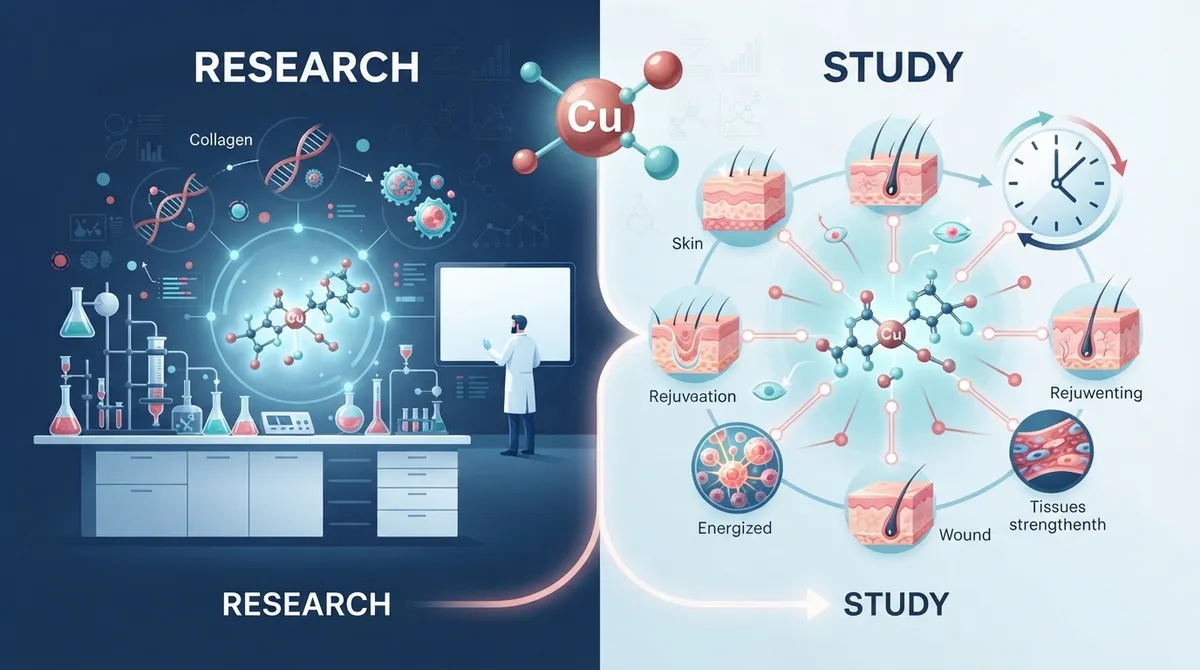
GHK-Cu is a small protein called a tripeptide, joined with copper. Your body makes this compound naturally, but levels drop as you age. Researchers first noticed it decades ago while studying blood plasma, and interest has grown ever since.
Scientists study GHK-Cu because it appears to help skin cells repair themselves. It may also support collagen production and calm inflammation. These actions make it appealing for anti-aging and wound care research.
The Basic Science Behind GHK-Cu
GHK-Cu works by binding to copper ions in the body. This pairing seems to activate certain genes tied to tissue repair. Early lab studies found it could influence over 4,000 human genes, according to research summarized in the National Institutes of Health database.
These gene changes are linked to antioxidant activity, wound healing, and reduced inflammation. However, most of this evidence comes from cell cultures and animal models, not large human trials.
GHK-Cu Research: Topical vs. Injectable Use
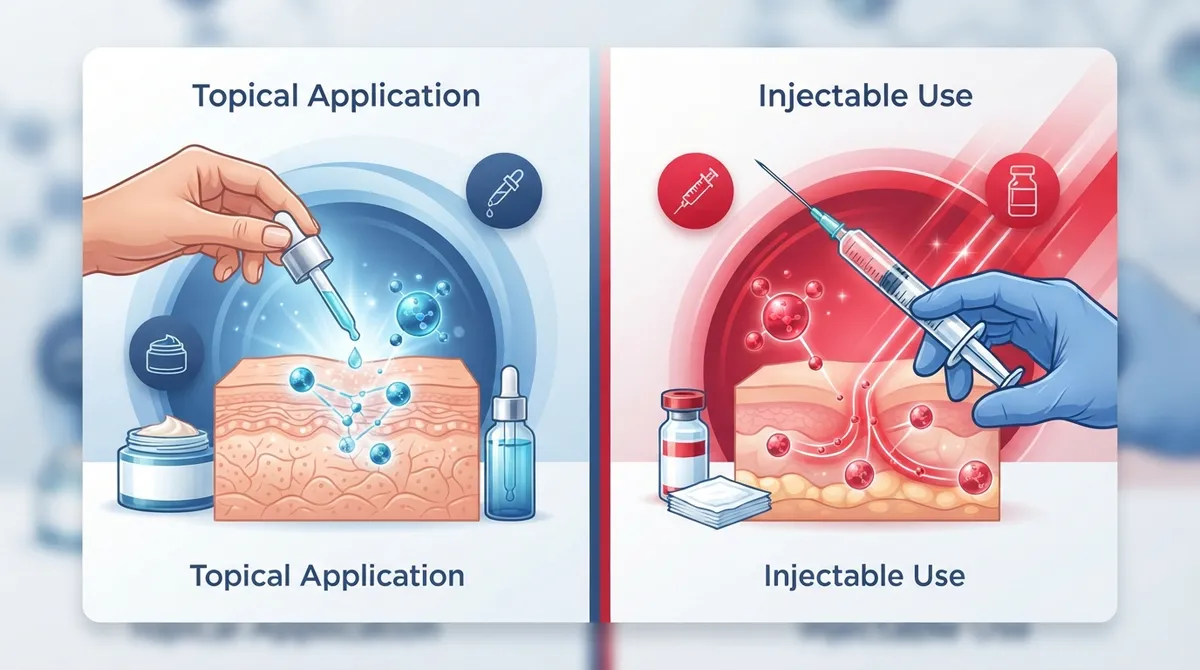
One of the biggest points of confusion involves how GHK-Cu is used. Topical creams and serums have far more research support than injectable versions. Here is a clear comparison of what the evidence shows for each method.
|
Factor |
Topical GHK-Cu |
Injectable GHK-Cu |
|---|---|---|
|
Human Clinical Trials |
Multiple studies, including wound healing trials |
No completed human clinical trials as of 2025-2026 |
|
Safety Data |
Generally well tolerated in studies |
Limited data; compounding raises quality concerns |
|
Common Use |
Skin serums, anti-aging products |
Experimental, not clinically validated |
|
Regulatory Status |
Available in cosmetic formulations |
Not FDA-approved for this use |
|
Research Volume |
Moderate, growing steadily |
Minimal, mostly preclinical |
This distinction matters a great deal. Many wellness marketers blur the line between topical and injectable products. Patients should always ask which form a study used before trusting a claim.
What Does the Research Say About Skin Health?
Skin health is where GHK-Cu has the most supporting research. Several studies point to real benefits for collagen support and wound recovery, though the evidence is still developing.
Key Findings From Skin Studies
- A 2020 review in NIH-hosted literature noted GHK-Cu's role in skin remodeling and regeneration.
- A 2018 review described multiple actions, including anti-inflammatory and DNA repair effects.
- A topical wound-healing study was posted on ClinicalTrials.gov in 2026, showing ongoing research interest.
- One secondary review reported adverse event rates below 1.8% across 47 clinical trials of topical GHK-Cu.
- Preclinical models suggest GHK-Cu may reduce oxidative stress in skin cells.
These findings are encouraging, but they should be read with care. Secondary reviews summarizing multiple studies can sometimes overstate consistency across different trial designs.
Wound Healing Applications
Wound care is a growing area of GHK-Cu research. A study listed on ClinicalTrials.gov is currently examining topical GHK-Cu gel for acute skin wounds. This shows researchers still see value in exploring its regenerative properties.
Preclinical data also supports this direction. Animal studies have shown faster wound closure and improved tissue quality with GHK-Cu application. Human confirmation, however, remains limited compared to other wound care treatments.
Is GHK-Cu Safe? A Closer Look at Safety Data
Safety is one of the most common questions patients ask. The answer depends heavily on how the peptide is used.
- Topical GHK-Cu has a strong safety record in cosmetic studies.
- Most reported side effects from topical use are mild, such as slight redness or irritation.
- Injectable and compounded GHK-Cu products lack the same safety oversight.
- Impurities and inconsistent dosing are real concerns with compounded injectables.
- No large-scale human trials confirm long-term safety for systemic use.
If you are considering any peptide-based treatment, always discuss it with a licensed provider first. A qualified healthcare provider can help you weigh the risks against the potential benefits based on your health history.
GHK-Cu vs. Other Anti-Aging Ingredients: How Does It Compare?
Patients often compare GHK-Cu to other well-known skin ingredients. Understanding these differences helps set realistic expectations.
|
Ingredient |
Primary Action |
Human Evidence Strength |
|---|---|---|
|
GHK-Cu |
Tissue repair, collagen support, anti-inflammatory |
Moderate for topical use; weak for injectable use |
|
Retinoids |
Cell turnover, collagen stimulation |
Strong, decades of clinical data |
|
Vitamin C Serums |
Antioxidant, brightening |
Strong, well-documented |
|
Peptide Blends (general) |
Varies by formula |
Varies widely by product |
GHK-Cu shows promise, but it does not yet have the depth of clinical backing that retinoids or vitamin C have built over many years. This does not mean it lacks value. It simply means patients should treat it as an emerging option rather than a proven standard.
Common Questions Patients Ask About GHK-Cu Research
Understanding the research helps you make smarter choices about your wellness routine. Here are the most pressing questions patients bring to their annual wellness visits.
Does GHK-Cu Actually Work for Anti-Aging?
The evidence leans positive for topical use, particularly for supporting collagen and reducing visible signs of skin aging. However, claims should stay modest until more human trials confirm long-term results.
How Strong Is the Clinical Trial Record?
The clinical trial record is stronger for topical formulations than for any other delivery method. Injectable and intranasal versions currently lack completed human trials, based on data available through 2025 and 2026.
Steps to Evaluate GHK-Cu Claims Before Trying a Product
Before adding any GHK-Cu product to your routine, take these steps to protect your health and your wallet.
- Check whether the study cited used topical or injectable GHK-Cu.
- Look for peer-reviewed sources rather than marketing summaries alone.
- Ask your provider about known interactions with other treatments.
- Confirm the product is manufactured under proper quality standards.
- Avoid compounded injectable versions without medical supervision.
- Start with topical products, since they carry more consistent safety data.
- Monitor your skin for irritation during the first few weeks of use.
Following these steps helps you separate solid research from wellness trends that overpromise results.
Where GHK-Cu Fits Into a Whole-Body Wellness Plan
Skin health rarely exists in isolation. Nutrition, hydration, hormone balance, and sleep all affect how your skin looks and heals. This is why GHK-Cu research should be viewed as one small piece of a larger wellness picture.
At InCare, our approach to wellness combines proven primary care with advanced tools like DNA gene testing and body composition analysis. These services help identify what your body actually needs before adding new treatments. Patients interested in skin support may also benefit from IV hydration and vitamin drips, which support hydration and nutrient levels from the inside out.
For patients exploring hair and skin renewal options together, our hair restoration services use evidence-based methods backed by clinical research. Combining these services with routine cancer screenings and preventive checkups builds a stronger, more complete wellness strategy.
Why Working With a Trusted Provider Matters
Peptide research changes quickly. What seems promising today may look different once more human trials are complete. This is why working with a knowledgeable provider matters so much.
Our physicians, including Dr. Pramjeet Ahluwalia and Dr. Naveen Paddu, stay current on emerging wellness research. This helps ensure patients get advice grounded in real evidence, not just trending claims. You can read what real patients say by visiting our Visit us on Google — InCare profile, where our Tampa and Riverview locations maintain a strong reputation for quality care.
InCare also shares educational updates on Facebook, Instagram, and TikTok, helping patients stay informed between visits.
Key Takeaways From Current GHK-Cu Research
Here is a quick summary of what the science currently supports and what remains uncertain.
- Topical GHK-Cu has the strongest and most consistent human research.
- Injectable and intranasal forms lack completed human clinical trials.
- Preclinical studies show promising anti-inflammatory and repair-related effects.
- A 2025 mouse study suggested benefits for gut inflammation, but this is not human evidence.
- Safety concerns are higher for compounded injectable products than topical creams.
- Marketing claims often outpace what current research can confirm.
Staying informed protects you from overpaying for treatments that are not yet proven. It also helps you have better conversations with your healthcare provider about realistic expectations.
Conclusion: Make Informed Wellness Decisions
GHK-Cu research shows real promise, especially for topical skin applications and wound healing support. But injectable and systemic uses remain largely unproven in human studies. The gap between marketing language and scientific evidence is still wide, so caution and good information are your best tools.
If you want personalized guidance on skin health, wellness treatments, or preventive care, our team at InCare is ready to help. We serve patients across Tampa and Riverview with services built on current research and clinical expertise. Reach out to our team today to discuss your wellness goals, or book your appointment now to get started on a plan that fits your health needs.
FAQs
Q: What is GHK-Cu and how does it work?
A: GHK-Cu is a naturally occurring tripeptide bound to copper that plays a role in tissue repair and skin regeneration. It appears to activate genes tied to collagen production and antioxidant activity, though most detailed mechanisms come from lab and animal research rather than large human trials.
Q: Is GHK-Cu safe for topical use?
A: Topical GHK-Cu has a strong safety record, with one review reporting adverse event rates below 1.8% across 47 clinical trials. Most side effects are mild, such as minor skin irritation, but you should always patch test new products and consult a provider if you have sensitive skin.
Q: Are there human clinical trials on GHK-Cu?
A: Yes, but mainly for topical and cosmetic use. As of 2025-2026, no completed human clinical trials exist for injectable or intranasal GHK-Cu, so those forms remain largely experimental despite growing interest.
Q: Does GHK-Cu help with wound healing?
A: Preclinical and some human research suggest GHK-Cu may support wound healing through anti-inflammatory and regenerative actions. A topical wound-healing study listed on ClinicalTrials.gov in 2026 reflects continued scientific interest in this application.
Q: How strong is the evidence for GHK-Cu in anti-aging treatments?
A: The evidence is moderate for topical anti-aging use, with several studies supporting collagen and skin remodeling benefits. However, it does not yet match the decades of clinical data behind ingredients like retinoids, so claims should be viewed as promising but still developing.