Key Takeaways
- Inhaled glutathione can cause serious airway narrowing, with one study showing a 19% drop in lung function and 61% increase in airway resistance in asthma patients—making medical supervision essential.
- Current evidence does not support glutathione as a proven treatment for asthma, COPD, or other lung diseases; it should never replace prescribed inhalers, vaccinations, or standard respiratory care.
- People with asthma or sulfite sensitivity face extra danger from glutathione preparations, as some contain sulfite preservatives that trigger airway tightening and asthma symptoms.
- N-acetylcysteine (NAC), not glutathione, has more established research showing a 23% reduction in COPD exacerbations; the two compounds are related but not interchangeable.
- Before trying any glutathione supplement, consult your primary care provider about your full medical history, current medications, asthma severity, and known sensitivities to ensure safe use.
- IV glutathione requires careful medical oversight to verify formulation quality, sterility, dosing, and potential interactions with medications or existing liver or kidney disease.
Many wellness seekers in Tampa and Riverview have heard that glutathione can support respiratory health. This antioxidant gets a lot of buzz on social media and in wellness circles. But before you try it for your lungs, you need the real facts.
Glutathione is a natural antioxidant found throughout your body, including your airways. Research shows it plays a role in lung health, especially in conditions like COPD and asthma. However, the science is still developing. Some people make costly mistakes when using glutathione for breathing problems, from choosing the wrong form to skipping medical guidance entirely.
This guide walks through seven common mistakes people make with glutathione for respiratory health. You will learn what the research actually says, when caution matters most, and how a trusted primary care team can help you make safer choices. Whether you have asthma, COPD, or just want to breathe easier, understanding these pitfalls can protect your health.
What Is Glutathione and Why Does It Matter for Breathing?
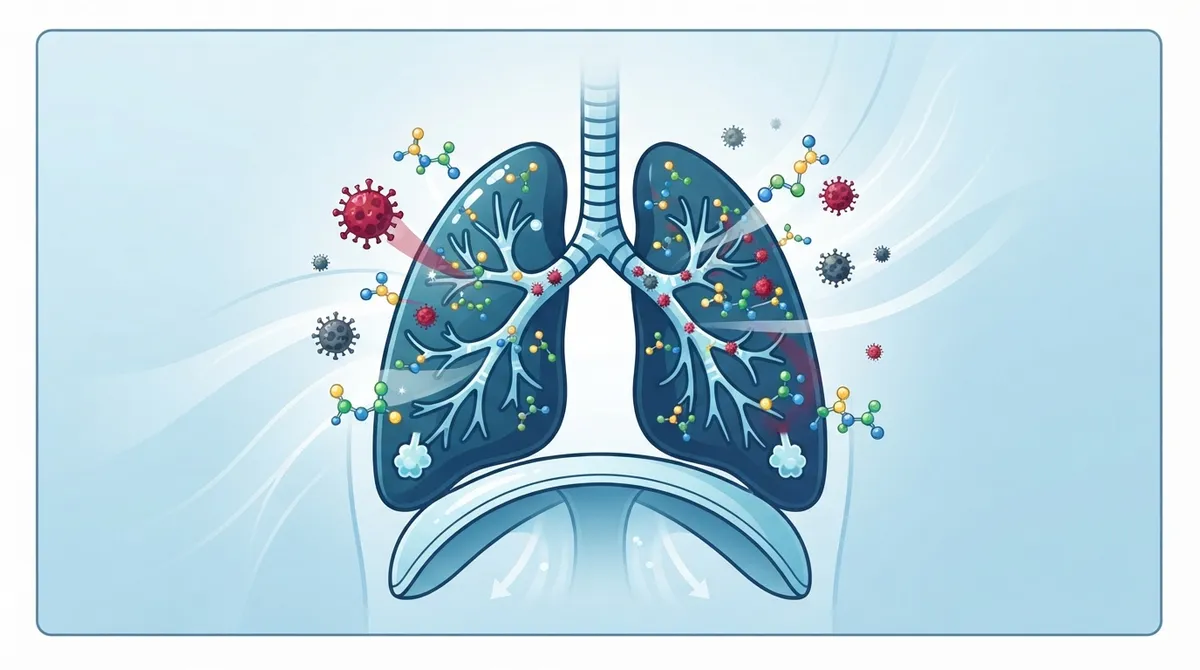
Glutathione (GSH) is an antioxidant your body makes naturally. It helps balance oxidative stress in your cells. Your lungs contain glutathione in the fluid that lines your airways.
This fluid protects lung tissue from damage caused by smoking, pollution, and infections. When oxidative stress rises, glutathione levels can drop. This has led researchers to study whether adding more glutathione could help people with lung diseases.
Studies have found lower glutathione levels in people with certain respiratory conditions. A 2020 review found blood levels of reduced glutathione were significantly lower in people with COPD compared to healthy people. This does not prove that taking glutathione supplements fixes the problem. It only shows a link worth studying further.

Mistake 1: Assuming Glutathione Cures or Prevents Lung Disease
The biggest mistake people make is thinking glutathione is a proven treatment for asthma, COPD, or other lung conditions. It is not. Current evidence does not support this claim.
Oral glutathione may lower some markers of oxidative stress in the body. But no strong evidence shows it prevents asthma attacks, COPD flare-ups, or lung function decline. Treating it as a cure could delay you from getting care that actually works.
- Glutathione has not been proven to stop respiratory infections
- It is not a replacement for prescribed inhalers or medications
- No major health organization lists it as standard lung disease treatment
- Blood test results showing low glutathione do not mean supplements will help
If you are managing a chronic lung condition, your COPD treatment plan should come from your doctor, not internet claims.
Mistake 2: Using Nebulized or Inhaled Glutathione Without Medical Supervision
Inhaled glutathione sounds appealing because it goes directly to the lungs. But this method carries real risks that many people overlook.
Research on nebulized glutathione shows mixed and sometimes concerning results. A Cochrane review in cystic fibrosis patients found short-term improvement in lung function at three months. But this benefit was not consistent at six months. A separate six-month trial found no meaningful improvement in lung function or symptoms at all.
More worrying, inhaled glutathione can trigger side effects, including:
- Coughing fits during or after use
- Unpleasant taste or smell that some people cannot tolerate
- Airway irritation that worsens breathing temporarily
- Bronchoconstriction, or tightening of the airways
A small study on asthma patients found nebulized glutathione caused significant airway narrowing. Lung function dropped by about 19 percent, and airway resistance rose by 61 percent. This is a serious risk for anyone with asthma or sulfite sensitivity.
Mistake 3: Ignoring Asthma and Sulfite Sensitivity Risks
If you have asthma, self-administering inhaled glutathione without medical advice is risky. Your airways may already be reactive and sensitive to irritants.
People with sulfite sensitivity face extra danger. Some glutathione preparations contain sulfites as preservatives. These compounds are known to trigger asthma symptoms in sensitive individuals.
Before trying any inhaled or nebulized product, talk with your provider about your asthma severity and any known sensitivities. A spirometry test at a primary care clinic can help assess your current lung function first.
Mistake 4: Confusing Glutathione With N-Acetylcysteine (NAC)
Many people mix up glutathione and N-acetylcysteine, or NAC. These are related but different compounds. NAC is a building block your body uses to make glutathione, but it is not the same substance.
|
Feature |
Glutathione |
N-Acetylcysteine (NAC) |
|---|---|---|
|
Function |
Direct antioxidant |
Precursor that helps build glutathione |
|
Oral absorption |
Limited and inconsistent |
Better studied and more established |
|
COPD research |
Limited, mixed results |
Some trials show fewer symptoms and exacerbations |
|
Common form |
Oral, IV, inhaled |
Oral tablets, effervescent |
Older studies on NAC at doses of 400 to 600 mg found fewer respiratory symptoms in people with COPD. A meta-analysis reported a 23 percent drop in exacerbations over six months. This is NAC research, not proof that glutathione itself works the same way. Do not assume the two are interchangeable.
Mistake 5: Trying IV Glutathione Without Reviewing Your Full Health History
Intravenous glutathione has become popular in wellness settings. It may seem like a quick way to boost antioxidant levels. But IV therapy requires careful medical oversight.
Formulation quality, sterility, and correct dosing all matter. Compounded products vary widely in purity and strength. Before considering IV glutathione, a qualified provider should review:
- Your current medications and possible interactions
- Any history of liver or kidney disease
- Pregnancy status, since safety data is limited
- The severity of your asthma or other respiratory conditions
- Your actual reason for wanting glutathione therapy
At InCare, our IV hydration and vitamin drip services are administered under medical supervision in Tampa and Riverview. This ensures your treatment plan fits your specific health needs, not a one-size-fits-all approach.
Mistake 6: Skipping Proven Respiratory Care in Favor of Supplements
Some people stop or delay standard respiratory treatments because they are focused on glutathione instead. This is a serious mistake that can worsen your health.
Evidence-based respiratory care includes several proven strategies. These have decades of research behind them, unlike glutathione supplementation for lung disease.
- Quitting smoking, which is the single most effective step for lung health
- Getting recommended vaccinations, including flu and pneumonia shots
- Using prescribed inhalers exactly as directed by your doctor
- Attending pulmonary rehabilitation if recommended for COPD
- Controlling allergens in your home and workplace
- Seeking prompt care when breathlessness suddenly worsens
Glutathione should never replace these treatments. If anything, it might be considered an add-on therapy, and only under a doctor's guidance. Our experienced providers can help you build a respiratory care plan grounded in solid evidence.
Mistake 7: Using Glutathione for COVID-19 or Serious Infections Without Guidance
During respiratory illness, some people turn to glutathione hoping it will speed recovery. The evidence here is limited and preliminary.
One small 2022 study looked at glutathione as an add-on treatment for COVID-19 pneumonia. It found a 37 percent reduction in the risk of staying hospitalized. This sounds promising, but a single small study does not establish glutathione as standard treatment. Larger, well-designed trials are needed to confirm this finding.
If you develop symptoms of a respiratory infection, do not rely on supplements alone. Visit urgent care for proper evaluation and treatment, especially if you experience shortness of breath, chest pain, or a high fever.
How to Approach Glutathione Safely for Respiratory Wellness
If you are still interested in glutathione as part of your wellness routine, take a careful, informed approach. Here is a simple checklist to follow:
|
Step |
What to Do |
|---|---|
|
1 |
Schedule a consultation with a primary care provider before starting |
|
2 |
Disclose your full medical history, including asthma and allergies |
|
3 |
Ask about drug interactions with current medications |
|
4 |
Choose oral or IV forms over inhaled options unless supervised |
|
5 |
Continue all prescribed respiratory treatments without interruption |
|
6 |
Monitor for side effects and report them immediately |
This approach keeps you safe while allowing you to explore wellness options responsibly. Our team frequently discusses these considerations with patients pursuing wellness clinic services at InCare.
Why Personalized Primary Care Matters for Respiratory Health
Every person's respiratory system is different. Age, genetics, smoking history, and existing conditions all affect how your lungs respond to treatments and supplements. This is why personalized care beats generic advice found online.
At InCare, we combine advanced technology with medical expertise across our Tampa and Riverview locations. Our providers, including Dr. Pramjeet Ahluwalia and Dr. Naveen Paddu, focus on whole-body optimization rather than quick fixes. We also offer DNA gene testing to help identify personal health predispositions that may affect your respiratory wellness plan.
Patients across Tampa Bay trust InCare for honest, evidence-based guidance. You can see what our patients say by visiting our InCare location on Google reviews, where we maintain a strong reputation for quality care. We also share health tips and updates on Facebook, Instagram, and TikTok for those who want ongoing wellness education.
Signs You Should See a Doctor Before Trying Glutathione
Certain symptoms mean you need medical attention right away, not a supplement trial. Watch for these warning signs:
- Sudden or severe shortness of breath
- Chest tightness or pain that does not go away
- Wheezing that gets worse despite using your inhaler
- A persistent cough lasting more than three weeks
- Blue tint around your lips or fingertips
- Fever combined with breathing difficulty
If you notice any of these signs, do not wait. Reach out through our contact page to schedule an urgent evaluation, or visit one of our locations directly for same-day care.
Moving Forward With Confidence
Glutathione may hold promise for respiratory wellness, but the science is not settled. Avoiding these seven mistakes can protect your health while you explore your options responsibly. The safest path is always through a qualified medical provider who knows your full history.
InCare is proud to serve Tampa and Riverview with comprehensive primary care, urgent care, and wellness services built on solid medical evidence. Our team stays current with the latest research so you do not have to guess. We want every patient to make informed choices about their lung health and overall wellness.
Ready to talk with a provider about your respiratory health goals? Book your appointment today and take the next step toward breathing easier with expert guidance you can trust.
FAQs
Q: Can glutathione improve lung function or breathing?
A: Current evidence is limited and inconsistent. Some studies show short-term improvements in specific conditions like cystic fibrosis, but these benefits often do not last, and glutathione is not proven to improve lung function broadly.
Q: Is glutathione safe for people with asthma or COPD?
A: Inhaled glutathione carries real risks for people with asthma, including possible bronchoconstriction. Anyone with asthma or COPD should consult a primary care provider before trying any form of glutathione supplementation.
Q: What is the difference between glutathione and N-acetylcysteine for lung health?
A: N-acetylcysteine, or NAC, is a precursor your body uses to make glutathione, but it is a different compound with its own research base. NAC has more established evidence for reducing COPD exacerbations than glutathione itself.
Q: Can nebulized glutathione cause bronchospasm?
A: Yes. Small studies have reported significant airway narrowing after nebulized glutathione use, especially in people with asthma or sulfite sensitivity. This makes medical supervision essential before trying inhaled forms.
Q: Should glutathione be used alongside prescribed inhalers and other respiratory treatments?
A: Glutathione should never replace prescribed inhalers, vaccinations, or other standard respiratory treatments. If considered at all, it should only be used as a supplement to proven care under a doctor's guidance.