Key Takeaways
- A sound hormone evaluation starts with symptoms, history, medicines, a relevant exam, and targeted labs, not a prescription or a single lab value.
- Testosterone therapy generally requires both symptoms of low testosterone and consistently low levels on properly timed, often repeated blood tests.
- FDA states compounded bioidentical hormone products are not FDA-approved and have not been shown to be safer or more effective than approved therapies.
- Before committing, ask what testing is used and why, who prescribes and monitors treatment, what alternatives exist, what the risks are, and what costs insurance may cover.
Fatigue, poor sleep, low drive, mood swings, and stubborn weight gain are easy to blame on a busy life. For some adults, though, these signs point to a hormone problem that deserves a closer look. If you are searching for a Riverview, FL hormone clinic in 2026, you will find many options and many promises.
The best choice is not the loudest ad. It is a practice that starts with a careful medical evaluation, explains the risks, and follows you over time. Hormone care works best when it sits inside real primary care, not apart from it.
This guide walks through six things to know before you book. You will learn what a sound evaluation looks like, how menopause and testosterone care differ, and how to tell approved treatments from marketing claims. Whether you are a busy parent, a young professional, or someone focused on prevention, these points will help you ask better questions and choose with confidence.
1. Know Where Hormone Care Is Offered in Riverview
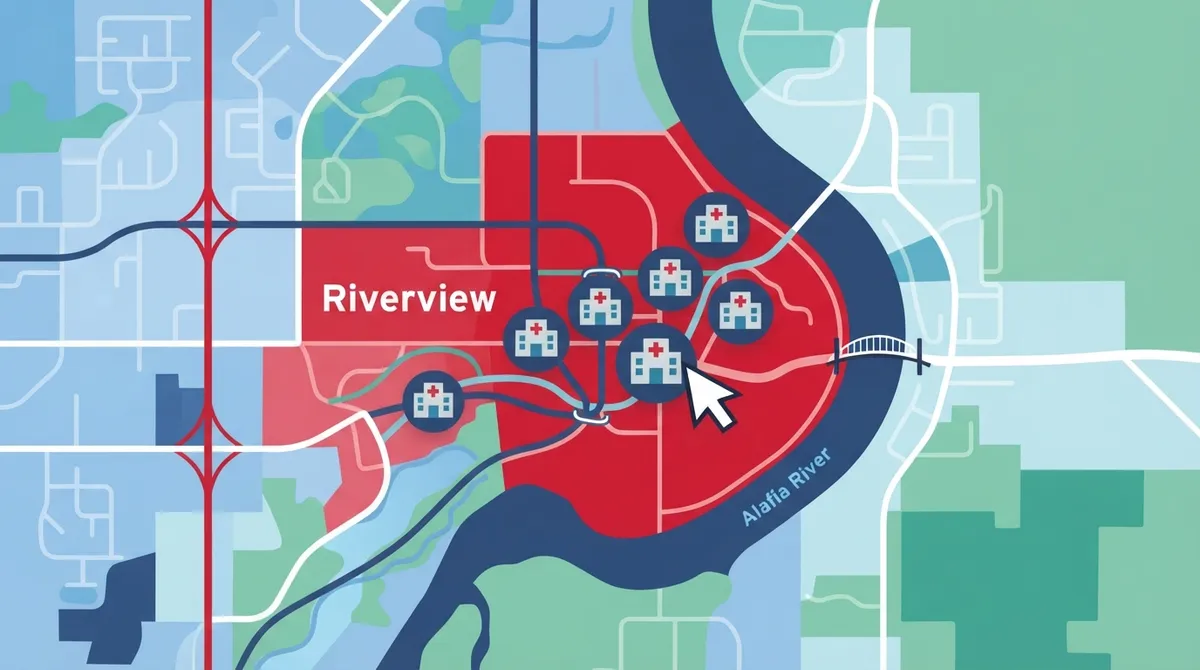
In Riverview, hormone-related care is offered through several types of practices. These include primary care and wellness clinics, family medicine providers, and gynecology offices. Public listings name InCare, Equilibri Health and Wellness, and Women's Care, among others.
Services and clinician credentials can change. Always confirm current offerings, provider qualifications, and appointment availability directly with each practice before you visit.
A primary care setting has one clear advantage. The same team that looks at your hormones also sees your blood pressure, sleep, weight, medicines, and screening history. That wider view helps catch other causes of your symptoms. If you are new to the area, our guide on 11 Ways to Find the Best Primary Care Doctor Riverview FL can help you start.
|
Type of Practice |
Typical Strength |
Best Fit For |
|---|---|---|
|
Primary care and wellness clinic |
Whole-body view, labs, prevention, follow-up |
Adults with mixed symptoms or several health goals |
|
Family medicine office |
Care for all ages in one place |
Families who want one trusted provider |
|
Gynecology office |
Focus on reproductive and menopause health |
Women with gynecologic concerns |

2. Expect a Real Evaluation Before Any Treatment
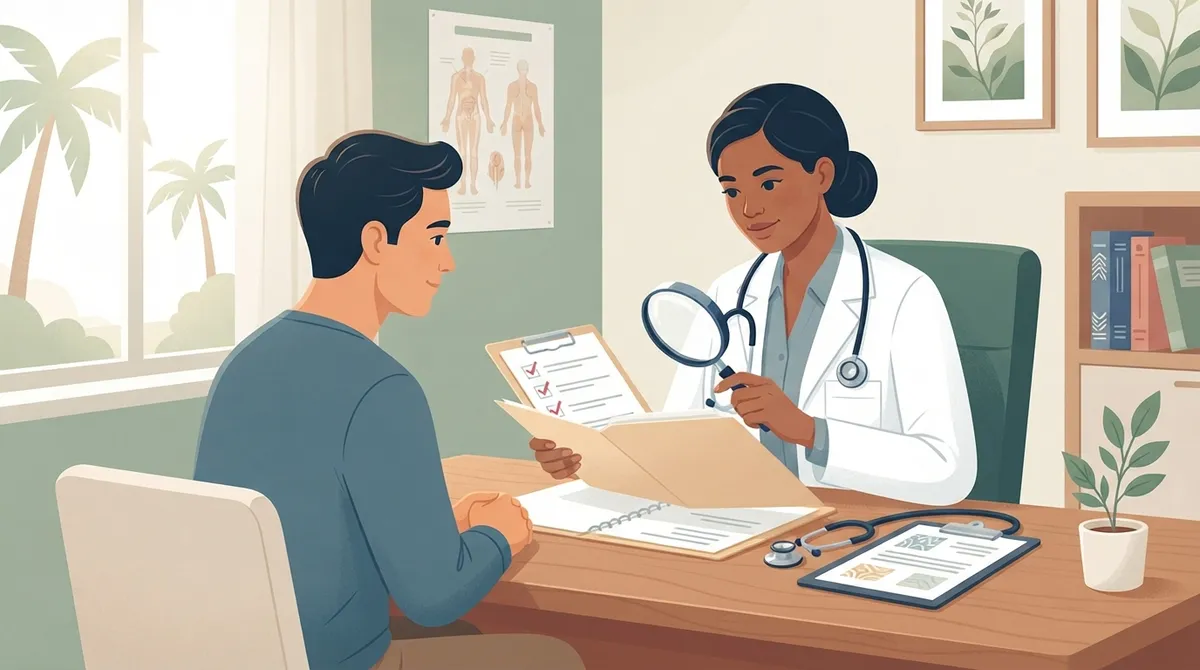
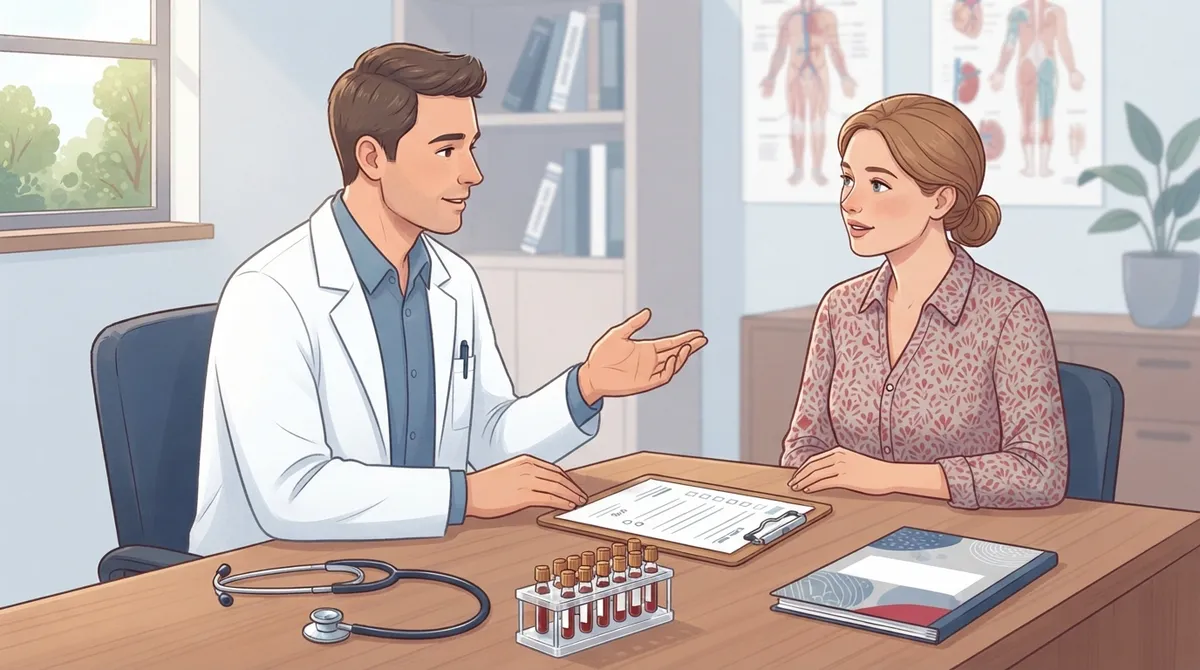
A responsible hormone visit does not begin with a prescription. It begins with questions. Your clinician should review your symptoms, medical history, family history, and current medicines. They should also perform a relevant exam and order appropriate lab tests.
Treatment should rest on the likely cause of your symptoms and your personal health risks. It should not rest on one lab value or a promise to "optimize a number." Fatigue, weight change, and low mood can come from thyroid disease, sleep problems, depression, anemia, diabetes, or stress. A good clinic rules these out first.
Here is what a sound first visit often includes:
- Symptom review: You describe what you feel, when it started, and how it affects daily life.
- History and medicines: Your clinician checks past conditions, family history, and everything you take.
- Physical exam: Findings like blood pressure, weight, and other signs guide next steps.
- Lab testing: Tests are chosen to match your symptoms, not ordered as a generic bundle.
- Shared plan: You discuss options, risks, and how progress will be tracked.
If sleep is part of your story, read How to Know When to See a Doctor for Poor Sleep. Poor sleep and hormone symptoms often overlap.
3. Understand Menopause and Perimenopause Care
Many women search for a hormone clinic because of hot flashes, night sweats, sleep trouble, or vaginal dryness. Menopause care can include several paths. The right one depends on your symptoms, history, and risks.
Options may include:
- FDA-approved systemic hormone therapy, such as pills or patches
- FDA-approved vaginal products for local symptoms
- Nonhormonal medicines for hot flashes
- Lifestyle and symptom-management steps
The FDA's menopause resource explains that hormone therapy is not right for everyone. A clinician should walk you through the benefits and risks before you start. Women who want a primary care partner for this stage may also like our post on weight loss for women in Riverview, since weight and hormones often connect.
4. Learn How Low Testosterone Is Diagnosed
For men, the main question is often low testosterone. Testosterone therapy is generally considered when two things are true. First, you have symptoms that fit low testosterone. Second, blood tests confirm consistently low levels.
Timing matters. Testosterone levels vary through the day, so tests should be properly timed and often repeated. A single low result is not enough to start treatment.
Follow-up matters just as much. Testosterone therapy can affect fertility, red blood cell levels, and prostate-related monitoring. Your clinician should explain these effects and plan regular checks. To learn more about who provides supervised care in this area, see Who Provides Medically Supervised TRT in Tampa Bay? You can also review What Should You Look for in a TRT Clinic in Riverview?
5. Separate FDA-Approved Therapy From Marketing Claims
The word "bioidentical" causes a lot of confusion. It does not automatically mean a product is compounded or unregulated. Some FDA-approved medicines contain hormones that are chemically identical to those your body makes.
Compounded bioidentical products are different. The FDA states that compounded bioidentical hormone products are not FDA-approved. They have not been shown to be safer or more effective than approved therapies. You can read more in the FDA's menopause and hormones questions and answers.
Some clinics also advertise injections or pellet therapy. Whether a treatment is available and suitable for you should always be confirmed with the practice. Be cautious when a clinic promises that hormones will fix fatigue, weight change, or low mood in everyone. Hormone therapy is not right for all patients, and nonspecific symptoms deserve a full workup first.
For a broader look at hormone support, see How to Choose a Men's Hormone Clinic in Riverview, FL.
6. Ask the Right Questions Before You Commit
You do not need medical training to judge a clinic. You only need good questions. Before you choose a Riverview FL hormone clinic, ask the following:
- What testing do you use, and why? The answer should link tests to your symptoms.
- Who prescribes and monitors treatment? You should know the clinician's credentials and role.
- What are the alternatives? A good provider discusses nonhormonal and lifestyle options too.
- What are the risks? Expect a clear, honest conversation, not a sales pitch.
- How often will follow-up happen? Ongoing monitoring is part of safe care.
- What will it cost, and what might insurance cover? Ask about lab fees, visit fees, and medicine costs up front.
Coverage varies by plan and by service. Hormone testing is more likely to be covered when it is medically indicated, but you should confirm with your insurer and the practice. If you are comparing practices, How Do You Find a Family Doctor Accepting New Patients in Riverview? offers practical steps.
Why Primary Care Is a Smart Home for Hormone Health
Hormones do not work alone. Thyroid function, blood sugar, sleep, body weight, stress, and heart health all interact. A primary care and wellness clinic can look at the whole picture and adjust your plan as your health changes.
InCare is a personalized clinic that combines modern technology with medical expertise. With locations in Tampa and Riverview, the team offers primary care, urgent care, cancer screenings, weight loss programs, metabolic breath analysis, body composition analysis, DNA gene testing, and IV hydration. This range means your hormone questions can be handled alongside prevention and whole-body wellness. Patients can see what others say about their experience on Visit us on Google — InCare, where the practice holds a 4.8 rating.
Follow InCare for health updates on Facebook, Instagram, and Tik Tok. For related reading, explore our guide to highly rated primary care in Riverview, FL.
Conclusion: Choose Evidence, Not Hype
The right Riverview FL hormone clinic will start with your story, run the right tests, explain approved options, and stay with you for follow-up. It will not promise a quick fix or push a single product. Use the six points above as your checklist: know where care is offered, expect a real evaluation, understand menopause and testosterone care, separate approved therapy from hype, and ask smart questions.
Ready to talk with a team that treats the whole person? Book your visit with InCare today, or contact our team with any questions. Your health deserves a plan built on evidence and care.
FAQs
Q: Where can I find a hormone clinic in Riverview, FL?
A: Hormone-related care in Riverview is offered through primary care and wellness practices, family medicine providers, and gynecology offices. Public listings include InCare, Equilibri Health and Wellness, and Women's Care. Confirm current services, provider credentials, and availability directly with each practice.
Q: What should I expect at a hormone evaluation in Riverview?
A: A sound evaluation includes a review of your symptoms, medical history, and medicines, along with a relevant exam and appropriate lab tests. Treatment should be based on the likely cause and your health risks, not on a single lab value. Your clinician should discuss options, risks, and follow-up before you start.
Q: How is low testosterone diagnosed before starting TRT?
A: Diagnosis generally requires symptoms that fit low testosterone plus consistently low levels confirmed by properly timed blood tests. Because levels vary during the day, one result is usually not enough. Follow-up monitoring is important because treatment can affect fertility, red blood cell levels, and prostate-related checks.
Q: Are bioidentical hormones FDA-approved or safer than standard therapy?
A: It depends on the product. Some FDA-approved medicines contain hormones chemically identical to those the body makes. The FDA states that compounded bioidentical hormone products are not FDA-approved and have not been shown to be safer or more effective than approved therapies.
Q: What questions should I ask before choosing a hormone clinic?
A: Ask what testing is used and why, who prescribes and monitors treatment, what alternatives exist, and what the risks are. Also ask how often follow-up visits occur and what the costs and insurance coverage may be. A trustworthy clinic answers these clearly and without pressure.