Key Takeaways
- Choose a GLP-1 clinic that begins with a full medical assessment, including history, current medicines, labs when appropriate, and a risk discussion. A prescription without any exam is a red flag.
- Confirm the medicine is FDA-approved and ask whether it is compounded. The FDA has warned about dosing errors and adverse events with some compounded semaglutide and tirzepatide products.
- Ask for a full price breakdown before your first dose, including medicine, visits, labs, and membership fees, and confirm whether your insurance covers the drug for weight management and needs prior authorization.
- Look for ongoing follow-up with scheduled check-ins during dose changes, side-effect management, and a plan for maintaining weight after treatment ends, since weight often returns without support.
If you are searching for a GLP-1 clinic in Riverview, Florida, you are probably weighing a big health decision. GLP-1 medicines have changed how doctors treat obesity and type 2 diabetes. But not every clinic offers the same level of care, and not every medicine on the market is the same product.
A smart choice starts with the right questions. Does the clinic start with a full medical review? Does it use FDA-approved medicines? Does it follow up after the first shot? In 2026, patients in Riverview have more options than ever, which makes careful vetting more important, not less.
This guide gives you six practical checks to use before you book. It covers medicine types, safety, cost, and long-term support. It also explains why a primary care setting, such as InCare's weight loss program, is often the strongest foundation for lasting results. Use it as a checklist, and bring your questions to any clinic you visit.

1. Confirm the Clinic Starts With a Real Medical Assessment
A responsible GLP-1 program begins with a clinician, not a sales pitch. Your request alone does not make you eligible. A licensed provider should review your history, current medicines, and health goals before writing any prescription.
What a Good First Visit Includes
- A full medical and family history, including thyroid, pancreas, and kidney concerns
- A review of every medicine and supplement you take
- Height, weight, blood pressure, and body mass index
- Lab work when it is clinically appropriate
- A clear talk about risks, side effects, and realistic goals
This is where a primary care clinic has a real edge. A doctor who knows your whole health picture can spot problems that a weight-loss-only office might miss. InCare combines primary care with advanced wellness tools, so your GLP-1 plan fits into your broader health care.
If a clinic offers a prescription without any exam, treat that as a red flag. Quality care takes a little time up front, and it protects you later.

2. Understand Which GLP-1 Medicines Are FDA-Approved
Not all products sold as GLP-1 therapy are the same. For chronic weight management, the FDA-approved options include semaglutide (Wegovy) and tirzepatide (Zepbound). Ozempic and Mounjaro contain the same active ingredients, but they are approved for other uses, such as type 2 diabetes. Brand, approved use, and insurance coverage all matter.
Quick Comparison
|
Medicine |
Active Ingredient |
FDA-Approved Use |
|---|---|---|
|
Wegovy |
Semaglutide |
Chronic weight management |
|
Zepbound |
Tirzepatide |
Chronic weight management |
|
Ozempic |
Semaglutide |
Type 2 diabetes |
|
Mounjaro |
Tirzepatide |
Type 2 diabetes |
Ask any clinic exactly which product it prescribes and why. A good provider will explain the choice in plain language. To learn more about how these drugs differ, read our guide on semaglutide vs tirzepatide. You can also review how GLP-1 medicines work and who they help.
3. Ask About Compounded Versus FDA-Approved Products
This is one of the most important checks on the list. Compounded semaglutide and tirzepatide are not FDA-approved versions of the branded medicines. The FDA has warned about risks that include dosing errors and adverse events with some compounded products.
The compounding picture has shifted over time. Reports show that tirzepatide came off the FDA drug-shortage list in December 2024, and semaglutide followed in February 2025. A Stanford article also noted that nearly one in three Americans taking a GLP-1 drug said they got it from a compounding pharmacy at the 2024 peak. That figure reflects a past survey, not a current estimate, and the FDA's shortage status can change, so always verify the latest information.
Questions to Ask Directly
- Is the medicine you prescribe FDA-approved?
- If it is compounded, why was that chosen for my case?
- Which licensed pharmacy supplies it?
- How will my dose be checked and adjusted?
- What happens if I have a reaction?
If you want to avoid common pitfalls, review these compounded semaglutide mistakes to avoid before you commit to any program.
4. Look for Ongoing Follow-Up, Not Just a Prescription
GLP-1 medicines work best as part of a broader plan. A clinic that hands you a pen and sends you home is not giving you full care. Look for regular check-ins that track weight, side effects, appetite, and lab results.
Common side effects include nausea, constipation, diarrhea, and stomach discomfort. These often show up during dose increases. A clinician should help you manage them and know when to pause or change the plan. These medicines also carry important warnings and contraindications, so your provider must review them with you before you start.
Signs of a Strong Follow-Up Plan
- Scheduled visits during dose changes
- Clear steps for reaching the care team between visits
- Nutrition and activity guidance, not just medication
- A plan for what happens after you reach your goal
- Support to protect muscle and keep weight off long term
Many patients find that weight returns when treatment ends without a plan. Our articles on why weight returns after stopping tirzepatide and how to keep weight off for good explain what to plan for.
5. Compare Local Riverview Options Carefully
Riverview has several weight-management options. Local search results point to in-person programs, including Medi-Weightloss on Summerfield Square Drive and a MinuteClinic weight-loss program on U.S. Highway 301 South. One local directory snapshot listed four Riverview clinics offering semaglutide or tirzepatide programs, with four accepting insurance. That count is not independently verified or complete, so treat it as a starting lead only.
Provider-reported results also need context. One Riverview program advertises that over 65% of patients lost weight in the first six weeks. That is a clinic-reported claim, and the source does not share study methods or a comparison group. Use claims like this as a conversation starter, not proof.
How to Verify Any Clinic
- Call and confirm services, hours, and new-patient status
- Ask whether the prescriber is a licensed physician, nurse practitioner, or physician assistant
- Check the clinician's license through the Florida Department of Health
- Confirm insurance acceptance and medicine availability
- Read recent patient reviews from several sources
Directory pages can be outdated, and medicine supply changes often. A short phone call saves time and frustration. For more local guidance, see our list of top rated weight loss clinics in Riverview and our tips on medical weight loss mistakes to avoid in Riverview.
6. Get Clear on Cost and Insurance Before You Start
Cost is a major reason people drop out of GLP-1 care. Ask for a full price breakdown before your first dose. That should cover the medicine, office visits, lab work, and any membership fees.
Cost Questions to Raise
- Does my insurance cover this medicine for weight management?
- Do I need prior authorization, and who handles it?
- What is the monthly cost if I pay out of pocket?
- Are visits and labs billed separately?
- What happens to the price if my dose changes?
Coverage varies by plan, and the same drug may be covered for diabetes but not for weight loss. Your clinic should be honest about this. To plan ahead, read how to budget for tirzepatide costs in 2026 and review semaglutide costs in Tampa and Riverview.
Why a Primary Care Clinic Is a Strong Choice for GLP-1 Care
A GLP-1 medicine is a tool, not a full solution. The best results come when treatment sits inside a bigger health plan. That is the idea behind InCare, a personalized primary care and wellness clinic serving Riverview and Tampa.
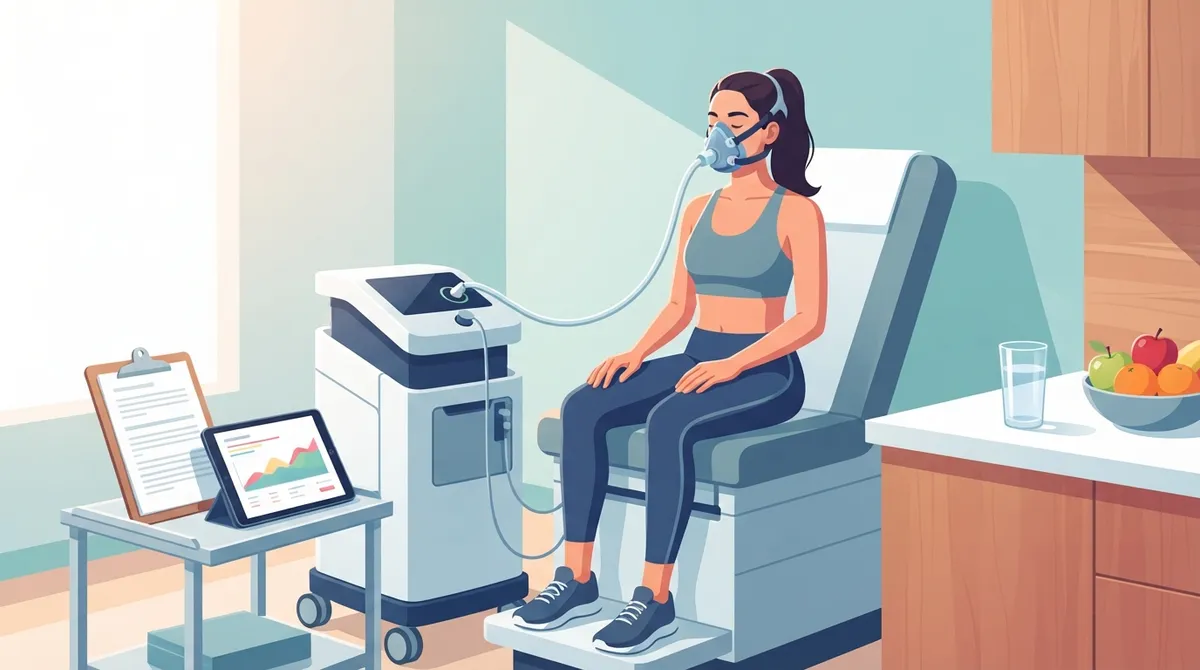
InCare pairs medical expertise with modern technology. Patients can use body composition analysis and metabolic breath analysis to see what is happening inside the body, then build a plan around real data. The same team can also help with chronic conditions, preventive screenings, and urgent needs, so your care stays connected in one place.
Patients also praise the practice for friendly staff and attentive providers. InCare holds a 4.8 out of 5 rating on Google. You can read InCare reviews on Google and see what neighbors in the Riverview area say about their visits.
You can also follow InCare for health tips and updates on Facebook, Instagram, and TikTok.
Conclusion
Choosing a GLP-1 clinic in Riverview comes down to six checks: a real medical assessment, FDA-approved medicine, clear answers on compounding, steady follow-up, careful local comparison, and honest pricing. A clinic that meets all six respects your safety and your time.
If you want weight care built on primary care, personal attention, and advanced testing, InCare is ready to help. Book your appointment today or contact our team with your questions. Your first conversation can help you decide whether a GLP-1 program is right for you.
FAQs
Q: Where can I find a GLP-1 clinic in Riverview, Florida?
A: Riverview has several in-person weight-management options, including primary care clinics like InCare. Because services, hours, and medicine availability change often, call any clinic directly to confirm before you visit.
Q: Who may qualify for Wegovy or Zepbound for weight management?
A: Eligibility depends on an individual clinical assessment that reviews your body mass index, health conditions, and medical history. A licensed clinician must decide whether treatment is appropriate and safe for you.
Q: What is the difference between FDA-approved GLP-1 medicines and compounded versions?
A: FDA-approved products such as Wegovy and Zepbound have gone through federal review for their approved uses. Compounded semaglutide and tirzepatide are not FDA-approved versions, and the FDA has warned about risks like dosing errors, so ask which pharmacy supplies your medicine.
Q: Does insurance cover GLP-1 weight-loss medication in Riverview?
A: Coverage depends on your specific plan and the medicine's approved use. Many plans require prior authorization, so ask your clinic to check your benefits before you start.
Q: What side effects should I discuss with a clinician before starting a GLP-1?
A: Common side effects include nausea, constipation, diarrhea, and stomach discomfort. These medicines also have important warnings and contraindications, so your provider should review your full medical history and current medicines first.