Key Takeaways
- Board certification can be independently verified through ABMS Certification Matters or the certifying board's lookup, so don't rely on website claims like 'experienced' or 'trusted.'
- A Florida medical license and board certification are separate credentials: check the license through Florida Department of Health records and certification through an official lookup.
- Confirm the doctor's certification is current, matches your needs (family medicine for all ages, internal medicine for adults), and that they are accepting new patients with your insurance.
- Establish primary care while you are healthy, and ask how routine and urgent visits and virtual follow-ups are handled before you need care.
Choosing a doctor is one of the most important health decisions you will make. When you search for board certified primary care in Tampa, you want a clinician whose training and credentials can be checked, not just claimed. A good primary care doctor becomes your long-term partner for checkups, new symptoms, and ongoing conditions.
The challenge is that many practices use similar words on their websites. Terms like "experienced" or "trusted" sound nice, but they do not prove anything. Board certification is different because it can be verified through official sources. This guide gives you six clear steps to find, check, and choose the right doctor in 2026. It is written for busy professionals, young families, wellness-minded adults, and first-time patients who want a medical home they can rely on.

What Board Certified Primary Care Really Means
In primary care, board certification usually means a physician has been certified in family medicine or internal medicine by a recognized specialty board. It shows the doctor completed specialty-focused training and passed rigorous exams. It is not the same as a medical license.
The American Board of Medical Specialties (ABMS) explains that physicians seeking certification generally complete medical school, finish an accredited residency, hold an unrestricted license, and pass specialty-board examinations. ABMS also reports that its certification database covers more than one million physicians. Its standards require member boards to assess continuing-certification requirements at intervals no longer than five years.
Board Certification vs. a Florida License
These two credentials do different jobs. A license allows a doctor to practice in Florida. Certification shows specialty-level training and testing. You should check both.
|
Credential |
What It Shows |
Where to Check |
|---|---|---|
|
Florida medical license |
Legal permission to practice in the state, plus license status and discipline records |
Florida Department of Health license records |
|
Board certification |
Specialty training and exam success in family or internal medicine |
ABMS Certification Matters or the certifying board |
Board certification is one useful factor. It does not guarantee a specific outcome. It should be weighed alongside communication style, access, and fit.
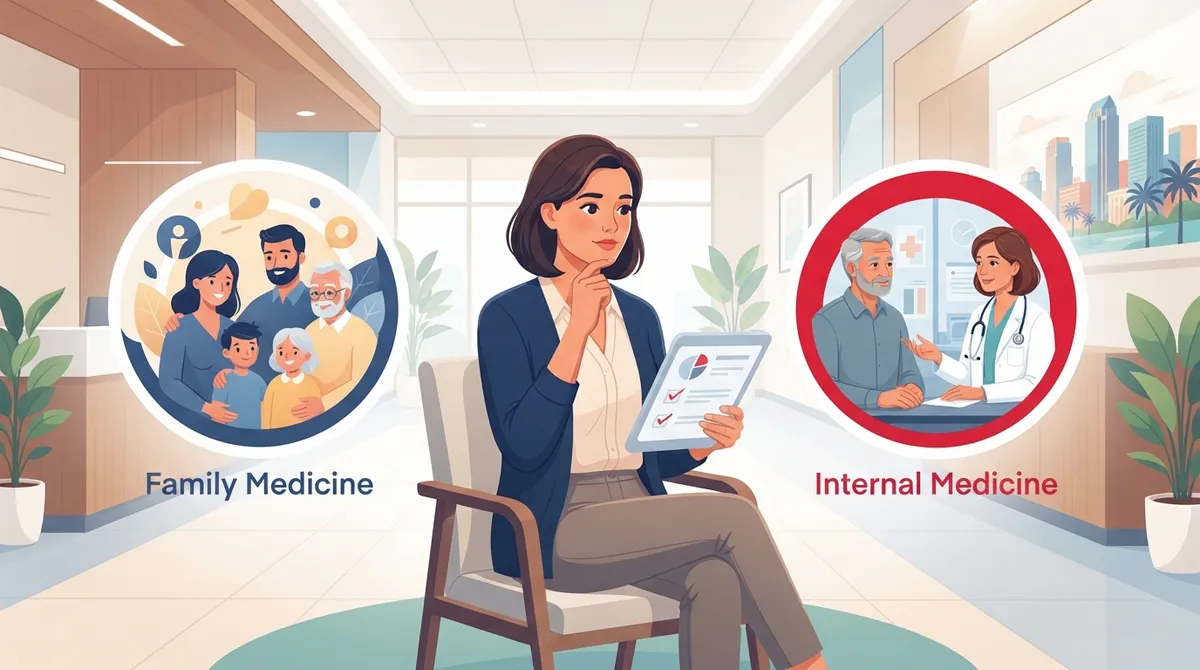
Step 1: Decide Between Family Medicine and Internal Medicine
Your first choice is the type of primary care doctor you need. Both specialties commonly offer preventive care, evaluate new health concerns, and manage chronic conditions. The main difference is the age range they are trained to treat.
- Family medicine: Doctors are trained for broad, ongoing care across all ages. This suits households that want one doctor for parents and children.
- Internal medicine: Doctors focus on adult care. This suits adults who want deep experience with adult conditions.
Individual services vary by clinician, so always confirm what a specific doctor offers. If you want to learn more about how these roles differ, read 9 key roles of an internal medicine physician in primary care or see what a family medicine clinic actually does for you.
Step 2: Verify Board Certification Independently
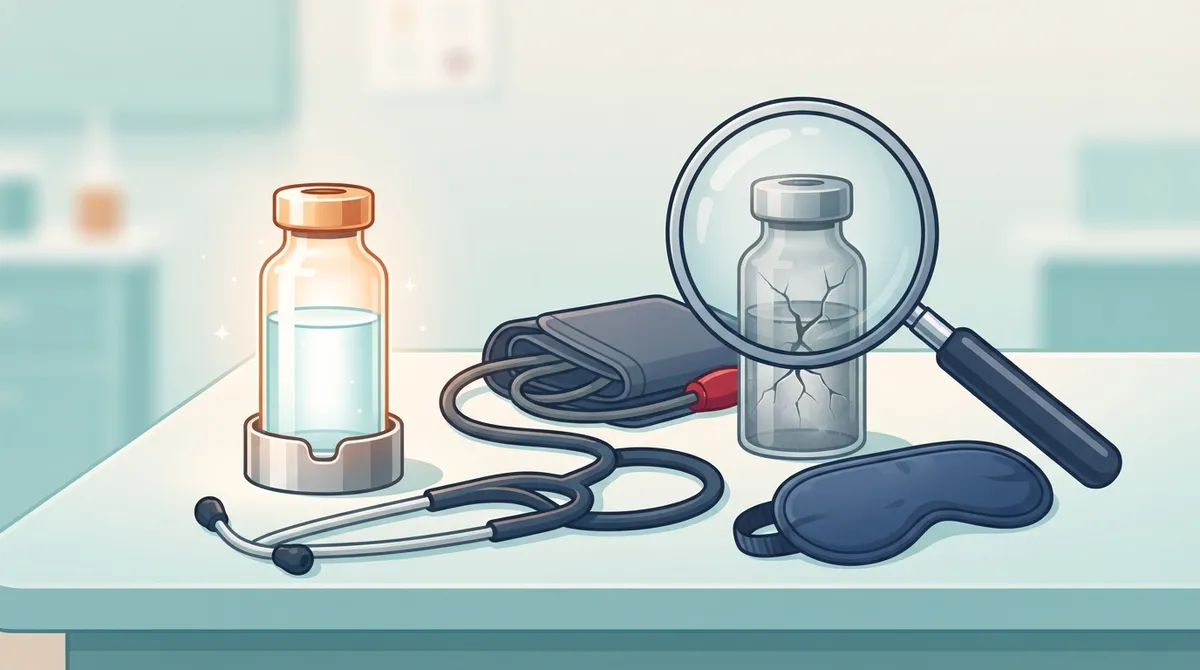
A clinic website is marketing. It is not proof. Always verify the exact name, specialty, and current status of the doctor you plan to see.
- Write down the doctor's full name and specialty from the practice website.
- Use the ABMS Certification Matters tool, or the certifying board's own lookup, to confirm certification.
- Check that the certification is current, not expired or lapsed.
- Match the specialty to what you need, such as family medicine or internal medicine.
This takes only a few minutes and gives you a solid layer of confidence before your first visit. Practices that make their providers easy to identify help with this step. At InCare, you can review the clinic's providers and read about Dr. Naveen Paddu, Dr. Pramjeet Ahluwalia, and Dr. Teshy John before you book, then confirm each doctor's credentials through the official lookups described above.
Step 3: Check the Florida License and Disciplinary History
Certification tells you about specialty training. A license check tells you about legal standing. Use the Florida Department of Health's license records to confirm that the doctor's license is active and to see any disciplinary information.
Think of it as a two-part safety check. Certification confirms expertise. The license record confirms the doctor is in good standing to practice in Florida. Skipping either one leaves a gap in your research.
Step 4: Confirm Insurance, Access, and New Patient Status
Even an excellent doctor is not helpful if you cannot get an appointment or the plan does not cover the visit. Availability, age limits, languages, and accepted insurance differ by office. Ask these questions before you commit:
- Is the clinician accepting new patients right now?
- Which insurance plans are accepted?
- Is the certification in family or internal medicine, and is it current?
- How are routine visits and urgent concerns handled?
- Are virtual visits available for quick follow-ups?
For busy young families and working professionals, access matters as much as credentials. Same-day options and telemedicine can save hours each month. You can learn more in how to find doctors accepting new patients near you and how same-day appointments work.
Step 5: Look for Services That Match Your Health Goals
Primary care in Tampa ranges from basic checkups to comprehensive, prevention-focused programs. Think about what you want from a doctor over the next five years. A strong practice should cover the basics and offer tools that help you act early.
|
Your Priority |
What to Look For |
|---|---|
|
Prevention |
Annual wellness visits, cancer screenings, risk assessments |
|
Chronic conditions |
Ongoing management of blood pressure, diabetes, and cholesterol |
|
Family care |
Care for adults and children, with simple scheduling |
|
Whole-body wellness |
Weight management, metabolic testing, gene testing, IV hydration |
|
Convenience |
Virtual visits, urgent care access, clear online booking |
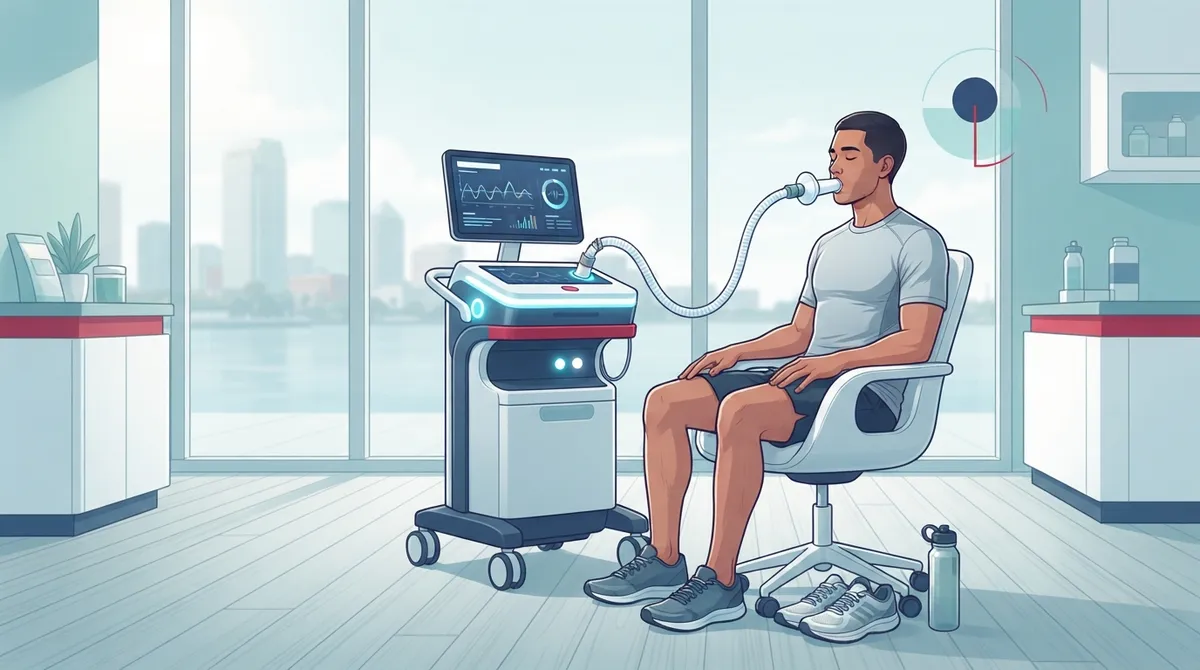
Tech-savvy adults and wellness-focused patients often want more than a quick exam. They look for data, such as metabolic breath analysis, body composition analysis, and DNA gene testing. Women without an established primary care relationship may also want comprehensive wellness visits and cancer screening that go beyond reproductive care. If you are exploring options for managing weight, see the clinic's weight loss program.
Why a Connected Care Model Helps
When your primary care, urgent care, and wellness services live under one roof, your records stay together. Your doctor sees the full picture, from lab results to screenings. That reduces repeated tests and missed details. To understand the difference, read fragmented care vs. coordinated care.
Step 6: Choose a Practice That Fits Your Life
The best doctor on paper still has to work in real life. Consider location, hours, communication style, and how comfortable you feel. A short first visit can tell you a lot. Notice whether the doctor listens, explains clearly, and respects your time.
InCare is a personalized primary care and wellness clinic serving Tampa and Riverview, Florida, with virtual visits also available. The practice combines state-of-the-art technology with medical expertise to deliver primary care, urgent care, and advanced wellness services, with a focus on prevention and whole-body optimization. Patients can find both locations online, and the clinic holds a 4.8 out of 5 rating from 359 reviews on Google. You can see what our InCare patients say on Google to learn about the day-to-day experience.
If you want to compare what to look for, 7 signs you've found the right primary care practice offers a helpful checklist.
Common Mistakes to Avoid
Even careful patients can slip up. Keep these points in mind as you search:
- Trusting marketing alone: A website claim is not independent verification.
- Confusing license and certification: They are separate credentials. Check both.
- Ignoring access: A great doctor with a three-month wait may not fit your needs.
- Skipping insurance checks: Confirm coverage before the first visit.
- Waiting until you are sick: Establish care while you are healthy so you have a doctor ready when you need one.
For more detail on avoiding missteps, review 7 mistakes to avoid when choosing a primary care doctor.
Quick Checklist for Your Search
- Pick family medicine or internal medicine based on who needs care.
- Verify certification through an official lookup.
- Check the Florida license and disciplinary record.
- Confirm insurance, new patient status, and appointment access.
- Match services to your health goals.
- Book a first visit and judge the fit for yourself.
Follow these steps and you will move from a long list of names to a confident choice. Our own social pages also share health tips and clinic updates, including Instagram, Facebook, and TikTok, which can give you a feel for the practice culture.
Take the Next Step Toward Better Care
Finding board certified primary care in Tampa does not have to be confusing. Verify credentials, ask direct questions, and choose a practice that supports your goals for prevention and long-term health. InCare is ready to be that partner, with a team that pairs medical expertise with modern technology and a personal approach. Book your first appointment today, or contact our team with any questions about services, insurance, and availability.
FAQs
Q: How do I find a board-certified primary care doctor in Tampa?
A: Start by choosing between family medicine and internal medicine, then review local practices and provider pages. Verify each doctor's exact name and specialty through an official certification lookup such as ABMS Certification Matters before booking.
Q: What is the difference between a board-certified physician and a licensed physician in Florida?
A: A Florida license authorizes a physician to practice in the state. Board certification shows specialty-specific training and passing of examinations. You should check both, since a marketing description alone is not independent verification.
Q: Should I choose a family medicine doctor or an internal medicine doctor?
A: Family medicine physicians are trained to provide ongoing care across all ages, which suits households with children. Internal medicine physicians focus on adult care. Both commonly provide preventive services and manage chronic conditions.
Q: What should I ask before booking a primary care visit in Tampa?
A: Ask whether the clinician is board certified in family or internal medicine, whether that certification is current, and which insurance plans are accepted. Also confirm that the practice is taking new patients and how routine and urgent visits are handled.