Key Takeaways
- Call Tampa practices directly to confirm they are accepting new patients, since online listings and availability change often; ask about the earliest appointment and telehealth options.
- Prescription weight-loss medication may be considered at a BMI of 30 or higher, or 27 or higher with a condition like hypertension or type 2 diabetes, but only a clinician can confirm eligibility.
- A quality program includes an individualized eating plan, activity goals, behavioral support, regular monitoring, and typically at least 14 counseling sessions over six months, per NIDDK.
- Choose a doctor who provides ongoing primary care, since managing weight alongside blood pressure, blood sugar, and screenings often leads to better results than a stand-alone program.
Finding a weight loss doctor accepting patients in Tampa can feel like a full-time job. You search online, call several offices, and often hear the same answer: the schedule is full. That frustration is common, and it can delay care that matters for your long-term health.
The need is real. Florida's adult obesity prevalence was 29.6% in 2024, according to CDC data. Another 35.8% of Florida adults were classified as overweight. Many people in the Tampa Bay area are looking for safe, medically guided help.
This guide gives you three clear steps. First, learn what a medical weight loss doctor actually does. Second, understand which treatments may fit you. Third, use a simple checklist to confirm a practice is accepting new patients and is the right match. Whether you are a busy parent, a young professional, or someone who wants advanced wellness care, these steps will save you time.

Step 1: Understand What a Weight Loss Doctor Does
A weight loss doctor is a licensed clinician who treats excess weight as a medical condition. In most cases, the best place to start is a primary care or family medicine clinician. They review your health history, check your medications, and look at weight-related risks such as high blood pressure and type 2 diabetes.
This is different from a quick diet plan. Medical weight loss is built around your body, your labs, and your goals. Some patients may need a referral to a specialist or a multidisciplinary program, and a good doctor will tell you when that is the right move.
What a Quality Program Includes
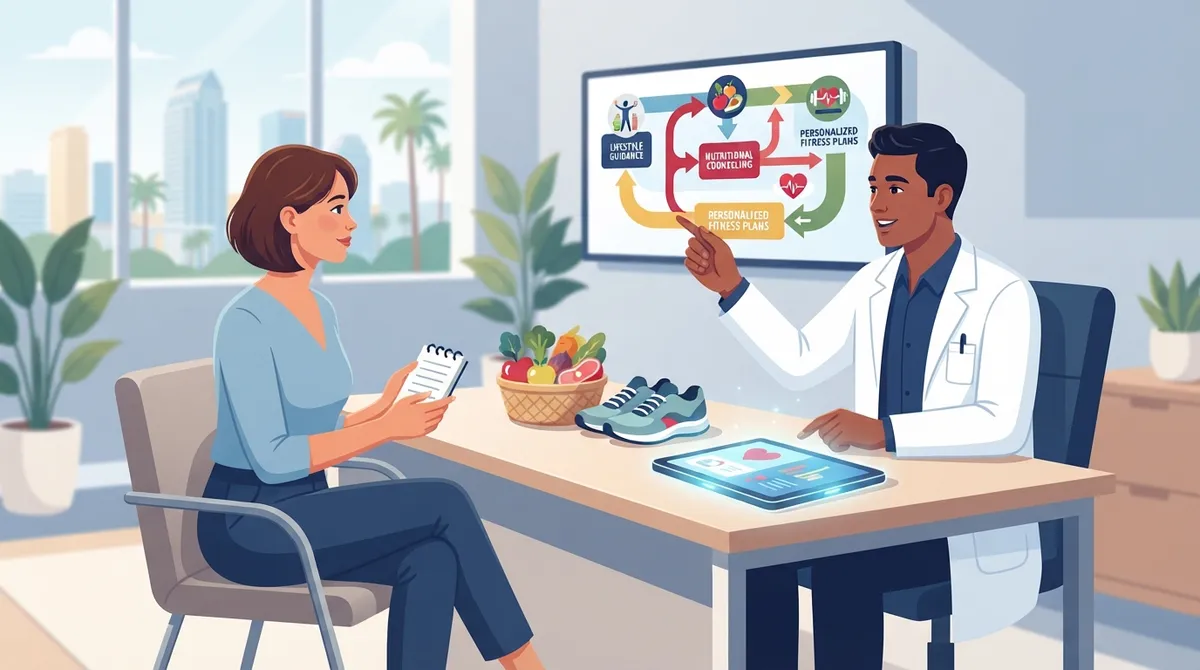
The National Institute of Diabetes and Digestive and Kidney Diseases (NIDDK) describes safe, successful programs as having a few key parts. Look for these features when you compare practices:
- An individualized eating plan built around your preferences and health needs
- Physical activity goals that fit your ability and schedule
- Behavioral support to help you build lasting habits
- Regular monitoring and feedback from your care team
- Typically at least 14 counseling sessions over six months
NIDDK also cites at least 150 minutes per week of moderate-intensity aerobic activity as a common program goal. Your own plan should match your health and ability, so your doctor should adjust it for you.
Why Primary Care Makes a Strong Starting Point
A primary care doctor sees your whole health picture. They can manage weight alongside blood pressure, blood sugar, sleep, and screenings. That connected approach is one reason many patients do better than they would with a stand-alone program. You can read more about this in 14 Ways a Primary Care Doctor Aids Weight Loss (2026).
Step 2: Know Which Treatments May Fit You
Once you meet with a doctor, you will talk about treatment options. The right plan depends on your health, your history, and your goals. No single approach works for everyone.
Lifestyle and Behavior Support
Nutrition, movement, sleep, and stress management form the base of every effective plan. Even when medication is used, it is meant to work alongside these habits, not replace them. Your doctor can also check for other factors that affect weight, such as thyroid issues, hormone changes, or poor sleep. If sleep is a concern, see How to Know When to See a Doctor for Poor Sleep.
Prescription Weight-Management Medication
Prescription medication may be considered for adults with a BMI of 30 or higher. It may also be considered at a BMI of 27 or higher when a weight-related condition is present, such as hypertension or type 2 diabetes. A clinician must assess your eligibility, any contraindications, and your monitoring needs.
NIDDK lists several FDA-approved long-term options. These include orlistat, phentermine-topiramate, naltrexone-bupropion, liraglutide, semaglutide, and tirzepatide. Availability and insurance coverage can vary. To learn more about how these drugs differ, read 6 Facts on Tirzepatide vs Semaglutide Weight Loss or How to Understand Semaglutide's Mechanism of Action.
Quick Comparison of Care Paths
|
Care Path |
Best For |
Typical Features |
|---|---|---|
|
Lifestyle and behavior program |
Adults starting their weight journey |
Eating plan, activity goals, counseling, follow-up |
|
Medication plus lifestyle |
BMI of 30+, or 27+ with a weight-related condition |
Clinician assessment, prescription, lab monitoring, regular visits |
|
Specialist or surgical referral |
Higher BMI or complex health needs |
Surgery may be discussed at BMI 35 or higher; individual review required |
When to Discuss a Specialist or Surgery
Some patients need more than medication and lifestyle change. NIDDK notes that weight-loss surgery may be recommended at a BMI of 35 or higher. Criteria differ from person to person, so this decision should be made with a qualified clinician. If you are weighing medication against surgery, see Do I Need Surgery or Medication? How to Decide.
Step 3: Use a Checklist to Find a Doctor Accepting New Patients
Now comes the practical part. Availability changes often, so always confirm directly with each office. Use the checklist below to compare Tampa practices side by side.
Questions to Ask Before You Book
- Are you accepting new patients right now? Ask about the earliest appointment and whether telehealth is available.
- Is the clinician licensed in Florida and board-certified? Confirm credentials before your first visit.
- Do you provide ongoing primary care? A connected practice can manage your weight and your overall health together.
- What does the first visit include? Ask about history review, lab work, and goal setting.
- How often are follow-up visits? Regular check-ins are a sign of a quality program.
- How are medication risks and costs explained? You should hear clear, honest answers.
- Do you accept my insurance? Coverage for visits and medication can vary widely.
What to Expect at a First Appointment
Your first visit is mostly about listening and testing. Expect your doctor to review your medical history, current medications, and past weight efforts. They may order lab work, such as blood sugar, cholesterol, and thyroid tests, to understand what is happening inside your body.
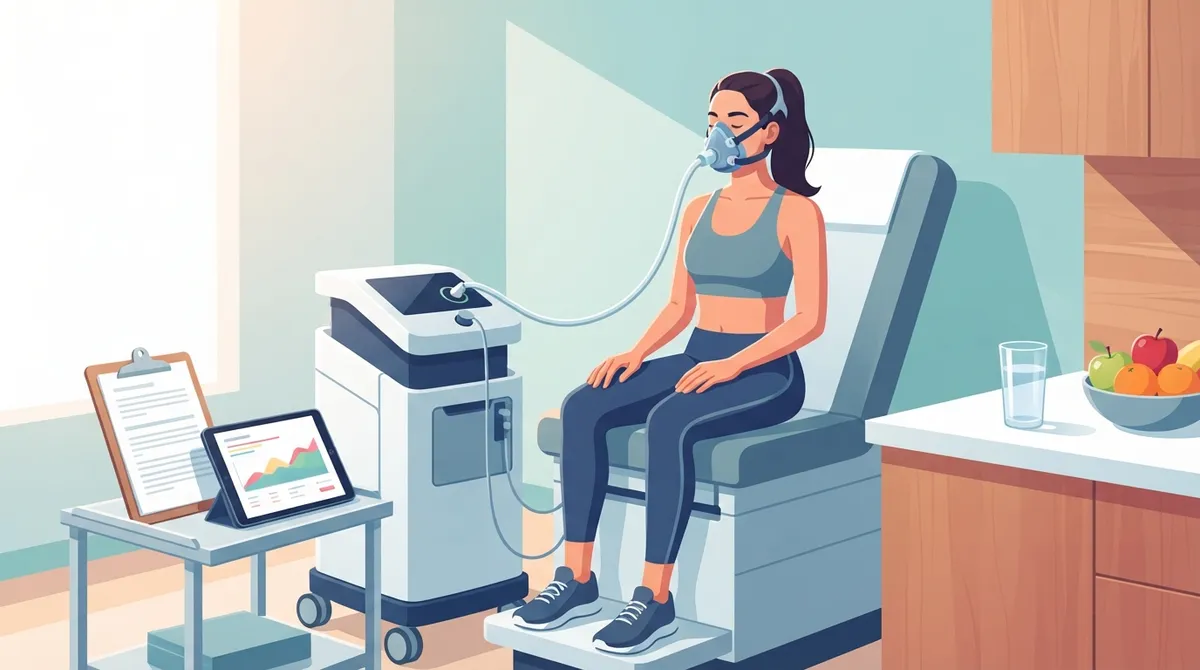
Newer technology can add useful detail. For example, a metabolic breath test can show how your body uses energy, and body composition scans can track fat and muscle more accurately than a bathroom scale. For a closer look at what a clinic should do, see What Does a Weight Management Clinic Actually Do?
Red Flags to Avoid
Not every program is a good fit. Be cautious if you notice any of these signs:
- Promises of fast, guaranteed results
- No health history review or lab work before treatment
- Medication offered with no follow-up plan
- Pressure to pay large amounts upfront
- No clear way to reach a clinician with questions
For a deeper look at common pitfalls, read 8 Mistakes to Avoid at a Premium Weight Loss Center.
Why Local Matters in Tampa
Tampa and the surrounding area offer many options, including independent clinics and larger medical groups. Some practices offer in-person visits plus Florida telehealth. That flexibility helps if you have a packed schedule or young children at home. Always check the current details with each office, since services and openings change.
Local care also supports follow-through. When your doctor is nearby, you are more likely to keep regular visits, which is one of the strongest predictors of lasting progress. If you are still building a care team, How Do You Find a Family Doctor in Tampa, FL in 2026? can help you get started.
How InCare Supports Your Weight Loss Goals
InCare is a personalized primary care and wellness clinic with locations in Tampa and Riverview, Florida. Weight loss is treated as part of whole-body health, not a stand-alone project. The team combines medical expertise with state-of-the-art technology to build a plan around you.
Services that support your journey include personalized weight loss programs, metabolic breath analysis, body composition analysis with 3D imaging and AI-powered tracking, and DNA gene testing for personalized health insights. Because InCare also offers primary care, your weight plan connects with preventive screenings and chronic condition care. Virtual appointments are available for busy schedules.
Patients have shared their experiences, and InCare holds a 4.8 out of 5 rating on Google. You can see what our InCare patients say on Google and read their stories yourself. To explore why structured programs often outperform going it alone, see 11 Reasons Medical Weight Loss Clinics Work Better in 2026. You can also follow our wellness tips on Instagram.
Make Your Weight Loss Plan Last
Starting is one thing. Keeping results is another. A good doctor plans for the long term from day one, including what happens after the first goal is reached. Regular follow-up, healthy routines, and ongoing monitoring all help protect your progress.
If you want to plan ahead, read How Can You Keep Weight Off for Good After 2026? It explains how to build habits that stay with you.
Take the Next Step Today
Finding a weight loss doctor accepting patients in Tampa comes down to three steps: understand what medical weight loss involves, know which treatments may fit you, and use a checklist to confirm the right practice. Taking these steps protects your time and your health.
You do not have to figure it out alone. Book your appointment with InCare to meet a clinician who will listen, run the right tests, and build a plan around your goals. If you have questions first, you can contact our team at any time.
FAQs
Q: How do I find a weight loss doctor in Tampa who is accepting new patients?
A: Start by calling primary care and family medicine practices and asking directly about new-patient availability, credentials, and insurance. Availability changes often, so confirm details with each office before booking. Practices that offer telehealth may also have earlier openings.
Q: Can my primary care doctor prescribe weight loss medication in Florida?
A: Yes, licensed primary care clinicians can evaluate you and prescribe weight-management medication when it is appropriate. Eligibility generally depends on your BMI and any weight-related conditions. Your clinician will also review risks and set up regular monitoring.
Q: Do I qualify for GLP-1 or other prescription weight loss medication?
A: Prescription options may be considered for adults with a BMI of 30 or higher, or 27 or higher with a weight-related condition such as hypertension or type 2 diabetes. Only a clinician can confirm eligibility after reviewing your history and medications. Medication is typically used alongside lifestyle and behavior changes.
Q: What should I expect at a first medical weight loss appointment?
A: Expect a review of your medical history, current medications, and past weight efforts, along with possible lab work. Your doctor will then discuss goals and build an individualized plan. Follow-up visits are usually scheduled to track your progress.
Q: Does insurance cover medical weight loss visits or medication in Tampa?
A: Coverage varies by plan and by medication. Many plans cover office visits, but medication coverage can differ widely. Ask the practice and your insurer about benefits before you begin treatment.