Key Takeaways
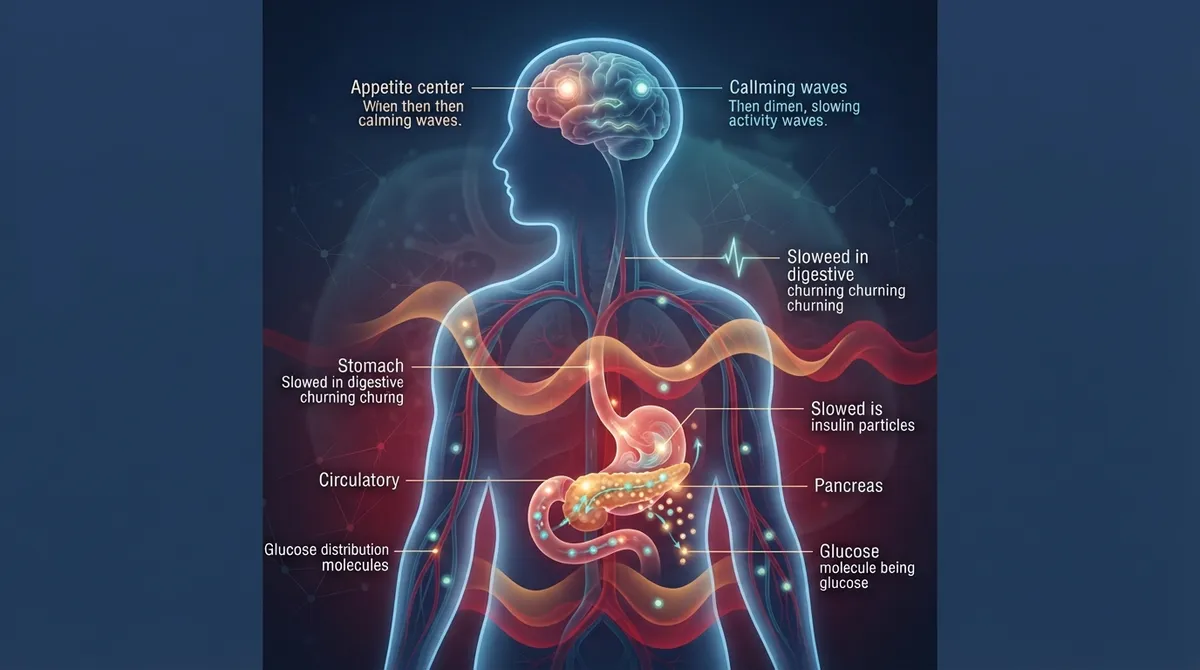
- Semaglutide mimics the natural GLP-1 hormone and lasts days instead of minutes, allowing it to work on multiple body systems simultaneously including insulin regulation, appetite suppression, and gastric emptying for both blood sugar control and weight loss.
- The medication uses glucose-dependent insulin secretion, meaning it only boosts insulin when blood sugar is high, reducing the risk of dangerously low blood sugar levels unlike older diabetes medications.
- Most side effects like nausea and reduced appetite are mild and improve over time with gradual dose increases and medical supervision, making a structured treatment approach essential for optimal results.
- Medical supervision is critical because semaglutide affects multiple organ systems at once; providers can adjust doses, monitor side effects, and customize treatment plans with nutrition support and fitness guidance.
If you have looked into medical weight loss or diabetes care, you have likely heard the term semaglutide. But how does this medication actually work inside your body? Understanding the semaglutide mechanism of action helps you make informed choices about your health journey. It also helps you set realistic expectations for your results.
At InCare, patients across Tampa and Riverview often ask how this popular treatment leads to weight loss and better blood sugar control. This guide breaks down the science into simple terms. We will walk through each step of how semaglutide affects your body, from your brain to your gut.

What Is Semaglutide and Why Does It Matter?
Semaglutide is a man-made version of a natural hormone called GLP-1, or glucagon-like peptide-1. Your body already makes this hormone in your gut after you eat. Semaglutide copies this hormone but lasts much longer in your system.
This medication belongs to a drug class called GLP-1 receptor agonists. According to research published by the National Institutes of Health, semaglutide is a selective GLP-1 receptor agonist that mimics the body's natural hormone response to eating. This means it attaches to the same receptors your natural GLP-1 hormone would use, but it stays active for days instead of minutes.
Many patients seeking weight loss support at InCare want to know why this medication works so well compared to older options. The answer lies in how long it stays active and how many different body systems it touches.

How to Break Down the Semaglutide Mechanism of Action Step by Step
Understanding this process does not require a medical degree. Here is a simple step-by-step breakdown of what happens after you take semaglutide.
- Semaglutide enters your bloodstream. Whether taken as a weekly injection or in newer oral forms, the drug travels through your blood to reach target tissues.
- It binds to GLP-1 receptors. These receptors sit on cells in your pancreas, brain, stomach, and other organs.
- Your pancreas releases more insulin. This only happens when your blood sugar is high, which lowers the risk of dangerously low blood sugar.
- Glucagon production slows down. Glucagon is a hormone that raises blood sugar, so reducing it helps keep glucose levels steady.
- Your stomach empties more slowly. Food stays in your stomach longer, which keeps you feeling full.
- Your brain receives appetite-reducing signals. Semaglutide acts on areas of the brain that control hunger and cravings.
This chain of events explains why semaglutide supports both blood sugar management and weight loss at the same time. The medication does not just target one problem. It works on multiple systems together.
The Four Main Effects of Semaglutide on Your Body
To make this even clearer, let's look at the four major ways semaglutide changes how your body functions.
1. Glucose-Dependent Insulin Secretion
Semaglutide only boosts insulin release when your blood sugar rises. This smart, glucose-dependent action is a major safety feature. It means the medication works with your body's natural rhythm instead of forcing insulin release at all times.
2. Suppressed Glucagon Release
Glucagon works opposite to insulin. It tells your liver to release stored sugar into your blood. By suppressing glucagon, semaglutide helps prevent unnecessary blood sugar spikes, especially after meals.
3. Delayed Gastric Emptying
When food leaves your stomach slower, you feel satisfied for a longer period. This effect plays a major role in appetite control and portion management for patients using semaglutide for weight loss.
4. Central Appetite Regulation
Semaglutide crosses into brain regions that manage hunger signals. This central nervous system effect helps reduce food cravings and overall calorie intake, which supports long-term weight management goals.
Semaglutide's Effects: A Quick Comparison Table
Body SystemEffect of SemaglutidePatient BenefitPancreasIncreases insulin release when blood sugar is highBetter blood sugar controlLiverReduces glucagon productionFewer blood sugar spikesStomachSlows gastric emptyingLonger-lasting fullnessBrainReduces appetite signalsLower calorie intake
Who Might Benefit from Semaglutide Therapy?
Semaglutide was first approved for managing type 2 diabetes. Later, it gained approval for chronic weight management in adults with obesity or weight-related health conditions. Many patients at InCare's Tampa and Riverview locations come in seeking a medically supervised approach rather than trying to manage weight loss alone.
Common candidates for this treatment include:
- Adults with type 2 diabetes who need better blood sugar control
- Individuals with a body mass index (BMI) of 30 or higher
- Adults with a BMI of 27 or higher who also have weight-related conditions like high blood pressure
- Patients who have struggled with diet and exercise alone
- People looking for a physician-supervised, evidence-based weight loss plan
Our providers, including Dr. Pramjeet Ahluwalia and Dr. Naveen Paddu, evaluate each patient individually before recommending this therapy. This ensures the treatment plan matches your specific health needs and goals.
What to Expect During Semaglutide Treatment
Knowing the mechanism of action is helpful, but understanding the treatment process matters just as much. Here is what a typical patient journey looks like at a wellness-focused clinic.
- Initial consultation and health assessment. Your provider reviews your medical history, current medications, and weight loss goals.
- Lab work and screening. Blood tests help confirm you are a good candidate and rule out any contraindications.
- Starting dose introduction. Treatment usually begins at a low dose to help your body adjust and reduce side effects.
- Gradual dose increases. Your provider slowly raises the dose over several weeks based on your response.
- Ongoing monitoring and support. Regular follow-ups track your progress and adjust your plan as needed.
This structured approach reduces common side effects like nausea while maximizing the benefits of the medication. Pairing semaglutide with body composition analysis and nutrition guidance often leads to more sustainable results.
Common Side Effects Linked to the Mechanism of Action
Because semaglutide slows digestion and affects appetite centers in the brain, some side effects are expected. Most are mild and improve over time as your body adjusts.
- Nausea, especially when starting or increasing the dose
- Mild constipation or diarrhea
- Reduced appetite, which is often the intended effect
- Occasional stomach discomfort after eating
- Fatigue during the first few weeks of treatment
Your care team can help manage these symptoms with dosing adjustments and dietary tips. Combining treatment with IV hydration therapy may also support energy levels during the adjustment period.
How Semaglutide Compares to Other Weight Management Approaches
Many patients wonder how semaglutide stacks up against traditional diet and exercise plans or other medications. The table below offers a simple comparison.
ApproachPrimary MechanismTypical ResultsDiet and exercise aloneCalorie deficit through behavior changeVariable, often slower and harder to maintainSemaglutide therapyHormone-based appetite and glucose regulationSignificant, consistent weight loss with medical supportBariatric surgeryPhysical changes to digestive anatomySubstantial but invasive, with longer recovery
Each option has a place depending on individual health needs. A conversation with your primary care provider helps determine which path fits your situation best.
Steps to Get Started with Semaglutide at InCare
If you are considering this treatment, here is a simple path forward.
- Schedule a consultation with a licensed provider to discuss your health history.
- Complete recommended lab testing to confirm eligibility.
- Review your personalized treatment plan, including dosing schedule.
- Begin therapy under medical supervision with regular check-ins.
- Track progress using tools like metabolic breath analysis to measure real results.
InCare providers, such as Dr. Teshy John, take a whole-body approach rather than simply prescribing medication. This means your treatment plan may include nutrition support, fitness guidance, and ongoing lab monitoring.
Why Choose a Medically Supervised Program
Semaglutide is a powerful medication, and its mechanism of action affects multiple body systems at once. This is exactly why medical supervision matters so much. A trained provider can adjust your dose, monitor side effects, and ensure the treatment aligns with your overall health picture.
Patients across Tampa and Riverview trust InCare for this level of personalized care. You can see what real patients are saying by visiting InCare's Google Business Profile, where the clinic maintains a strong reputation for quality service and attentive staff.
You can also follow health tips and patient stories on Facebook or get a behind-the-scenes look at clinic life on Instagram. For quick wellness tips in video form, check out InCare's content on TikTok.
Bringing It All Together
The semaglutide mechanism of action explains why this medication has become such a valuable tool in primary care and wellness. By working with your body's natural hormone systems, it supports better blood sugar control, reduces appetite, and helps you feel full longer. These combined effects make sustainable weight loss more achievable for many patients.
If you are ready to explore whether semaglutide fits your health goals, our team is here to help. Our experienced providers at both Tampa and Riverview locations offer personalized evaluations backed by advanced technology and compassionate care.
Ready to take the next step? Reach out to our team today to schedule a consultation, or go ahead and book your appointment online now to start your personalized weight management journey with InCare.
FAQs
Q: What is the main mechanism of action of semaglutide?
A: Semaglutide works by mimicking the natural hormone GLP-1. It activates GLP-1 receptors to increase insulin release when blood sugar is high, reduce glucagon production, slow stomach emptying, and lower appetite through brain signals.
Q: How long does it take for semaglutide to start working?
A: Many patients notice reduced appetite within the first few weeks of treatment. However, full effects on weight and blood sugar typically develop over several months as the dose gradually increases under medical supervision.
Q: Does semaglutide affect blood sugar and weight at the same time?
A: Yes, this is one of the medication's key advantages. Its mechanism targets insulin secretion, glucagon suppression, and appetite regulation simultaneously, which supports both glycemic control and weight management.
Q: Why does semaglutide cause nausea in some patients?
A: Nausea occurs because semaglutide slows gastric emptying, which can cause temporary digestive discomfort. This side effect often improves as the body adjusts, especially when doses increase gradually under provider guidance.
Q: Is semaglutide safe for long-term use?
A: Semaglutide has been studied extensively for both diabetes and weight management, and many patients use it long-term under medical supervision. Regular monitoring by a healthcare provider helps ensure safety and effectiveness throughout treatment.