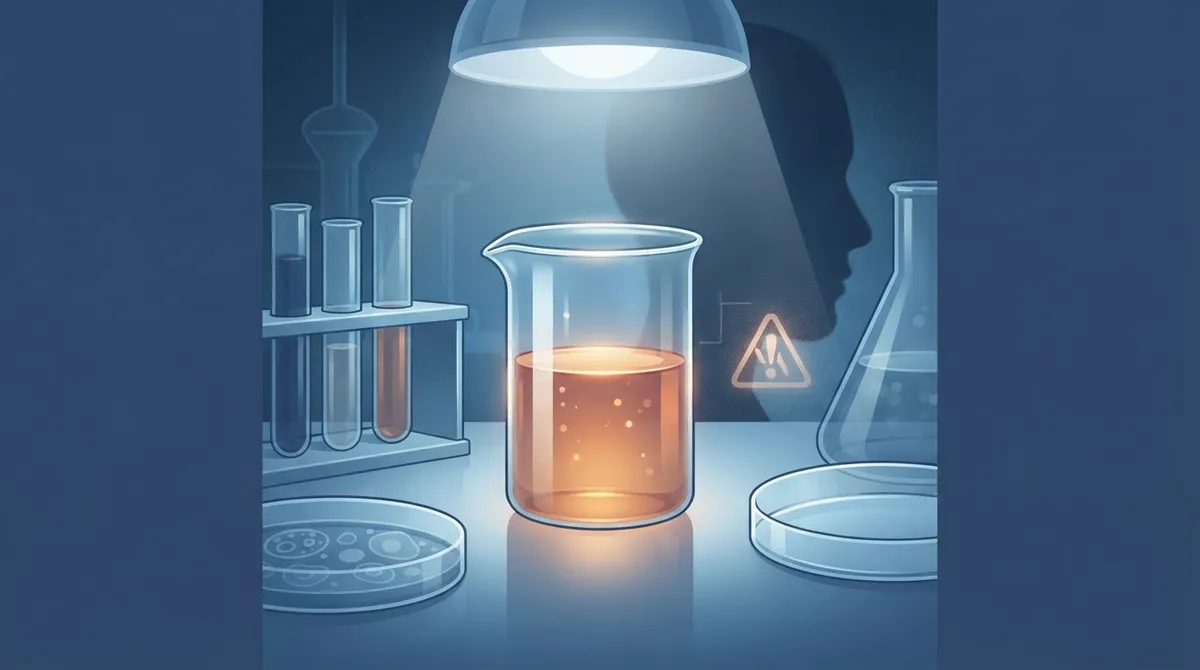
Key Takeaways
- KPV topical serum lacks any completed human clinical trials—all evidence comes from lab and animal studies, meaning claims about treating eczema, psoriasis, acne, or wounds remain scientifically unsupported.
- KPV is not FDA-approved and has no established safe dose, concentration, or regulatory approval for human skin use, making unregulated online products carry unpredictable risks including contamination and inconsistent potency.
- Pregnant individuals, children, people with open wounds, and those with severe skin allergies should avoid KPV serum entirely until human safety data exists; consult a healthcare provider instead for evidence-based skin treatments.
- For skin inflammation or non-healing wounds, schedule a medical evaluation with a primary care provider or dermatologist rather than relying on unproven peptide products—proven treatments like corticosteroids and retinoids have established safety records.
KPV topical serum has become a buzzword in wellness circles, especially among people searching for natural ways to calm irritated or inflamed skin. Social media posts and online shops promise smoother skin and reduced redness from this small peptide. But before you add a KPV serum to your skincare routine, you deserve clear facts about what this product actually is and what it can do.
At InCare, our primary care team believes patients should understand the science behind trending wellness products before spending money on them. This article breaks down the three most important facts about KPV topical serum, based on current research. We will also cover safety concerns, regulatory status, and what to do instead if you are dealing with skin inflammation or a wound that will not heal.
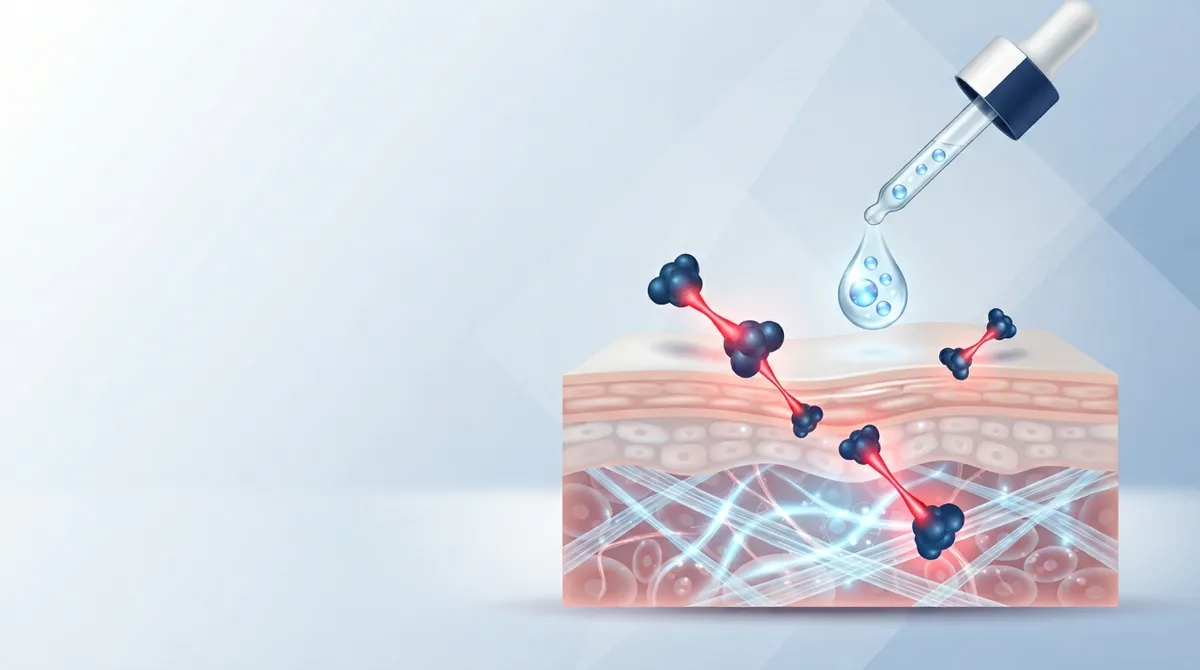
What Is KPV Topical Serum?
KPV is a tripeptide made of three amino acids: lysine, proline, and valine. It comes from a larger hormone called alpha-melanocyte-stimulating hormone, or alpha-MSH. Scientists have studied this small peptide fragment for roughly two decades, mostly in labs and animal models.
A KPV topical serum is a skin product that contains this peptide, usually mixed into a cream or liquid base. Sellers market these serums for skin redness, irritation, and general inflammation. Some also claim benefits for wound healing and acne. The idea behind these claims comes from cell studies showing that KPV may reduce certain inflammatory signals in skin cells, including a pathway called NF-κB.
Why People Are Curious About This Peptide
Interest in KPV has grown alongside broader curiosity about peptide therapy in general. Peptides are short chains of amino acids that play many roles in the body. Some peptides have real, FDA-approved medical uses. Others, like KPV, remain in the research stage with no approved human application yet.

Fact 1: The Evidence Is Mostly From Labs, Not People
The biggest fact to understand about KPV topical serum is this: almost all supporting research comes from cell cultures and animal studies. There are currently no completed, published clinical trials in humans proving that a topical KPV serum treats eczema, psoriasis, acne, or wounds.
Preclinical research has looked at KPV for several possible uses, including:
- Contact dermatitis and eczema-like skin inflammation
- Wound healing support in animal models
- Intestinal inflammation in gut-related research
- General antimicrobial activity against certain organisms
These findings are interesting from a scientific standpoint. However, a lab result in mouse skin or a petri dish does not guarantee the same effect on human skin. Many promising compounds fail once they reach real clinical testing in people. Until that testing happens for KPV, claims about proven human benefits remain unsupported.
What "Research Use Only" Really Means
Many KPV products sold online carry a label that says "research use only." This label is not a marketing gimmick. It is a legal disclaimer meaning the product was never meant to be applied to human skin or used as a treatment.
These products may have unknown purity, unclear concentration, and no guarantee of sterility. Some may contain contaminants or the wrong dose of active ingredient entirely. Applying a research-only product to your skin carries real, unpredictable risk.
Fact 2: KPV Is Not FDA Approved
The second key fact is regulatory status. As of 2026, there is no FDA-approved KPV drug or topical serum for any skin condition in the United States. This means no government agency has reviewed KPV serums for safety, quality, or effectiveness in humans.
A 2026 advisory panel did discuss KPV in relation to inflammation and wound healing during a review of compounded peptide products. However, an advisory discussion is not the same as approval. It does not mean a commercially sold serum is safe or that it works as promised.
|
Regulatory Question |
Current Status (2026) |
|---|---|
|
FDA-approved KPV drug product? |
No |
|
Established human dosing guidelines? |
No |
|
Completed human clinical trials? |
No robust, published trials identified |
|
Legal for compounding pharmacies? |
Policy under ongoing review; check current status |
|
Safe topical concentration established? |
No |
Because compounding rules and FDA policy can shift, anyone considering a KPV product should verify the current legal and regulatory status before use. Rules that applied last year may not apply today.
No Established Dose for Humans
Animal studies have tested KPV at doses up to 100 mg/kg in rodents without major toxicity reported. This number sounds reassuring, but it cannot be used to calculate a safe human topical dose. Body size, skin absorption, and metabolism differ greatly between species. There is simply no science-backed concentration or frequency of use established for people.
Fact 3: Side Effects and Safety Concerns Are Real
Because KPV topical serum lacks human safety data, we do not have a full picture of possible side effects. Based on general peptide and skincare knowledge, potential concerns include:
- Skin irritation, redness, or allergic reaction at the application site
- Unknown interactions with other topical treatments or medications
- Contamination risks from unregulated manufacturing
- Inconsistent potency between batches or brands
- Unclear effects during pregnancy or breastfeeding
People with chronic skin disease, slow-healing wounds, or weakened immune systems should be especially cautious. Applying an unproven product to already compromised skin can delay proper treatment and potentially worsen the underlying problem.
Who Should Avoid KPV Serum Entirely
Certain groups should steer clear of KPV topical serum until real human safety data exists:
- Pregnant or breastfeeding individuals
- Children and adolescents
- People with open wounds, active infections, or non-healing ulcers
- Anyone with a history of severe skin allergies
- Patients managing autoimmune skin conditions under a doctor's care
If you fall into any of these categories, speak with a primary care provider before trying any experimental topical product.
How KPV Differs From Proven Anti-Inflammatory Treatments
Topical corticosteroids, prescription retinoids, and other evidence-based creams have gone through years of clinical trials. Doctors know their proper dosing, expected side effects, and how they interact with other medications. KPV has none of that established safety record yet.
This does not mean KPV research is worthless. It means the product is not ready for confident, everyday use as a medical treatment. Choosing a proven option, guided by a licensed provider, remains the safer and more effective path for most people dealing with skin inflammation.
What To Do Instead of Trying an Unproven Serum
If you are dealing with a rash, chronic dermatitis, acne, or a wound that will not close, the smartest first step is a proper medical evaluation. A qualified healthcare provider can identify the actual cause of your skin issue and recommend a treatment backed by real evidence.
At InCare, our team offers thorough evaluations for a wide range of skin and health concerns as part of our broader comprehensive primary care services. We combine modern diagnostic tools with a personalized approach so you get answers, not guesswork.
Steps for Evaluating Any Skin Concern Properly
- Schedule an appointment with a primary care provider or dermatology specialist
- Describe your symptoms, including when they started and what makes them worse
- Ask about proven treatment options for your specific condition
- Discuss any supplements or topical products you are currently using
- Follow up as recommended to track progress and adjust treatment
This structured approach protects your skin and your overall health far better than trying an unregulated peptide product on your own.
How InCare Approaches Wellness Trends Responsibly
Our clinics in Tampa and Riverview stay current on emerging wellness topics, including peptide-based wellness trends. We believe patients deserve honest information, not hype. That is why we separate real preclinical science from proven, human-tested treatment options in everything we discuss with patients.
Whether you need a cancer screening, help managing a chronic skin condition, or general urgent care for a sudden skin reaction, our providers are ready to help. You can also explore our DNA gene testing and body composition analysis services if you are focused on whole-body wellness optimization rather than unproven topical trends.
Many of our patients follow us on Facebook and Instagram for wellness tips grounded in real science. You can also check out our latest updates on Tik Tok for quick, easy-to-understand health facts.
Trusted Care Backed By Reviews
InCare holds a 4.8 out of 5 rating on Google, based on hundreds of patient reviews. Patients consistently mention our friendly staff and the thorough, honest care they receive. You can visit us on Google — InCare to read more patient experiences before your first visit.
Final Thoughts on KPV Topical Serum
KPV topical serum sits at an interesting crossroads of science and marketing. The peptide itself has a real research history, but that history has not yet translated into an FDA-approved, human-tested treatment. Anyone considering this product should understand the gap between lab findings and proven skin care.
If you are dealing with skin inflammation, a slow-healing wound, or any other health concern, do not rely on unregulated online products. Instead, trust a team that puts your safety first. Reach out to our care team today to schedule an evaluation, or book your appointment now and get answers backed by real medical expertise.
FAQs
Q: What is KPV topical serum and what is it supposed to do?
A: KPV topical serum is a skin product containing a small peptide called KPV, derived from alpha-MSH. It is marketed for reducing skin inflammation and redness, but these claims come from lab and animal studies, not confirmed human clinical trials.
Q: Is KPV topical serum FDA approved or available by prescription?
A: No, KPV is not an FDA-approved drug, and there is no approved KPV topical serum for any medical condition in the United States as of 2026. Regulatory policy is still evolving, so it is wise to verify current status before considering any KPV product.
Q: What are the possible side effects of applying KPV serum to the skin?
A: Because human safety data is extremely limited, potential concerns include skin irritation, allergic reactions, and contamination risks from unregulated products. There is also no established safe concentration or dosing schedule for topical human use.
Q: Can KPV topical serum be used during pregnancy or breastfeeding?
A: This is not recommended. There is no safety data supporting use during pregnancy or breastfeeding, and caution is strongly advised given the lack of human clinical research on this peptide.
Q: What should I do instead if I have inflamed skin or a wound that won't heal?
A: Schedule an evaluation with a licensed primary care provider or dermatology specialist. They can identify the true cause of your skin issue and recommend a treatment backed by established clinical evidence rather than an unproven serum.