
Key Takeaways
- Metabolic breath analysis (indirect calorimetry) measures the oxygen you inhale and carbon dioxide you exhale to estimate your body's real energy use, instead of relying on online calorie formulas.
- Resting (RMR) tests and exercise tests answer different questions: RMR guides nutrition and weight planning, while exercise testing assesses aerobic fitness like VO₂ max and needs more safety screening.
- Preparation affects accuracy: caffeine, nicotine, alcohol, recent exercise, poor sleep, stress, illness, and some medications can shift results, so follow your clinic's written instructions.
- Results are an estimate, not a diagnosis or guaranteed outcome, and should be interpreted by a clinician alongside your medical history, medications, activity level, and goals.
Many people in Riverview are trying to lose weight, build fitness, or simply understand their bodies better. Yet most calorie advice relies on guesswork. Online calculators estimate your energy needs using age, height, and weight, but they cannot measure what your body is actually doing. That gap is where metabolic breath analysis comes in.
Metabolic breath analysis is a noninvasive test that measures the oxygen you breathe in and the carbon dioxide you breathe out. From those numbers, a clinician can estimate how much energy your body uses. For busy professionals, young families, and wellness-minded adults across Riverview, it offers a data-driven starting point rather than a generic formula.
This guide explains six things worth knowing before you book. It covers how the test works, the difference between resting and exercise testing, how to prepare, what the results can and cannot tell you, who should be cautious, and what to ask a provider. InCare offers metabolic breath analysis at its Riverview office, so local patients have a convenient option close to home.
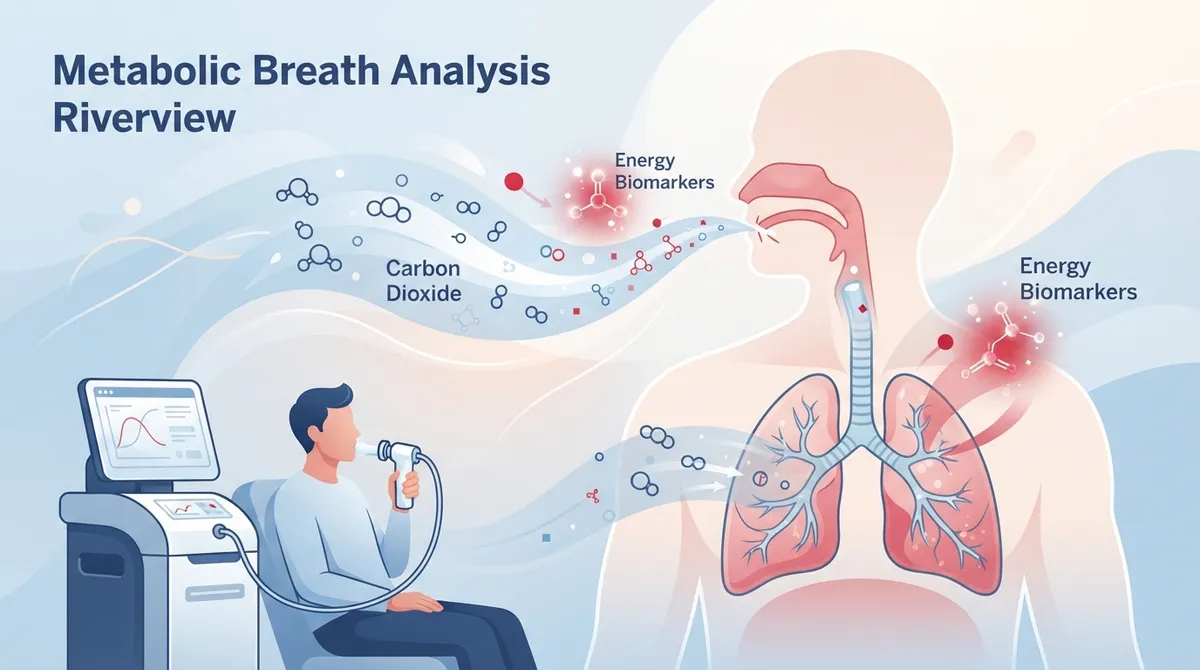
1. What Metabolic Breath Analysis Actually Measures
In Riverview, metabolic breath analysis generally refers to a method called indirect calorimetry. The idea is simple. Your body uses oxygen to turn food into energy, and it releases carbon dioxide as a byproduct. By measuring both gases, a device can estimate how much energy you burn.
During a test, you breathe into a mask or mouthpiece connected to a small analyzer. The process is painless and does not involve needles or blood draws. The device records data with each breath and calculates your energy use in real time.
The test can give insight into several areas:
- Energy expenditure: An estimate of how many calories your body uses at rest or during activity.
- Fuel use: A look at whether your body is leaning more on fat or carbohydrates for energy.
- Aerobic fitness: During exercise testing, measures such as VO₂ max, which reflects how well your body uses oxygen.
Because it measures your own body, the result is more personal than a formula. Still, it is an estimate based on the conditions of that day, not a final verdict on your health.
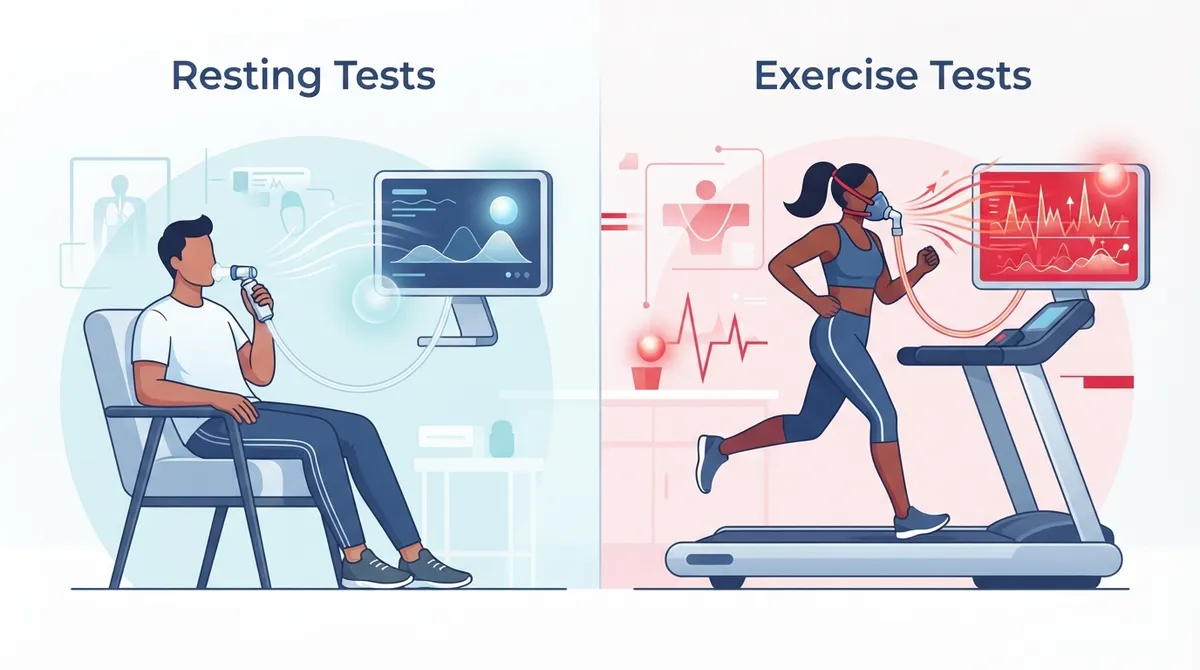
2. Resting Tests and Exercise Tests Are Not the Same
Many people assume all metabolic tests are alike. They are not. Two main types exist, and each answers a different question.
Resting Metabolic Rate (RMR) Testing
An RMR test estimates the energy your body uses while at rest. You sit or lie quietly while breathing into the device. Under controlled conditions, a resting measurement can often take about 30 minutes, although actual appointment length varies by provider and equipment.
This test is often used to inform nutrition and weight-management conversations. It helps replace a rough guess about daily calorie needs with a measured starting point.
Exercise-Based Testing
Exercise testing measures gas exchange while you move, usually on a treadmill or bike. It can provide aerobic fitness measures such as VO₂ max. Athletes and active adults may use these results to shape training plans. You can read more about how this works in our guide to VO2 max testing in Tampa and Riverview.
|
Feature |
Resting Test (RMR) |
Exercise Test |
|---|---|---|
|
What it estimates |
Energy use at rest |
Gas exchange during activity, aerobic fitness |
|
Typical goal |
Nutrition and weight-management planning |
Fitness and training planning |
|
Physical effort |
Minimal |
Moderate to high |
|
Extra safety screening |
Usually basic |
More important, especially with heart or lung concerns |
These two tests should not be treated as interchangeable. Ask which one fits your goals before you schedule.
3. How to Prepare So Your Results Are Useful
Metabolic testing is sensitive. Several everyday factors can shift your numbers, which is why clinics give preparation instructions. Following them helps make the results more reliable.
Common factors that may affect measurements include:
- Recent meals or fasting length
- Caffeine and nicotine
- Alcohol
- Recent exercise
- Poor sleep or high stress
- Illness
- Certain medications
Use these simple steps as a general guide, and always follow the specific instructions your clinic gives you:
- Ask the clinic for written preparation instructions when you book.
- Follow any food and drink guidance, including fasting windows and caffeine limits.
- Avoid hard workouts right before the test unless told otherwise.
- Get a normal night of sleep when possible.
- Tell the clinician about all medications and supplements you take.
- Do not stop any prescribed medication without talking to a clinician first.
Preparation matters because the test captures a snapshot. If that snapshot is taken on a day when you are stressed, sick, or full of caffeine, the estimate may not reflect your typical baseline.
4. What the Results Can and Cannot Tell You
Metabolic breath analysis can be a useful conversation starter. It cannot do everything, and honest expectations matter.
Here is what the results can help with:
- Giving a measured estimate of resting energy use for nutrition planning
- Supporting individualized weight-management discussions
- Informing exercise planning when paired with fitness testing
- Tracking changes over time when repeated under similar conditions
Here is what the results cannot do:
- Diagnose a medical condition
- Guarantee weight loss or any specific outcome
- Serve as a complete calorie prescription on their own
Think of the report as one data point. A clinician should read it alongside your medical history, symptoms, medications, activity level, and goals. If you are exploring a structured plan, the weight loss program at InCare pairs testing with ongoing medical guidance. For a deeper dive into how your body is built, body composition analysis can add useful context about muscle and fat.
5. Who Should Be Cautious or Talk to a Clinician First
Resting tests are generally low effort. Exercise testing is different because it asks your heart and lungs to work harder. It may not be appropriate for everyone.
Speak with a qualified clinician before testing if you have:
- A known heart or lung condition
- Chest pain, dizziness, or unusual shortness of breath
- A recent injury or limited exercise capacity
- High blood pressure that is not well controlled
- Any symptoms that concern you
This is one reason pairing testing with a primary care relationship makes sense. A clinician who knows your history can decide whether a test is safe and which version suits you. If you do not yet have a regular doctor, our primary care services are a good place to start, and you can learn more about the benefits of comprehensive primary care in a clear overview.
Remember, no test replaces medical advice. If something feels wrong before or during any test, stop and tell the staff right away.
6. Questions to Ask Before You Book in Riverview
Not every provider offers the same equipment or service. A few smart questions can save time and confusion. Local clinic information identifies InCare at 11922 Boyette Road, Riverview, FL 33569, as offering this service, and you can reach the clinic at 813-553-3330. Details such as availability, protocol, and pricing can change, so confirm them directly.
Consider asking these questions:
- Which tests do you offer: resting, exercise, or both?
- What equipment and protocol do you use?
- How should I prepare, and how long will the visit take?
- Who reviews my results, and what will the report include?
- How will the findings be used in a broader care plan?
- What does the test cost, and is follow-up testing recommended?
Notice the fourth and fifth questions. A printout of numbers is only useful when someone explains it and connects it to your goals. At InCare, results sit inside a larger picture of prevention and whole-body care. If you want to understand the technology behind the test, see our explainer on how PNOE metabolic testing works.
Who Benefits Most From Metabolic Testing
Different people use the same test for different reasons. Here is how it can fit a few common situations in Riverview:
- Busy parents: A measured starting point can cut through confusing diet advice when time is short.
- Fitness-focused adults: Exercise testing can guide training zones and track progress.
- Young adults and wellness explorers: Data-driven insight appeals to people who want to optimize health early.
- Women seeking whole-body care: Metabolic data can complement routine screenings and wellness visits.
- Higher-income wellness seekers: Advanced testing fits well into a proactive, prevention-first plan alongside options like DNA gene testing.
No matter your profile, the best results come when testing supports a plan rather than replacing one.
Why Riverview Residents Choose InCare
InCare combines state-of-the-art technology with medical expertise. The clinic offers primary care, urgent care, weight loss programs, body composition analysis, and metabolic breath analysis under one roof. That means your test results can feed directly into a personalized plan with a team that knows you. Patients regularly praise the friendly staff, and you can read InCare reviews on Google to see what others say about their visits. For updates and wellness tips, you can also follow InCare on Instagram, Facebook, and TikTok.
Conclusion
Metabolic breath analysis in Riverview offers a clear, noninvasive way to move beyond guesswork. It measures oxygen and carbon dioxide to estimate how your body uses energy, and it can support smarter conversations about nutrition, weight management, and fitness. The key is to treat it as one useful estimate, prepare carefully, and have a clinician interpret the results in the context of your health and goals.
If you are ready to take a measured approach to your wellness, book your appointment with InCare or contact our team to confirm current test options, preparation steps, and pricing. A short visit could give you the data you need to start with confidence.
FAQs
Q: What is metabolic breath analysis, and how does it work?
A: Metabolic breath analysis is a noninvasive test that uses indirect calorimetry to measure the oxygen you inhale and the carbon dioxide you exhale. From those measurements, a clinician can estimate how much energy your body uses at rest or during exercise.
Q: Where can I get metabolic breath analysis in Riverview, Florida?
A: InCare lists metabolic breath analysis at its Riverview office, 11922 Boyette Road, Riverview, FL 33569. Call 813-553-3330 to confirm current test options, preparation requirements, and pricing before your visit.
Q: What is the difference between an RMR test and a VO₂ max test?
A: An RMR test estimates the energy your body uses at rest and is often used for nutrition planning. A VO₂ max test measures gas exchange during exercise to assess aerobic fitness, and it requires more safety screening.
Q: How should I prepare for a metabolic breath test?
A: Follow the specific instructions your clinic provides. Food, caffeine, nicotine, alcohol, recent exercise, poor sleep, stress, illness, and some medications can affect results, and you should not stop prescribed medication without clinician advice.
Q: How accurate are metabolic breath analysis results, and who should interpret them?
A: Results are estimates shaped by the test conditions and the day of testing, so they are not a diagnosis or a guaranteed outcome. A qualified clinician should review them alongside your medical history, medications, activity level, and goals.