Key Takeaways
- Persistent fatigue has many causes beyond sleep apnea, including anemia, thyroid disease, medication effects, and mood disorders, so a broad medical review should come before assuming a diagnosis.
- You can have sleep apnea without waking up; a bed partner's reports of loud snoring, gasping, or witnessed breathing pauses are important clues to bring to your visit.
- Online quizzes can flag risk but cannot diagnose sleep apnea; diagnosis requires an appropriate sleep test as part of a comprehensive sleep evaluation.
- Choose between a home sleep apnea test and an in-lab polysomnogram based on your health history, since heart or lung disease, prior stroke, or chronic opioid use favor in-lab testing.
- A negative or inconclusive home test does not always rule out sleep apnea; if symptoms persist, AASM guidance recommends an in-lab polysomnogram.
- Track your sleep and wake times for one to two weeks, list all medications and supplements, and bring past test results to make your first primary care visit more productive.
You wake up tired. You drink more coffee by noon. By evening, you can barely keep your eyes open. Many Tampa adults accept this cycle as normal life, but ongoing fatigue is not something to ignore. It can point to sleep apnea, anemia, thyroid trouble, medication effects, or mood changes. Guessing at the cause often delays real answers.
Finding the right fatigue and sleep apnea clinic in Tampa starts with a clear plan. A broad medical review comes first. Then, if it fits, sleep testing follows. In 2026, busy professionals, parents, and wellness-minded patients have more options than ever, including virtual visits and home testing. Still, many people make avoidable mistakes along the way.
This guide covers 15 common errors that slow down diagnosis and treatment. You will also learn how primary care can help you sort out the cause of your fatigue. At InCare, we focus on whole-body care, so your tiredness is looked at from every angle, not just one.
Why Fatigue Deserves a Closer Look
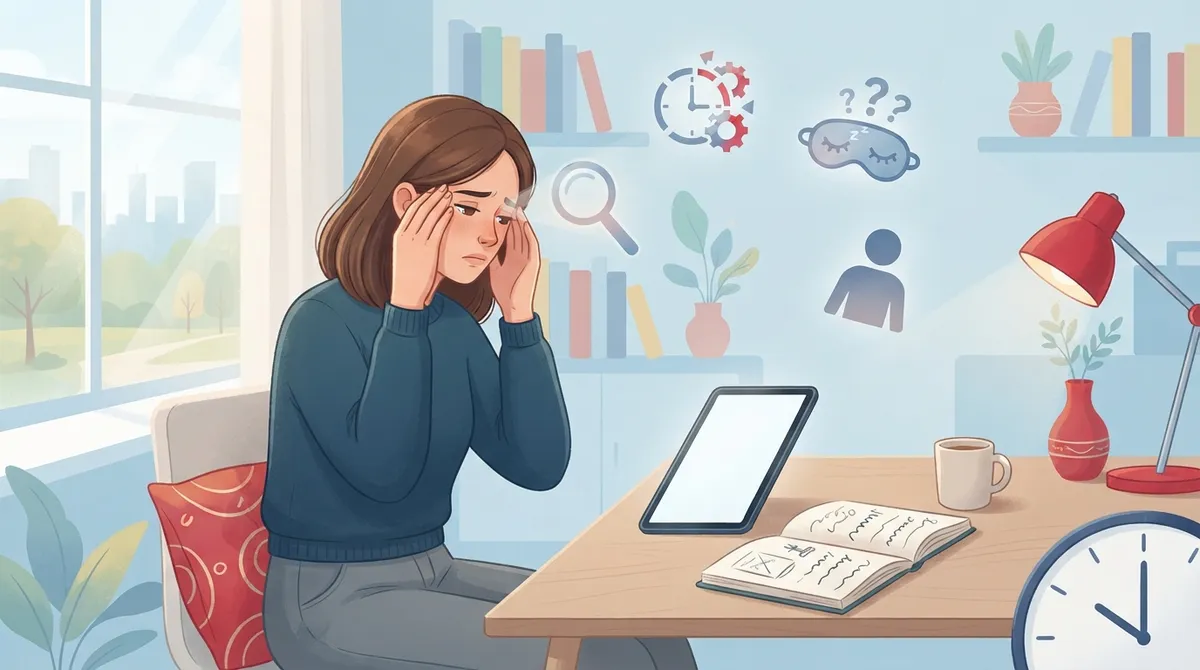
Everyone feels tired sometimes. Fatigue that lasts for weeks, or that does not improve with rest, is different. It can affect your work, your mood, your driving safety, and your relationships.
Persistent fatigue has many possible causes, including:
- Insufficient or disrupted sleep
- Obstructive sleep apnea (OSA)
- Medication side effects
- Mood disorders such as depression or anxiety
- Anemia
- Thyroid disease
- Other medical conditions
Because the list is long, a single quick guess rarely works. A thorough visit with a primary care clinician helps you find the true cause. You can learn more about this approach in our guide to comprehensive primary care.
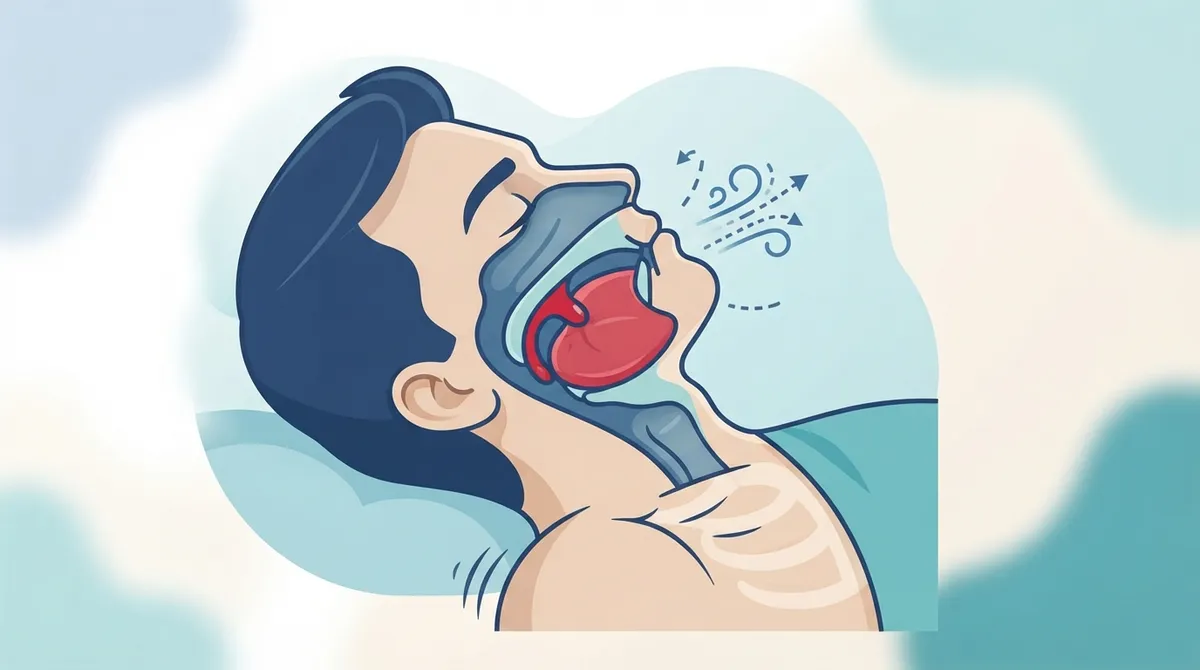
What Is Obstructive Sleep Apnea?
Obstructive sleep apnea happens when your airway narrows or closes during sleep. Your breathing pauses, then restarts. Many people never fully wake up, so they do not know it is happening.
Common signs include:
- Loud, habitual snoring
- Pauses in breathing seen by a bed partner
- Gasping or choking during sleep
- Unrefreshing sleep
- Daytime sleepiness or fatigue
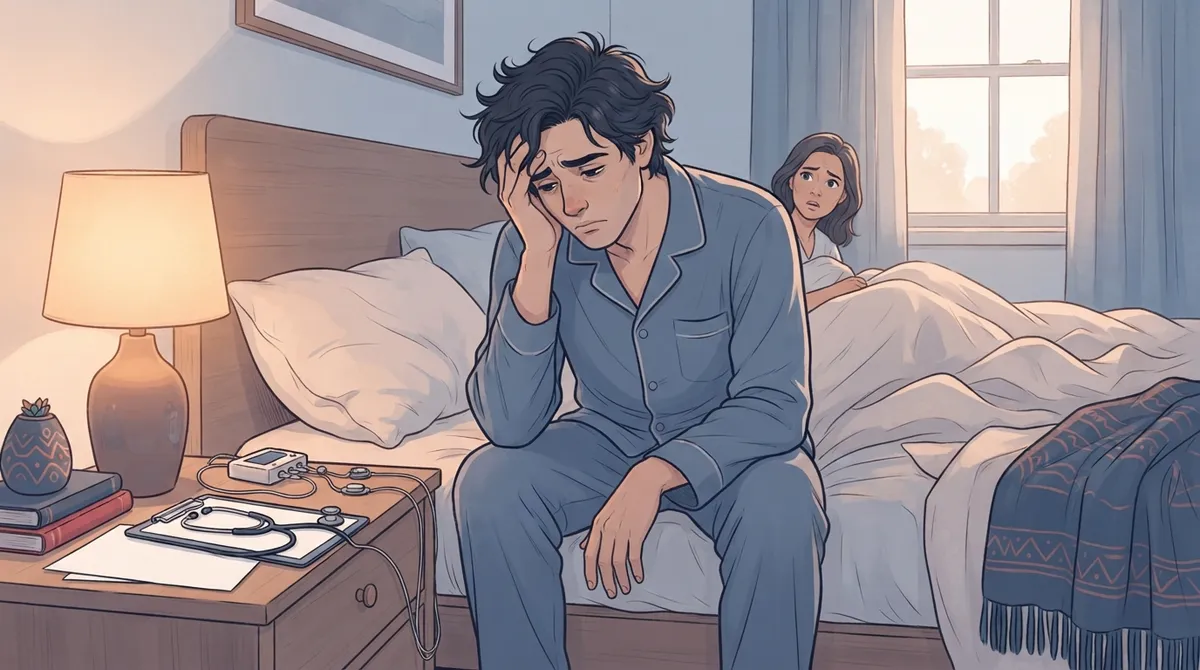
Some people with OSA do not notice any nighttime symptoms. A spouse or partner often spots the problem first. That is why their observations matter during your visit.
15 Fatigue and Sleep Apnea Mistakes to Avoid
1. Blaming Fatigue on Age or a Busy Schedule
Many Tampa patients assume tiredness is just part of working hard or getting older. Fatigue that lingers deserves a medical review. Waiting only prolongs the problem.
2. Assuming Sleep Apnea Is the Only Cause
Sleep apnea is one possible cause, not the only one. Anemia, thyroid disease, and low mood can look very similar. A broad assessment protects you from a wrong or incomplete diagnosis.
3. Assuming You Do Not Have Apnea Because You Do Not Wake Up
You can have sleep apnea without remembering a single awakening. Brief breathing pauses often interrupt sleep quality without fully waking you. Daytime fatigue may be the only clue.
4. Ignoring Your Bed Partner's Observations
Loud snoring, gasping, and witnessed pauses are important clues. If your partner mentions them, take it seriously. Write down what they notice and bring it to your appointment.
5. Relying on an Online Quiz to Diagnose Yourself
Questionnaires and risk scores can help flag who needs testing. They cannot diagnose OSA on their own. The American Academy of Sleep Medicine (AASM) states that diagnosis requires an appropriate sleep test as part of a comprehensive sleep evaluation.
6. Skipping the Review of Your Medications
Some medications cause drowsiness or disrupt sleep. A clinician should review everything you take, including supplements. This step is easy to skip, yet it can reveal a simple fix.
7. Not Bringing Your Health History
Past conditions matter. Heart disease, lung disease, stroke, and high blood pressure all affect which sleep test is safest and most accurate. Bring your records. If you need help gathering them, see our steps for a medical records request in primary care.
8. Skipping Basic Lab Work
Blood tests can check for anemia, thyroid problems, and other common causes of fatigue. Skipping labs means you may chase the wrong answer. Many primary care clinics can order these tests during your first visit.
9. Waiting Too Long to Ask for a Sleep Test
If you have daytime sleepiness plus loud snoring, witnessed breathing pauses, or high blood pressure, ask about testing. The AASM guideline identifies excessive daytime sleepiness plus at least two of these three features as a pattern with increased risk of moderate-to-severe OSA in uncomplicated adults being considered for testing.
10. Not Knowing the Difference Between Test Types
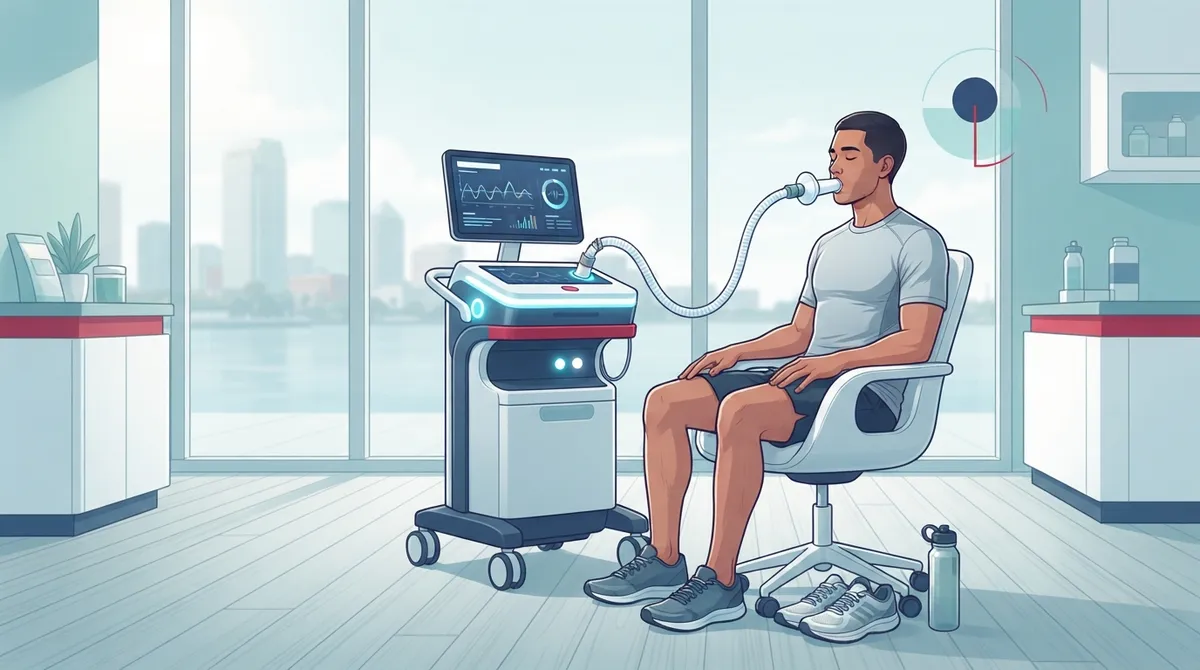
There are two main options. A home sleep apnea test (HSAT) is done in your own bed. An in-lab polysomnogram is done overnight at a sleep center. The right choice depends on your health history.
|
Feature |
Home Sleep Apnea Test (HSAT) |
In-Lab Polysomnogram |
|---|---|---|
|
Location |
Your own bed |
Sleep center |
|
Best for |
Uncomplicated adults with symptoms suggesting moderate-to-severe OSA |
Patients with heart or lung disease, prior stroke, chronic opioid use, or other complex needs |
|
Staff attendance |
Usually unattended |
Attended by a technologist |
|
Follow-up if unclear |
May need in-lab study |
Considered more comprehensive |
11. Choosing the Wrong Test for Your Health Profile
AASM guidance favors in-lab testing for people with significant heart or lung disease, possible respiratory muscle weakness, suspected hypoventilation, chronic opioid use, prior stroke, or severe insomnia. A home test may not be safe or accurate for everyone. Your clinician should match the test to you.
12. Believing a Negative Home Test Rules Out Sleep Apnea
A negative, inconclusive, or technically inadequate home test does not always close the case. If suspicion remains, AASM guidance recommends an in-lab polysomnogram. Do not give up after one result if your symptoms continue.
13. Stopping Treatment Too Soon
Treatment is individualized. Positive airway pressure (PAP), often called CPAP, is a standard option. Others include oral appliances, positional measures, weight management when appropriate, and selected procedures. Many patients quit CPAP early because of mask discomfort. Follow-up visits help adjust your plan and improve use.
14. Overlooking Weight and Metabolic Health
Weight management can play a role in some cases of sleep apnea. A personalized approach may help. Explore our weight loss programs and metabolic breath analysis to see how metabolism fits into your overall picture.
15. Not Confirming Coverage and Availability First
Insurance rules for sleep studies and CPAP vary. Appointment wait times can also differ. Before you commit, confirm current services, clinician credentials, insurance coverage, and appointment availability directly with each provider.
How Primary Care Fits Into Fatigue and Sleep Apnea Care
A primary care clinic is often the best first stop. Your clinician can review symptoms, health history, and medications. They can also check for other causes and decide whether sleep testing or a referral makes sense.
This team approach reduces wasted time. It also keeps one clinician aware of your whole health, not just one symptom. Our article on fragmented care vs. coordinated care explains why this matters.
InCare serves Tampa and Riverview with personalized primary care and advanced wellness tools. Patients can also use telemedicine for convenient follow-up. Visit our primary care page to learn more, or review how to find a sleep apnea doctor in Tampa and Riverview.
Local Sleep Resources in Tampa
Tampa has specialized sleep resources. Tampa General Hospital's Sleep Disorders Center reports offering adult and pediatric sleep evaluation, in-lab and home sleep studies, and ongoing care. A primary care or wellness clinic can serve as your starting point for fatigue assessment and referral when specialty testing is needed.
Please confirm current services, credentials, and insurance details with any provider before booking.
What to Bring to Your Appointment
A little preparation makes your visit far more useful. Use this simple checklist:
- Write down your symptoms and how long they have lasted.
- List every medication and supplement you take.
- Ask your bed partner what they notice at night.
- Track your sleep and wake times for one to two weeks.
- Note your caffeine and alcohol habits.
- Bring past test results and your health history.
- Prepare questions about testing, treatment, and insurance.
Our guide on new patient appointments explains what to expect at your first visit.
Who Benefits Most From an Early Evaluation?
Many groups gain from acting sooner rather than later:
- Busy parents who run on little sleep and assume exhaustion is normal
- Tech-savvy professionals who want fast, convenient answers and virtual options
- Wellness-focused adults who want to optimize energy and long-term health
- Young adults and women without an established doctor who are dealing with unexplained fatigue
If any of these sound like you, an early visit can save months of frustration. Our sleep mistakes article offers extra tips for better rest.
Why Choose InCare for Fatigue Concerns
InCare blends medical expertise with modern technology. We look at the full picture, from labs and metabolism to sleep habits and stress. Our providers help you decide on next steps and coordinate sleep testing or referrals when needed. You can meet our team on the providers page or see our Tampa and Riverview locations.
Patients tell us they value the friendly staff and personal attention. See what others say, and visit us on Google — InCare to read reviews of our Tampa and Riverview care. You can also follow our health tips on Instagram, Facebook, and TikTok.
Take the First Step Toward Better Energy
Constant tiredness is not something you have to live with. The right fatigue and sleep apnea clinic in Tampa will look beyond one cause, match you with the right test, and follow up on treatment. Avoiding the 15 mistakes above puts you ahead of most patients.
Ready for answers? Book Now to start your evaluation, or contact our team with any questions. Your best-rested days may be closer than you think.
FAQs
Q: Could sleep apnea be causing my fatigue even if I do not wake up during the night?
A: Yes. Many people with sleep apnea never fully wake up, yet their sleep is repeatedly interrupted by breathing pauses. Daytime fatigue and unrefreshing sleep may be the only signs. A bed partner's observations can also help your clinician spot the problem.
Q: Should I see a primary care clinician or a sleep specialist for fatigue and suspected sleep apnea?
A: A primary care clinician is often a good starting point. They can review your symptoms, medications, and health history, check for other causes like anemia or thyroid disease, and arrange sleep testing or a specialist referral if needed.
Q: What is the difference between a home sleep apnea test and an in-lab sleep study?
A: A home sleep apnea test is done in your own bed and suits many uncomplicated adults. An in-lab polysomnogram is attended overnight at a sleep center and is often preferred for people with heart or lung disease, prior stroke, or chronic opioid use. Your clinician chooses based on your health history.
Q: Can a negative home sleep apnea test rule out sleep apnea?
A: Not always. If a home test is negative, inconclusive, or technically inadequate but symptoms continue, AASM guidance recommends an in-lab polysomnogram. Talk with your clinician if your fatigue persists after a negative result.
Q: What treatments are available for sleep apnea?
A: Treatment is individualized. Positive airway pressure (CPAP) is a standard option, and others include oral appliances, positional measures, weight management when appropriate, and selected procedures. Follow-up visits help assess symptoms, treatment use, and response.