
Key Takeaways
- A well-designed 2011 placebo-controlled trial found that 500 mg oral glutathione twice daily for four weeks produced no significant improvement in glutathione status or oxidative-stress markers, challenging marketing claims about effectiveness.
- NAC and glutathione are distinct supplements with different safety profiles; NAC can interact dangerously with nitroglycerin (causing severe headaches and low blood pressure), blood thinners, and blood pressure medications, requiring medication review before use.
- IV glutathione carries serious risks including anaphylaxis and liver injury with inconsistent dosing across providers, making it unsuitable as a routine wellness option despite marketing claims for skin lightening and anti-aging.
- Look for glutathione products with third-party quality testing since the FDA doesn't approve supplements for effectiveness before sale, meaning actual potency may not match labels and contamination risks exist.
Glutathione supplements fill shelves at wellness shops and pharmacies across Tampa and Riverview. Ads promise clearer skin, better energy, and a stronger immune system. But what does the science actually say? If you are thinking about adding glutathione boosting supplements to your routine, you deserve honest, clear answers before you spend your money.
This guide breaks down 14 key facts about glutathione supplements. We cover what they are, how they work, what the research shows, and when to talk with a doctor. Whether you are a busy parent, a wellness-focused professional, or someone exploring DNA gene testing and other prevention tools, this article gives you the facts you need to make a smart choice.

1. Glutathione Is a Natural Antioxidant Your Body Already Makes
Glutathione (GSH) is not a foreign chemical. Your body builds it from three amino acids: glutamate, cysteine, and glycine. It helps keep your cells balanced and supports your body's natural detox systems.
Having a role in the body does not automatically mean a supplement will boost your health. This is a key point to understand before you buy any product.
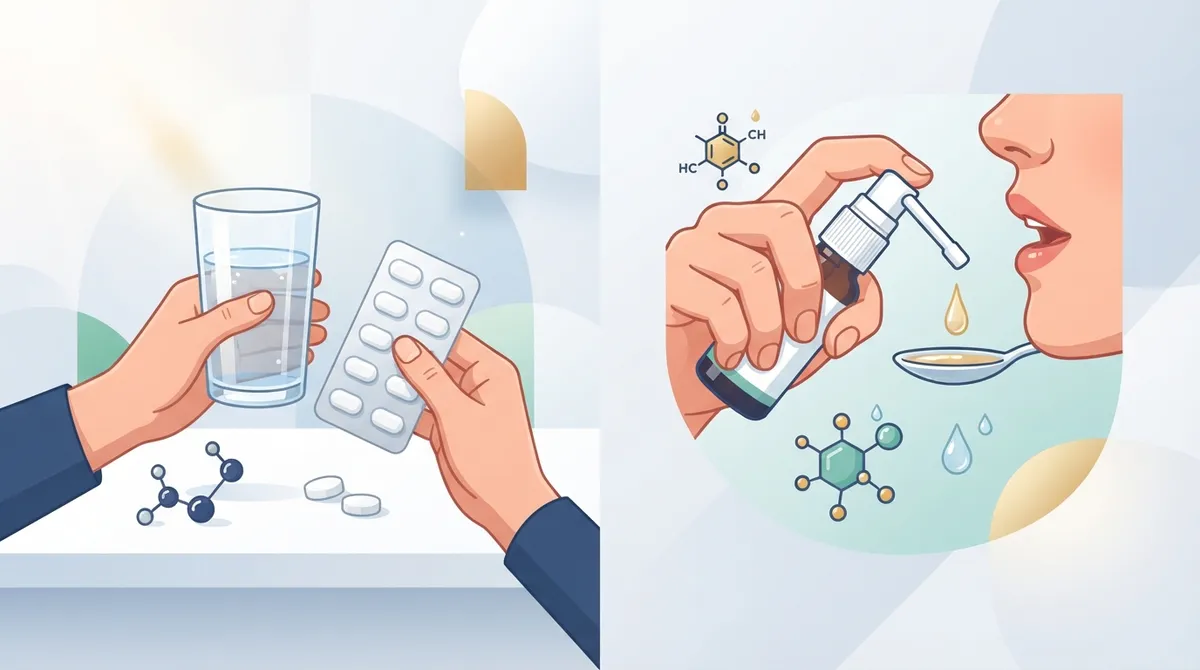
2. There Are Several Ways to Take Glutathione
Not all glutathione products work the same way. Here are the main types people use:
- Oral reduced glutathione capsules or tablets
- Liposomal or micellar glutathione, designed for better absorption
- N-acetylcysteine (NAC), which is not glutathione itself but can help raise levels
- Intravenous (IV) glutathione, given through a vein
NAC has its own safety profile and drug interactions. It should not be confused with glutathione supplements, even though people often group them together.
3. Evidence for Oral Glutathione Is Limited and Mixed
A randomized, double-blind, placebo-controlled trial gave healthy adults 500 mg of oral glutathione twice daily for four weeks. The result? No significant improvement in glutathione status or oxidative-stress markers.
This 2011 study is often cited because it was well designed. It shows that taking a supplement does not guarantee a measurable health benefit, even in healthy people.
4. Newer Studies Show Some Promise, But Stay Small
Some smaller trials suggest oral or liposomal glutathione may raise blood or cell levels of the antioxidant. But raising a lab number is not the same as improving your health.
- A ClinicalTrials.gov study tested 500 mg/day of Setria glutathione in older adults over 120 days to study immune function.
- Another registered study looked at liposomal glutathione at 500 mg and 1,000 mg per day for four weeks in just 12 healthy adults.
- A third trial tested 250 mg/day and 1,000 mg/day over six to seven months to explore dosing questions that remain unresolved.
These studies are useful starting points. But they are too small and too short to prove lasting benefits.
5. A 2026 Pilot Study Looked at Micellar Glutathione
A randomized crossover pilot study published in 2026 tested a micellar glutathione formula against a standard one. The micellar version showed about 2.49 times greater absorption and 2.43 times higher peak blood levels.
The study also found no meaningful changes in liver enzymes or kidney markers after 30 days. This is a good early sign for tolerability. However, it was a short pilot in healthy adults, not proof of long-term benefit.
6. Side Effects Are Usually Mild, But Not Zero
Short-term studies report that oral glutathione is generally well tolerated. Still, some people notice side effects. Common ones include:
- Abdominal discomfort or cramping
- Gas or bloating
- Loose stools
- Nausea
- Indigestion
Long-term safety data and the best dose are still not clearly established. This is why a conversation with your primary care provider matters before starting any new supplement.
7. IV Glutathione Carries More Risk Than Oral Forms
Some clinics offer IV glutathione for wellness or skin lightening. This is a different category entirely from oral supplements.
Published safety reviews describe serious risks with IV glutathione, including anaphylaxis and liver injury. Dosing is also inconsistent across providers, and clinical evidence supporting its use remains thin. Primary care clinicians should be cautious about recommending nonessential IV glutathione for general wellness.
8. Claims About Detox, Immunity, and Anti-Aging Are Often Overstated
Marketing for glutathione supplements often promises broad benefits. These include immune support, liver protection, detox, anti-aging, and better athletic performance.
Right now, these claims are largely unproven for routine use in healthy people. Supplements should never replace proven habits like good sleep, balanced nutrition, regular exercise, vaccination, and routine primary care visits.
9. Skin-Lightening Claims Have Some Support, But Results Vary
Some smaller studies looked at glutathione for skin tone and hyperpigmentation. One trial using 500 mg/day for four weeks found lower melanin levels in some sun-exposed skin areas. Other studies found no real change.
Results are inconsistent, and it is unclear how long any improvement lasts. Long-term safety data is also limited. If you are interested in skin health goals, ask a provider about proven options first.
10. Supplement Quality Varies Widely
The FDA does not approve dietary supplements for effectiveness before they hit store shelves. This means:
- Actual potency may not match the label
- Contamination risks exist without independent testing
- Formulations can vary from batch to batch
- Labeling accuracy is not guaranteed
Look for products with third-party quality testing. This step helps reduce your risk of taking something that does not match what the label promises.
11. Medication Interactions Deserve Serious Attention
Always tell your clinician if you are taking glutathione, NAC, or other antioxidant supplements. This matters most before surgery or if you take prescription medicine.
NAC, in particular, can interact with nitroglycerin, causing low blood pressure and severe headaches. It may also interact with blood thinners and blood pressure medications. A medication review with your provider helps you avoid these risks.
12. Certain Groups Should Be Extra Careful
Some people face higher risks from supplement use and should check with a clinician first. This includes:
- People who are pregnant or breastfeeding
- Children
- Individuals with liver or kidney disease
- People with asthma, cancer, or HIV
- Anyone on a complex medication regimen
There is no universally agreed-upon dose or daily allowance for glutathione supplements. This makes personalized guidance even more important.
13. A Trusted Primary Care Team Can Help You Decide
Choosing the right supplement approach starts with a conversation, not a guess. A visit with your provider can help you weigh the evidence, check for interactions, and set realistic expectations.
At InCare, our team combines primary care expertise with advanced wellness tools. Whether you are curious about antioxidant support, exploring body composition analysis, or asking about IV hydration and vitamin drips, our physicians in Tampa and Riverview are ready to guide you with clear, evidence-based advice.
14. Supplements Work Best as Part of a Bigger Picture
Glutathione boosting supplements are not a shortcut to better health. They may play a small supporting role, but they cannot replace the basics.
Real, lasting wellness comes from a combination of things:
- Regular annual wellness visits
- Preventive cancer screenings
- Balanced nutrition and consistent movement
- Personalized guidance through tools like metabolic breath analysis
InCare patients often follow us on Facebook and Instagram for wellness tips, and many share their experiences on Tik Tok as well. These channels are a great way to stay informed between visits.
Comparing Common Glutathione Supplement Types
|
Type |
Typical Dose Studied |
Absorption |
Evidence Level |
|---|---|---|---|
|
Standard Oral Glutathione |
250–1,000 mg/day |
Limited |
Mixed, small trials |
|
Liposomal Glutathione |
500–1,000 mg/day |
Improved vs. standard |
Small, short-term studies |
|
Micellar Glutathione (2026 pilot) |
300 mg/day |
~2.49x greater exposure |
Single short pilot study |
|
NAC (raises glutathione indirectly) |
Varies by use |
Well studied |
Different evidence base than glutathione |
|
IV Glutathione |
Not standardized |
Direct, high risk |
Inconsistent, safety concerns |
Quick Checklist Before You Start a Glutathione Supplement
- Talk to your primary care provider about your health history
- Disclose all current medications and supplements
- Choose a product with third-party testing
- Set realistic expectations based on current evidence
- Avoid IV glutathione unless medically necessary and supervised
- Continue proven preventive care, including screenings and checkups
Many patients researching this topic also read about how to make preventive care work for your health or explore weight loss programs alongside their wellness goals. A well-rounded approach almost always beats a single supplement.
Why Choose InCare for Wellness Guidance in Tampa and Riverview
InCare combines personalized primary care with modern wellness tools, all under one roof. Our physicians, including those featured on our About Us page, take time to review your full health picture before recommending any supplement or therapy.
We understand that patients want honest answers, not hype. That is why our team reviews the latest research, checks for drug interactions, and helps you set goals that fit your actual health needs. You can see what real patients say by visiting us on Google — Visit us on Google — InCare, where our Tampa and Riverview locations maintain strong patient ratings.
Take the Next Step Toward Informed Wellness
Glutathione boosting supplements may have a place in your wellness routine, but only with the right guidance. Skipping the guesswork starts with a conversation with a trusted primary care team.
Ready to talk through your options? Reach out to our team today or schedule your visit online now to get personalized, evidence-based guidance from InCare's Tampa and Riverview providers.
FAQs
Q: What are glutathione boosting supplements supposed to do?
A: They are marketed to support antioxidant activity, detoxification, immune health, liver function, and skin tone. Current research shows a plausible biological role, but limited proof that supplements meaningfully improve these outcomes in healthy people.
Q: Is oral glutathione effective for detoxification, immunity, or liver health?
A: Evidence remains limited and inconsistent. A well-designed placebo-controlled trial found no significant improvement in glutathione status or oxidative-stress markers after four weeks of use, so these health claims should be viewed as unproven.
Q: Is NAC better than glutathione for raising glutathione levels?
A: NAC supplies cysteine and can help raise glutathione levels, but it is a distinct supplement with its own safety and interaction profile. It should not be treated as interchangeable with direct glutathione supplements.
Q: What are the side effects and medication interactions of glutathione or NAC?
A: Reported side effects are usually mild, including stomach discomfort, gas, loose stools, and nausea. NAC may interact with nitroglycerin, blood thinners, and blood pressure medications, so a medication review with your doctor is recommended.
Q: Is intravenous glutathione safe for wellness or skin lightening?
A: IV glutathione carries more risk than oral forms, with reported cases of severe allergic reactions and liver injury. Dosing is inconsistent across providers, and clinical evidence is limited, so it should not be treated as a routine wellness option.