Key Takeaways
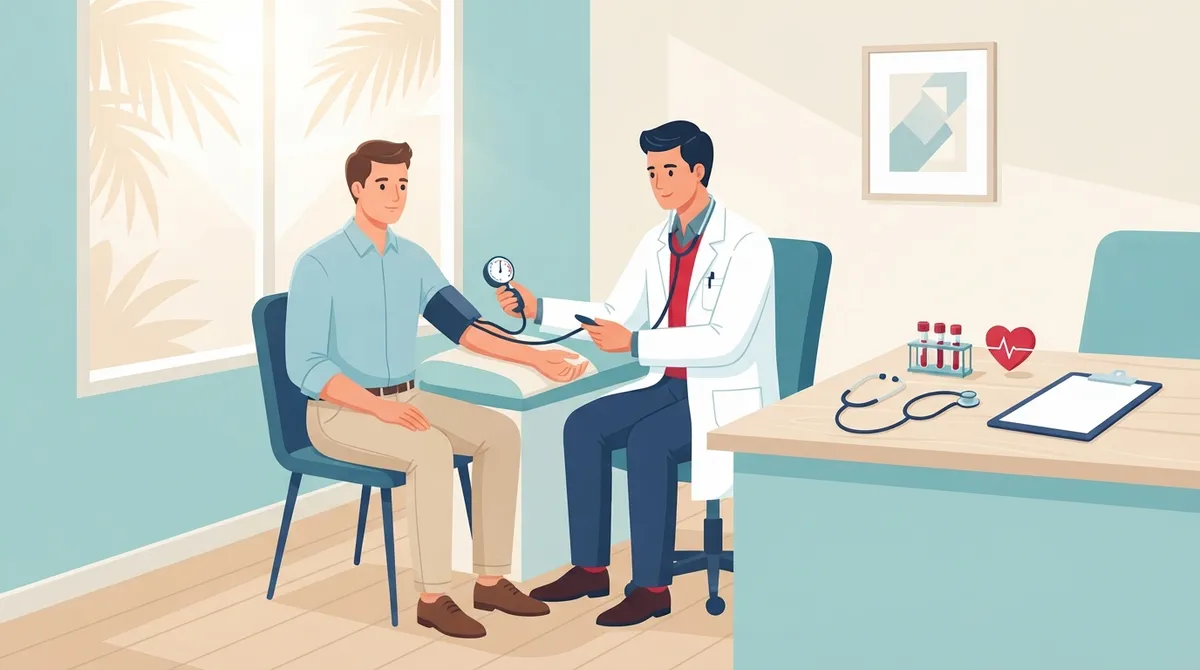
- ED can be an early warning sign of heart disease or diabetes, so a good visit should check blood pressure, cholesterol, blood sugar, and medications, not just sexual function.
- Low testosterone should be confirmed with at least two morning total testosterone measurements, plus symptoms or signs, with deficiency generally defined as below 300 ng/dL.
- A quality clinic takes a full medical, sexual, and psychosocial history and performs a physical exam before prescribing; skipping these steps is a red flag.
- Seek prompt care for sudden severe genital pain, an erection lasting too long, blood in urine or semen, or possible STI exposure with symptoms.
Sexual health is a normal part of men's overall health, yet many men wait years before they talk to a doctor about it. Concerns like erectile dysfunction, low libido, low testosterone, or possible STI exposure can feel hard to bring up. Still, they are common, and they are often linked to other health issues that deserve attention.
If you are searching for a mens sexual health clinic Tampa offers, you will find many choices. Some are specialty practices. Others are primary care clinics that treat sexual health as part of whole-body care. Knowing what a quality clinic should offer helps you choose with confidence in 2026.
This guide covers 13 things to know before you book. You will learn what services to expect, which tests matter, and how to spot red flags. You will also learn when a symptom needs prompt care. InCare, with locations in Tampa and Riverview, takes a prevention-first approach that connects sexual wellness to your full health picture.

1. Understand What a Men's Sexual Health Clinic Actually Treats
A men's sexual health clinic in Tampa may offer evaluation and care for several concerns. Services vary, so always confirm what is available before you go.
- Erectile dysfunction (ED)
- Low libido or reduced sex drive
- Possible low testosterone
- Fertility or ejaculation concerns
- STI screening, treatment, and prevention
In a primary care setting, these topics are handled together. That matters because sexual symptoms rarely stand alone. They often connect to heart health, blood sugar, sleep, stress, and medications.
2. Know That ED Can Be an Early Warning Sign
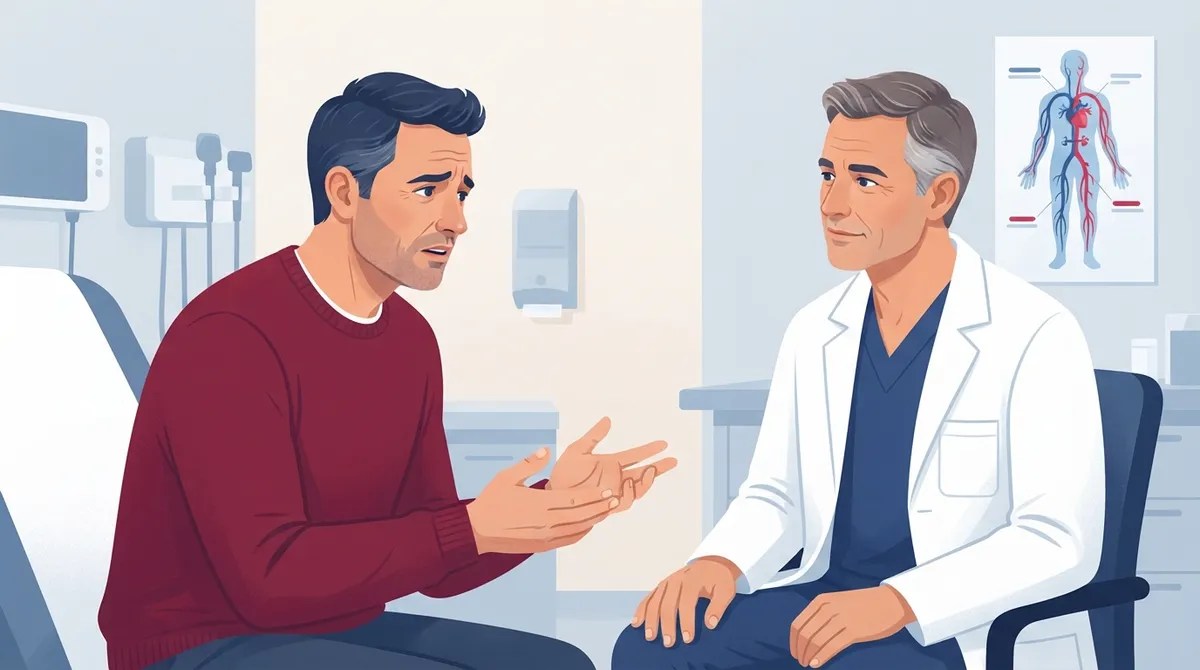
Erectile dysfunction is not only a performance issue. It can be a marker of cardiovascular disease, diabetes, or other conditions. A good visit should look at blood pressure, cholesterol, blood sugar, and medication effects.
This is one reason many men prefer a clinic that offers full primary care. Your sexual health concern becomes a chance to catch problems early. You can learn more about how this works in our guide to primary care vs specialist care.
3. Expect a Thorough History and Exam
The American Urological Association (AUA) recommends a full medical, sexual, and psychosocial history for men with ED. It also recommends a physical exam and selective lab testing. A clinic that skips these steps and moves straight to a prescription is a red flag.
Be ready to share details about your symptoms, your medications, your mental health, and your lifestyle. Honest answers lead to better care. Everything you share is confidential.
4. Learn How Testosterone Is Properly Tested
Low testosterone can cause low energy, reduced libido, and mood changes. But testing must be done correctly. The AUA recommends measuring morning total testosterone in men with ED. It also advises at least two morning measurements before diagnosing a deficiency.
The AUA describes deficiency as total testosterone below 300 ng/dL together with symptoms or signs. A single random test is not enough. If a clinic offers treatment after only one test, ask questions. For a deeper look at this topic, read our overview on hormone care or see who provides medically supervised TRT in Tampa Bay.
|
Step |
What Should Happen |
Why It Matters |
|---|---|---|
|
Symptom review |
Discuss libido, energy, mood, sleep |
Confirms symptoms fit possible deficiency |
|
Morning blood test |
Total testosterone drawn in the morning |
Levels are highest early in the day |
|
Repeat test |
At least two morning measurements |
Prevents a false or one-time result |
|
Health screening |
Check blood pressure, blood sugar, cholesterol |
Finds other causes and risks |
|
Monitoring |
Follow-up labs if treated |
Keeps therapy safe and effective |
5. Ask About ED Treatment Options
ED treatment is individualized. Depending on the cause and your medical history, a clinician may discuss:
- Lifestyle changes such as exercise, weight loss, and better sleep
- Medication, when appropriate and safe
- Counseling for stress, anxiety, or relationship concerns
- Referral to urology or another specialist
Always tell your clinician about every medication you take. This is especially true for nitrates, since combining them with ED drugs can be dangerous. A trustworthy clinic will ask about this before prescribing anything.
6. Check Whether STI Services Are Included
STI care is a key part of men's sexual health. Services may include risk assessment, screening, treatment, vaccination counseling, and prevention options such as HIV pre-exposure prophylaxis (PrEP). Offerings differ by clinic, so ask directly.
The need is real. CDC provisional 2024 surveillance reported 2,249,636 combined U.S. cases of chlamydia, gonorrhea, and syphilis. That is 8.5% lower than 2023, but still 12.7% above 2015. Florida Health Charts listed 4,376 Florida syphilis cases in 2024, a rate of 19.3 per 100,000.
Screening depends on symptoms, partners, and individual risk. Ask which tests are right for you rather than assuming one panel fits everyone.
7. Review the Latest STI Numbers
These national figures show why regular, risk-based screening matters for men. They come from CDC provisional 2024 data.
|
Condition |
2024 U.S. Figure |
|---|---|
|
Chlamydia, gonorrhea, and syphilis combined |
2,249,636 cases |
|
Gonorrhea |
543,409 cases |
|
Chlamydia |
About 1.5 million cases |
|
Syphilis, all stages |
190,242 cases (120,567 among men) |
|
Primary and secondary syphilis among men |
29,575 cases |
Local Tampa or Hillsborough figures were not available in these sources. That is why asking your clinician about risk-based testing is so useful.
8. Look for Confidential, Judgment-Free Care
Many men delay care because of embarrassment. A good clinic makes the visit simple and respectful. It should explain what will happen, protect your privacy, and never make you feel judged.
Convenience also counts. Tech-savvy patients often value online booking and virtual visit options. InCare offers in-person care in Tampa and Riverview, plus telemedicine appointments, so you can start the conversation in a way that feels comfortable. You can book an appointment online in minutes.
9. Verify Credentials and Current Information
Clinic websites are promotional by nature. Before you commit, verify these items directly:
- The clinician's license and board certification
- The services currently offered at that location
- Costs, insurance acceptance, and self-pay pricing
- Follow-up care and monitoring plans
- Whether the practice is still operating
That last point is worth checking. One Tampa-area search result reported a practice discontinuing operations effective July 1, 2026. A quick phone call can save you time. You can also read patient feedback through our InCare Google Business Profile.
10. Choose Whole-Body Care Over One-Issue Care
Some men's clinics focus on one product, such as a single medication. Whole-body care looks wider. It asks why symptoms are happening and how to improve your overall health.
At InCare, wellness tools such as metabolic breath analysis, body composition analysis, DNA gene testing, and weight loss programs support the same goals. Excess weight, poor metabolic health, and chronic stress can all affect sexual function. Read how a doctor-led plan works in 14 ways a primary care doctor aids weight loss.
11. Know the Signs That Need Prompt Care
Some symptoms should not wait for a routine appointment. Seek prompt medical care for:
- Sudden or severe genital pain
- An erection that lasts too long
- Blood in urine or semen
- Possible STI exposure with symptoms
A primary care or urgent care clinician can provide initial evaluation and coordinate specialist care if needed. If you are unsure which setting fits, see our guide on primary care vs urgent care.
12. Ask About Fertility and Treatment Effects
If you hope to have children now or later, tell your clinician. Some treatments, including testosterone therapy, can affect fertility. A careful provider will discuss this before starting therapy and will explain how treatment is monitored over time.
Fertility and ejaculation concerns also deserve their own evaluation. Ask whether the clinic can assess them or refer you to a specialist.
13. Prepare for Your First Appointment
A little preparation makes your visit more productive. Before you go:
- Write down your symptoms and when they began
- List all medications and supplements
- Note any past diagnoses, such as diabetes or high blood pressure
- Prepare questions about testing, treatment, cost, and follow-up
- Bring recent lab results if you have them
Also review how to find the right provider with our guide to the best primary care doctor in Tampa. If you want regular check-ins, a yearly exam is a smart start. See what happens during an annual physical exam.
Why Primary Care Is a Smart Starting Point
For many men, a primary care clinic is the easiest first step. You can discuss sexual health, get baseline labs, and receive referrals if needed, all in one place. Your clinician also knows your full history, which makes treatment safer.
This approach fits busy professionals, young families, and wellness-minded patients who want clear answers without a long runaround. For more on staying ahead of problems, read how to get the most from preventive care visits. You can also follow InCare for health tips on Instagram, Facebook, and TikTok.
Take the Next Step Toward Better Sexual Health
Choosing a mens sexual health clinic Tampa residents can trust comes down to thorough evaluation, honest guidance, and care that looks at your whole health. Look for proper testing, clear treatment options, confidential service, and solid follow-up. Avoid quick fixes that skip the basics.
InCare offers personalized primary care, urgent care, and advanced wellness services in Tampa and Riverview. If you are ready to talk with a clinician, Book Now or contact our team with your questions today.
FAQs
Q: What services does a men's sexual health clinic in Tampa provide?
A: Services vary by clinic but commonly include evaluation for erectile dysfunction, low libido, possible low testosterone, and fertility or ejaculation concerns. Many also offer STI screening, treatment, and prevention counseling. Confirm the exact services and any referral options before you book.
Q: Can erectile dysfunction be a sign of heart disease or diabetes?
A: Yes. ED can be a marker of cardiovascular disease, diabetes, and other health conditions. For this reason, a thorough visit should review blood pressure, cholesterol, blood sugar, medications, and lifestyle, not only sexual performance.
Q: How is low testosterone diagnosed, and do I need more than one test?
A: AUA guidance recommends measuring morning total testosterone and obtaining at least two morning measurements before diagnosing deficiency. A diagnosis also requires compatible symptoms or signs, with total testosterone below 300 ng/dL. Treatment should be based on clinical evaluation and monitored by a qualified clinician.
Q: What should I expect at a first appointment for erectile dysfunction?
A: Expect a medical, sexual, and psychosocial history, a physical exam, and selective lab tests. Your clinician will also ask about all medications, including nitrates. Treatment is then tailored to the likely cause and may include lifestyle changes, medication, counseling, or specialist referral.
Q: When should I seek prompt medical care for a sexual health symptom?
A: Seek prompt care for sudden or severe genital pain, a prolonged erection, blood in urine or semen, or possible STI exposure with symptoms. A primary care or urgent care clinician can evaluate you and coordinate specialist care when needed.