Key Takeaways
- Compounded peptides are not FDA-approved, and the FDA does not review them for safety, effectiveness, or quality before they are sold, so 'available for compounding' never means proven.
- Evidence varies widely by peptide: FDA materials flag concerns about BPC-157, including limited human safety data and possible immune reactions, so clinics should not treat all peptides the same.
- Verify the prescriber's license through the Florida Department of Health and ask for the dispensing pharmacy's name, then confirm its Florida licensure and sterile-compounding permits.
- Avoid clinics that guarantee results, sell 'research chemicals,' or offer no follow-up, and make sure a physician reviews your history and monitors you after the first dose.
Searching for a compounded peptide clinic in Tampa can feel confusing. Social media makes big promises. Websites list long menus of injections. Prices vary widely. Yet the rules behind these products are far less simple than the marketing suggests.
In Tampa's primary care and wellness market, a compounded peptide clinic is a practice that evaluates patients and may prescribe a peptide mixed by a compounding pharmacy. That is a very different thing from an FDA-approved medication. Compounded drugs are not reviewed by the FDA for safety, effectiveness, or quality before they are sold. Evidence also varies a great deal from one peptide to the next.
This guide covers 13 common mistakes patients make when choosing a compounded peptide clinic in Tampa in 2026. Each one is easy to avoid once you know what to look for. Use this list to ask better questions, protect your health, and spot clinics that put medical care ahead of sales.

What a Compounded Peptide Clinic in Tampa Actually Does
Before the mistakes, it helps to define the term. Peptides are short chains of amino acids. Some are well-established medicines. Others are experimental or have limited human safety data. A compounded peptide is one that a licensed pharmacy prepares for an individual patient, based on a prescriber's order.
The FDA notes that compounding may be appropriate when a prescriber decides an approved drug cannot meet a patient's specific medical need. It is not meant to be a shortcut around approval. A clinic's marketing claims are not proof that a peptide is approved or proven to work.
A responsible clinic should do five things:
- Take a full medical history and review your current medications
- Explain the evidence and regulatory status of the specific peptide
- Discuss risks, side effects, and alternatives
- Tell you which licensed pharmacy compounds and dispenses the product
- Arrange follow-up and monitoring
If a clinic skips these steps, that is your first warning sign.
Mistakes About Safety and Regulation
1. Assuming Compounded Means FDA-Approved
This is the most common error. Compounded drugs are not FDA-approved. The agency does not check them for safety, effectiveness, or quality before marketing. A product being "available for compounding" does not make it approved or proven. For a deeper comparison, read FDA-Approved vs. Compounded Peptides: Which Wins?
2. Treating Every Peptide as the Same
FDA status is specific to each substance and can change. Recent FDA review materials describe concerns about certain peptides, including BPC-157, citing limited human safety information and possible immune reactions. A clinic that lumps all peptides together is not giving you the full picture. If BPC-157 interests you, see 5 BPC-157 Buying Mistakes That Put Your Health at Risk.
3. Ignoring the Pharmacy Behind the Product
Florida requires pharmacies that prepare sterile compounded products to meet state standards. Under Florida Statutes section 465.0158, a nonresident pharmacy or outsourcing facility that ships sterile compounded products into Florida must hold the proper permit. State rules also reference USP Chapter 797 standards for sterile compounding.
Ask the clinic for the pharmacy's name. Then ask that pharmacy about its Florida licensure and sterile-compounding permits. A good clinic answers without hesitation.
4. Buying "Research Chemicals" Online
Some sellers label products as "for research purposes only" to avoid medical oversight. These items may have no prescriber, no quality testing, and no accountability. Avoid any product sold without a prescription and clinical supervision.
Mistakes About Evidence and Expectations
5. Believing Guaranteed Results
No honest clinic can promise specific outcomes from unapproved peptides. Be cautious of before-and-after photos, timelines, or phrases like "proven to reverse aging." Evidence for many peptides comes from animal studies or small human trials. Our article on Peptides for Recovery: What the Evidence Really Shows explains what the research can and cannot say.
6. Skipping the Evidence Conversation
Ask a simple question: "What human studies support this peptide for my condition?" A trustworthy provider can explain what is known and what is not. If the answer is vague or defensive, keep looking.
7. Choosing Peptides Before Fixing the Basics
Fatigue, weight gain, poor sleep, and slow recovery often have common causes. Thyroid problems, low vitamin levels, sleep apnea, and blood sugar issues are all possible. A strong primary care workup can find these first. Peptides should not replace a proper diagnosis. If sleep is part of your concern, review How to Know When to See a Doctor for Poor Sleep.
Mistakes About Clinic Selection
8. Choosing a Clinic With No Medical Oversight
Some spas and online shops sell peptide plans with little physician involvement. Look for a licensed prescriber who reviews your history, orders labs when needed, and monitors your response. You can verify a clinician's license through the Florida Department of Health.
9. Not Asking Who Monitors Your Treatment
Ask who will follow you after the first dose. Will you have check-ins? Will labs be repeated? Who do you call if you have a reaction? Treatment without follow-up is a red flag. For a full list of questions, see 15 Questions to Ask a Peptide Therapy Clinic in Tampa.
10. Comparing Clinics by Price Alone
The cheapest option is not always the safest. Price can reflect the quality of the pharmacy, the level of medical oversight, and the follow-up care you receive. If cost matters to you, learn What Does Monthly Peptide Therapy Cost in Tampa? so you can compare fairly.
Mistakes About Risks and Follow-Through
11. Overlooking Injection Risks
Risks depend on the substance, the route, and the product. For injections, possible problems include local reactions at the injection site and infection from contaminated products. FDA materials also flag immune reactions and insufficient safety data for some peptides. Never inject anything you do not fully understand.
12. Mixing Peptides With Other Medications Without Review
If you take prescription drugs, supplements, or weight loss medications, combining them with peptides without a review can be risky. Always share your full medication list. Our guide on 7 Mistakes When You Combine Peptides With GLP-1 Drugs shows how easily this goes wrong.
13. Dropping Your Primary Care Relationship
The biggest mistake may be treating peptides as a replacement for regular care. Annual exams, screenings, and chronic condition management still matter most. A clinic that discourages you from seeing your regular doctor is not acting in your interest.
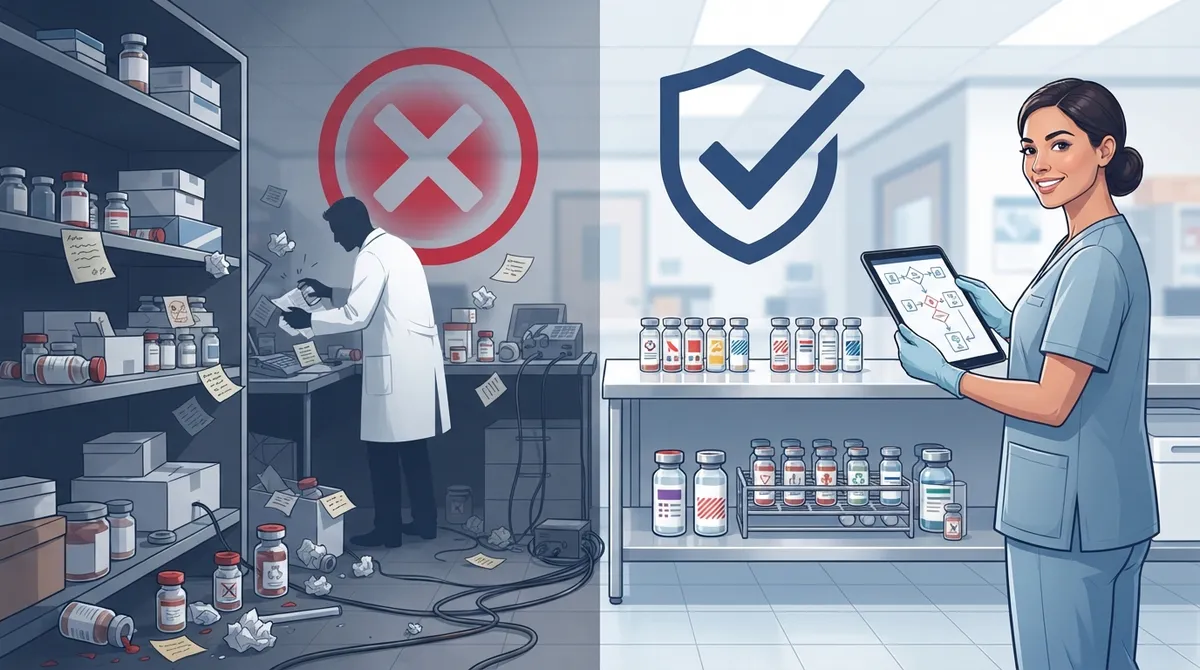
Quick Comparison: Strong vs. Weak Clinic Signals
|
What to Check |
Strong Signal |
Weak Signal |
|---|---|---|
|
Prescriber |
Licensed clinician who reviews your history |
No clear prescriber or only a sales rep |
|
Evidence talk |
Explains what is proven and unproven |
Promises guaranteed results |
|
Pharmacy |
Names a licensed Florida-compliant pharmacy |
Cannot or will not name the pharmacy |
|
Regulatory status |
States the product is compounded, not FDA-approved |
Implies approval or "clinically proven" status |
|
Follow-up |
Scheduled check-ins and lab monitoring |
One-time sale with no follow-up |
|
Primary care |
Encourages routine preventive care |
Pushes peptides as a cure-all |
A Safer Way to Start in Tampa
Follow these steps before you commit to any peptide plan:
- Book a primary care visit to review your symptoms, history, and current medications.
- Ask about labs that may explain what you feel, such as thyroid, vitamin, and metabolic markers.
- Ask whether an FDA-approved option could meet your need first.
- If a compounded product is discussed, request the peptide's regulatory status in writing.
- Verify the prescriber's license and ask for the dispensing pharmacy's name.
- Agree on a follow-up schedule before your first dose.
This approach keeps your health at the center. It also helps you spot clinics that cut corners. If you want a primary care partner first, our guide to choosing the best primary care doctor in Tampa is a good place to begin.
Why Primary Care Is the Right Starting Point
A primary care and wellness clinic looks at the whole person. That means screenings, lab work, chronic condition care, and prevention, all in one place. It also means a physician who knows your history can tell you when a peptide discussion makes sense and when it does not.
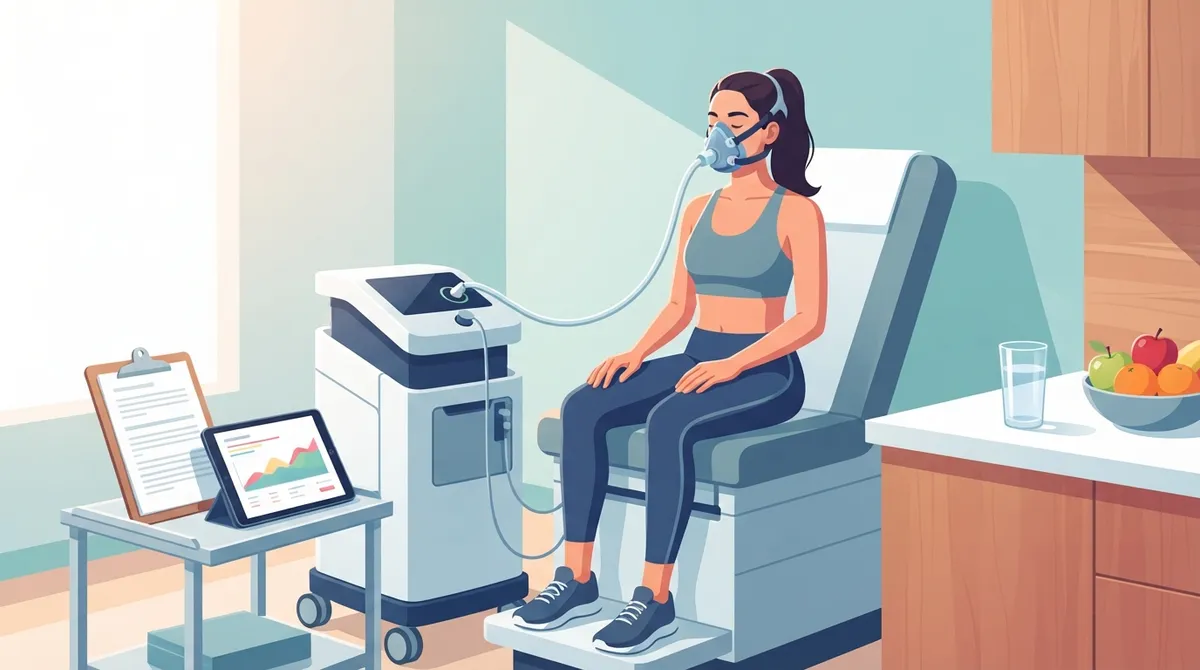
InCare is a personalized healthcare clinic with locations in Tampa and Riverview, Florida. The team combines modern technology with medical expertise, offering primary care, urgent care, weight loss programs, DNA gene testing, metabolic breath analysis, and IV hydration therapy. The focus is prevention and whole-body optimization. Patients can also read reviews and see the clinic on Google: Visit us on Google — InCare.
When you build care around a trusted physician, any conversation about peptides happens in the right context. You get evidence-based guidance, honest answers, and a plan that fits your goals. You can also follow InCare for health tips on Instagram, Facebook, and TikTok.
Conclusion
A compounded peptide clinic in Tampa can be a useful part of a wellness plan, but only when the clinic is transparent, medically supervised, and honest about the evidence. Avoid the 13 mistakes above. Do not confuse compounded with approved. Verify licenses and pharmacies. Expect real follow-up. Keep your primary care relationship strong.
Ready for a safer, more informed start? Book Now to meet with an InCare physician, or contact our team with your questions about wellness, preventive care, and your next step.
FAQs
Q: What does a compounded peptide clinic in Tampa offer?
A: A compounded peptide clinic typically evaluates patients and may prescribe a peptide prepared by a compounding pharmacy. A responsible clinic reviews your medical history, explains the evidence and risks, and arranges follow-up care. Services and quality vary, so verify the prescriber and pharmacy.
Q: Are compounded peptides FDA-approved?
A: No. Compounded drugs are not FDA-approved, and the FDA does not review them for safety, effectiveness, or quality before they are marketed. Compounding may be appropriate when a prescriber decides an approved drug cannot meet a patient's specific medical need.
Q: How do I check whether a Tampa peptide clinic is licensed?
A: You can verify a clinician's license through the Florida Department of Health. You should also ask the dispensing pharmacy about its Florida licensure and sterile-compounding permits. Florida law requires specific permits for pharmacies shipping sterile compounded products into the state.
Q: What are the risks of peptide injections?
A: Risks depend on the substance, route, and product. Injections can cause local reactions and infection if a product is contaminated. FDA materials also flag possible immune reactions and limited safety data for some peptides, so medical supervision is essential.
Q: Are peptide therapies supported by clinical evidence?
A: Evidence varies widely by peptide and condition. Some peptides have limited human data, and many claims rest on animal studies or small trials. Ask your prescriber what human research supports a specific peptide for your situation.