Key Takeaways
- Verify your Tampa doctor's Florida medical license through the state's practitioner-license lookup tool and confirm board certification via ABMS before scheduling—this takes minutes but prevents costly mistakes.
- Choose a primary care model that fits your needs: family medicine for multi-age households, internal medicine for complex adult conditions, or nurse practitioners for flexible scheduling and same-day access.
- Prioritize doctors offering coordinated care across specialists and pharmacies, plus flexible access through same-day visits and telehealth, to prevent fragmented care and reduce duplicate tests.
- Look for doctors providing comprehensive preventive care (annual wellness visits, cancer screenings, mental health support) and chronic disease management, as these services form the foundation of trusted long-term primary care.
Finding a trusted primary care doctor in Tampa can feel overwhelming. Directory listings show hundreds of options. Zocdoc reports more than 1,179 licensed primary care doctors in Tampa as of August 2026, while Healthgrades lists 864 primary-care results within 10 miles of the city. With so many choices, how do you know which doctor is right for you?
The truth is, star ratings alone won't tell you everything. A trusted primary care doctor combines strong credentials, clear communication, and easy access to care. Whether you're a busy parent juggling appointments, a young professional who values telehealth, or someone exploring preventive wellness for the first time, the right doctor should fit your life and your health goals.
This guide breaks down 11 clear signs that show you've found a primary care doctor worth trusting in Tampa. We'll also cover how to verify credentials, compare care models, and know what good primary care actually looks like in 2026.

1. They Hold a Valid Florida Medical License
Every trusted primary care doctor in Tampa must hold an active Florida medical license. This is the first thing you should check before booking an appointment. You can verify a doctor's license status and review any public disciplinary history through the Florida Department of Health's practitioner-license lookup tool.
This step takes only a few minutes but gives you real peace of mind. Skipping this check is one of the most common mistakes to avoid when choosing a primary care doctor near you.
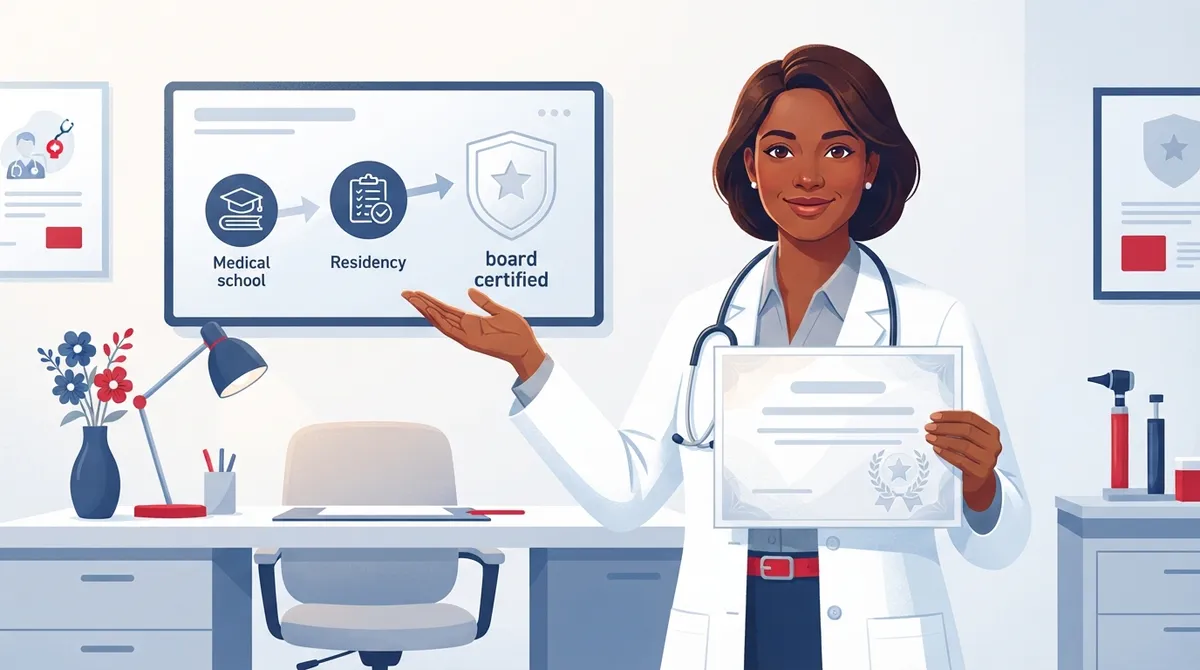
2. Board Certification Backs Their Training
Board certification proves a doctor has met rigorous training standards in their specialty. Family medicine and internal medicine doctors both pursue board certification through recognized specialty boards. You can confirm certification status through the American Board of Medical Specialties' Certification Matters directory.
A board-certified doctor has passed extensive exams and keeps their knowledge current through ongoing education. This matters especially for managing chronic conditions like diabetes, high blood pressure, and high cholesterol.
3. They Offer the Right Type of Primary Care for You
Tampa patients can choose from several types of primary care providers, depending on age and health needs. Understanding these differences helps you pick the right fit:
- Family medicine physicians treat patients of all ages, from infants to seniors, making them ideal for households with kids and adults.
- Internal medicine physicians focus on adult health, often managing complex or multiple chronic conditions.
- Pediatricians specialize in children's health from birth through the teen years.
- Nurse practitioners and physician assistants provide many of the same primary care services under physician supervision or independent practice, often with more appointment flexibility.
If you're unsure which model fits, learn more about the key roles of an internal medicine physician in primary care or explore the benefits of family medicine for whole-family health.
4. Your Insurance Plan Is Accepted
A trusted doctor's office confirms your exact insurance plan before you schedule your visit. Insurance directories change often, so don't rely solely on what a website says. Call the office directly and ask if they're in-network for your specific plan, not just your insurance company in general.
Also ask if the doctor is currently accepting new patients. Some Tampa practices have waitlists, while others offer same-week appointments. Learn how to find doctors accepting new patients near you to save time during your search.
5. They Provide Comprehensive Preventive Care
Good primary care goes beyond treating illness. It focuses on preventing disease before it starts. A trusted Tampa doctor should offer:
- Annual wellness visits and physical exams
- Immunizations for all age groups
- Cancer screenings appropriate for your age and risk factors
- Blood pressure and cholesterol checks
- Diabetes screening and management
- Mental health support and referrals
These services form the backbone of comprehensive primary care. InCare's cancer screening services are designed for early detection, which improves outcomes significantly.
6. Same-Day and Telehealth Options Are Available
Life doesn't wait for a scheduled appointment. A trusted primary care doctor in Tampa should offer flexible access, including same-day visits for urgent issues and virtual visits for quick follow-ups or minor concerns.
This flexibility matters most for tech-savvy patients who want convenient care without long waits. InCare offers same-day appointments for fast primary care at both Tampa and Riverview locations, plus telemedicine options for patients who prefer virtual visits.
7. They Coordinate Care Instead of Fragmenting It
One sign of a trustworthy doctor is how well they connect the dots between your different health needs. Fragmented care happens when your primary doctor, specialists, and pharmacy don't communicate. Coordinated care means your doctor tracks your full health picture, orders the right labs, and refers you to specialists when needed.
This coordination reduces duplicate tests and medication errors. Learn more about fragmented care versus coordinated care and why the difference matters for your long-term health.
8. They Communicate Clearly and Listen
Strong communication is at the heart of trust. During your first visit, notice whether the doctor listens carefully, explains things in plain language, and answers your questions without rushing.
A good doctor should also make it easy to request records, refill prescriptions, and reach the office between visits. Poor communication is one of the reasons patients switch to friendlier doctor offices in search of better relationships with their care team.
9. They Offer Advanced Wellness and Optimization Services
Beyond traditional primary care, many Tampa patients now want deeper insight into their health. Trusted clinics have expanded their offerings to include:
|
Service |
What It Does |
|---|---|
|
DNA Gene Testing |
Reveals genetic predispositions and personalized health insights |
|
Body Composition Analysis |
Uses 3D imaging and AI to track muscle, fat, and metabolic health |
|
Metabolic Breath Analysis |
Measures how efficiently your body burns fuel for energy |
|
IV Hydration & Vitamin Drips |
Delivers nutrients directly for faster absorption and recovery |
|
Medical Weight Loss |
Combines physician oversight with proven treatment plans |
These services appeal strongly to wellness-focused patients who want to optimize their health, not just treat illness. InCare's DNA gene testing and body composition analysis give patients data-driven insights that traditional checkups often miss.
10. They Support Chronic Disease Management
If you live with diabetes, hypertension, asthma, or high cholesterol, your primary care doctor becomes your most important health partner. A trusted doctor creates a long-term plan, adjusts medications as needed, and tracks your progress over time.
This ongoing relationship prevents small issues from becoming emergencies. Read more about how primary doctors help manage chronic illnesses to understand what consistent care can do for your health.
11. Real Patients Vouch for Their Care
While online ratings shouldn't be your only deciding factor, they still offer useful insight when paired with license checks and personal research. Look for consistent themes in reviews, such as friendly staff, short wait times, and doctors who take time to explain things.
InCare holds a 4.8 out of 5 rating on Google from 359 reviews, with patients frequently praising the front-office team and the attentive care from providers like Dr. Ahluwalia. You can visit us on Google — InCare to read patient experiences firsthand. You can also follow updates and patient stories on Facebook and Instagram.
How to Verify a Tampa Doctor Before Your First Visit
Before booking, take these three simple steps:
- Check the doctor's license status through Florida's official practitioner database.
- Confirm board certification through the ABMS Certification Matters directory.
- Call the office to verify they accept your insurance plan and are taking new patients.
This short checklist protects you from surprises and ensures you're starting your care relationship on solid ground. For more guidance, see how to choose the best primary care doctor in Tampa with 10 key questions.
Why InCare Stands Out in Tampa and Riverview
InCare combines the credentials patients expect with the convenience and technology today's patients want. With locations in Tampa and Riverview, InCare offers primary care, urgent care, and advanced wellness services under one roof. Providers like Dr. Naveen Paddu, Dr. Pramjeet Ahluwalia, and Dr. Teshy John bring years of medical expertise paired with a genuine focus on patient relationships.
Whether you need a primary care visit, urgent care for a sudden illness, or advanced services like IV hydration and vitamin drips or medical weight loss, InCare's team designs care around your specific goals. You can review the full provider team on the providers page before scheduling.
Take the Next Step Toward Trusted Care
Choosing a trusted primary care doctor in Tampa doesn't have to be complicated. Focus on verified credentials, clear communication, and a care team that offers both preventive and advanced wellness services. The right doctor should feel like a long-term partner in your health, not just someone you see when something goes wrong.
If you're ready to experience personalized, technology-driven primary care in Tampa or Riverview, book your appointment with InCare today. You can also reach out to our team with any questions about services, insurance, or scheduling. Follow along for health tips and clinic updates on TikTok.
FAQs
Q: How do I find a trusted primary care doctor in Tampa?
A: Start by verifying the doctor's Florida medical license and board certification through official state and specialty board resources. Then confirm insurance participation, new-patient availability, and read recent patient reviews to gauge communication style and office experience.
Q: What is the difference between family medicine and internal medicine in Tampa?
A: Family medicine physicians treat patients of all ages, from children to seniors, making them a strong fit for households with mixed age groups. Internal medicine physicians focus exclusively on adult health, often managing complex or multiple chronic conditions.
Q: Can I find a Tampa primary care doctor who offers same-day appointments or telehealth?
A: Yes, many Tampa practices, including InCare, offer same-day appointments for urgent needs and telehealth visits for convenient follow-ups. This flexibility helps patients get timely care without long waits.
Q: How often should I see a primary care doctor for preventive care?
A: Most adults benefit from an annual wellness visit, though frequency can increase if you manage chronic conditions like diabetes or high blood pressure. Your doctor can recommend a personalized schedule based on your age, risk factors, and health history.
Q: What questions should I ask during my first appointment with a new primary care doctor?
A: Ask about their approach to preventive care, how they coordinate with specialists, and what communication options are available between visits. It also helps to ask about their experience managing conditions relevant to your health history.