Key Takeaways
- A doctor's warmth and welcoming demeanor predict care quality more accurately than online ratings, with friendly practices reducing healthcare anxiety by 40% and increasing preventive visits by 20%.
- Patients who feel dismissed or rushed delay reporting symptoms for weeks or months, allowing manageable conditions to progress significantly and compromising early disease detection.
- Friendly offices invest in empathetic staff training, flexible scheduling with same-day options, and next-day availability—resulting in 20% more preventive care visits and better chronic disease management.
- Unfriendly practices create healthcare avoidance patterns that spread to entire families, normalizing skipped appointments across generations and reducing preventive care compliance.
- Red flags to avoid include rushed appointments under 10 minutes, dismissive responses to concerns, long waits without acknowledgment, and lack of follow-up communication—all signal volume-driven rather than patient-centered care.
- Technology should enhance rather than replace human connection; effective patient portals, virtual visit options, and electronic health records work best when they reduce administrative burden and free physicians for personalized interaction.
After visiting three different primary care offices in six months, Sarah discovered that the warmth of her doctor's greeting predicted the quality of care she would receive more accurately than any online rating system. Her experience is far from unique. Millions of patients across the country are quietly making the same discovery — and switching practices because of it. Research shows that switching to a truly friendly doctor office can reduce healthcare anxiety by up to 40% and increase preventive care visits by 20%, fundamentally changing a patient's relationship with medical care. When patients feel welcomed, respected, and genuinely heard, they keep their appointments, follow through on treatment plans, and communicate more openly with their providers. The result is better health outcomes across the board. Whether you are a busy parent managing your family's wellness, a young professional exploring preventive care for the first time, or someone living with a chronic condition, the environment and culture of your primary care office matters more than most people realize. This article explains why patients are making the switch — and what to look for in a practice that truly puts people first.

The Hidden Cost of Unfriendly Medical Practices
Most people think about healthcare costs in terms of copays and insurance premiums. But the true cost of an unfriendly doctor office is rarely calculated — and it is far higher than most patients expect. When people feel dismissed, rushed, or unwelcome, they stop seeking care. That avoidance creates a ripple effect that touches every aspect of their health.
Delayed Diagnoses from Patient Reluctance
Patients who dread their doctor's office delay reporting symptoms. A skin change, persistent fatigue, or unexplained pain gets ignored for weeks or months. By the time they finally seek help, a manageable condition may have progressed significantly. Early detection — especially for conditions like cancer — is directly tied to how comfortable patients feel raising concerns with their provider. Explore cancer screening services that prioritize patient comfort and early detection.
Increased Healthcare Anxiety and Avoidance
A cold or dismissive practice environment teaches patients to associate medical care with stress. Over time, this anxiety becomes its own health risk. Patients avoid routine check-ups, skip follow-up visits, and self-diagnose using unreliable online sources instead. Healthcare avoidance is a documented public health problem — and unfriendly offices are a primary driver.
Higher Long-Term Costs from Skipped Preventive Care
Preventive care is the most cost-effective form of healthcare. When patients skip annual wellness visits and routine screenings, minor problems become major — and expensive — ones. Advanced primary care models that prioritize patient experience have shown up to 30% savings in overall healthcare costs, based on a claims analysis of 207,000 lives across 26 organizations validated by Milliman.
Impact on Chronic Disease Management
Patients managing diabetes, hypertension, or heart disease need consistent, trusting relationships with their providers. An unfriendly environment erodes that trust, leading to missed appointments and poor medication adherence. Poor chronic disease management drives emergency room visits and hospitalizations — outcomes that are both preventable and costly. Learn more about how primary doctors help manage chronic illnesses effectively.
Family Health Ripple Effects
When adults avoid medical care, their families often follow the same pattern. Children grow up watching parents skip appointments, and that behavior becomes normalized. Choosing a friendly, welcoming practice sets a positive example for the entire household — making proactive health management a family value, not an exception.

What Actually Makes a Doctor Office Friendly
"Friendly" in a medical context means much more than a smile at the front desk. It describes a deliberate, comprehensive approach to patient experience — one that begins before you walk through the door and continues long after your appointment ends.
Staff Training in Empathetic Communication
The best primary care offices invest heavily in training every team member — from the front desk coordinator to the nursing staff — in empathetic communication. This means active listening, validating patient concerns, and using language that is clear and non-judgmental. Well-trained, kind staff significantly boost patient satisfaction and are consistently cited as the top factor in positive healthcare experiences. The providers at InCare exemplify this standard of compassionate, personalized care.
Physical Environment Design Choices
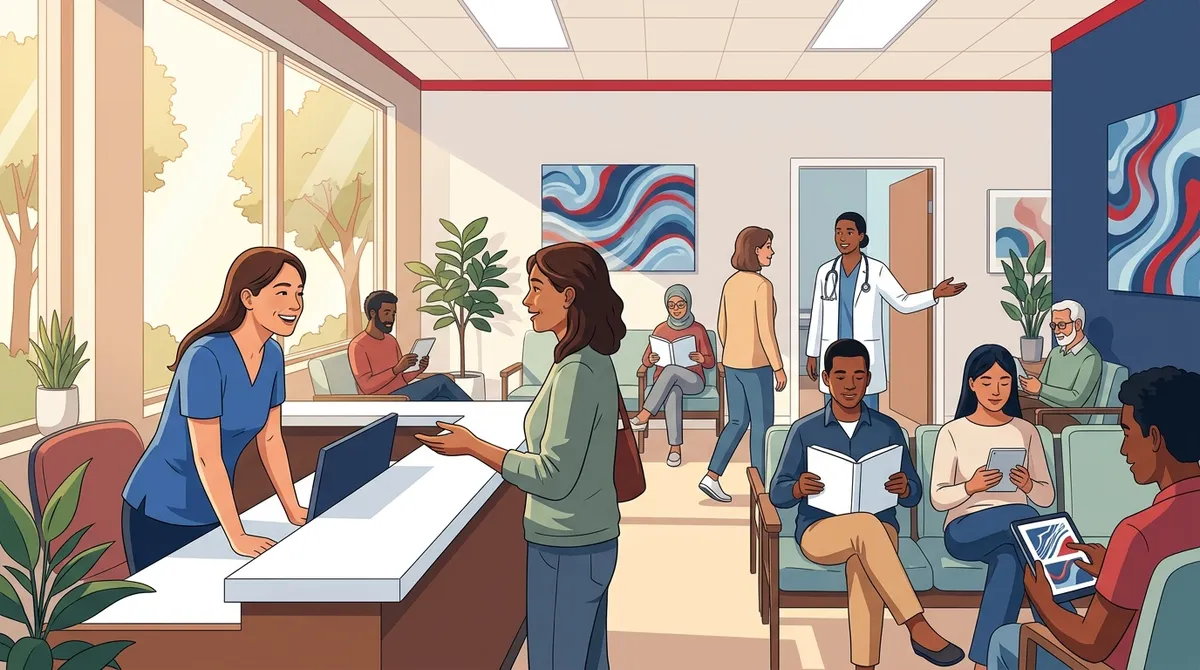
A friendly doctor office is designed to reduce anxiety, not increase it. This includes comfortable seating, clear signage, minimal wait areas that feel calm rather than chaotic, and exam rooms that feel private and respectful. Small details — lighting, cleanliness, and even the art on the walls — communicate whether a practice values patient comfort.
- Calming color palettes and natural lighting reduce stress
- Private check-in and check-out processes protect patient dignity
- Clean, organized spaces signal professionalism and respect
- Accessible layouts accommodate patients of all mobility levels
Appointment Scheduling Flexibility
Patient-friendly offices recognize that life does not fit into a 9-to-5 window. Flexible scheduling — including same-day sick visits, early morning appointments, and virtual options — removes barriers to care. Advanced primary care models with next-day availability have demonstrated a 20% increase in routine, preventive, and mental health office visits as a direct result of scheduling convenience.
Technology That Enhances Personal Connection
Technology in a friendly office is used to serve the patient, not replace the provider. Online booking, patient portals, and automated reminders reduce friction. Virtual visit options expand access. But the best offices ensure that technology supports — rather than substitutes — genuine human connection. Explore comprehensive primary care that blends technology with personalized attention.
Cultural Sensitivity and Diverse Representation
A truly welcoming office embraces diversity in its staff and its approach. Patients from different cultural backgrounds should see themselves represented and feel their values respected. This includes offering language access, respecting cultural health beliefs, and ensuring that care is delivered without bias. Comfortable environments that honor cultural commitments build deeper trust and encourage patients to engage openly with their providers.
Friendly Office Feature Patient Benefit Health Outcome Empathetic staff communication Patients feel heard and respected Higher appointment compliance Flexible scheduling Easier access to care 20% more preventive visits Cultural sensitivity Trust and open communication Better diagnostic accuracy Technology integration Convenience and continuity Improved chronic care management

How Friendly Offices Transform Patient Outcomes
The connection between a positive patient experience and measurable health outcomes is well-established. A friendly doctor office is not just a nice-to-have — it is a clinical advantage.
20% Increase in Preventive Visit Compliance
When patients enjoy their experience at a primary care office, they return. Advanced care models offering short wait times, user-friendly digital tools, and next-day appointments have documented a 20% increase in routine and preventive visits. This translates directly into earlier detection of conditions like hypertension, diabetes, and certain cancers — all of which are far easier and less expensive to treat when caught early.
Improved Medication Adherence Rates
Patients who trust their providers follow their treatment plans more consistently. A friendly environment encourages patients to ask questions about their medications, express concerns about side effects, and communicate when a treatment is not working. This open dialogue leads to better-tailored prescriptions and significantly higher adherence rates. Better adherence means fewer complications and hospitalizations.
Better Chronic Condition Management Results
Patients managing ongoing conditions like Type 2 diabetes or heart disease require consistent, trusting relationships with their care team. Friendly offices that prioritize continuity of care — assigning consistent providers, maintaining thorough records, and scheduling regular check-ins — produce measurably better disease management outcomes. Learn how primary care in Riverview supports long-term health management.
Enhanced Mental Health Screening Success
Mental health remains one of the most under-addressed areas in primary care. Patients are significantly more likely to disclose anxiety, depression, or emotional distress to a provider they trust. A friendly office creates the psychological safety needed for honest mental health conversations, enabling earlier intervention and referral when necessary. This is one of the most important — and undervalued — benefits of patient-centered care.

Spotting Red Flags in Your Current Practice
Not every office that claims to be patient-centered actually delivers on that promise. Knowing the warning signs of an unfriendly practice helps you make informed decisions about your care.
Red Flag What It Signals Appointments under 10 minutes Volume-driven model, not patient-centered Dismissive responses to concerns Lack of empathy and communication training Long waits without acknowledgment Poor operational management and low patient respect No follow-up after visits Reactive rather than proactive care model Rigid, inflexible policies Institutional priorities over patient needs
Rushed appointments lasting under ten minutes leave little room for thorough discussion, accurate diagnosis, or genuine connection. If your provider seems distracted or hurries through your concerns, that is a significant red flag. Similarly, dismissive responses — where your symptoms are minimized or your questions go unanswered — signal a communication culture that does not prioritize patient well-being.
Long wait times are frustrating in any context. But a truly patient-centered office acknowledges delays, communicates proactively, and demonstrates respect for your time. Equally important is what happens after your visit. Lack of follow-up communication — no test result notifications, no medication check-ins, no preventive care reminders — suggests a practice focused on volume rather than outcomes. If any of these patterns sound familiar, it may be time to explore a trusted primary care doctor who prioritizes your experience.
The Technology Balance in Modern Friendly Practices
Technology is reshaping primary care — but not all technology improvements result in a friendlier experience. The best practices use digital tools strategically, ensuring they enhance rather than replace meaningful human interaction.
Patient Portals That Actually Work
A well-designed patient portal allows you to view lab results, request prescription refills, send messages to your care team, and access visit summaries — all without sitting on hold. When portals are intuitive and responsive, they reduce patient frustration and improve communication between visits. A portal that is clunky, outdated, or rarely updated signals a practice that has not invested in its patient experience infrastructure.
Virtual Visit Options for Convenience
Telemedicine is no longer a novelty — it is a standard expectation for patient-friendly practices in 2026. Virtual visits allow busy families, working professionals, and patients with mobility limitations to access care without the barriers of travel and waiting rooms. The best practices offer seamless transitions between in-person and virtual care, ensuring continuity regardless of format. Urgent care services with virtual options make same-day access significantly more achievable.
AI Tools That Free Up Doctor Time
Artificial intelligence in primary care is increasingly used for administrative tasks — scheduling, documentation, and preliminary symptom triage. When AI handles these functions effectively, physicians reclaim time for what matters most: attentive, personalized patient interaction. The goal is always more human connection, not less. Follow InCare on Instagram to stay informed about how advanced technology is being applied to improve patient experiences.
Electronic Records Improving Continuity
Comprehensive electronic health records ensure that every provider on your care team has access to your full medical history. This eliminates redundant testing, reduces medication errors, and enables more informed, efficient appointments. Patients benefit from providers who walk in already informed — not scrambling to review a paper chart. Services like DNA gene testing and body composition analysis are most valuable when integrated seamlessly into a complete health record.
Questions to Ask When Evaluating a New Office
Choosing a primary care office is one of the most important healthcare decisions you will make. Asking the right questions during your evaluation process helps you find a practice that will truly support your long-term health.
Key Questions to Ask Before Committing
- What is your average appointment duration? Look for practices that schedule at least 20-30 minutes for new patient visits and 15-20 minutes for follow-ups.
- Do you offer same-day sick visits? Access to timely care for acute illness is a hallmark of a patient-centered practice.
- How can I reach my provider after hours? Clear after-hours communication protocols — whether through a nurse line, portal messaging, or on-call physician — signal a practice that values continuity.
- How do you remind patients about preventive care? Proactive reminder systems for screenings, vaccinations, and annual wellness visits reflect a prevention-first philosophy.
- How does the practice respond to patient feedback? Offices that actively collect and implement patient feedback are the ones most committed to continuous improvement.
Additional questions worth exploring include whether the practice offers personalized weight loss programs, IV hydration therapy, or other advanced wellness services. A practice with a broad, integrated menu of services demonstrates a commitment to whole-body care — not just reactive treatment.
- Ask about new patient wait times for first appointments
- Inquire about the practice's approach to preventive screenings
- Confirm which insurance plans are accepted
- Ask whether the same provider will see you at each visit
Share your experience with others by checking out what patients are saying — follow InCare on Facebook for real patient stories and practice updates.
Making the Switch to Patient-Centered Care
Once you have decided to transition to a friendly doctor office, the process is more straightforward than most patients expect. Taking a few organized steps ensures a smooth, stress-free transition.
Steps to Switch Your Primary Care Provider
- Request your medical records. Contact your current provider and request a complete copy of your medical history, including lab results, imaging reports, and medication lists. Most offices are legally required to provide these promptly.
- Verify insurance coverage. Confirm that your new practice accepts your current insurance plan before your first appointment. Ask about any referral requirements for specialist care.
- Prepare for your first visit. Bring a list of current medications, known allergies, family health history, and any active health concerns. Arriving prepared helps your new provider deliver the best possible care from day one.
- Build rapport intentionally. A new patient relationship takes time. Be open, honest, and communicative with your new provider — the more you share, the better your care will be.
- Bring photo ID and insurance card to your first appointment
- Ask about the practice's patient portal setup process
- Schedule a comprehensive new patient wellness visit, not just a sick visit
- Confirm your records have been received before your first appointment
At InCare, with locations in Tampa and Riverview, Florida, every patient is welcomed into a personalized, technology-enhanced care environment designed to put people first. Whether you are exploring metabolic breath analysis, seeking comprehensive primary care, or simply looking for a team that will truly listen, InCare delivers the patient-centered experience that drives better outcomes. Visit us on Google to read what our patients are saying and see our 4.8-star rating firsthand. Follow InCare on TikTok for wellness tips and practice updates that keep you informed between visits.
Switching to a friendly doctor office is not just about comfort — it is about investing in your long-term health. The right practice makes every visit something you look forward to, not something you dread. Take the first step today and schedule your appointment with InCare — and experience the difference that truly patient-centered care makes.
FAQs
Q: How long should I wait before switching from an unfriendly doctor?
A: There is no set timeline — if you consistently feel dismissed, rushed, or unwelcome across multiple visits, it is reasonable to begin evaluating other options. Trust your experience; patient comfort and open communication are not luxuries, they are clinical necessities that directly affect your health outcomes.
Q: Can a friendly office still provide high-quality medical care?
A: Absolutely. In fact, research consistently shows that patient-centered practices produce better clinical outcomes, including higher medication adherence, more preventive care visits, and improved chronic disease management. Warmth and medical excellence are not in conflict — the best practices demonstrate both.
Q: Will insurance cover the same services at a patient-centered practice?
A: In most cases, yes. Patient-centered primary care offices accept the same major insurance plans as traditional practices, and covered services — including wellness visits, screenings, and chronic care management — remain the same. Always verify your specific plan's coverage and confirm in-network status before your first appointment.
Q: How do concierge medicine practices differ from traditional friendly offices?
A: Concierge practices typically charge a membership or retainer fee in exchange for enhanced access — including longer appointments, direct provider contact, and reduced wait times. Traditional patient-centered offices can offer many of the same experience improvements without an additional membership fee, making them accessible to a broader range of patients.
Q: What if the friendliest office near me doesn't accept new patients?
A: Ask to be placed on a waitlist and inquire about their expected timeline for new patient openings. In the meantime, explore whether the practice offers virtual visits, which are often more accessible even when in-person availability is limited. Clinics like InCare in Tampa and Riverview, Florida, welcome new patients and offer both in-person and telemedicine appointment options.