
Key Takeaways
- Supplements should be taken for a clear, specific reason, since the USPSTF found insufficient evidence that most vitamins, minerals, or multivitamins prevent heart disease or cancer in generally healthy adults.
- Share your full health history, medications, and every supplement with your clinician, because interactions like vitamin K with warfarin or St. John's wort with other drugs can be dangerous.
- Food comes first: identify diet and lifestyle gaps such as vegan diets (B12), low dairy (calcium), or low sun exposure (vitamin D) before adding products.
- Testing should be targeted, not universal; a clinician should order and interpret labs when symptoms, history, or medicines suggest a possible deficiency.
- Keep the list short and match each supplement to a measurable goal, since more items and higher doses can increase harm, especially with fat-soluble vitamins.
- Reassess regularly, at least yearly, and be willing to stop supplements you no longer need; avoid providers who sell fixed bundles or promise to cure disease.
Walk into any store in Tampa and you will see shelves packed with vitamins, minerals, and powders. Each bottle promises more energy, better sleep, or a longer life. The problem is simple. A product that helps one person may do nothing for another, and in some cases it can cause harm.
That is why a personalized supplement plan in Tampa starts with your health, not with a shopping cart. A good plan looks at your history, your diet, your medicines, and your goals. It is built by a clinician, checked with data when needed, and reviewed over time.
This guide walks you through 10 clear steps. It uses guidance from the NIH Office of Dietary Supplements and the U.S. Preventive Services Task Force (USPSTF). It also shows how a primary care and wellness clinic like InCare can help you make safe, informed choices without guesswork.
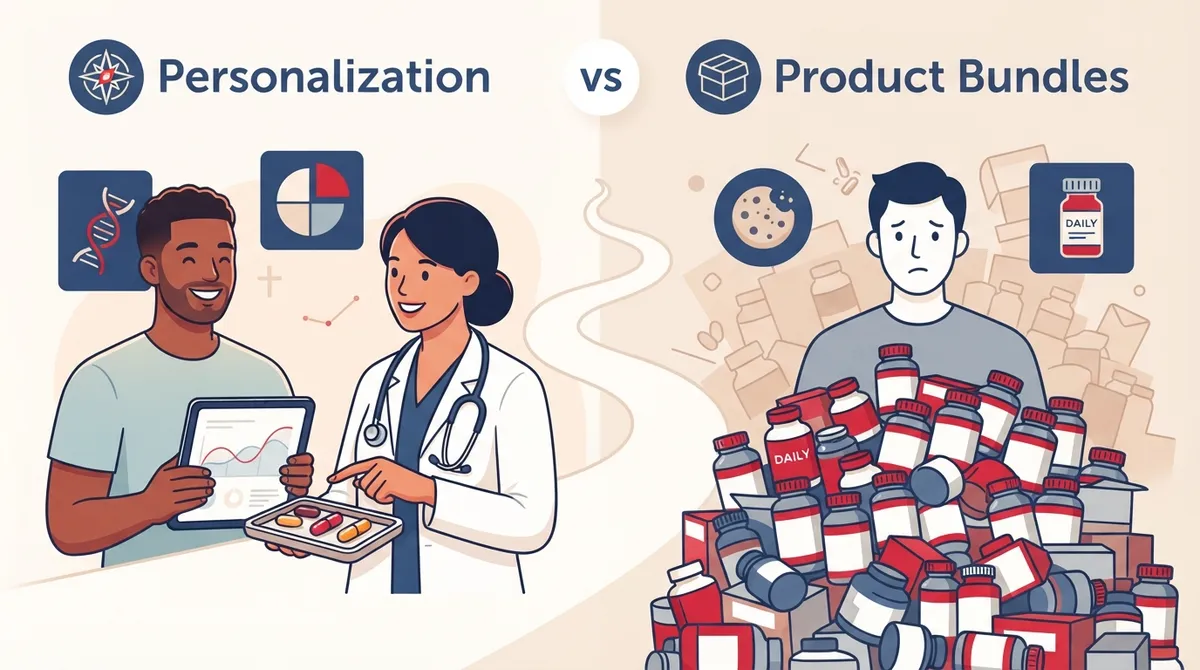
Why Personalization Matters More Than Product Bundles
A one-size-fits-all supplement bundle ignores the details that matter most. Your age, diet, health conditions, and medicines all change what is safe and useful for you.
The evidence also calls for caution. In its 2022 recommendation, the USPSTF found that evidence is insufficient to judge the balance of benefits and harms of most vitamin, mineral, and multivitamin supplements for preventing cardiovascular disease or cancer in generally healthy, nonpregnant adults. It recommends against beta-carotene and vitamin E for that purpose.
This does not mean supplements never help. It means they should be used for a clear reason. The USPSTF statement does not apply to people with known nutritional deficiencies or special nutritional needs. Those are exactly the cases where a personalized plan can add real value.
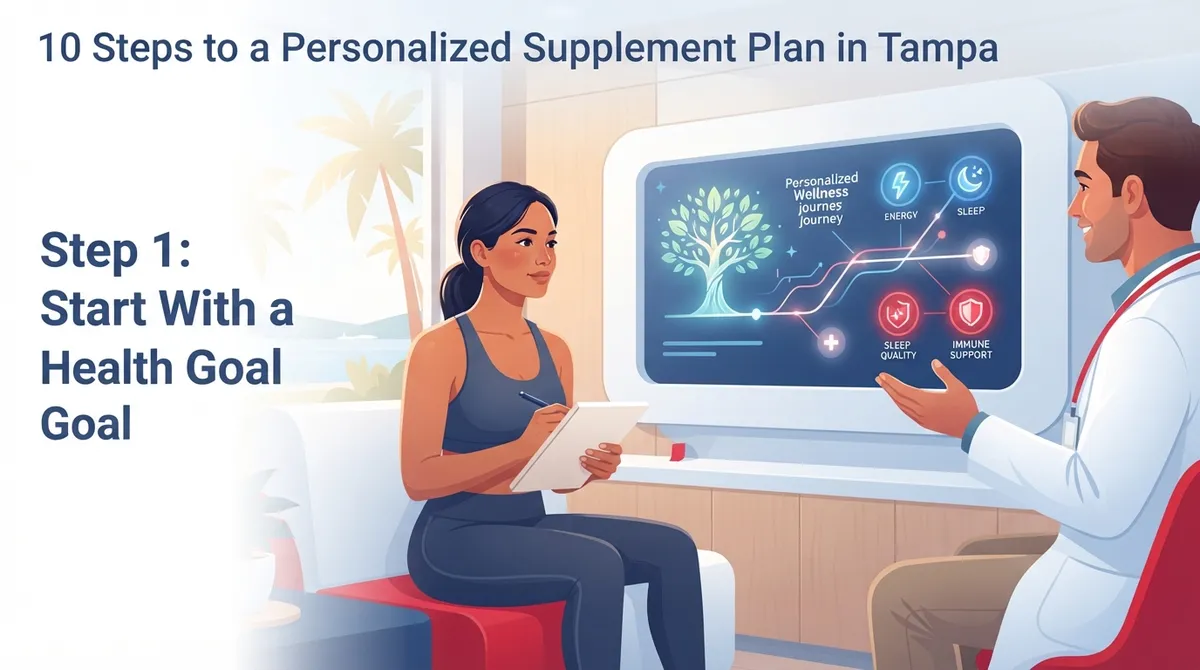
Step 1: Start With a Clear Health Goal
Every good plan begins with a question: what are you trying to improve? A vague goal like "be healthier" leads to random purchases. A clear goal leads to a focused plan.
Common goals include:
- Correcting a diagnosed vitamin or mineral shortfall
- Supporting a healthy pregnancy or planning for one
- Filling gaps caused by a restricted diet
- Supporting bone health as you age
- Managing symptoms like fatigue, with a clinician ruling out other causes first
Write your goal down before your visit. It gives your clinician a starting point and keeps the plan honest.
Step 2: Share Your Full Health History
Your clinician needs the full picture. That includes past illnesses, surgeries, family history, allergies, and any symptoms that worry you.
Certain conditions change the supplement conversation. Kidney disease, liver disease, bleeding disorders, and digestive problems can all affect what you absorb and what is safe to take. A history of kidney stones, for example, matters when vitamin D or calcium is under discussion.
Being open helps your care team avoid risks. If you are looking for a primary care partner, our guide on how to choose the best primary care doctor in Tampa explains what to look for.
Step 3: Review Your Diet and Lifestyle
Food comes first. A supplement is meant to add to a healthy diet, not replace one. Your clinician will ask what you eat, how often you eat out, and whether you avoid any food groups.
Some patterns raise the chance of a gap:
- Vegan or vegetarian diets, which may be low in vitamin B12
- Limited dairy intake, which may affect calcium
- Little sun exposure, which may affect vitamin D
- Heavy alcohol use, which can affect several nutrients
- Older age, which can change how the body absorbs nutrients
Sleep, stress, activity level, and smoking also matter. A supplement will not fix a habit that is working against you.
Step 4: Bring Every Medicine and Supplement to the Table
This step protects your safety. Supplements can interact with prescription drugs, over-the-counter medicines, and each other. The NIH Office of Dietary Supplements advises patients to tell their clinicians and pharmacists about everything they take.
Known examples include:
- Vitamin K can change how warfarin works.
- St. John's wort can change the effects of several medicines.
- High-dose vitamin D can raise the risk of high calcium levels and kidney stones.
Bring the actual bottles or photos of the labels. Doses and ingredients vary widely between brands, and details matter. Our article on prescription management tips for better health in 2026 shows how to keep your medication list clear and current.
Step 5: Decide Whether Testing Makes Sense
Not everyone needs broad lab testing. A clinician may suggest targeted tests when your symptoms, history, diet, medicines, or risk factors point to a possible deficiency. Testing should be chosen and read by a qualified clinician, because a number on a lab sheet has no meaning without context.
Testing can help in cases such as:
- Long-lasting fatigue with no clear cause
- A history of digestive disease that limits absorption
- Long-term use of medicines that can lower certain nutrients
- A strict diet that cuts out whole food groups
- Pregnancy planning or pregnancy
For some patients, genetic or metabolic insights may add detail to the conversation. InCare offers services such as DNA gene testing and metabolic breath analysis as part of a broader wellness approach. These tools are best used to inform a clinician's judgment, not to replace it.
Step 6: Match Each Supplement to a Clear Reason
Once your history, diet, medicines, and any test results are on the table, your clinician can match each supplement to a reason. If there is no reason, it does not belong in the plan.
|
Question to Ask |
Why It Matters |
|---|---|
|
What gap or need does this address? |
Prevents taking products with no clear purpose |
|
Is there evidence for my situation? |
Separates real benefit from marketing claims |
|
What dose is appropriate for me? |
Too much can cause harm |
|
Does it interact with my medicines? |
Protects against dangerous combinations |
|
How will we know it is working? |
Sets a measurable goal for follow-up |
One well-supported example is folic acid. The USPSTF recommends that people planning or capable of pregnancy take 400 to 800 micrograms daily. That is a clear, evidence-based use. If you are exploring one specific product, our piece on how to decide if vitamin D3 and K2 supplements fit you shows how this kind of decision works in practice.
Step 7: Choose Quality Products and Safe Doses
Supplements are not all made the same way. Labels can differ in strength, and more is not always better. Taking more than you need can do harm, especially with fat-soluble vitamins and certain minerals.
Ask your clinician to help you pick a product and dose. Read labels carefully. Watch for products that promise to cure, treat, or prevent disease, since supplements are not meant to do that. Keep the list short. A plan with three well-chosen items is often safer and easier to follow than a plan with fifteen.
If you are curious about antioxidant products, you may also want to read 4 glutathione side effects you should know in 2026 before you buy anything.
Step 8: Build a Simple Daily Routine
A plan only works if you can follow it. Your clinician can help you set up a routine that fits your day.
Helpful habits include:
- Take supplements at the same time each day.
- Pair them with meals when the label advises it.
- Use a pill organizer to avoid missed or double doses.
- Keep a short written log of what you take.
- Store products as directed, away from heat and moisture.
Busy parents and working professionals in Tampa often do best with a short, simple routine. Fewer steps mean better follow-through.
Step 9: Schedule Follow-Up and Reassess
A supplement plan is not a one-time purchase. Your needs change with age, weight, diet, medicines, and health conditions. Your plan should change with them.
At follow-up visits, your clinician can check:
- Whether your symptoms have improved
- Whether repeat testing is needed
- Whether a dose should go up, go down, or stop
- Whether new medicines call for changes
- Whether you still need each item on the list
Stopping a supplement you no longer need is a good outcome. It saves money and reduces risk. Regular preventive care visits are a natural place to review your plan.
Step 10: Work With a Clinic That Coordinates Your Care
The best plans come from clinicians who see the whole picture. When your primary care, lab work, and wellness services sit under one roof, your care team can connect the dots. That means fewer conflicting recommendations and fewer gaps.
InCare is a personalized primary care and wellness clinic with locations in Tampa and Riverview, Florida. The team combines medical expertise with modern technology, including body composition analysis, metabolic testing, and DNA gene testing. Patients can bring their full health picture to one team that focuses on prevention and whole-body wellness. See what patients say on Google by visiting InCare on Google, and follow the clinic on Instagram for wellness updates.
If you are weighing options in the area, our guide to who provides personalized supplement plans in Tampa offers more detail on what to expect.
Who Benefits Most From a Personalized Plan
Different groups have different needs. A personalized approach helps each one avoid waste and risk.
|
Group |
Possible Focus |
|---|---|
|
Busy young families |
Simple routines, age-appropriate guidance, diet gaps |
|
Women planning pregnancy |
Folic acid and prenatal nutrition guidance |
|
Tech-savvy millennials |
Data-informed decisions backed by a clinician |
|
High-income wellness seekers |
Advanced testing paired with careful medical review |
|
Gen Z health explorers |
Sorting social media claims from evidence |
Whatever your age or background, the same rule holds. Start with a clinician, a clear goal, and a full medicine list.
Red Flags to Watch For
Be careful with any provider or product that does the following:
- Promises to cure or prevent a disease with supplements
- Sells a fixed bundle without asking about your history
- Skips questions about your medicines
- Pushes expensive testing you do not need
- Pressures you to buy large amounts at once
A trustworthy clinician will explain the reason for each recommendation and will be comfortable telling you when you do not need something.
Take the Next Step
A personalized supplement plan should make your health simpler, not more confusing. By starting with your goals, reviewing your history, checking your medicines, and following up over time, you give yourself the best chance of a safe and useful result.
If you are ready to build a plan around your health, Book Your InCare Appointment today, or contact our team to ask questions first. Our clinicians in Tampa and Riverview are ready to help you make evidence-informed choices for lasting wellness.
FAQs
Q: What is a personalized supplement plan, and how is it created?
A: A personalized supplement plan is a clinician-guided set of recommendations based on your health history, diet, medicines, risk factors, and goals. It may include targeted lab testing when your symptoms or history suggest a need. The plan is reviewed over time and adjusted as your health changes.
Q: Should I get blood tests before starting vitamins or supplements?
A: Not always. Broad testing is not necessary for everyone. A clinician may order targeted tests when your symptoms, diet, medicines, or medical history point to a possible deficiency, and then interpret the results in context.
Q: Can supplements interact with prescription medications?
A: Yes. For example, vitamin K can affect warfarin, and St. John's wort can change the effects of several medicines. Always share every supplement you take with your clinician and pharmacist so they can check for interactions.
Q: Can supplements prevent heart disease or cancer?
A: For most generally healthy adults, the evidence is not strong enough to say so. The USPSTF found insufficient evidence for most vitamin, mineral, and multivitamin products and recommends against beta-carotene and vitamin E for this purpose. People with known deficiencies or special needs are a different case and should talk with a clinician.
Q: How often should a supplement plan be reviewed?
A: Review your plan at regular follow-up visits and whenever your health, diet, or medicines change. Many people benefit from checking in at least once a year during a preventive care visit. Your clinician can tell you whether to continue, adjust, or stop each item.